
Tanzania
Kilimanjaro Climb – Lemosho Route
Short Description Climb Kilimanjaro from the remote western side on what many call the most beautiful route on the mountain. Eight days on the trail give you the best acclimatisation and one of the highest summit success rates. You'll see fewer people, cross the whole Shira Plateau and have plenty of time to enjoy it.
From $100
Tour overview
8 Days Kilimanjaro Climb – Lemosho Route
Lemosho begins far from the busier trailheads, on the western flank of Kilimanjaro. The first two days wind through untouched rainforest where you are more likely to hear birds and colobus monkeys than other hikers. You then climb onto the Shira Plateau, one of the highest plateaus on earth, and cross it from end to end, with Kibo's glaciers rising ahead.
From Shira the route joins the southern circuit, climbing to Lava Tower, down to the Barranco Valley and over the Barranco Wall to Karanga and Barafu camps. With eight days on the mountain, the pace is gentle and the altitude gain is gradual. That is why Lemosho has one of the highest summit success rates of any route, and why we recommend it to anyone who can spare the extra day.
Your summit attempt begins at midnight from Barafu, reaching Stella Point for sunrise and Uhuru Peak soon after. The descent via Mweka takes you back through the forest to celebrate with your crew. It is a longer trip, but it gives you the best chance of reaching the top and enjoying the whole climb.
Highlights
Lemosho begins at a remote western trailhead where you will meet few other climbers, and the forest here is one of the best places on the mountain to see black-and-white colobus monkeys. You then cross the entire Shira Plateau, one of the highest plateaus on earth, before joining the southern circuit at Lava Tower and climbing the Barranco Wall.
With eight days on the mountain, you enjoy superb acclimatisation and one of the best chances of success on summit night, when you reach Stella Point at sunrise and continue to Uhuru Peak, 5,895 m.
Discover Tanzania
Crafted for you
Tailor make your trip with iTour Tanzania
Every journey can be shaped around your pace, lodges, and must-do moments. Tell us what matters most and we will build it with you.
Build your tripYour adventure begins
A taste of what to expect on this journey
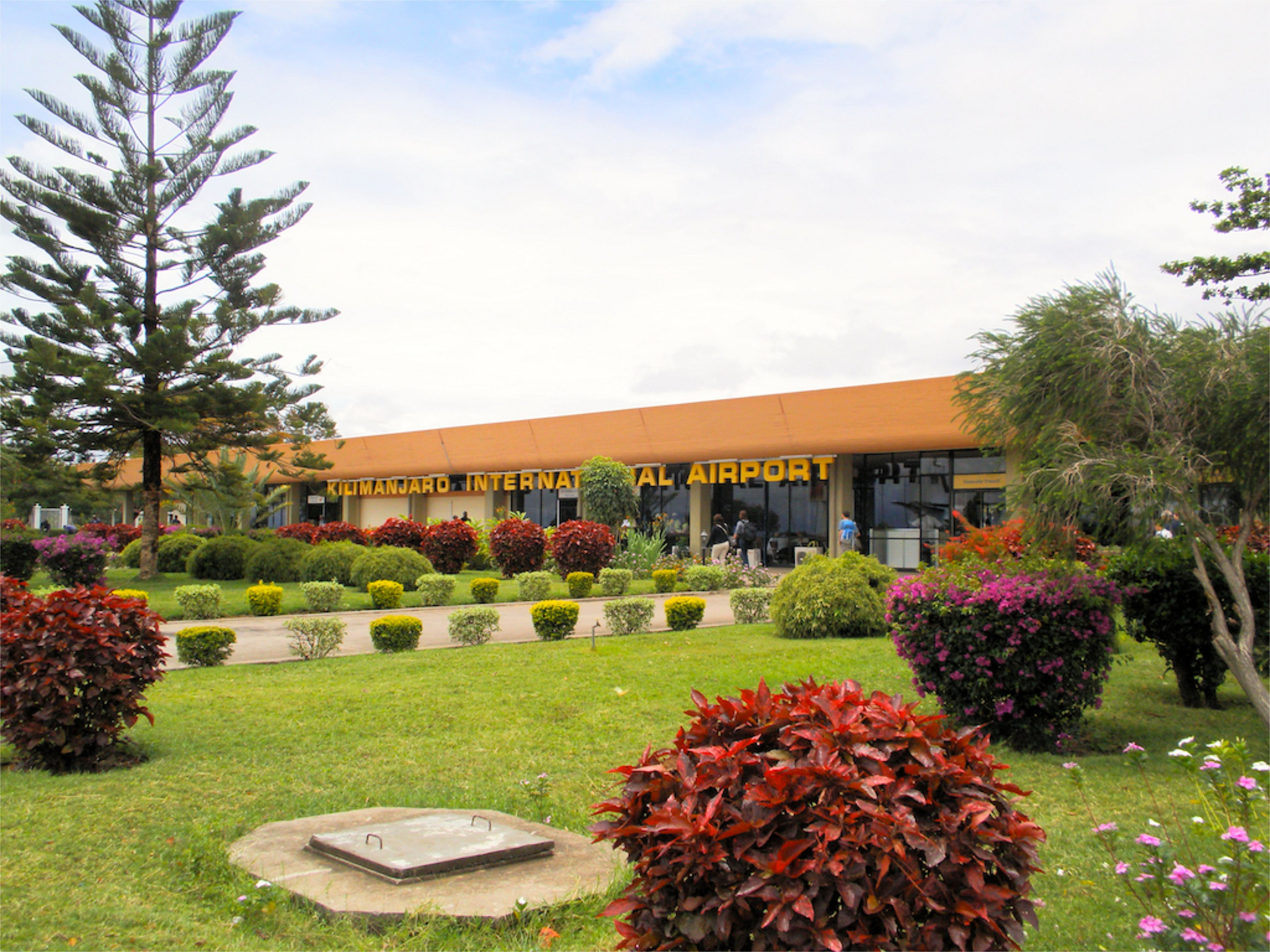
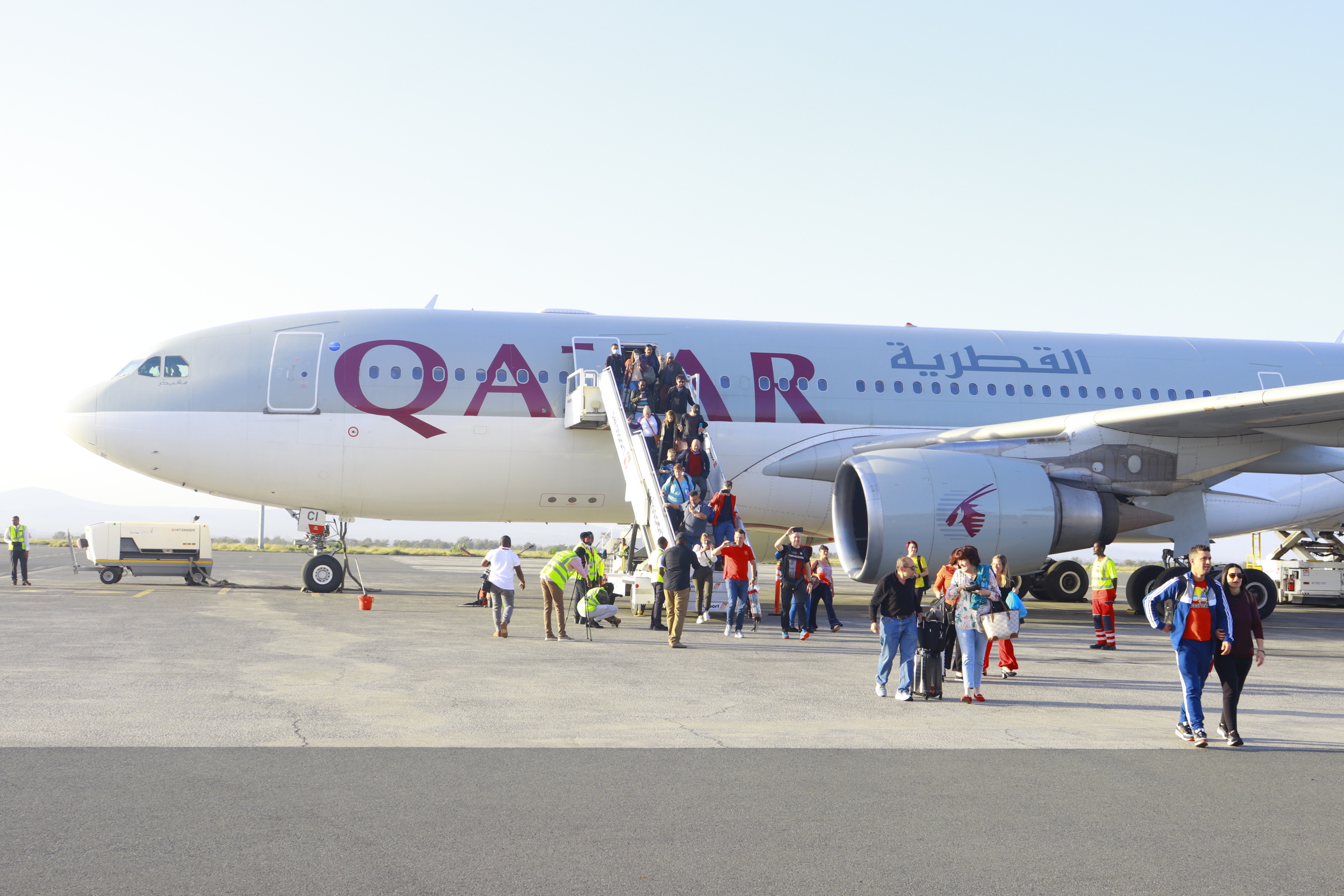
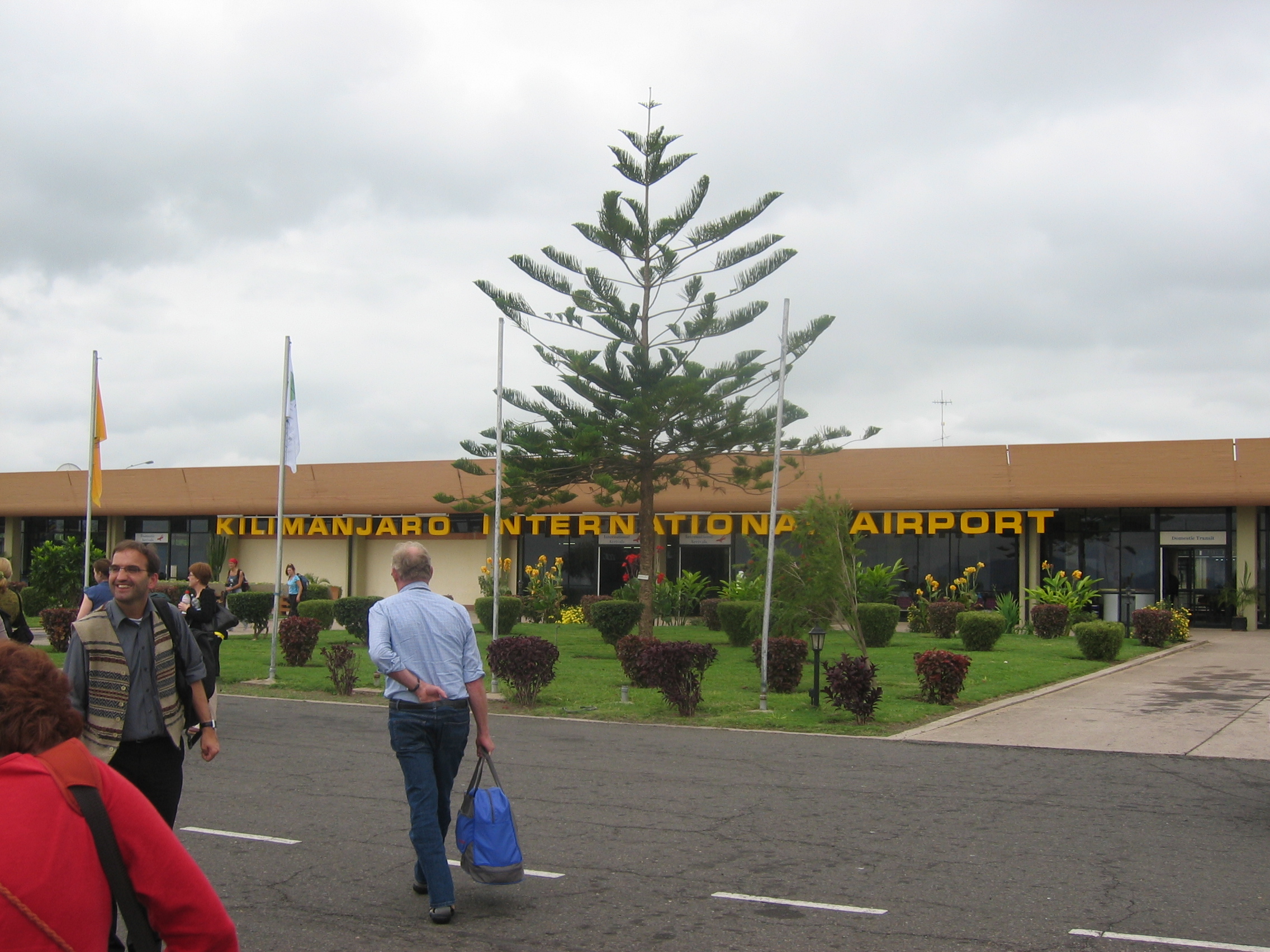
Arrival at Kilimanjaro International Airport
Transfer ~1 hr
Welcome to Tanzania! After you land at Kilimanjaro International Airport, your iTour Tanzania representative greets you and drives you to your hotel in Arusha, about an hour away.
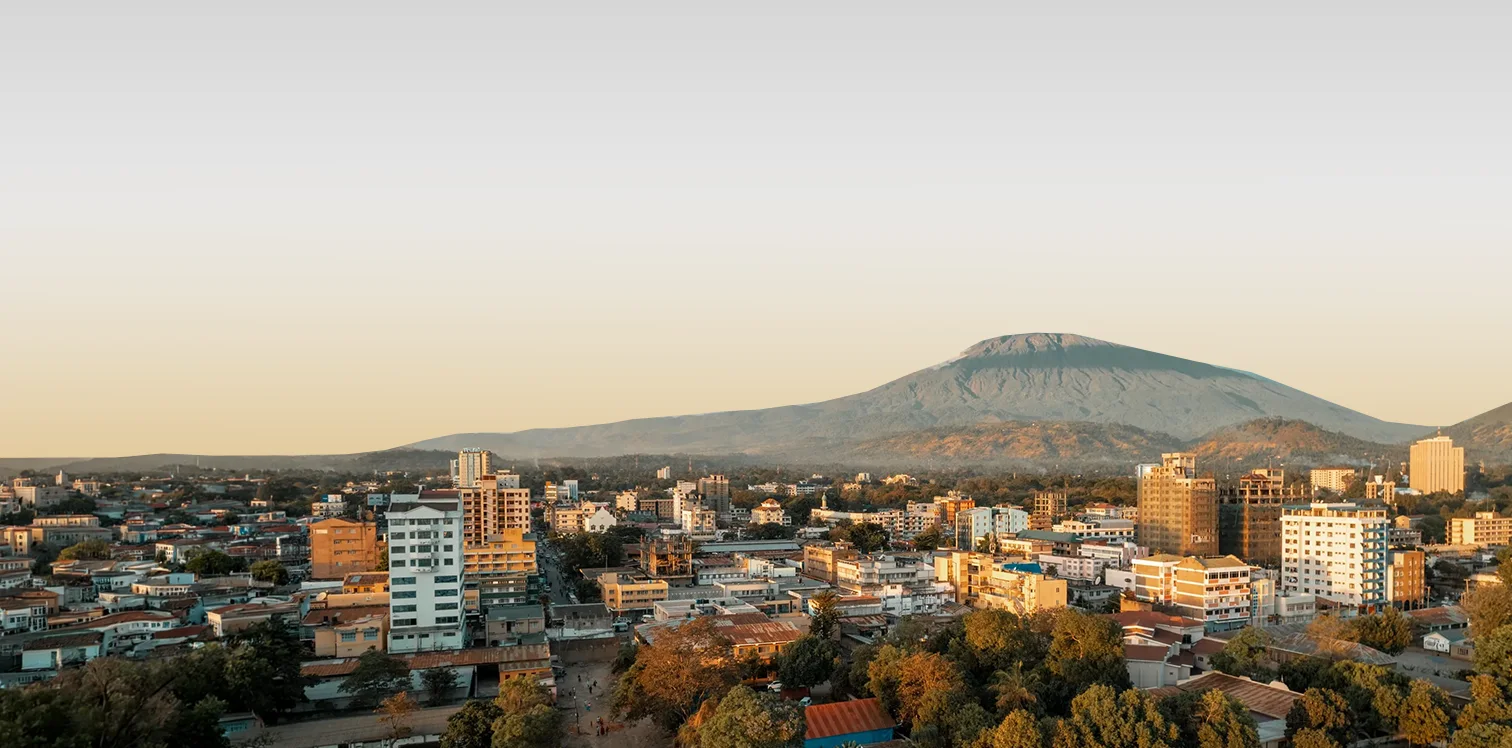
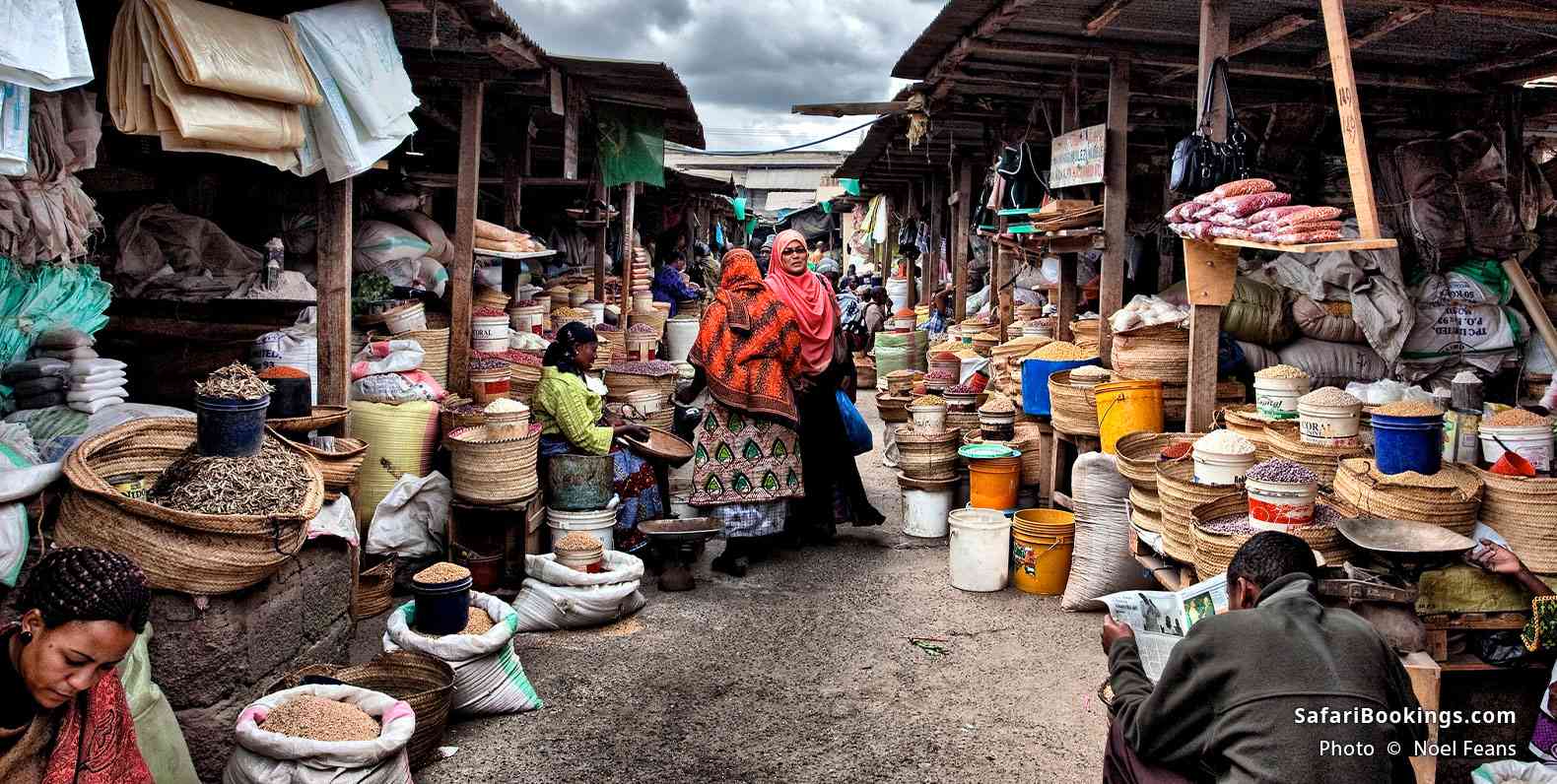
Spend the day resting and drinking plenty of water. Arusha is a lively town where you can take a short walk to the central market, but save your energy for the eight days ahead.
In the evening, your lead guide comes to the hotel to brief you on the Lemosho Route, from the remote western trailhead to summit night. They check your clothing and equipment piece by piece, and help you rent anything you are missing.
Meals: Dinner
Londorossi Gate (2,250 m) to Mti Mkubwa Camp (2,650 m)
Drive 3–4 hrs · Hike 3–4 hrs · 6 km
After breakfast, drive west around the mountain, through farmland and small villages, to Londorossi Gate (2,250 m), a journey of about 3–4 hours. While your guide completes the registration, you meet your crew and have lunch. Then a short drive along a forest track brings you to the Lemosho Glades trailhead.
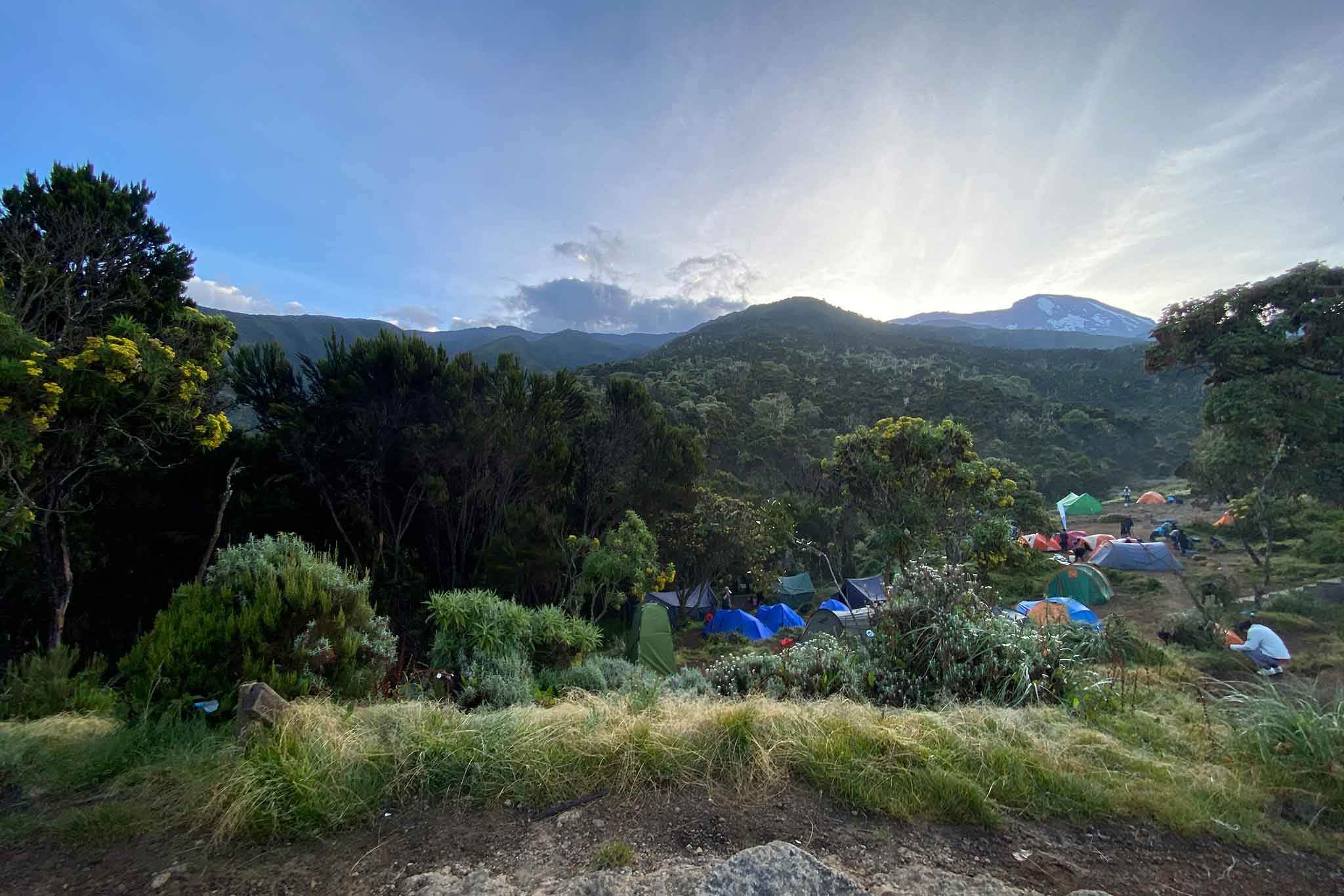
The walk today is gentle, about 3–4 hours through pristine rainforest. This western side of the mountain receives few climbers, and the forest is quiet except for birdsong. Look out for black-and-white colobus and blue monkeys, and signs of buffalo and elephant, which occasionally pass through this area.
Arrive at Mti Mkubwa ('Big Tree') Camp (2,650 m), set among tall forest trees. After a health check and a hot dinner, fall asleep to the sounds of the forest.
Meals: Breakfast, Lunch, Dinner
Mti Mkubwa to Shira 1 Camp (3,500 m)
Hike 5–6 hrs · 8 km
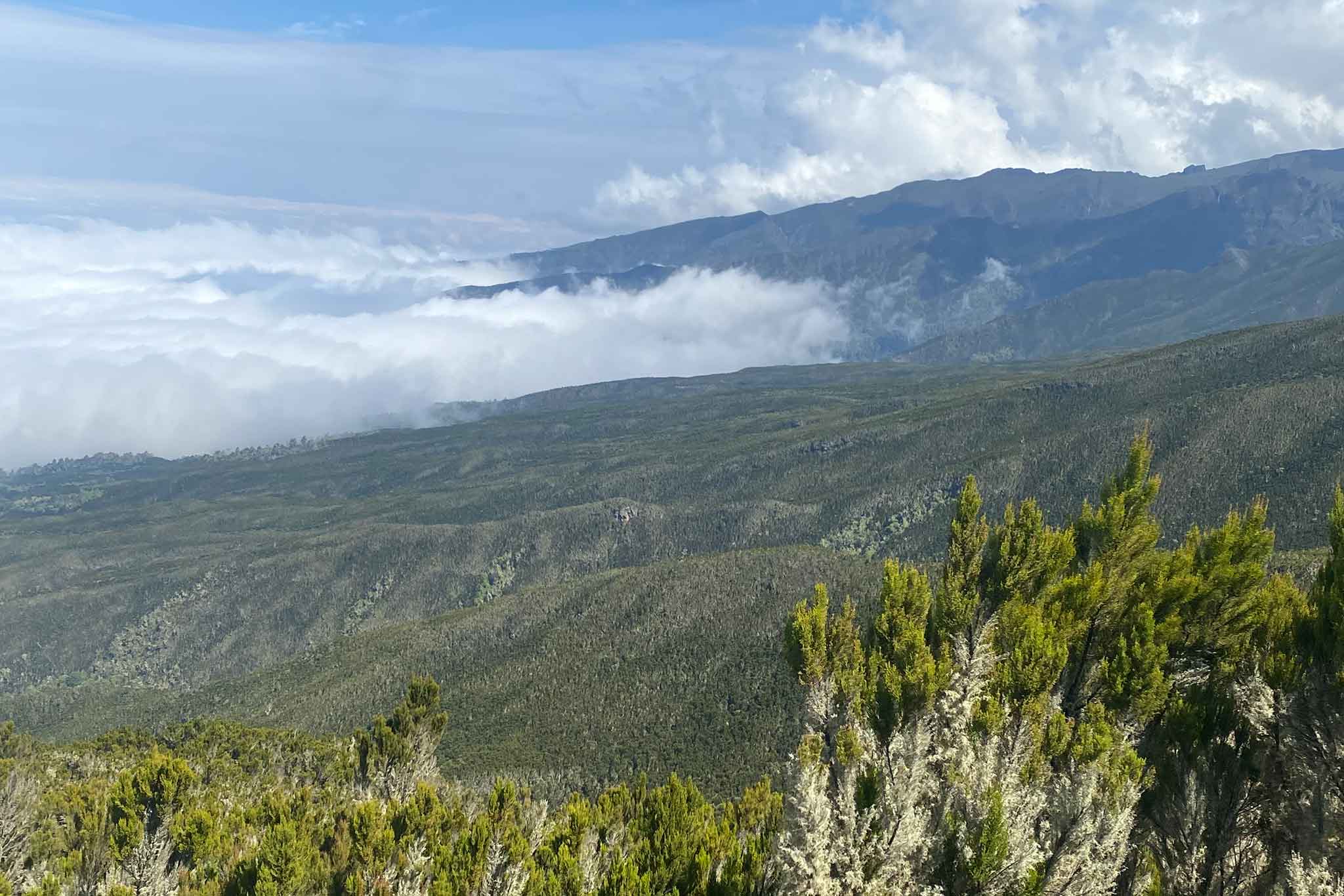
Today you leave the rainforest and enter the giant heather and moorland zone. The trail climbs steadily over ridges, with the vegetation getting lower and the views getting bigger.
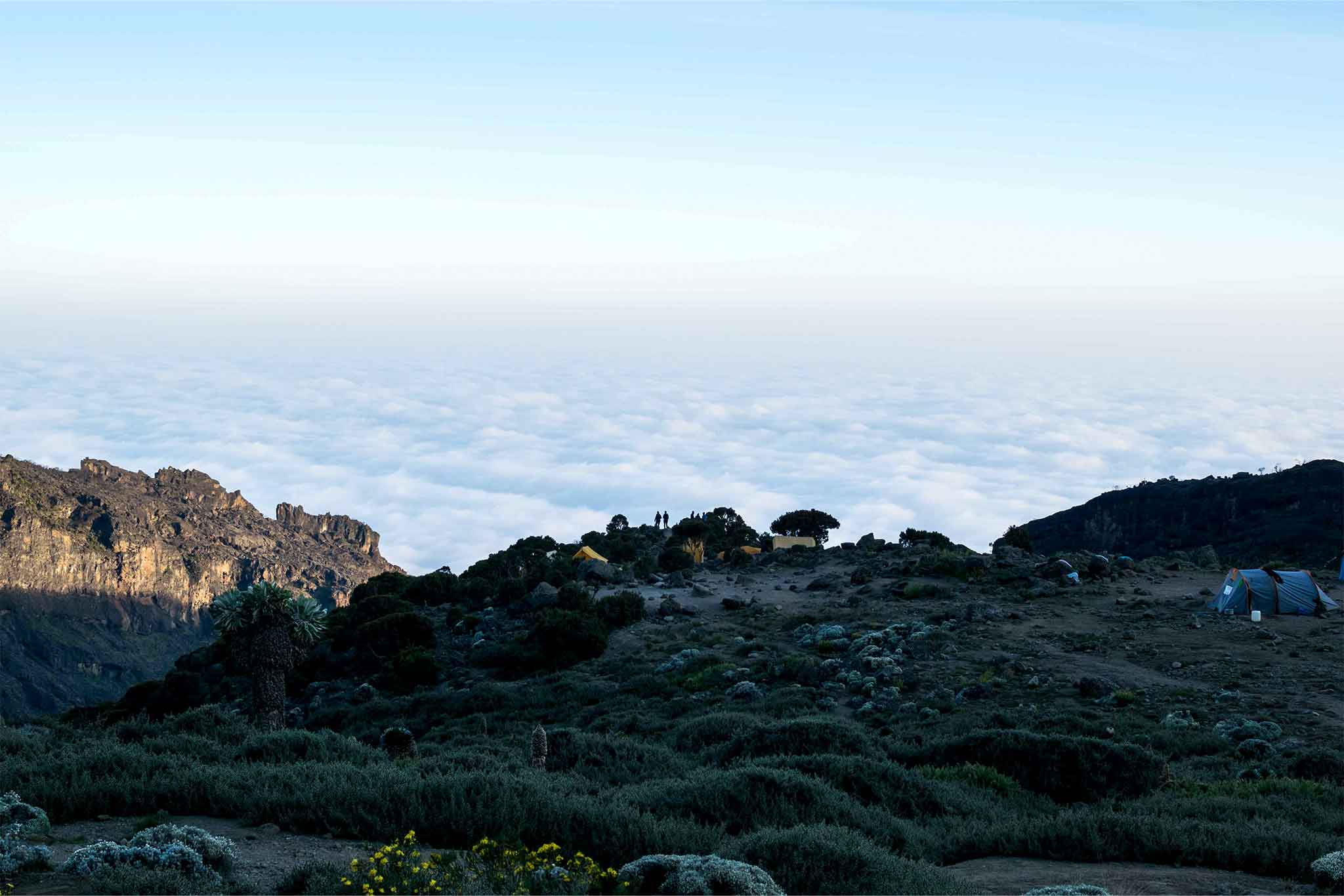
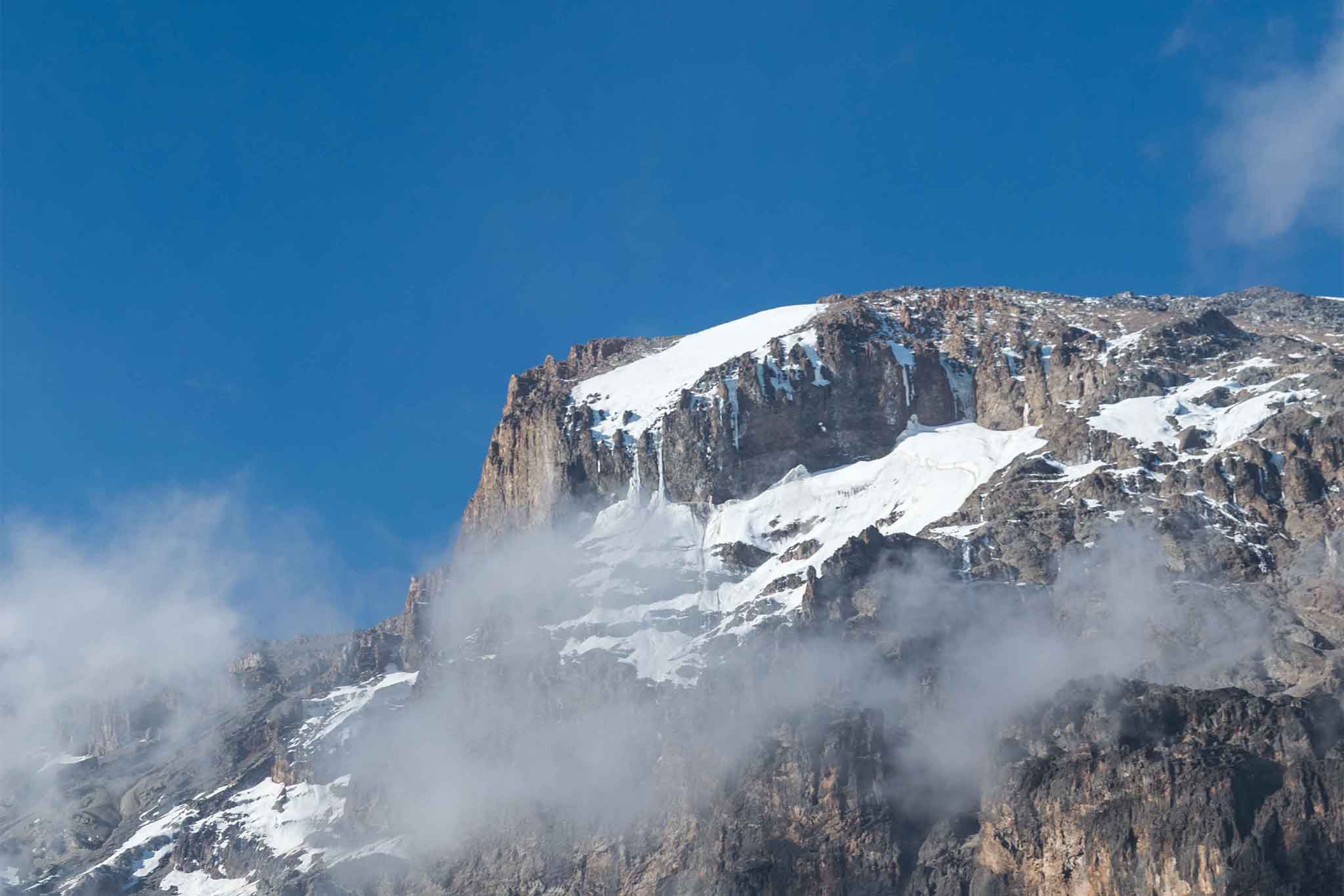
Around lunchtime, you cross the rim of the ancient Shira volcano and see the vast Shira Plateau spread out before you, with Kibo's glaciers rising beyond it. It is one of the great views of the climb.
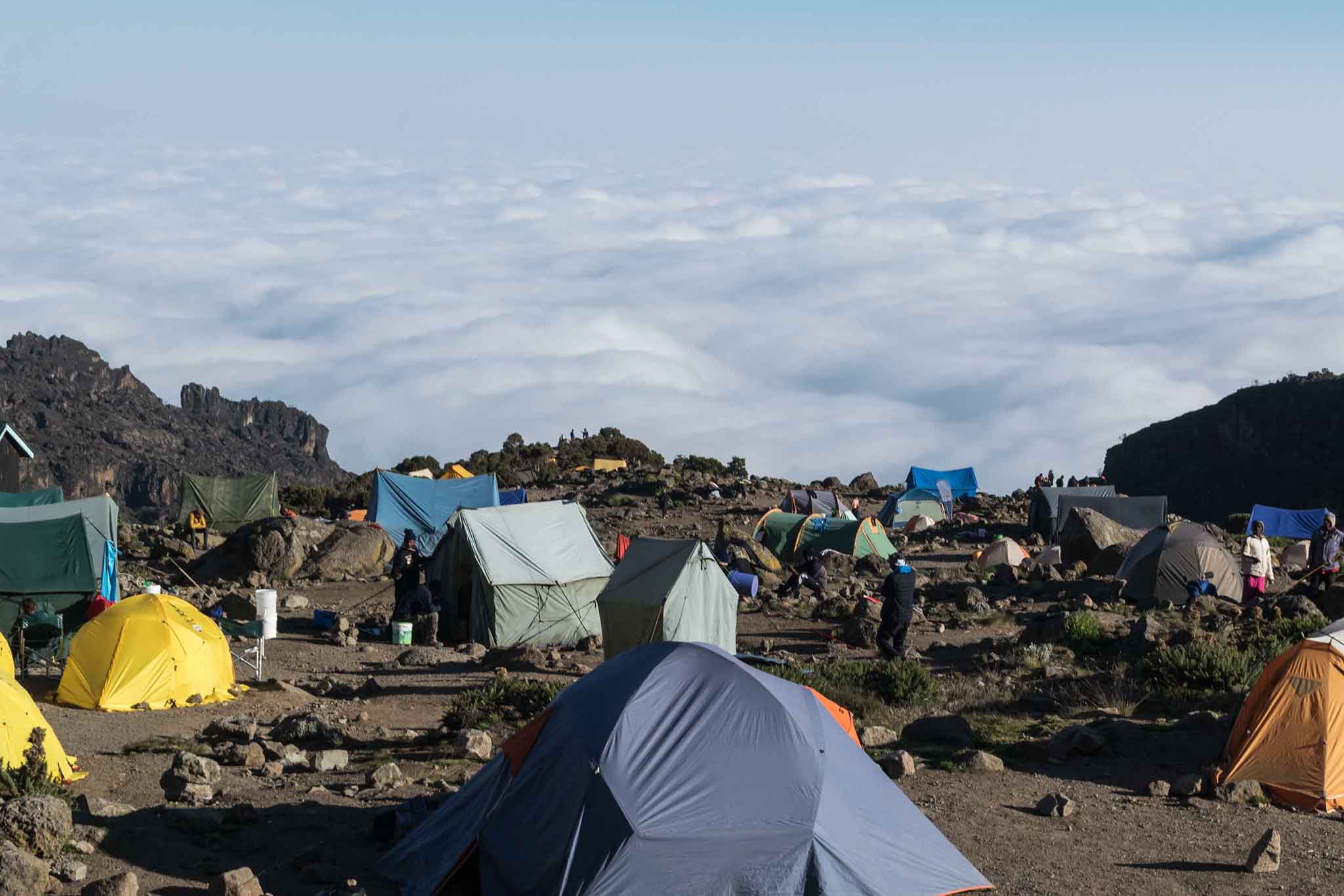
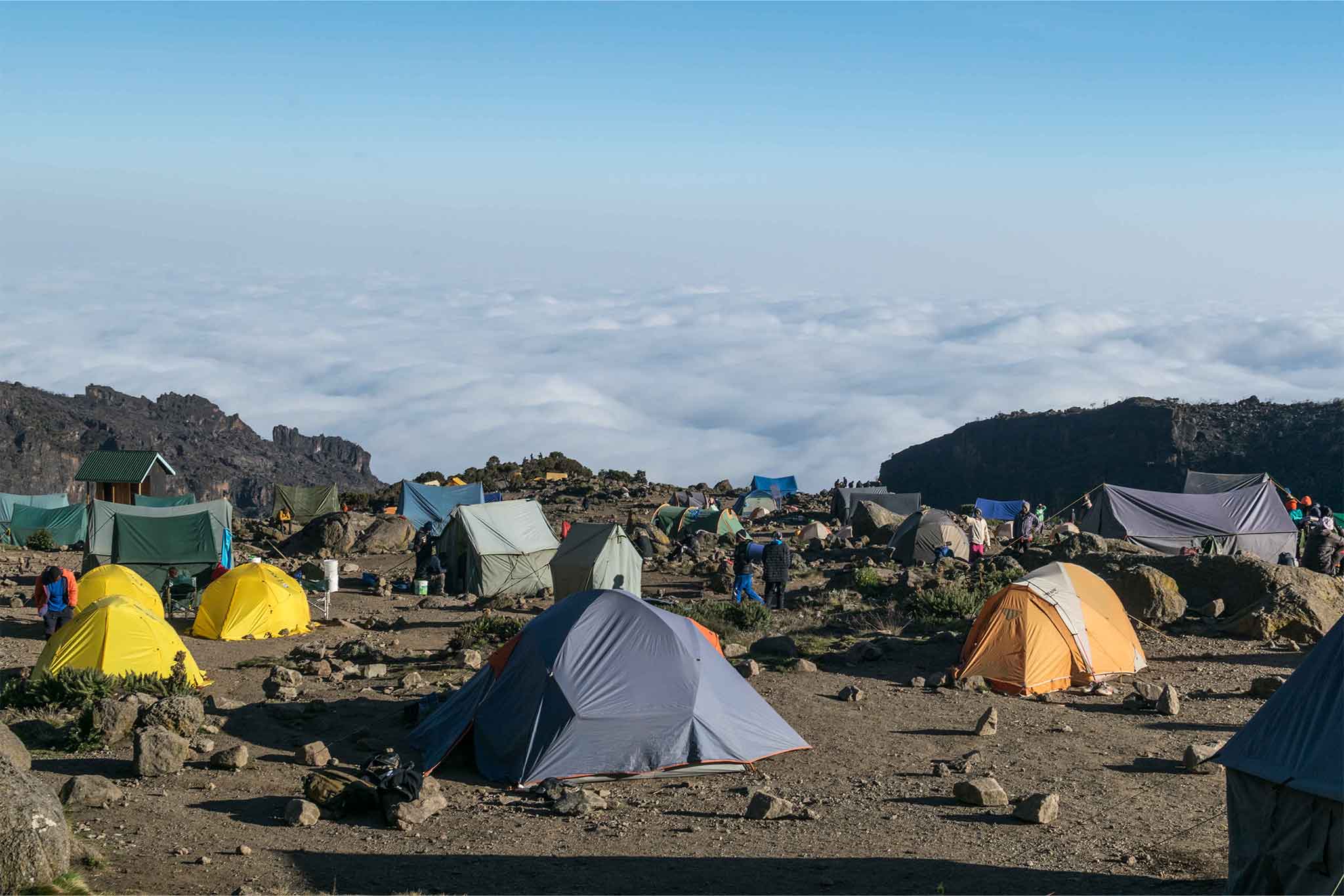
Descend gently onto the plateau to Shira 1 Camp (3,500 m), where you have the afternoon to rest and enjoy the views. The night will be cold, so put on your warm layers after sunset.
Meals: Breakfast, Lunch, Dinner
Shira 1 to Shira 2 Camp (3,850 m)
Hike 4–5 hrs · 10 km
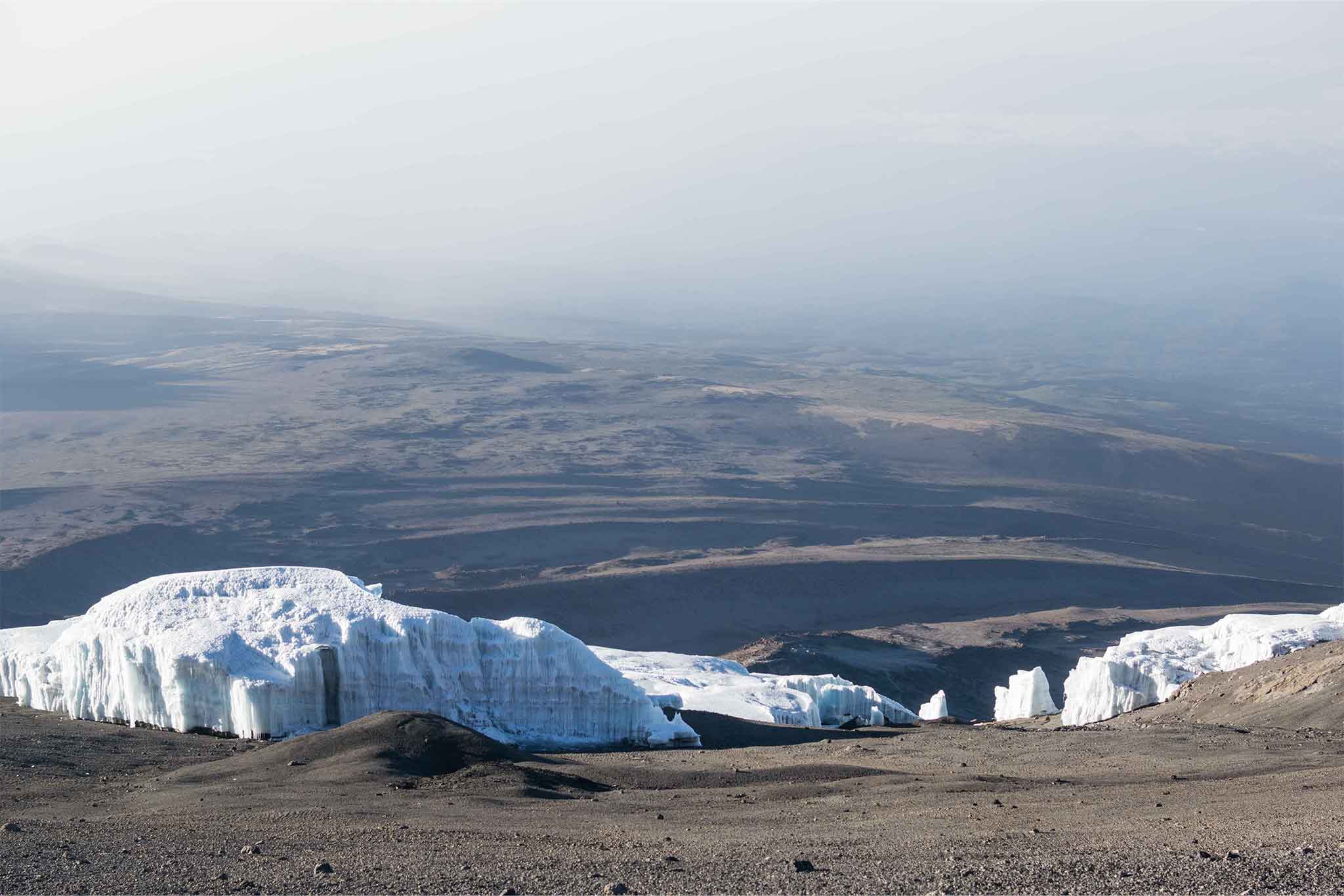
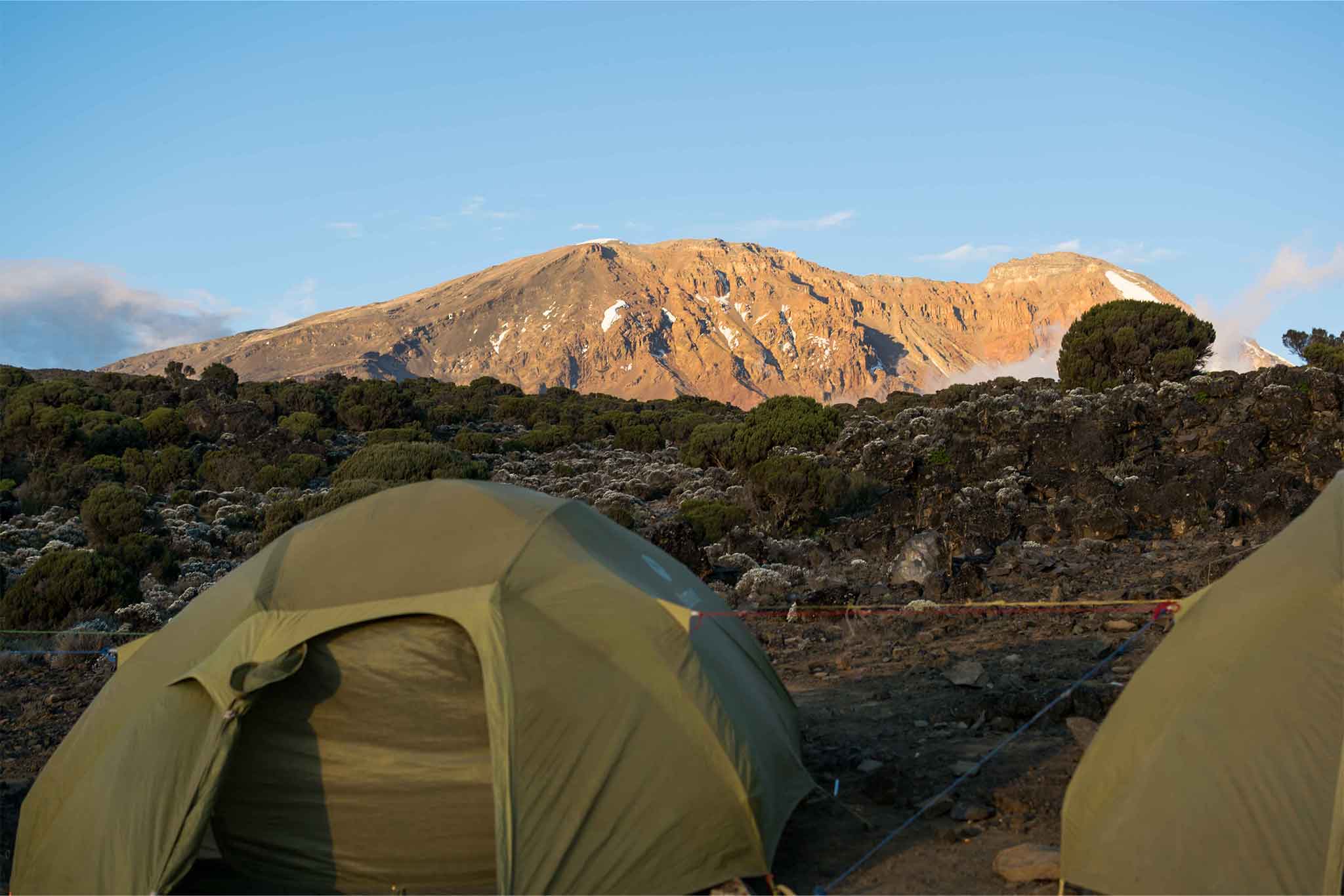
A relaxed day crossing the Shira Plateau from west to east, on almost flat ground, at around 3,600–3,850 m. The open moorland is dotted with heather and everlasting flowers, and the summit of Kibo dominates the view ahead.
With your guide, you can take a short detour to Shira Cathedral, a dramatic rock buttress with views over the plateau. The easy pace and gradual height gain are excellent for acclimatisation.
Arrive at Shira 2 Camp (3,850 m) for lunch, where you join the Machame Route. Spend the afternoon resting, and in the evening watch Mount Meru appear above the clouds.
Meals: Breakfast, Lunch, Dinner
Shira 2 to Lava Tower (4,600 m) to Barranco Camp (3,960 m)
Hike 6–8 hrs · 10 km
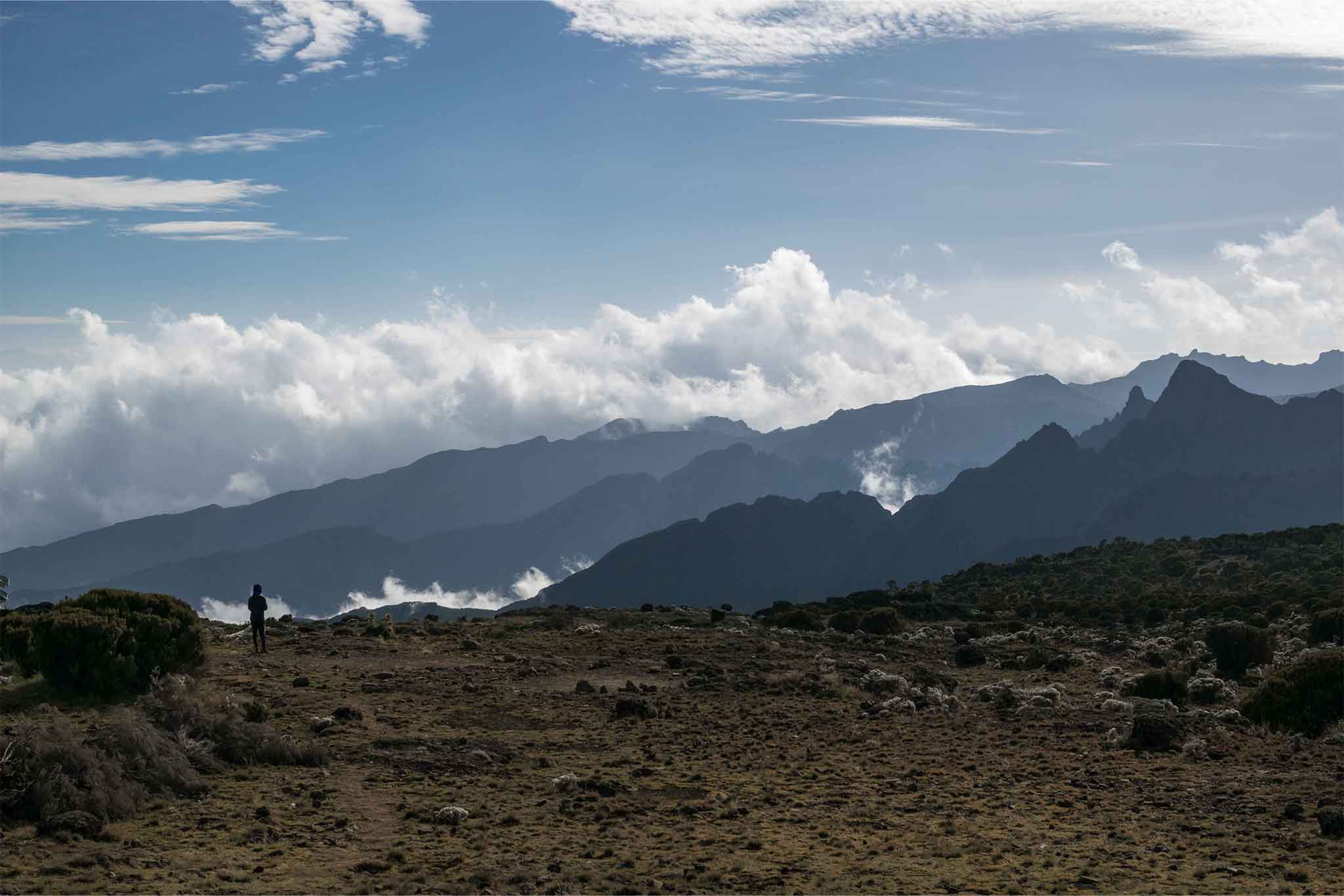
Leave Shira 2 Camp and head east across rocky ground towards the Lava Tower, a dark volcanic tower that stands about 90 metres tall. It is a steady climb, and you reach the tower, at 4,600 m, in time for a hot lunch.
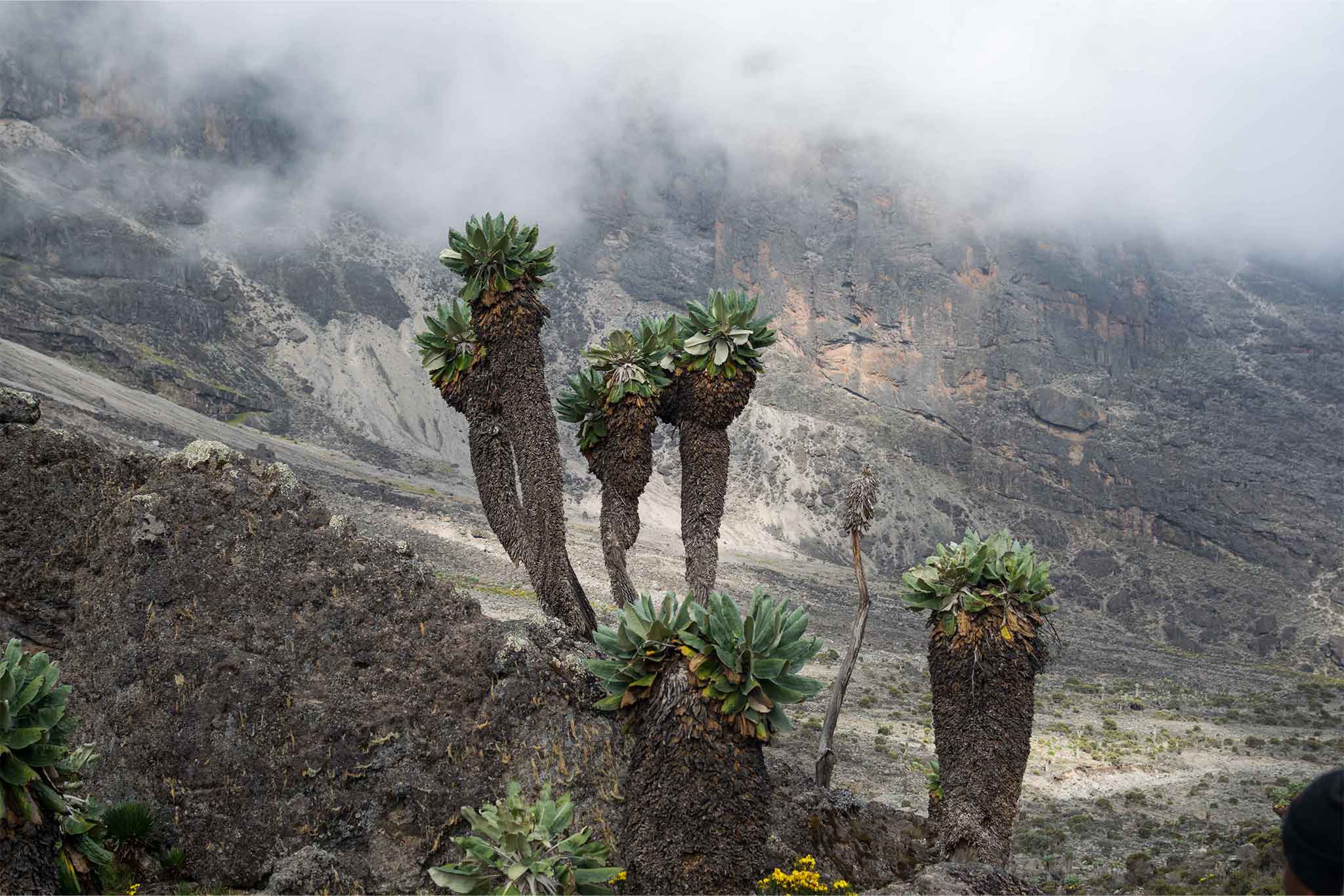
Many climbers feel the thinner air here, which is why this day matters so much: after lunch you descend to sleep lower down, giving your body time to adapt. The trail drops steeply into the Barranco Valley, past strange giant groundsels and lobelias that grow only on East Africa's highest mountains.
Camp tonight at Barranco Camp (3,960 m), beneath the towering Breach Wall. As the sun sets, the glaciers above you glow pink and gold.
Meals: Breakfast, Lunch, Dinner
Barranco Camp to Karanga Camp (3,995 m)
Hike 4–5 hrs · 5 km
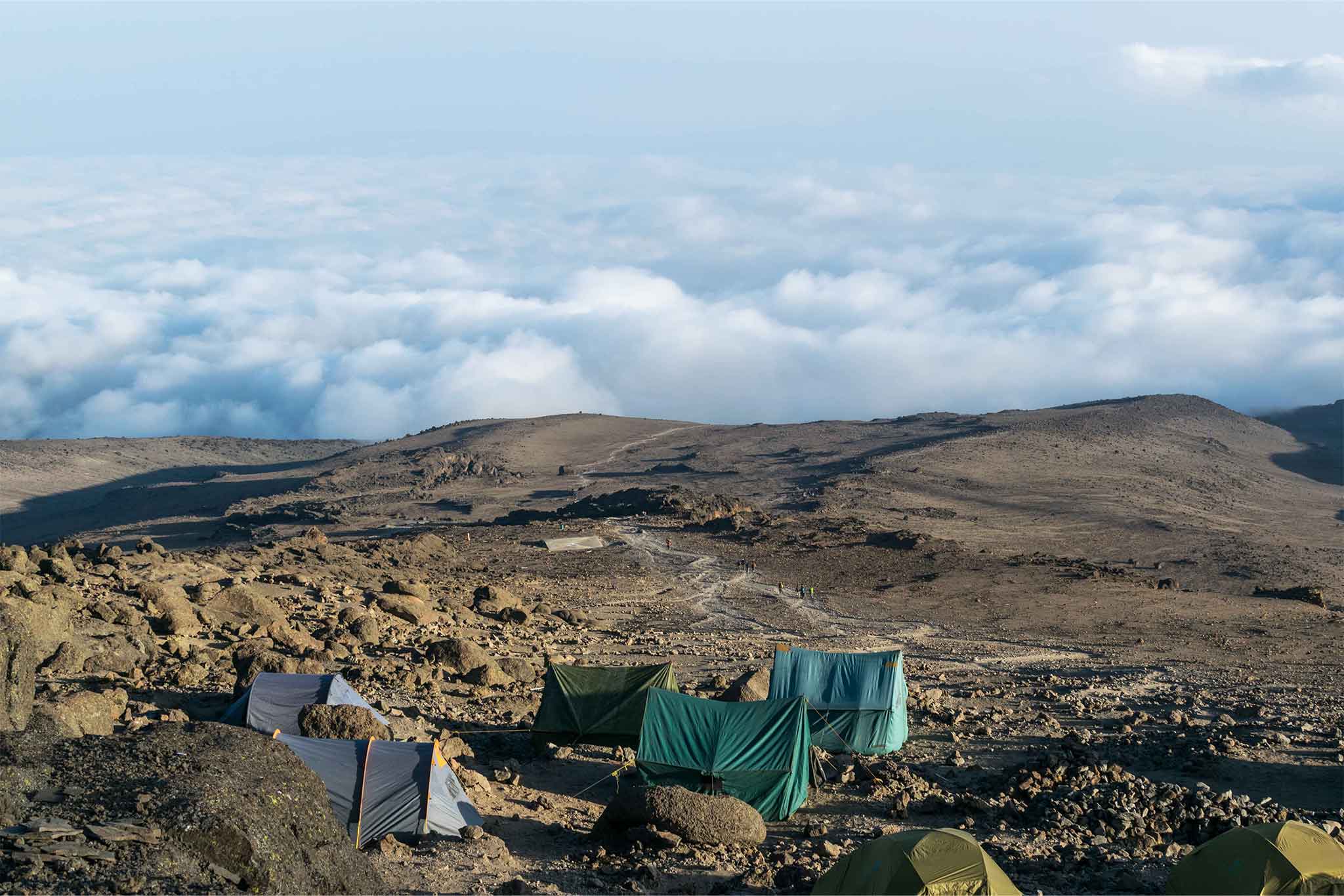
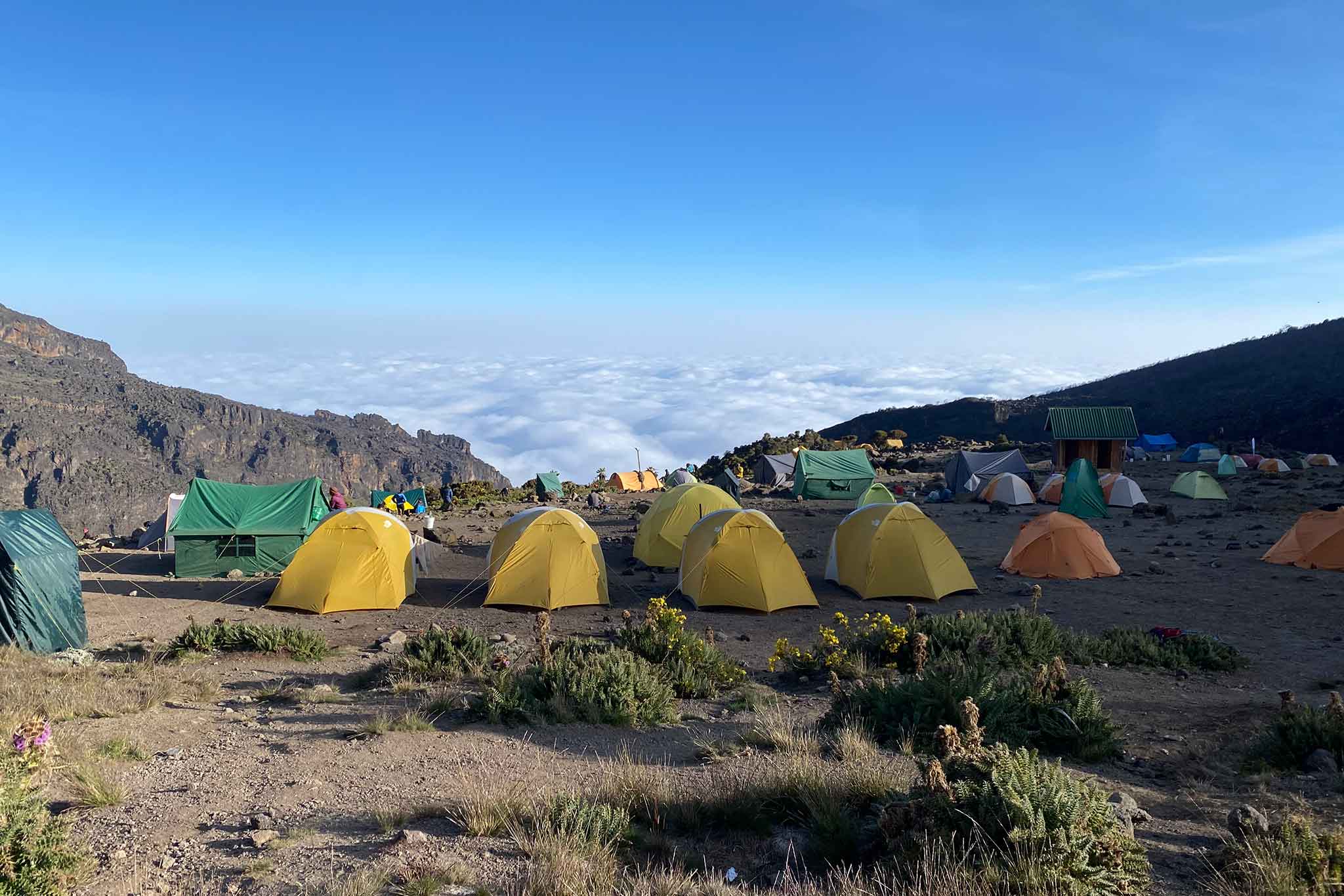
Today begins with a climb up the Barranco Wall, a steep rocky face that looks harder than it is. There is a clear path, and you will sometimes use your hands to scramble up, with your guides close by. At the top, around 4,200 m, the views of Kibo's glaciers and the clouds below are spectacular.
The route then rolls across ridges and small valleys before a short, steep climb to Karanga Camp (3,995 m), where you arrive for lunch.
The afternoon is free for resting. Your porters collect water here, as it is the last source before the summit.
Meals: Breakfast, Lunch, Dinner
Karanga Camp to Barafu Camp (4,673 m)
Hike 4–5 hrs · 4 km
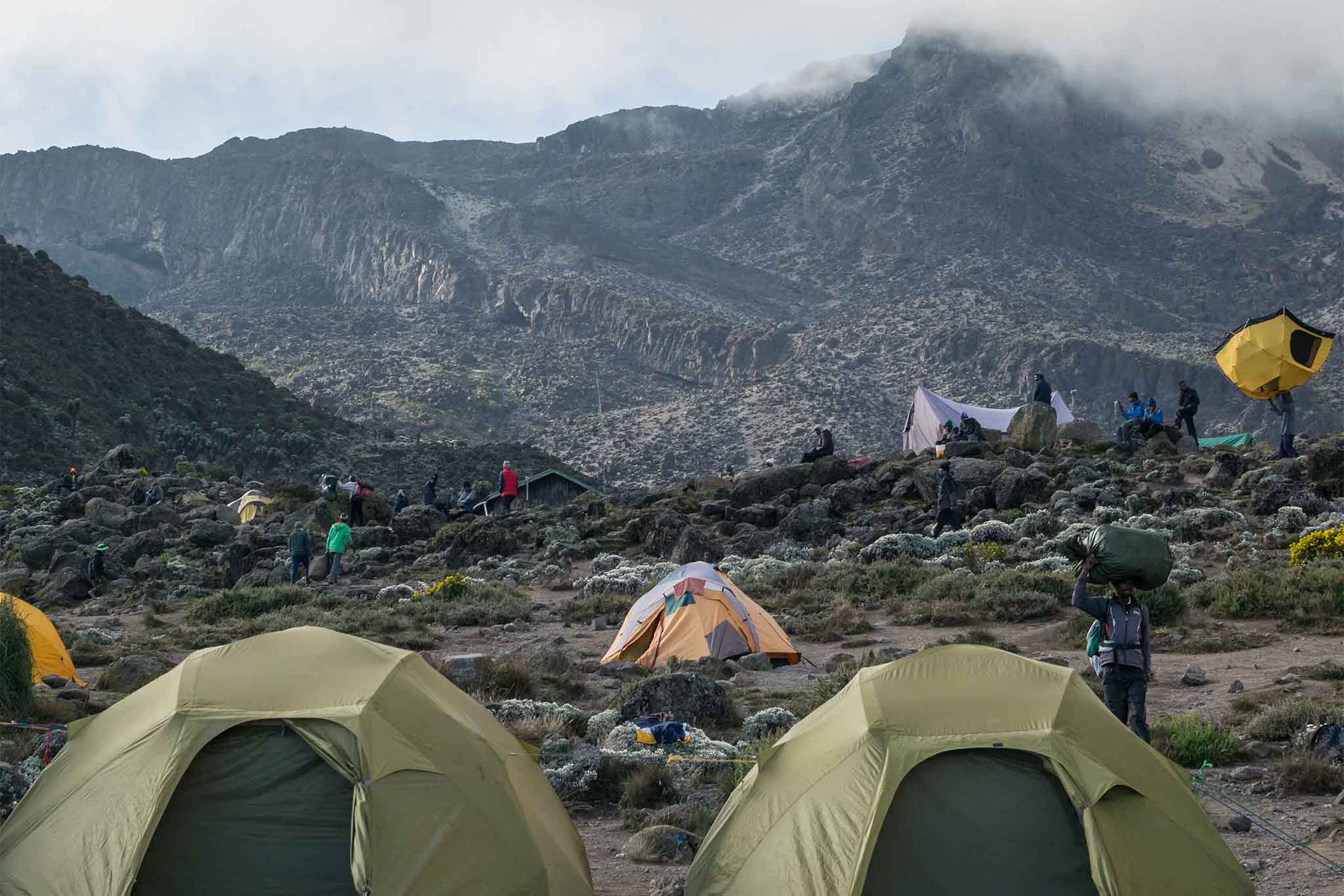
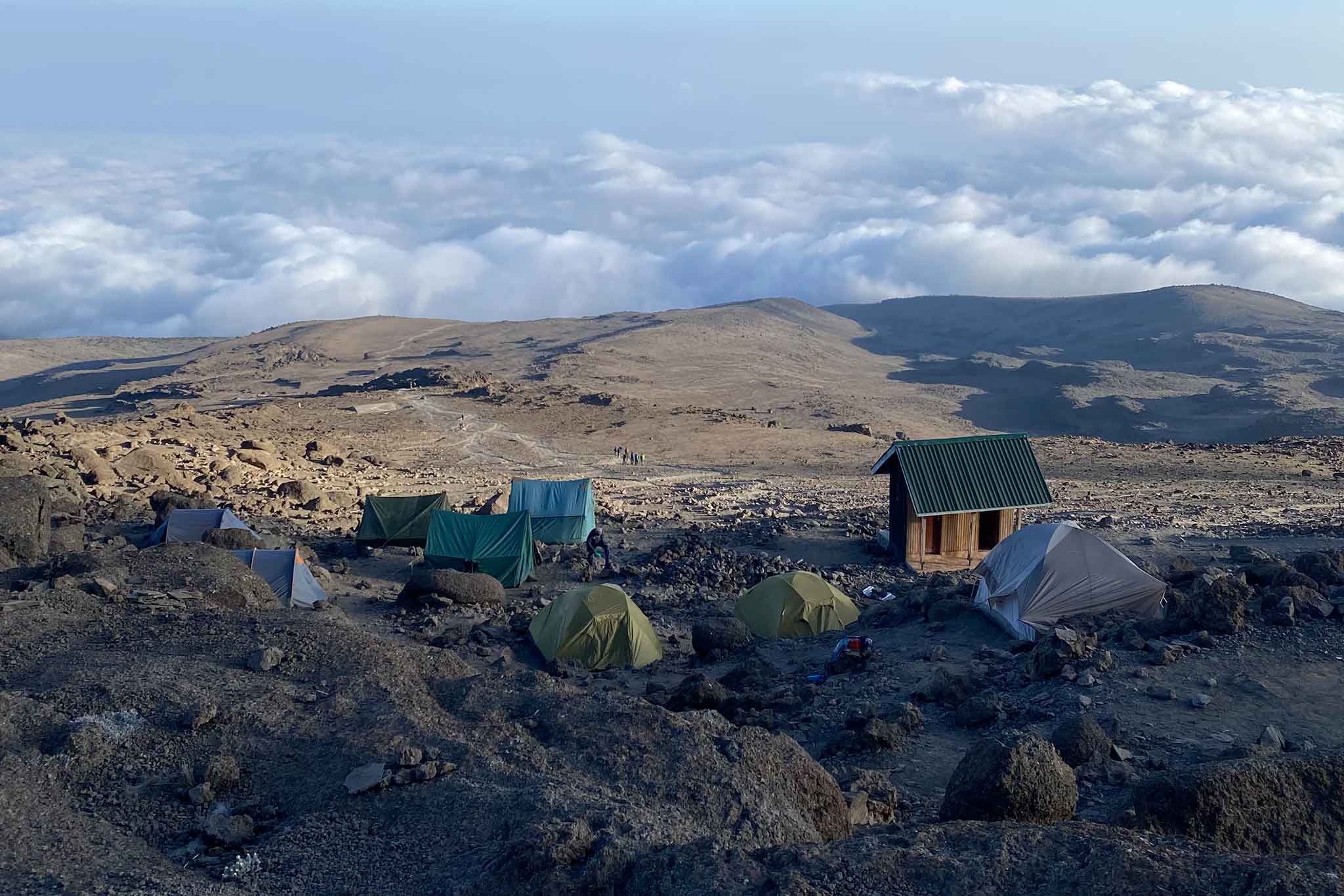
A short, steady walk takes you from Karanga up through bare, rocky alpine desert to Barafu Camp (4,673 m), your base for the summit. Mawenzi's jagged peak rises to the east, and Kibo's summit cone looms directly above.
After lunch, your guide gives you a detailed summit briefing: which layers to wear, how to keep your water and batteries from freezing, and what the hours ahead will be like. Lay out your clothes and pack your daypack before resting.
An early dinner is served around 5 p.m., and you head to your sleeping bag soon after.
Meals: Breakfast, Lunch, Dinner
Summit day
Uhuru Peak (5,895 m) and descent to Mweka Camp (3,100 m)
Hike 12–15 hrs · 17 km
Summit night begins just before midnight. After tea and biscuits, you set out in all your warm layers, following the light of your headlamp as the trail zigzags up loose scree. It is cold and the air is thin, so your guides keep a slow, steady rhythm, with short stops to drink and eat.
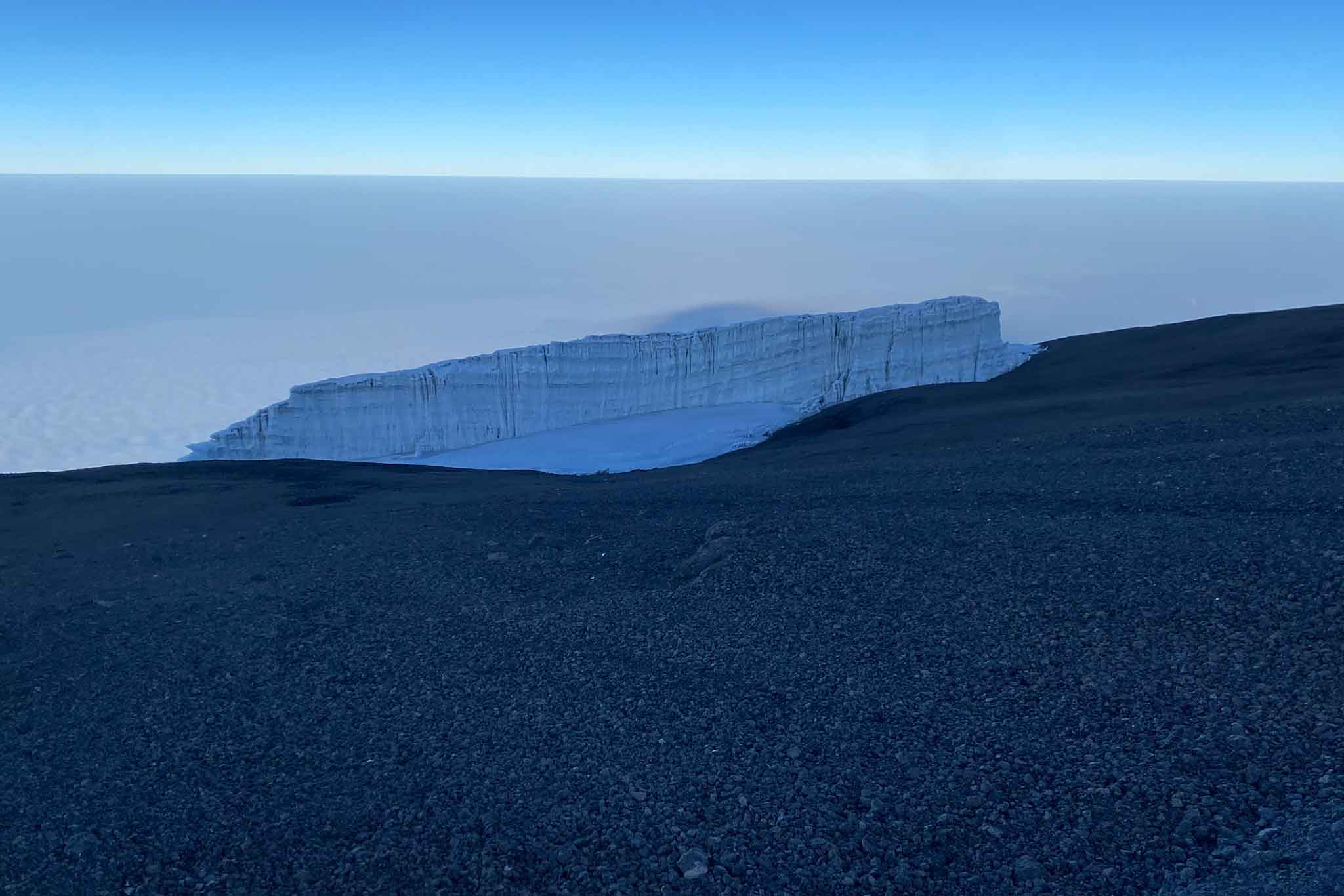
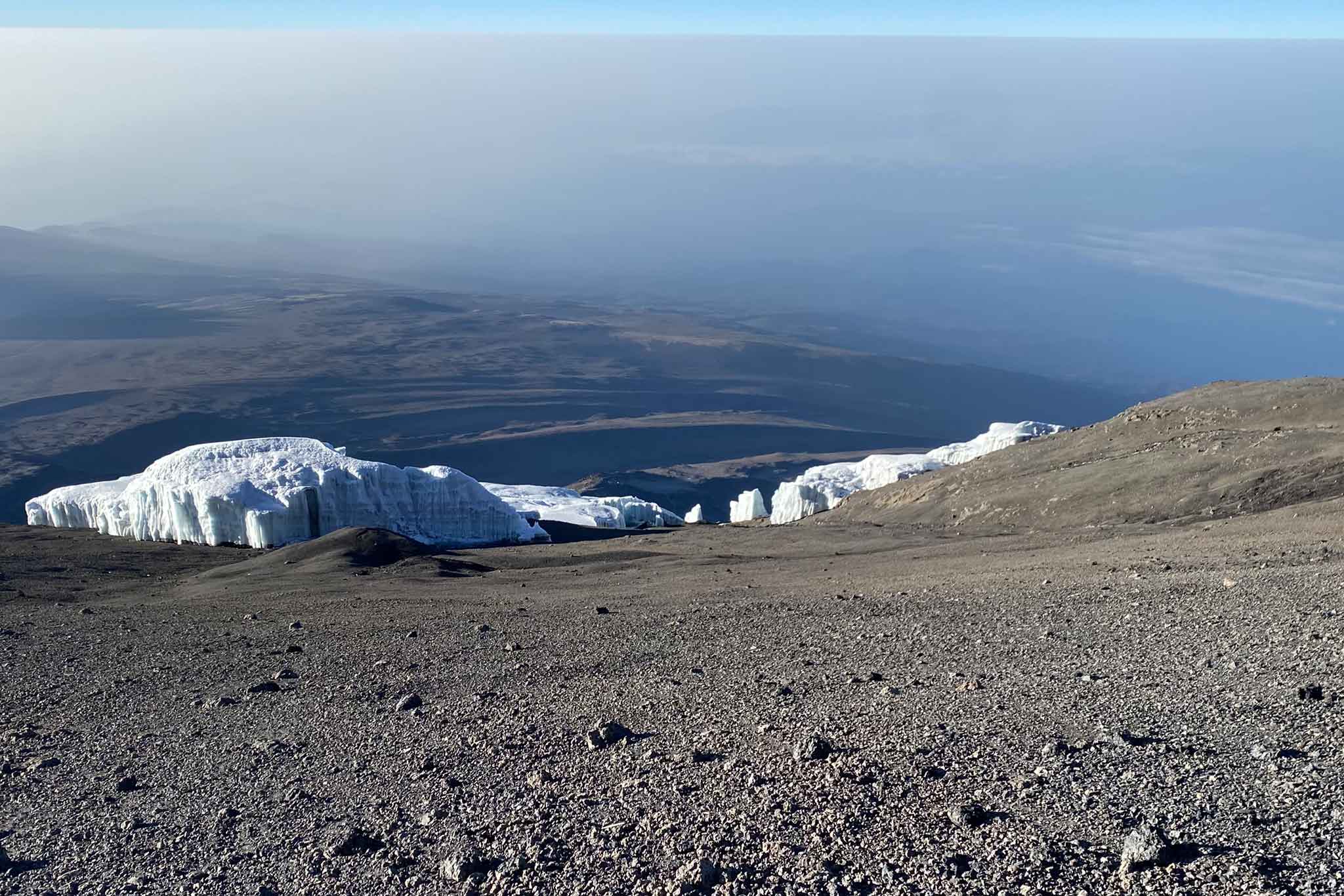
As dawn breaks, you reach Stella Point (5,756 m) on the crater rim, with the sun rising over Mawenzi and the ice cliffs glowing around you. From here, it is about another hour along the rim to Uhuru Peak (5,895 m), the highest point in Africa. Celebrate, take your summit photos and take in the view of the glaciers and the clouds far below.
After a short time at the top, descend to Barafu for rest and a hot meal, then continue down to Mweka Camp (3,100 m). It is a very long day, but every step down makes breathing easier.
Meals: Breakfast, Lunch, Dinner
Mweka Camp to Mweka Gate (1,640 m), transfer to Arusha
Hike 3–4 hrs · 10 km · Drive ~2 hrs
Your last morning on Kilimanjaro begins with a celebration: your guides, cook and porters gather to sing songs about the mountain and congratulate you. It is also the customary time to thank the crew with their tips.
The trail down to Mweka Gate (1,640 m) passes through rainforest full of birdsong, and takes about 3–4 hours. At the gate, you sign out and collect your summit certificate.
Drive about 2 hours back to your hotel in Arusha for a hot shower, a soft bed and a well-earned celebration dinner.
Meals: Breakfast, Lunch
Departure
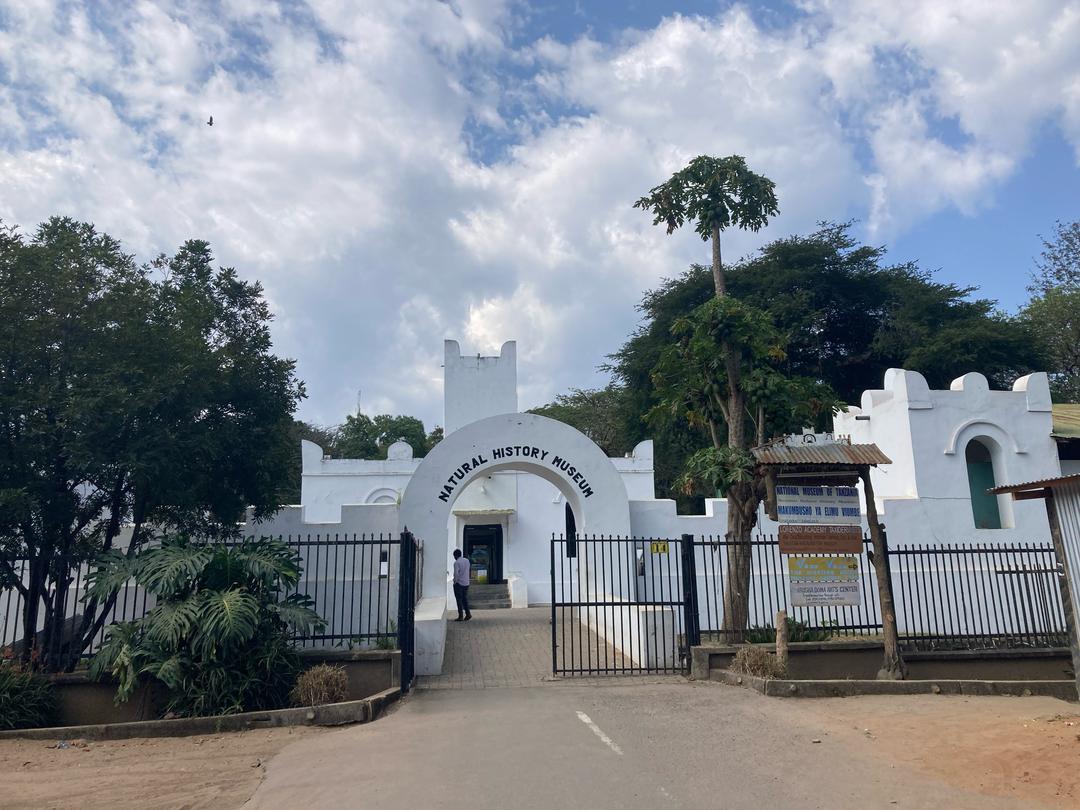
No early wake-up today. Enjoy a long breakfast and a slow morning at the hotel, or explore Arusha's Maasai market and the Cultural Heritage Centre.
At the agreed time, your driver takes you to Kilimanjaro International Airport for your flight home, or on to a safari or Zanzibar if you are continuing with us. Hongera, congratulations on reaching the Roof of Africa!
Meals: Breakfast
You've reached the end of your adventure
Where you stay
Accommodations
Best time to travel
Lemosho is at its best in Kilimanjaro's two dry seasons. From late June to October, the western forest is drier underfoot, and the Shira Plateau offers clear, sweeping views. From January to early March, the weather is a little warmer, and the trail is quieter, with the summit often dusted with fresh snow.
Dry season (late June–October, January–early March)
The best conditions for crossing the Shira Plateau and the highest summit success.
Wet season (late March–May and November)
The western rainforest receives a lot of rain, making the first days muddy and slippery, so we usually suggest the Rongai Route at this time.
Safari includes & excludes
Inclusions
- Airport pick-up and drop-off at Kilimanjaro International Airport
- Hotel nights before and after the climb in your chosen tier, on bed & breakfast
- All park entry, camping/hut and rescue fees
- Licensed mountain guide(s), assistant guides, cook and porters (1 guide to 2 climbers)
- Fair wages for the whole crew, in line with KPAP porter-welfare guidelines
- Quality mountain tents, sleeping mats, mess tent with table and chairs
- All meals on the mountain, freshly prepared, plus boiled and treated drinking water
- Daily health checks with pulse oximeter; emergency oxygen and first-aid kit
- Transfers to and from the trailhead
- Summit certificate
Exclusions
- International flights and Tanzanian visa
- Travel insurance covering trekking to 6,000 m and emergency evacuation (compulsory)
- Tips for the mountain crew (see our tipping guideline)
- Personal climbing gear (rental available: sleeping bags, poles, jackets, gaiters)
- Private toilet tent (available on request)
- Lunch and dinner at the hotel, drinks and personal expenses
Why choose this safari
For climbers who can spare an extra day, Lemosho gives the best possible chance of standing on the summit, with a quieter, wilder start to the climb.
- One of the highest summit success rates, thanks to 8 days on the mountain
- Remote western trailhead with few other climbers
- The full crossing of the Shira Plateau
- More time to enjoy the mountain at a gentle pace
- Option to add a night at Crater Camp near the summit
Best for: Best for Adventure seekersA longer, wilder expedition across the whole mountain Someone looking for something newA quiet trailhead far from the crowds PhotographyShira Plateau panoramas, glaciers and summit sunrise Group travelIdeal for groups who want the best odds of all summiting together Solo travellersPrivate climbs from one person
Tailormake your journey
Add these must-do experiences
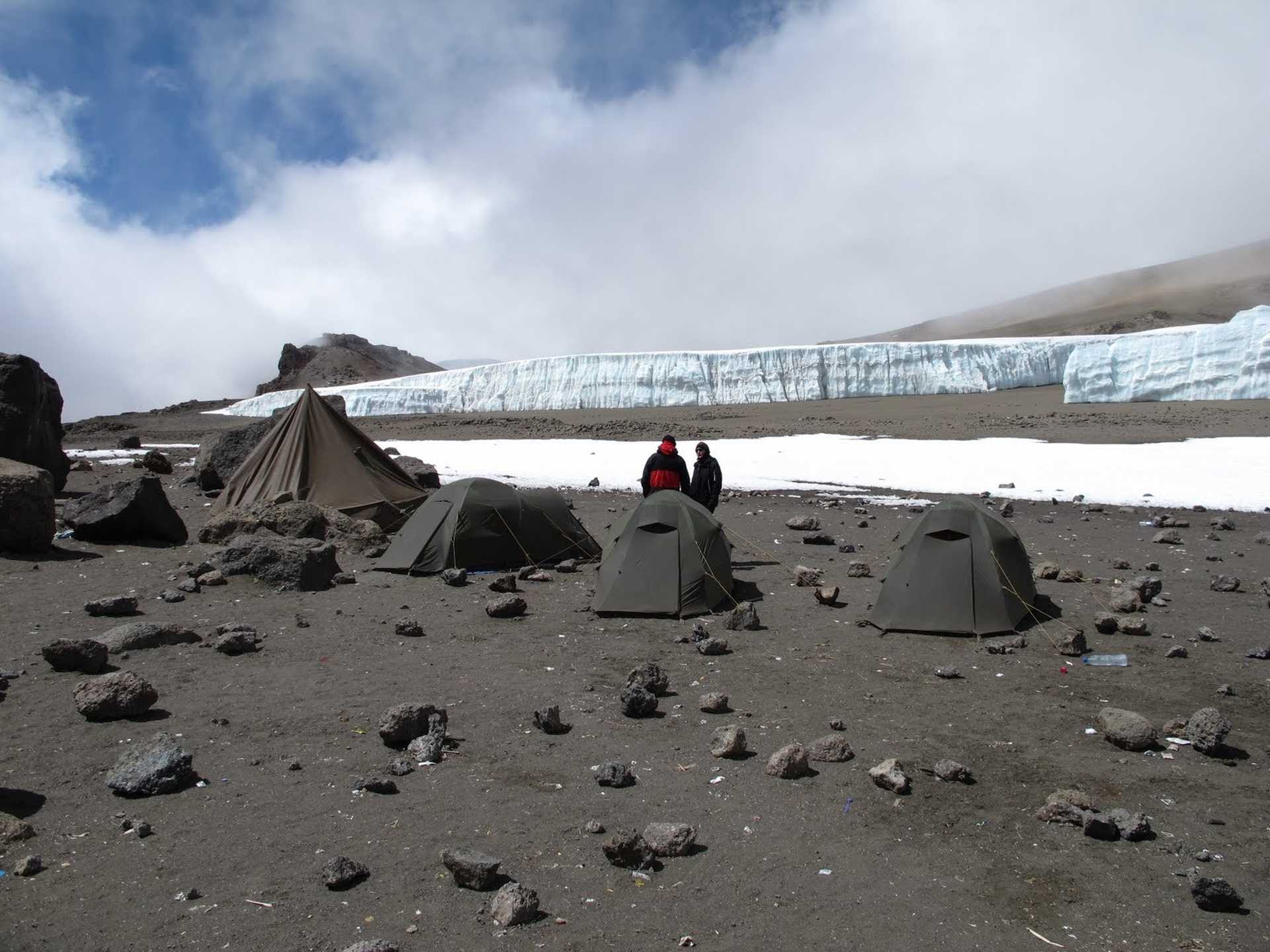
Crater Camp overnight
Summit day
For experienced, well-acclimatised climbers: spend a night at Crater Camp (around 5,730 m) inside the summit crater, visit the Furtwängler Glacier and the Reusch Crater ash pit, and summit Uhuru Peak at dawn the next morning. Subject to guide approval and weather.
Adds 1 day
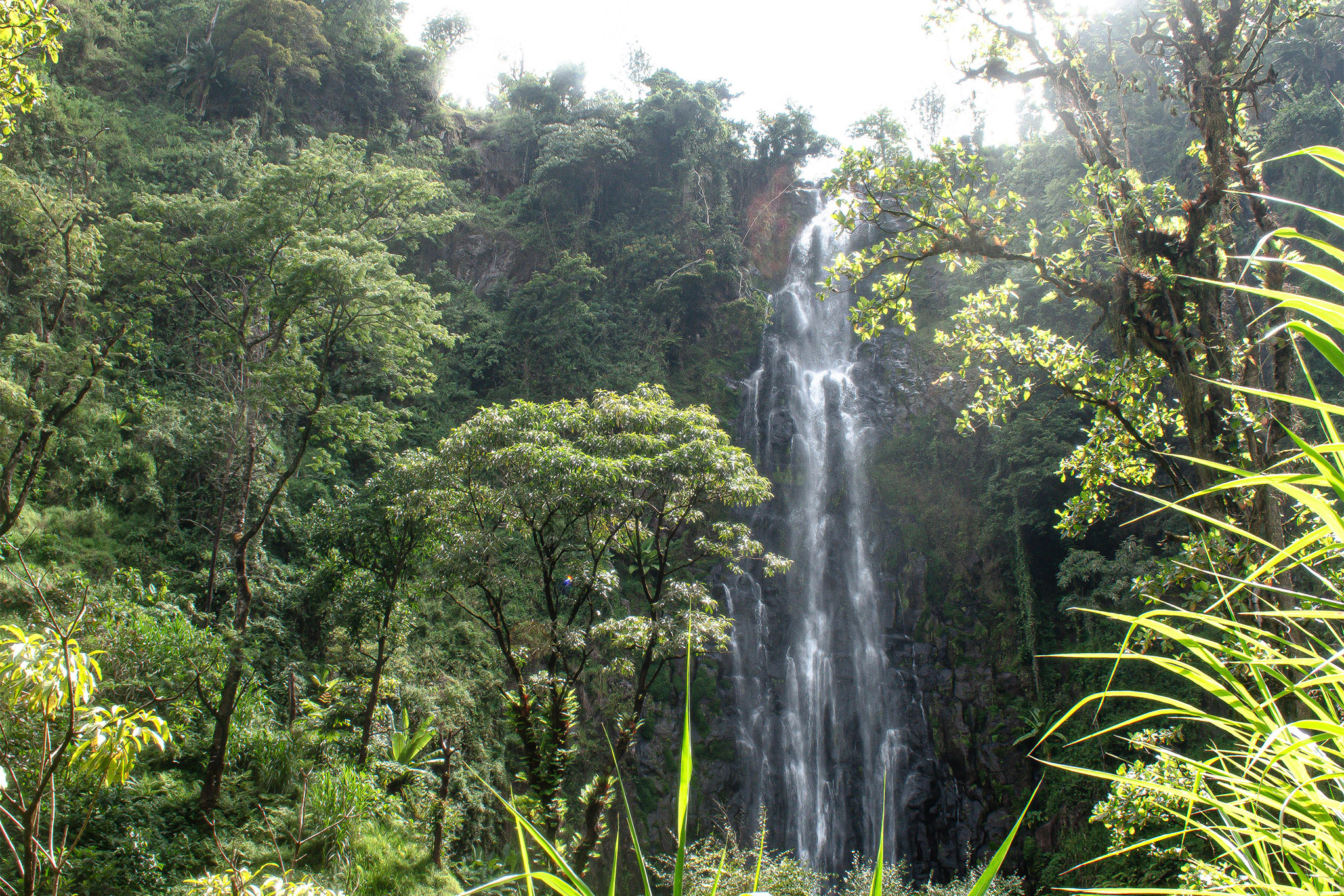
Materuni Waterfalls & Chagga Coffee Tour
Before or after the climb
Spend a day before or after your climb walking to Materuni Falls and tasting coffee grown and roasted by a Chagga family.
Adds 1 day
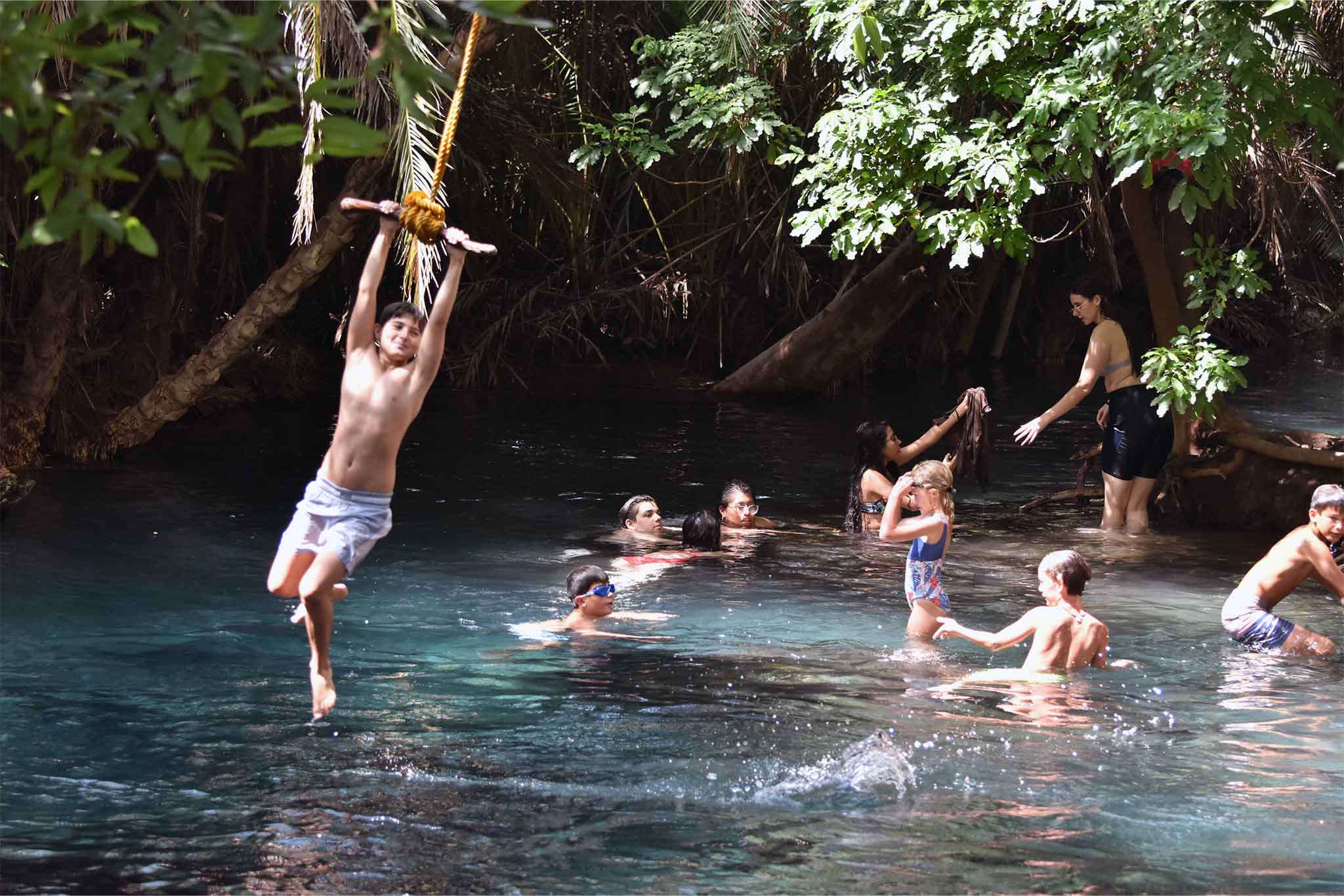
Chemka (Kikuletwa) Hot Springs
After the climb
Relax your tired muscles in the warm, clear water of Chemka Hot Springs after the climb.
Adds 1 day
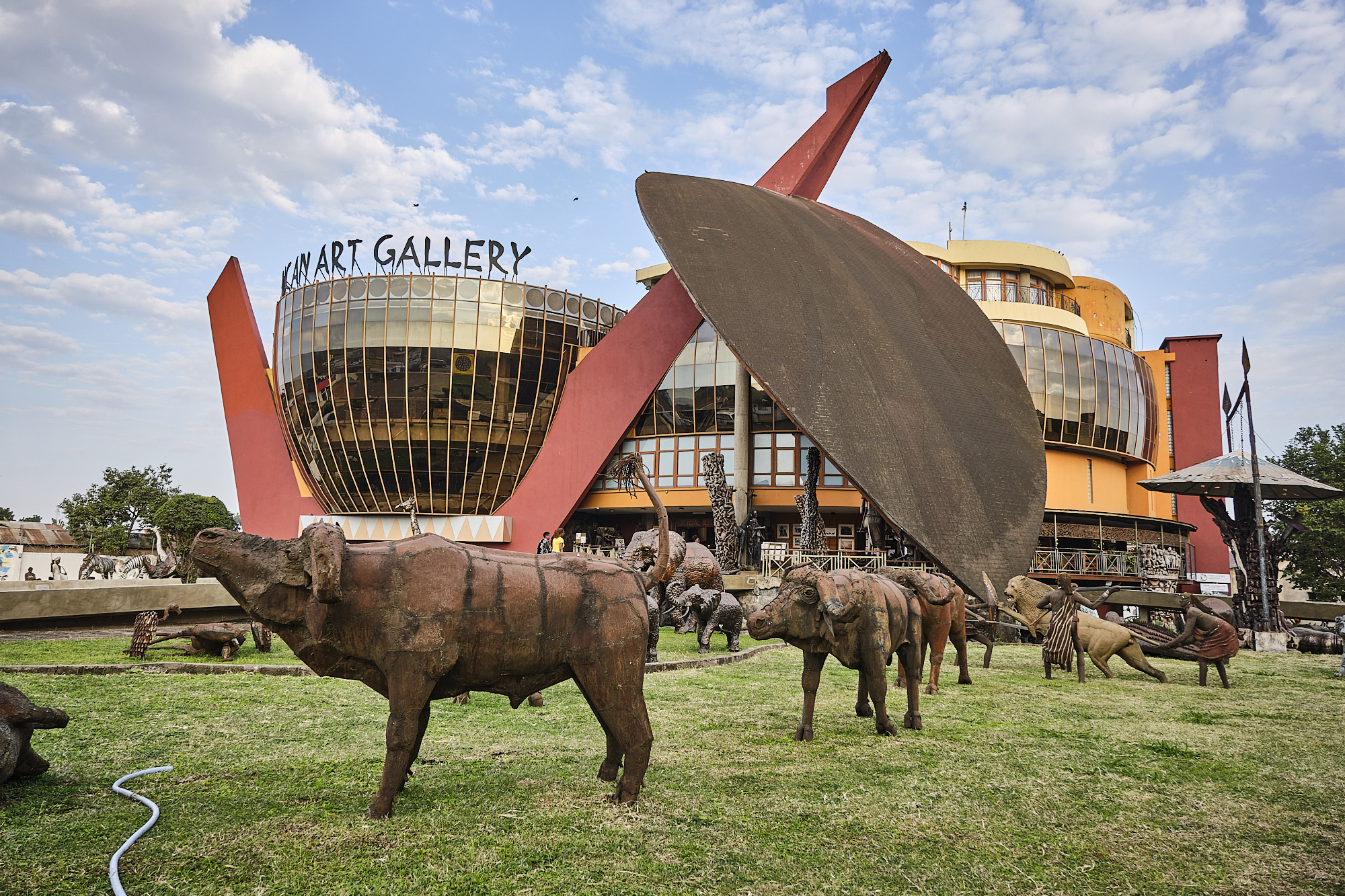
Extra rest day in Arusha
Before the climb
Arriving after a long flight? An extra day in Arusha helps you start the climb rested.
Adds 1 day
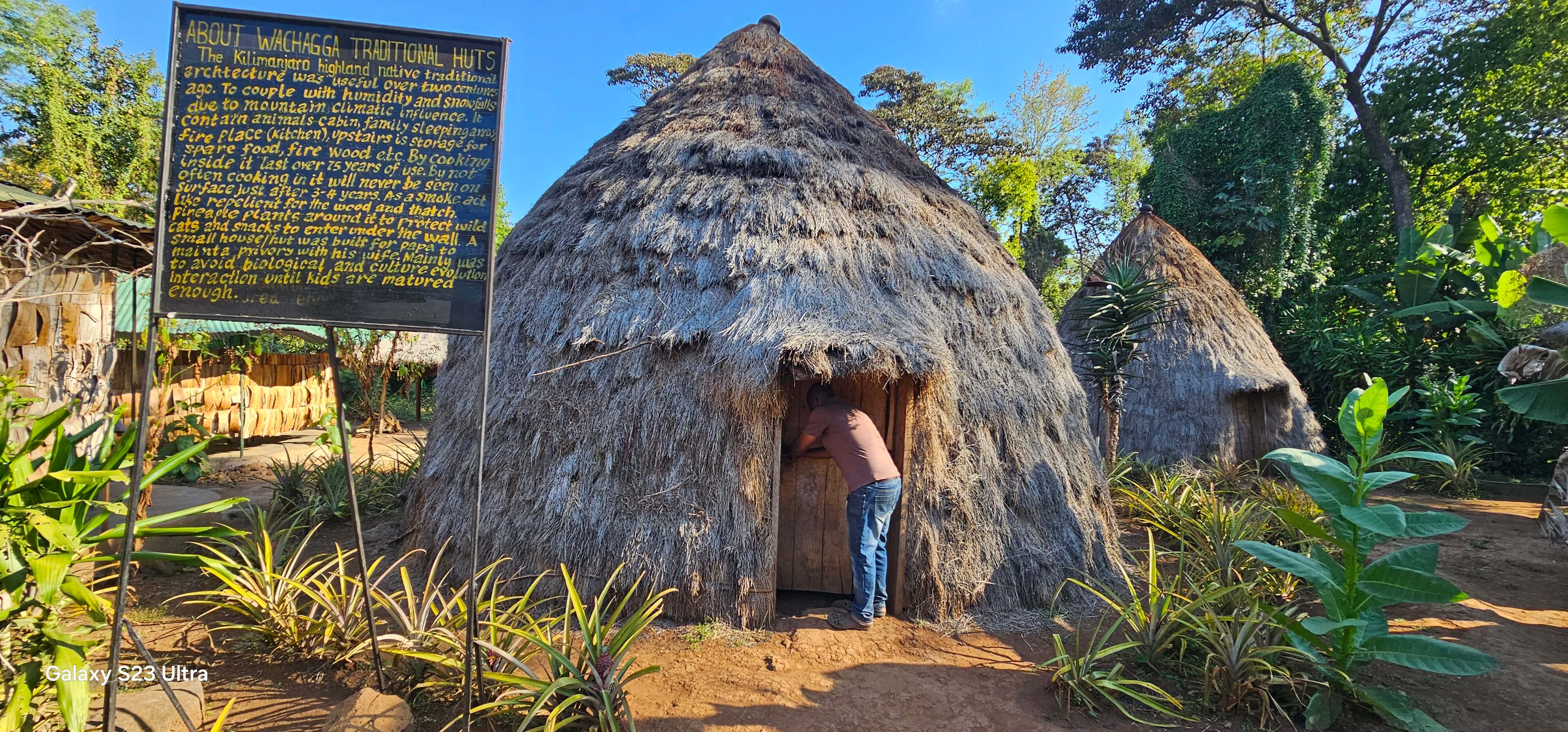
Marangu Chagga Cultural Tour
Before or after the climb
Visit Marangu village to see Chagga homes, tunnels and a waterfall, and learn about life on the mountain's slopes.
Adds 1 day
Private toilet tent
During the climb
Add a private toilet tent, carried and cleaned by a porter, for extra comfort at camp.
No extra day needed
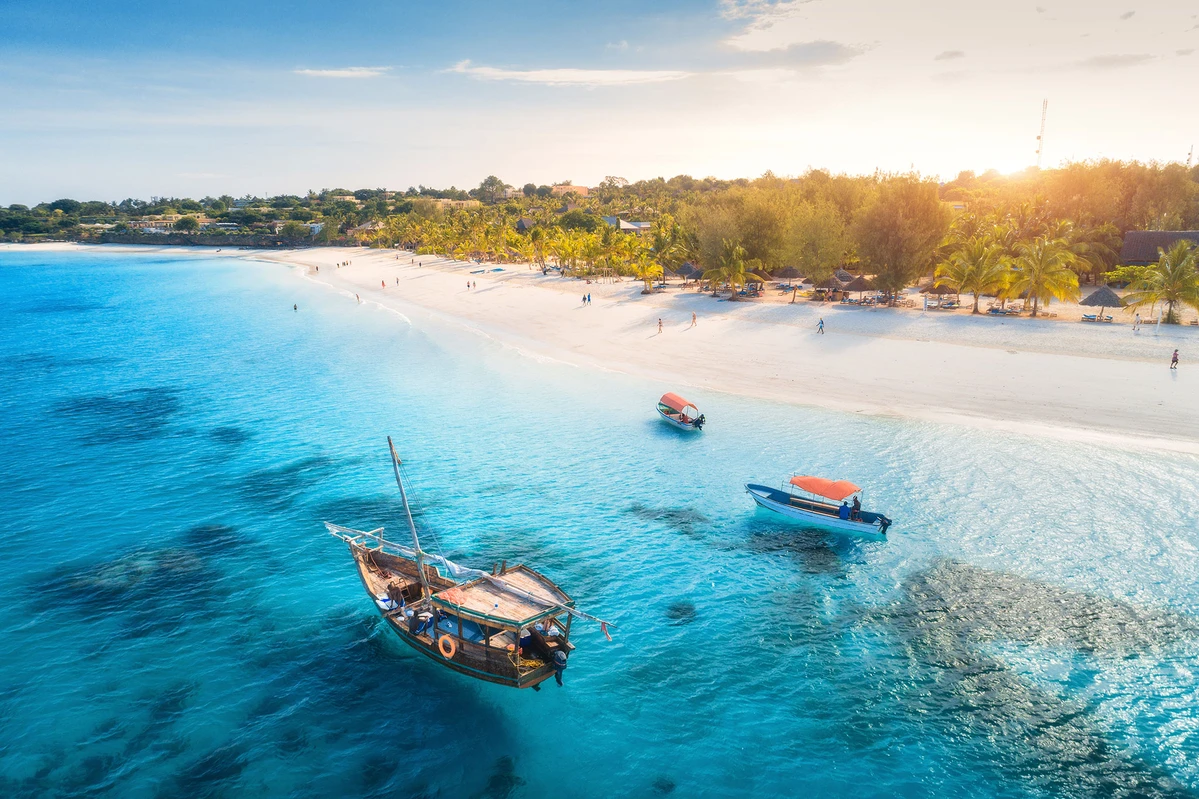
Safari or Zanzibar extension
After the climb
After the climb, join a safari in the Serengeti and Ngorongoro, or relax on Zanzibar's beaches.
Adds 3–6 days
Discover Tanzania
Your questions answered
Why is Lemosho more expensive than Machame?
It has an extra day on the mountain, which means extra park fees and crew wages, plus a longer transfer to the remote Londorossi Gate. That extra day is also what improves acclimatisation and summit success.
Will we see wildlife?
The western forest is one of the best areas on Kilimanjaro for black-and-white colobus and blue monkeys. Larger animals such as buffalo pass through occasionally, but sightings are rare.
Do I need climbing experience for Lemosho?
No technical experience is needed, but you should be able to walk for 5–8 hours a day for eight days in a row. Training with long hill walks for two to three months before your trip makes a big difference.
How does the extra day help with altitude?
Gaining height more slowly gives your body more time to produce red blood cells and adjust to the thinner air. That is why longer routes like Lemosho have higher summit success. Our guides still check your oxygen levels twice a day and carry emergency oxygen.
What is camp life like?
You sleep in two-person mountain tents with thick mats. Meals are served in a mess tent with tables and chairs: porridge and eggs for breakfast, hot lunches, soup and a main course for dinner. Tell us about any dietary needs when you book.
What if I don't have all the gear?
You can rent most items in Arusha, including sleeping bags, down jackets, trekking poles and gaiters. Your guide checks everything with you on Day 1.
Are tips expected?
Yes, tipping is part of the climbing culture on Kilimanjaro, and the crew rely on it. Our booking terms include a suggested amount per day for each crew role.