
Destination
Serengeti National Park
Tanzania's endless plains — stage for the Great Migration and the densest lion populations in Africa.
Destination Overview
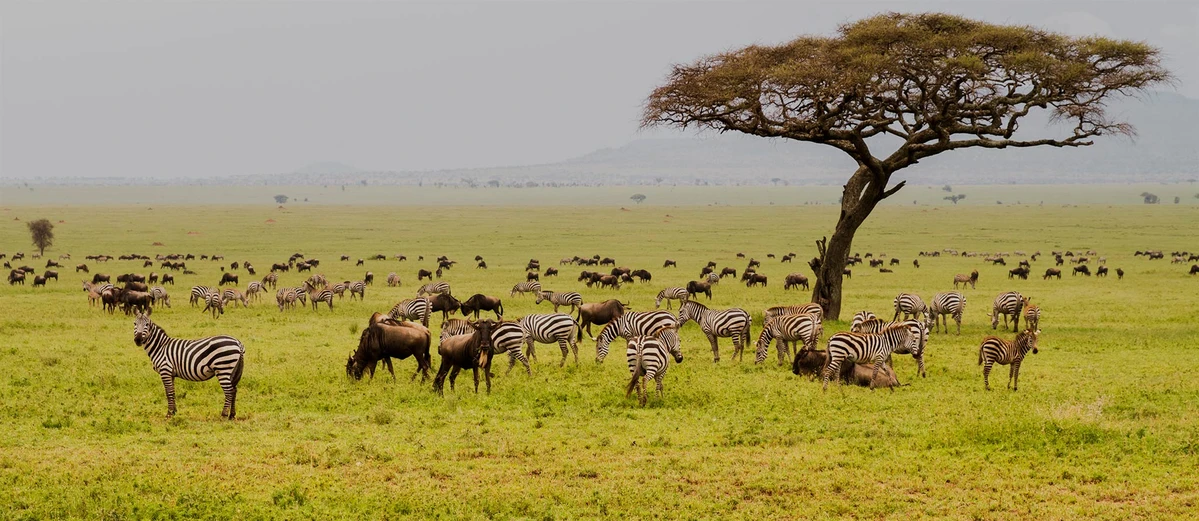
Serengeti National Park is Tanzania's most celebrated national park and the largest on the northern safari circuit, covering roughly 14,763 km² (5,700 sq mi) across the Mara and Simiyu Regions in the country's far north, bordered by the Ngorongoro Highlands to the east and Kenya's Maasai Mara to the north. Established as a national park in 1940, its name comes from the Maasai word siringet, meaning "the place where the land runs on forever" — an apt description of grassland that stretches unbroken to the horizon. Together with the Maasai Mara, it forms the wider Serengeti-Mara ecosystem, and within Tanzania it's typically divided into four zones: the central Seronera Valley, the southern plains around Ndutu, the Western Corridor, and the northern Serengeti near Kogatende, each offering a different wildlife experience depending on the time of year.
The Serengeti is best known as the stage for the Great Migration, the year-round, roughly 800 km circular movement of more than 1.5 million wildebeest and hundreds of thousands of zebra and gazelle — including the dramatic Mara River crossings (July–September) in the north, Grumeti River crossings (June–July) in the west, and the calving season (January–March) on the southern plains around Ndutu. The park also holds Africa's largest lion population, at over 3,000 individuals ecosystem-wide, along with strong resident leopard and cheetah populations, and more than 500 recorded bird species. Most travelers reach the Serengeti either by an eight-hour overland drive from Arusha, often combined with stops at Lake Manyara, Tarangire, or Ngorongoro Crater, or by a short scheduled flight into one of the park's airstrips. Because wildlife viewing here depends heavily on where the migration is at any given time, the "best" time to visit is really a matter of which highlight — a river crossing, calving season, or reliable year-round game viewing in Seronera — you most want to see.
The Great Migration
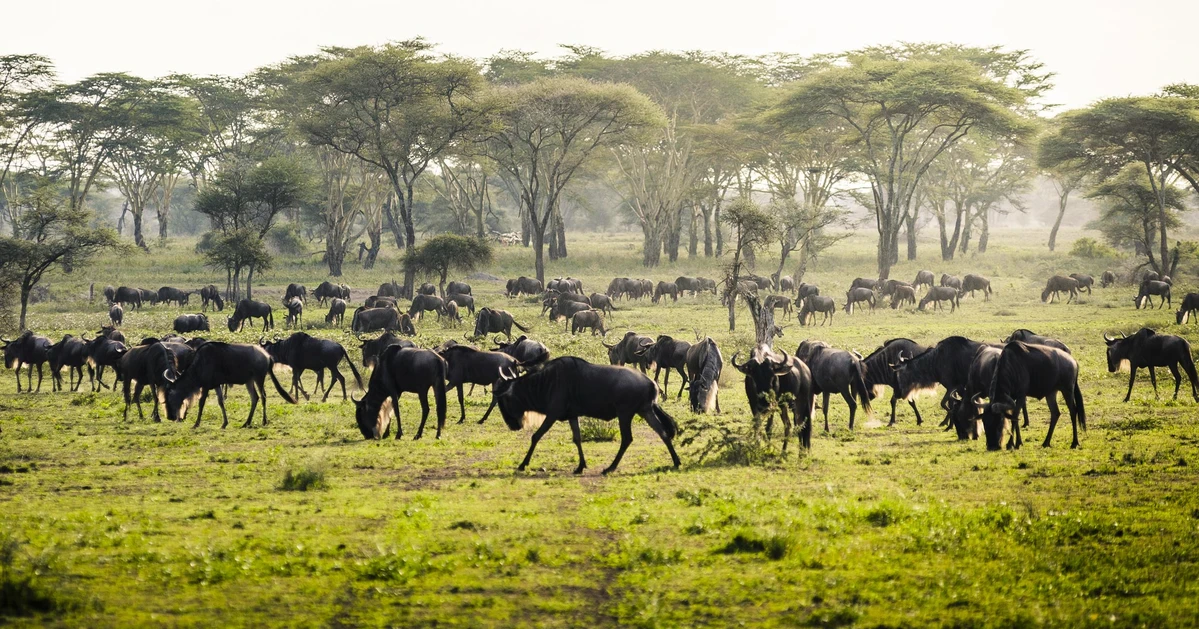
No single highlight defines the Serengeti more than the Great Migration — the continuous, roughly 800 km circular movement of more than 1.5 million wildebeest, alongside hundreds of thousands of zebra and gazelle, following the rains in search of fresh grazing. It isn't a single event but a year-round cycle, which means the Serengeti has a genuine highlight worth timing your visit around no matter when you travel.
Mara River Crossings
From roughly July to September, the migration reaches the northern Serengeti near Kogatende, where herds gather at the banks of the Mara River before plunging in en masse to reach fresh grazing — and the safety of numbers — on the far side, with crocodiles waiting in the current below. It's one of the most dramatic wildlife scenes anywhere in Africa, and one of the main reasons travelers plan an entire trip around the Serengeti's calendar.
Grumeti River Crossings
Earlier in the year, typically June to July, the migration crosses the Grumeti River in the Western Corridor — a smaller, less crowded version of the Mara spectacle, with its own resident population of large Nile crocodiles waiting for the herds.
Calving Season on the Ndutu Plains
Between January and March, hundreds of thousands of wildebeest calves are born within a few short weeks on the open, short-grass plains around Ndutu in the southern Serengeti. The sudden abundance of newborns draws lions, cheetahs, and hyenas in force, making this one of the most predator-rich, action-packed windows of the entire year.
Africa's Largest Lion Population
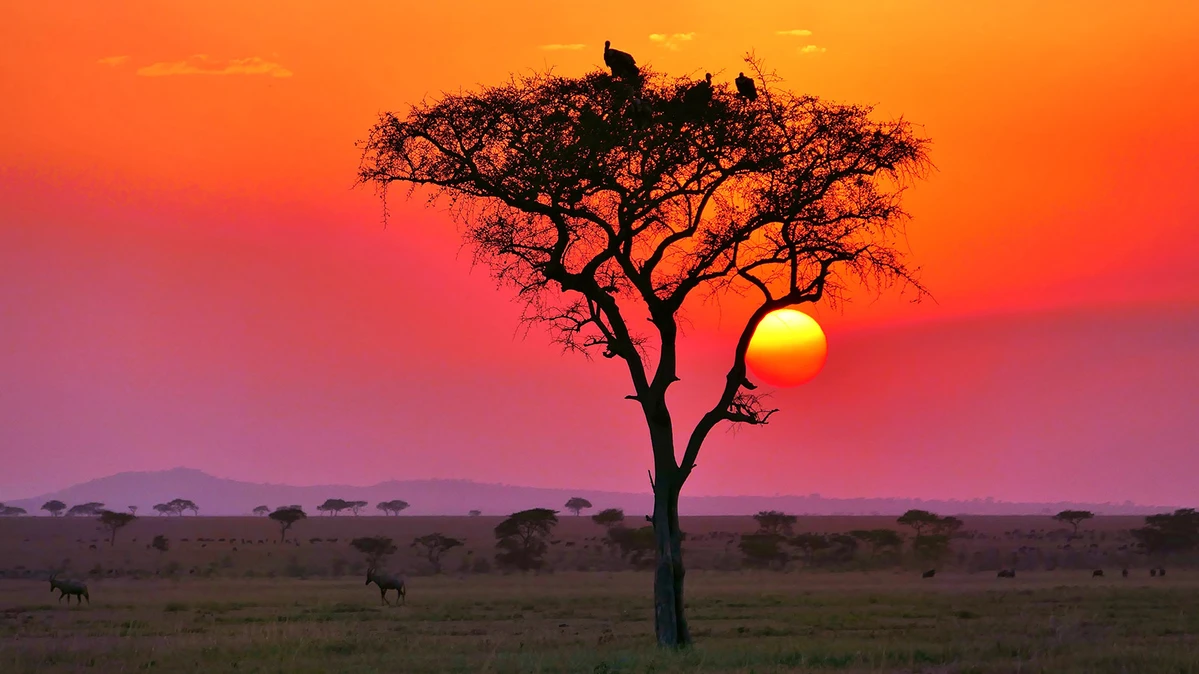
The Serengeti ecosystem holds more than 3,000 lions, the largest population anywhere in Africa, with large prides frequently seen resting on the park's granite kopjes or patrolling territory near the migration herds.
Ancient Granite Kopjes
Scattered across the plains, particularly through the central Seronera Valley, the Serengeti's kopjes are ancient granite outcrops millions of years old, rising abruptly from the grassland. They double as favorite resting and denning spots for lions and leopards, and as some of the most photogenic viewpoints in the park.
Best Leopard Sightings in Seronera
The central Seronera Valley, threaded by the riverine forest along the Seronera River, is widely regarded as one of the best places in Africa for reliable leopard sightings, thanks to a dense resident population and year-round game viewing that doesn't depend on the migration's location.
Cheetah Capital of the Serengeti
The open southern plains around Ndutu hold one of the highest concentrations of cheetah anywhere on the continent, their preference for unobstructed sightlines and open ground making this stretch of grassland an exceptional place to watch a hunt unfold.
Hot Air Balloon Safaris at Sunrise
A pre-dawn hot air balloon safari drifts silently over the plains as the sun rises, followed by a champagne bush breakfast on landing — a bucket-list way to see the Serengeti's scale and its resident wildlife from an angle no game drive can match.
Over 500 Bird Species
Beyond its famous mammals, the Serengeti supports more than 500 recorded bird species, from ostrich, secretary bird, and kori bustard striding across the open plains to raptors and waterbirds concentrated around the rivers and kopjes.
Activities in Serengeti National Park
- Game drives (morning, afternoon, and full-day)
- Hot air balloon safaris
- Guided walking safaris
- Bird watching
- Great Migration river crossing viewing
- Night game drives (in select areas)
- Cultural visits to Maasai villages
- Photography safaris
- Camping (mobile and permanent tented camps)
- Visiting the Seronera Visitor Center and museum
- Picnicking at designated scenic spots
- Stargazing (in remote, low-light areas)
Year-Round Weather in Serengeti National Park
The dry season, running from June through October, is the Serengeti's clearest and most reliable stretch of weather, with daytime temperatures around 26°C (79°F) and nights cooling to about 14°C (57°F). Skies stay clear on most days, though June through September can occasionally bring cold fronts that push early-morning temperatures close to freezing in open vehicles, making warm layers essential rather than optional. October often marks the transition point, as the first short rains can arrive before the month ends.
November and December bring the short rains, an unpredictable spell of showers that rarely lasts long enough to disrupt a safari schedule. Daytime temperatures edge up slightly to around 27°C (81°F), with nights near 15°C (59°F), and the plains begin to green up again after the dry season's dust.
January and February form a brief dry break between the two rainy seasons, with generally pleasant, drier conditions, though the exact timing shifts somewhat from year to year. This period overlaps with the start of calving season on the southern plains, making it a popular window despite falling technically within the wider wet season.
The long rains arrive from March through May, the Serengeti's wettest stretch of the year, with rain falling on most days, usually as cloudy spells and showers rather than continuous downpours. Daytime temperatures stay similar to the short rains period, around 27°C (81°F), with nights near 15°C (59°F). Roads can turn muddy in low-lying areas, but the plains are at their greenest, the crowds are thinnest, and rates are typically at their lowest for travelers willing to work around the occasional shower.
Want to see more? This video is worth watching
Related Trips


Discover Tanzania
Your questions answered
Where is the Serengeti, and how do we get there?
The Serengeti covers around 14,763 km² in northern Tanzania, stretching from the Ngorongoro Highlands to the Kenyan border. Most travelers reach it either by road — roughly an eight-hour drive from Arusha, often broken up with stops at Lake Manyara or Ngorongoro along the way — or by a short scheduled flight from Kilimanjaro International Airport or Arusha Airport into one of the park's several airstrips, which can take as little as an hour.
We plan the route that best fits your itinerary and budget, whether that's a scenic overland drive-in or a quick flight to maximize time on game drives.
When is the best time to visit the Serengeti?
The honest answer is that the Serengeti rewards a visit in almost any month — it simply depends on what you want to see. The dry season (June to October) brings clear skies and the dramatic Mara River crossings in the north. December to March covers the calving season on the southern plains, when predator action is at its most intense. We plan your dates around the specific experience you're after, rather than a single "best" month.
How many days should we plan for the Serengeti?
We generally recommend a minimum of three nights to properly explore one area of the park, and four to five nights if you want to combine two zones — for example, the southern plains and the north — to follow the migration or simply see more varied scenery. The Serengeti is large enough that rushing it means spending most of your time in transit rather than on game drives.
Can the Serengeti be combined with other parks?
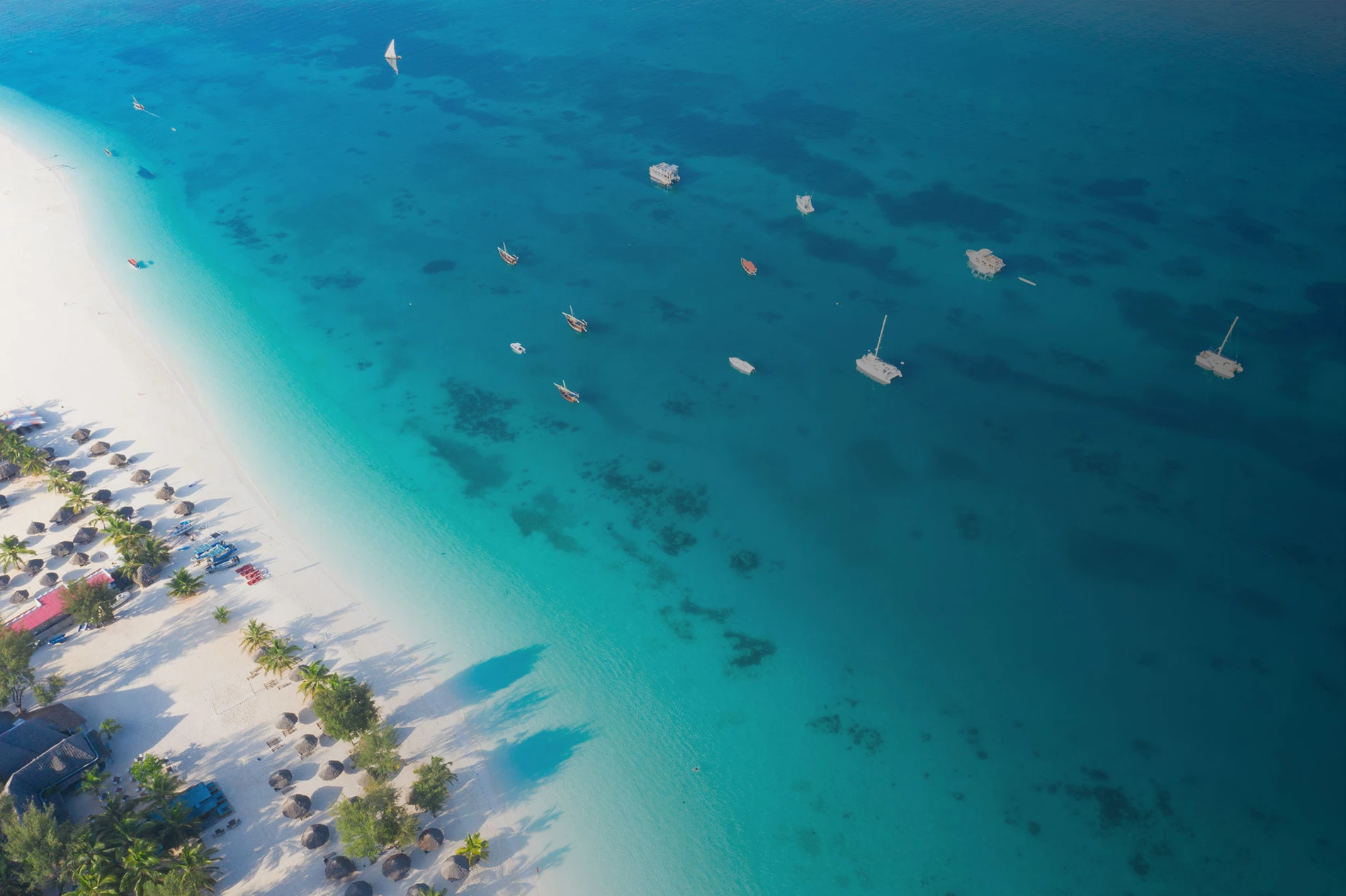
Yes — it's the anchor of almost every northern circuit itinerary we build. The Serengeti pairs naturally with Ngorongoro Crater, Lake Manyara, and Tarangire, either as one continuous overland safari or with a flight in or out of the Serengeti to save driving time. Many of our clients also add a Zanzibar beach extension after their safari.
What do park fees cost, and are they included in our price?
The Serengeti charges a daily conservation entry fee (set by the Tanzania National Parks Authority) plus a small vehicle fee, both paid electronically at the gate. Rates are reviewed periodically, so rather than quote a figure that may be out of date, we build the current fees directly into your itinerary quote — you won't need to handle any payments at the gate yourself.
What is the Serengeti best known for?
Above all, the Great Migration — the year-round circular movement of over 1.5 million wildebeest and hundreds of thousands of zebra across an 800 km route through the Serengeti-Mara ecosystem. The Serengeti is also home to Africa's largest lion population, with more than 3,000 lions across the wider ecosystem, and its name comes from the Maasai word for "endless plains," which describes the horizon-to-horizon grassland views you'll see on almost every game drive.
When and where can we see the wildebeest river crossings?
The famous Mara River crossings typically happen from July through September, in the northern Serengeti around the Kogatende area, as the migration pushes toward Kenya's Maasai Mara in search of fresh grazing. Crossings aren't guaranteed on any single day — herds can wait at the riverbank for hours or days — but positioning in the north during these months gives you the best chance of witnessing one.
What is calving season, and when does it happen?
Calving season runs roughly from January to March, when hundreds of thousands of wildebeest calves are born within a few short weeks on the short-grass plains of the southern Serengeti and neighboring Ndutu area. The sheer number of newborns draws in predators in force, making this one of the most action-packed times to visit for big cat sightings.
What other wildlife and birdlife will we see?
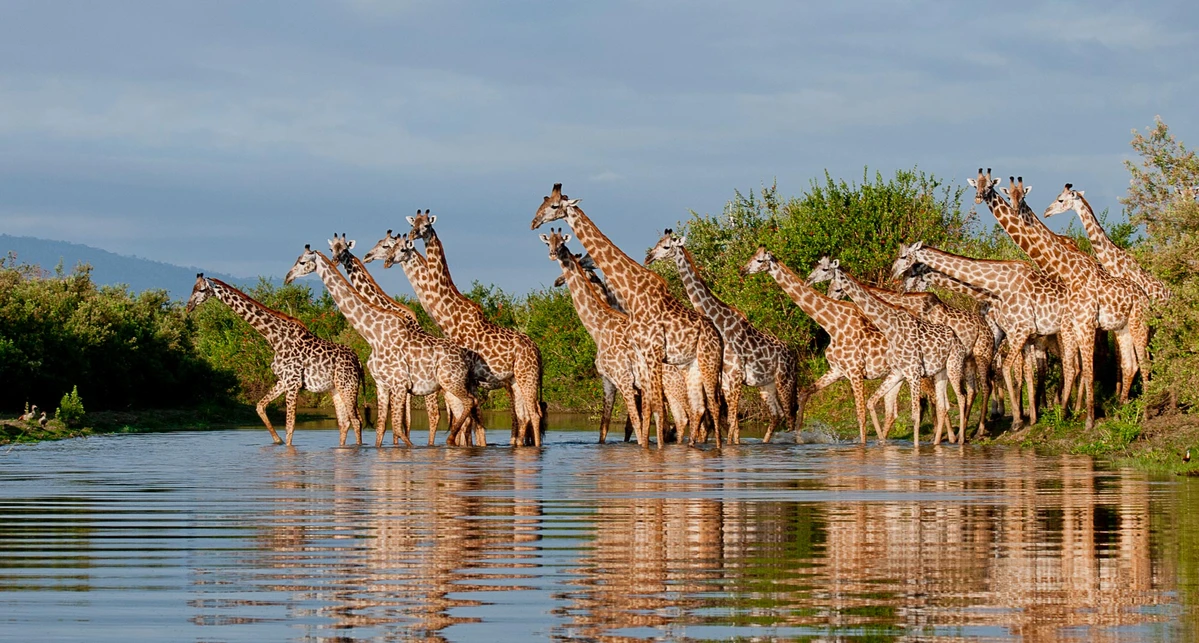
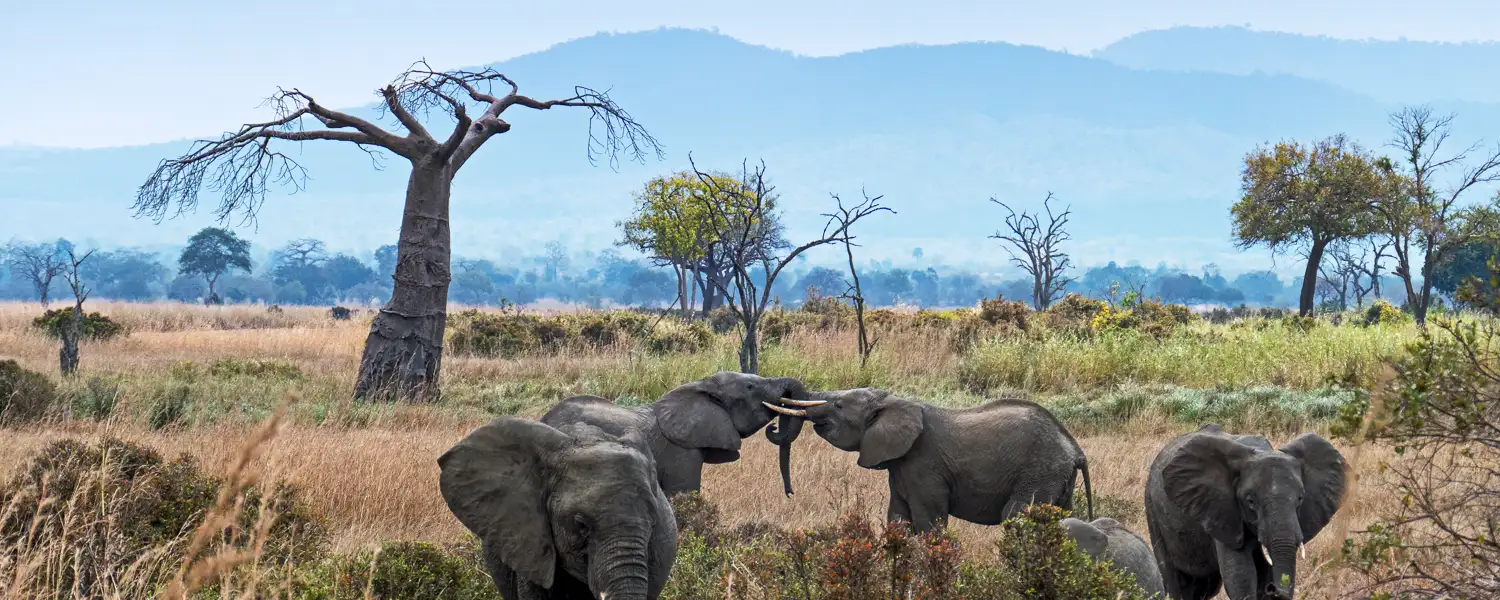
Beyond the migration herds and lions, expect leopards, cheetahs, elephants, giraffes, hippos, and healthy numbers of hyenas, along with a small, closely protected population of eastern black rhinos. The Serengeti is also an excellent birding destination, with more than 500 recorded species, from ostrich and kori bustard on the open plains to raptors and waterbirds around the rivers and kopjes.
Where will we stay across the Serengeti's different areas?
The Serengeti is generally split into a few key areas — the central Seronera region (reliable wildlife year-round), the southern plains and Ndutu (best for calving season), the Western Corridor (best around June for river crossings on the Grumeti), and the northern Serengeti near Kogatende (best for the Mara River crossings). We choose lodges and camps, including seasonal mobile camps that follow the migration, based on which area and time of year fits your trip.
Is the Serengeti safe? What health precautions should we take?
The Serengeti is a well-established, well-patrolled park and safe when visited with an experienced guide — always stay inside the vehicle in wildlife areas and follow your driver-guide's instructions. Tanzania is a malaria-risk area, so we advise speaking with a travel clinic about antimalarial medication before your trip, along with routine precautions like repellent and covering up around dusk. We're glad to share more detailed health guidance once your dates are confirmed.
What should we pack for a Serengeti safari?
Neutral-colored, breathable clothing (khaki, olive, tan — avoid bright white or black, which shows dust and attracts tsetse flies), a hat, sunglasses, high-SPF sunscreen, and binoculars, especially if you're hoping to watch a river crossing or spot game at a distance on the open plains. Mornings can be cool, particularly if you're flying between airstrips, so layers help. We send every client a full packing list tailored to their travel dates once their itinerary is booked.