Destination
Mount Kilimanjaro
Stand atop Africa's highest peak, Mount Kilimanjaro, a snow-capped free-standing giant that rewards trekkers of every experience level with an unforgettable summit sunrise.
Destination Overview
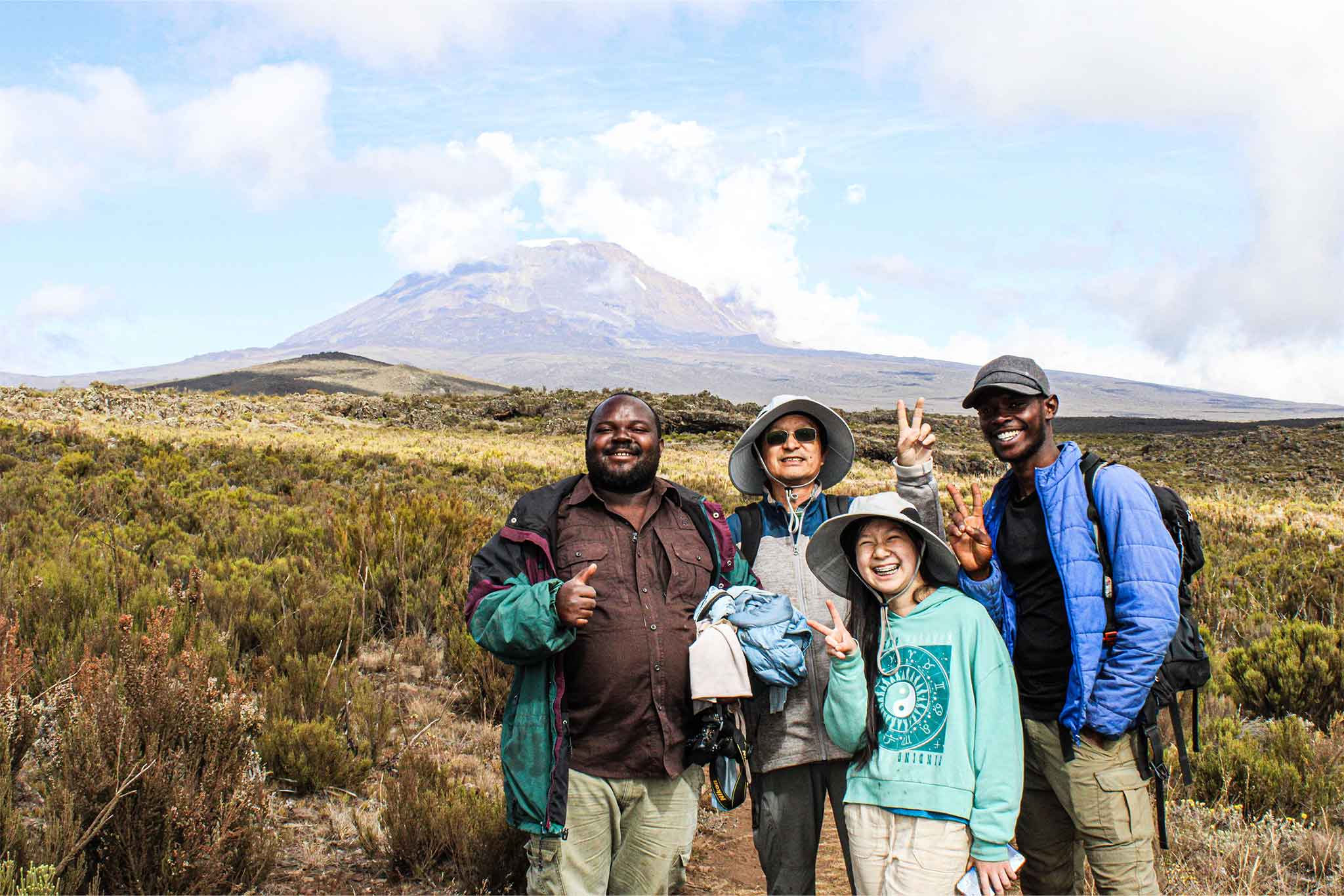
Mount Kilimanjaro rises to 5,895 meters (19,341 feet) in northern Tanzania near the town of Moshi, making it both Africa's highest peak and the tallest free-standing mountain in the world — a solitary volcanic massif rather than part of a connected range. The mountain is actually made up of three volcanic cones: Kibo, the dormant central cone that holds the summit, Mawenzi, a jagged extinct peak, and Shira, the oldest and most eroded of the three. First summited on October 6, 1889, by Hans Meyer and Ludwig Purtscheller, Kilimanjaro's highest point is now named Uhuru Peak, meaning "Freedom Peak" in Swahili, and remains one of the world's most sought-after trekking summits, with an estimated 30,000-plus climbers attempting it each year.
What makes Kilimanjaro unique is that reaching the top requires no technical climbing skill, yet the trek still passes through five dramatically different climate zones — from cultivated farmland and lush rainforest, through heather and moorland, into alpine desert, and finally the arctic conditions near the summit's shrinking glaciers. Most itineraries run 6 to 9 days across routes like Machame, Lemosho, Rongai, and the Northern Circuit, with longer routes generally offering far better acclimatization and higher summit success rates than the shortest options. The two main dry windows, January to March and June to October, offer the most stable climbing conditions, and many travelers combine their Kilimanjaro climb with a Serengeti or Ngorongoro safari immediately before or after.

Uhuru Peak: The Roof of Africa
At 5,895 meters, Uhuru Peak is Kilimanjaro's summit and the highest point on the African continent. The name means "Freedom Peak" in Swahili, adopted after Tanzania's independence to replace the mountain's earlier colonial-era German name, and standing on it — often at sunrise after a midnight push from high camp — is the goal every climber on the mountain is working toward.
Africa's Highest Free-Standing Mountain
Kilimanjaro's defining claim to fame is that it's the tallest free-standing mountain in the world, meaning it rises on its own as an isolated volcanic massif rather than as part of a connected mountain range. That isolation is part of what makes it so visually dramatic — its snow-streaked summit is visible looming over the surrounding savanna from dozens of kilometers away.
Three Volcanic Cones: Kibo, Mawenzi, and Shira
Kilimanjaro is actually made up of three distinct volcanic cones: Kibo, the dormant central cone and highest point at 5,895 meters; Mawenzi, a jagged, extinct peak reaching 5,149 meters; and Shira, the oldest and lowest of the three at 4,005 meters, now largely eroded into a broad plateau. Most standard routes climb Kibo, but several trails cross the Shira Plateau en route, adding striking volcanic scenery to the early days of the trek.
Five Climate Zones in a Single Climb
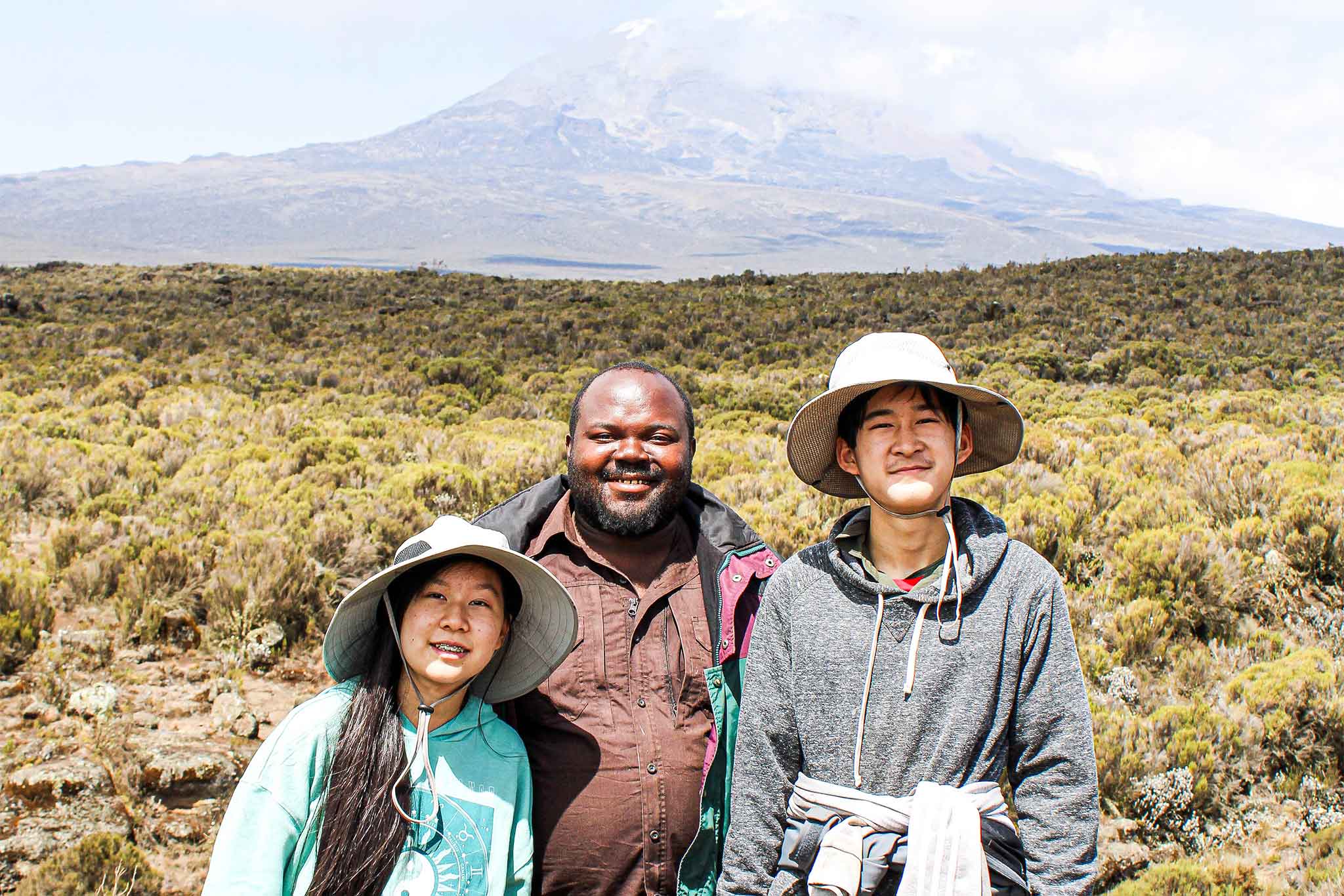
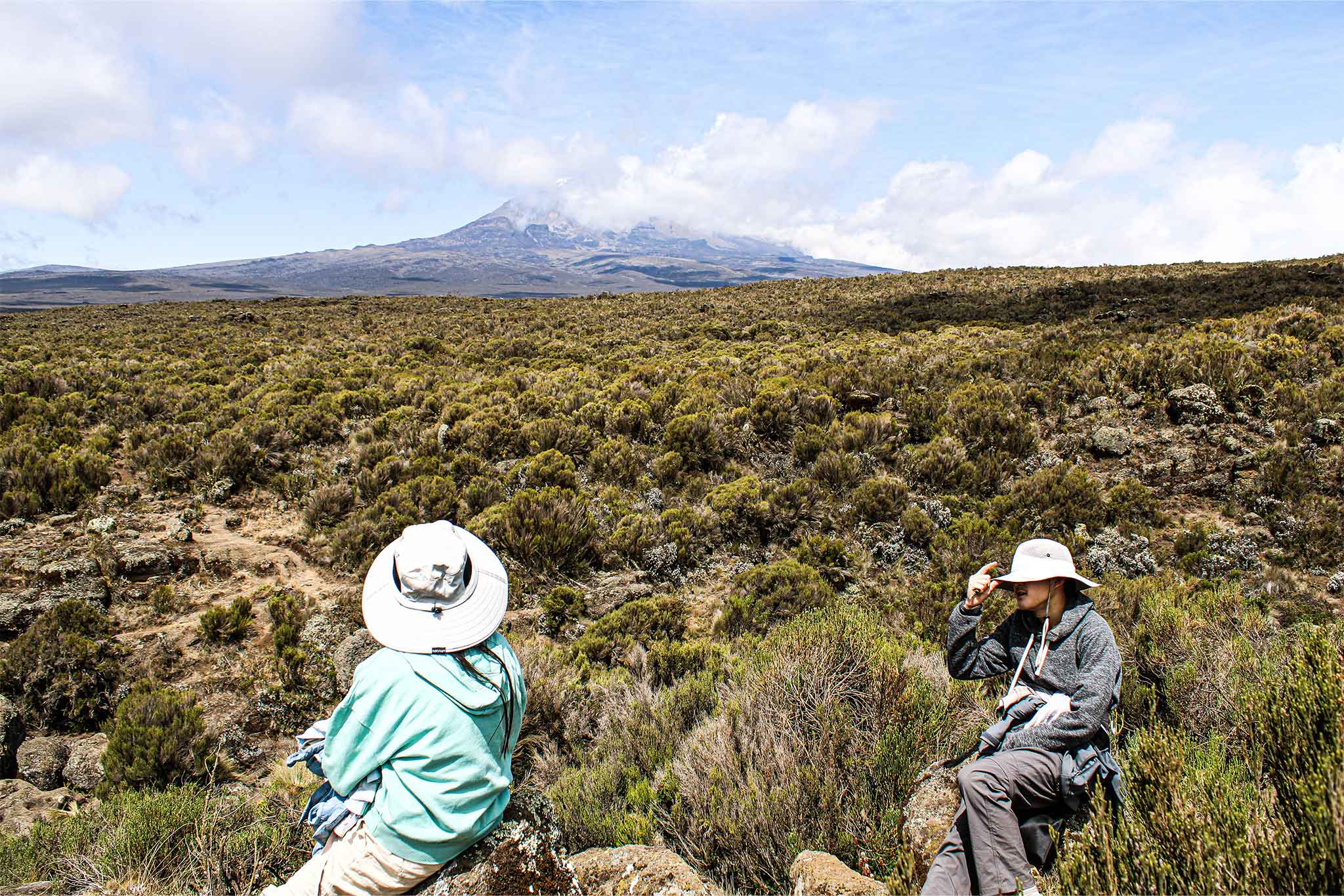
Few treks anywhere let you pass through as many distinct ecosystems as Kilimanjaro does: starting in cultivated bushland and farmland around 800-1,800 meters, the route climbs through dense montane rainforest, then heather and moorland, then a stark alpine desert, and finally an arctic zone above roughly 5,000 meters where little survives beyond lichen and bare rock and ice. It's often described as walking from the equator to the poles in less than a week.
The Barranco Wall
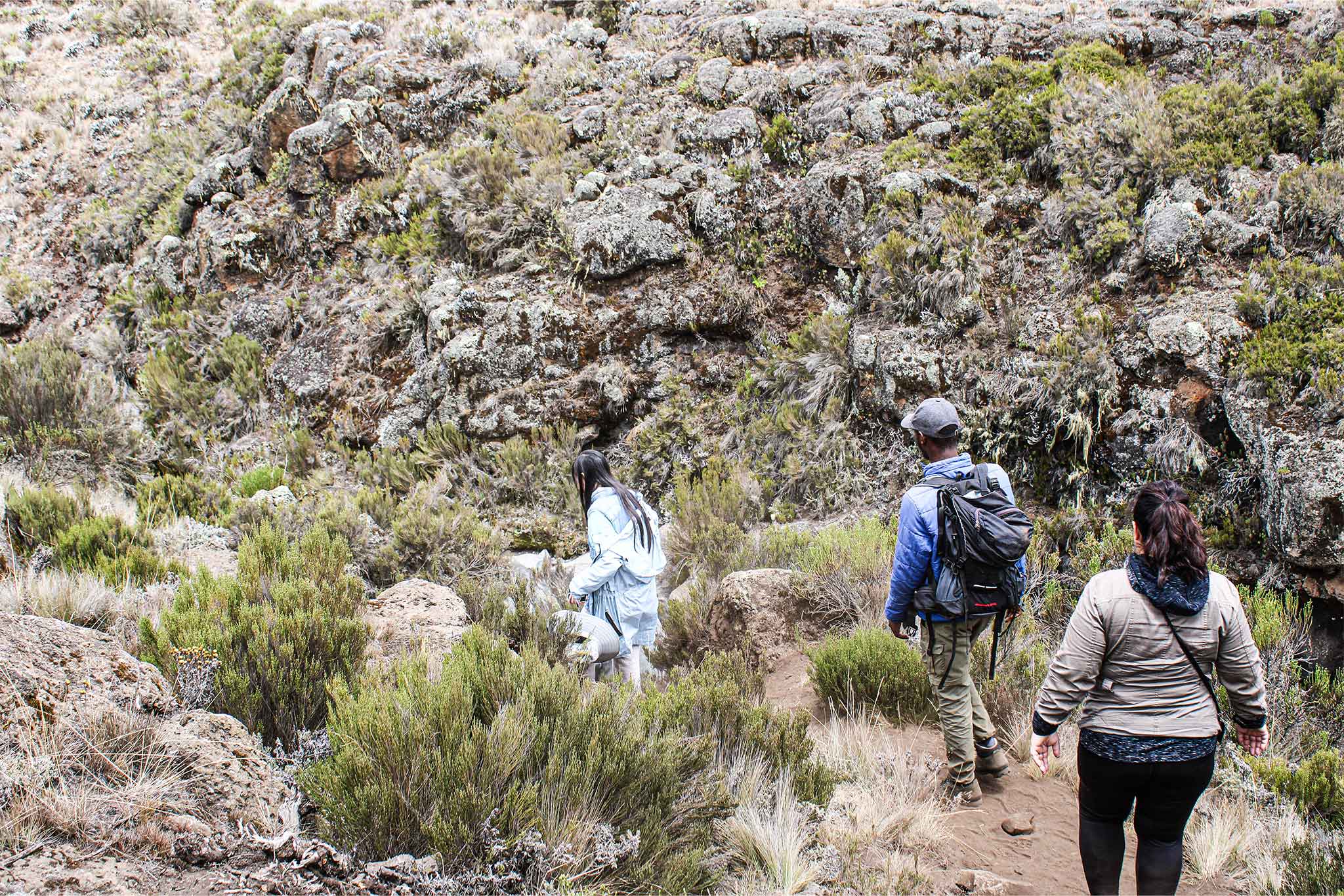
One of the trek's most memorable single features, the 257-meter Barranco Wall is a steep, hands-on scramble on the Machame, Lemosho, Shira, and Umbwe routes that looks far more intimidating than it actually is — no technical climbing skill is required, just sure footing on narrow rock ledges. Its most famous section, nicknamed the "kissing rock," forces climbers to flatten themselves against the cliff face to pass a narrow ledge, all while looking out over the dramatic Barranco Valley below.
The Vanishing Summit Glaciers
Kilimanjaro's summit still carries remnants of ancient glacial ice fields, but they've shrunk dramatically over the past century — studies estimate roughly 85% of the ice cover present in 1912 had disappeared by 2011, with some projections suggesting the glaciers could vanish entirely within a few decades. Seeing them today, glinting near Uhuru Peak in the equatorial sunrise, is genuinely a sight that may not be available to future generations of climbers.
A Recognized Geological Heritage Site
In 2022, Kilimanjaro was named an International Union of Geological Sciences geological heritage site, recognized as the highest stratovolcano of the East African Rift system and one of the few equatorial peaks anywhere to still support a summit glacier. It's a formal acknowledgment of what climbers already sense on the mountain — that Kilimanjaro is as geologically remarkable as it is physically demanding.
The Historic First Ascent of 1889
German geographer Hans Meyer and Austrian mountaineer Ludwig Purtscheller made the first recorded ascent of Kibo's summit on October 6, 1889, after several earlier attempts had failed to reach the top. More than 130 years later, an estimated 30,000-plus people attempt the same climb every year, following in the footsteps of that original expedition on a mountain that has become one of the "Seven Summits" bucket-list peaks on every continent.
The Midnight Summit Push and Sunrise
On nearly every route, the final push to the summit begins around midnight from high camp, climbing through the cold, dark, alpine desert by headlamp to reach Stella Point or Gilman's Point on the crater rim as dawn breaks. Timing the ascent this way isn't just tradition — it lets climbers reach Uhuru Peak for sunrise while scree and ice underfoot are still frozen and stable, and rewards the effort with one of the most spectacular sunrises in Africa.
Wildlife on the Lower Slopes
Kilimanjaro isn't just a mountain climb — its lower rainforest and moorland zones support real wildlife, including blue and colobus monkeys, buffalo, and even occasional elephants and leopards on routes like Rongai and the approach to the Shira Plateau. It's an unexpected bonus for climbers who assume the trek is all rock and ice, and a reminder that Kilimanjaro National Park protects a full ecosystem, not just a summit.
Activities in Mount Kilimanjaro
- Summiting Uhuru Peak
- Multi-day trekking routes
- Day hikes on the lower slopes
- Exploring the Shira Plateau
- Wildlife viewing and game drives
- Visiting Chala Crater Lake
- Cultural village visits (Chagga)
- Coffee Tour
- Materuni Waterfalls
- Photography
- Acclimatization walks
- Birdwatching
Year-Round Weather in Mount Kilimanjaro
There are two main dry windows that make the best climbing conditions: December through February brings clear skies and relatively warm temperatures, while June through October offers similarly dry, stable weather and is the busiest period on the mountain. Both are considered prime climbing season, with firmer trails and better visibility for the summit push.
The long rains fall from March through May, the wettest and least favorable stretch, with heavy rainfall that turns lower-zone trails muddy and can bring snow at higher elevations. November brings a shorter, lighter rainy spell, with showers concentrated mostly in the afternoons rather than lasting all day, making it a workable if slightly less predictable time to climb.
Whichever month you choose, Kilimanjaro's guides always plan for sudden shifts — rain, wind, and cold can appear at any time of year once you're above the rainforest zone, so climbers are advised to pack for wet days and freezing nights no matter the season.
Want to see more? This video is worth watching
Related Trips
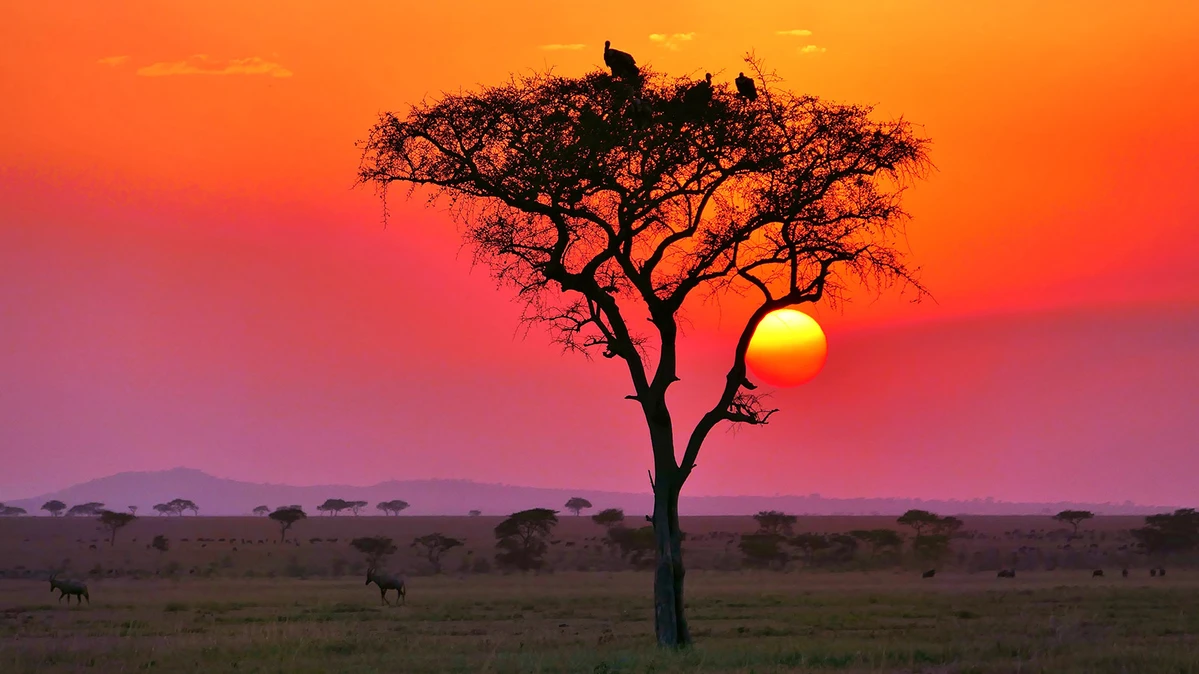
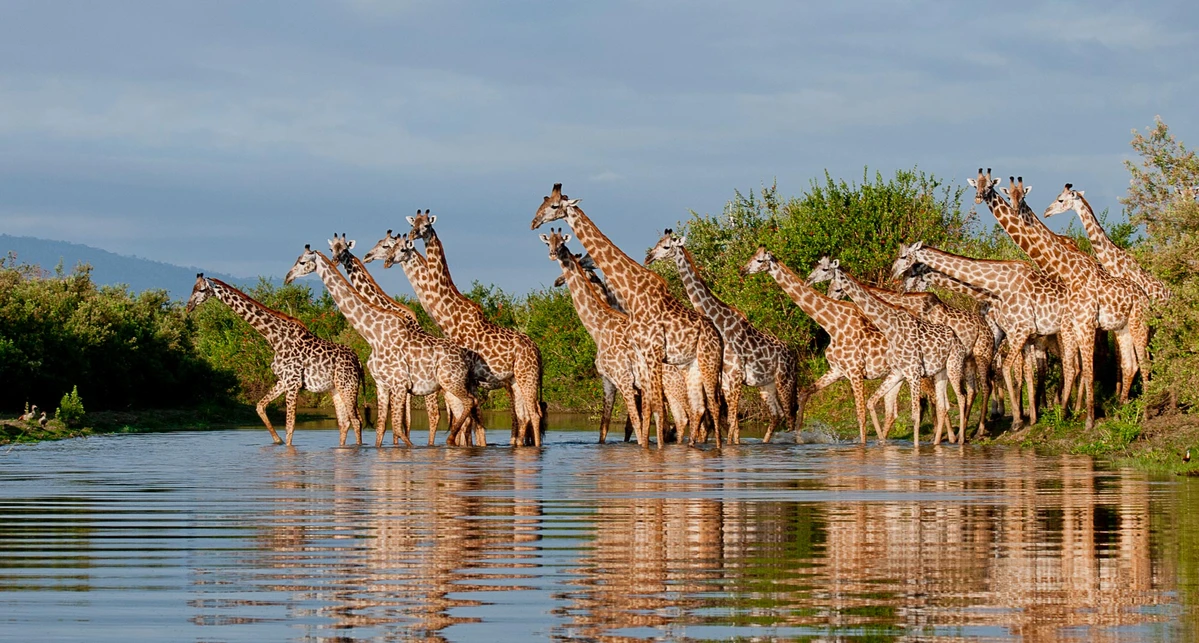
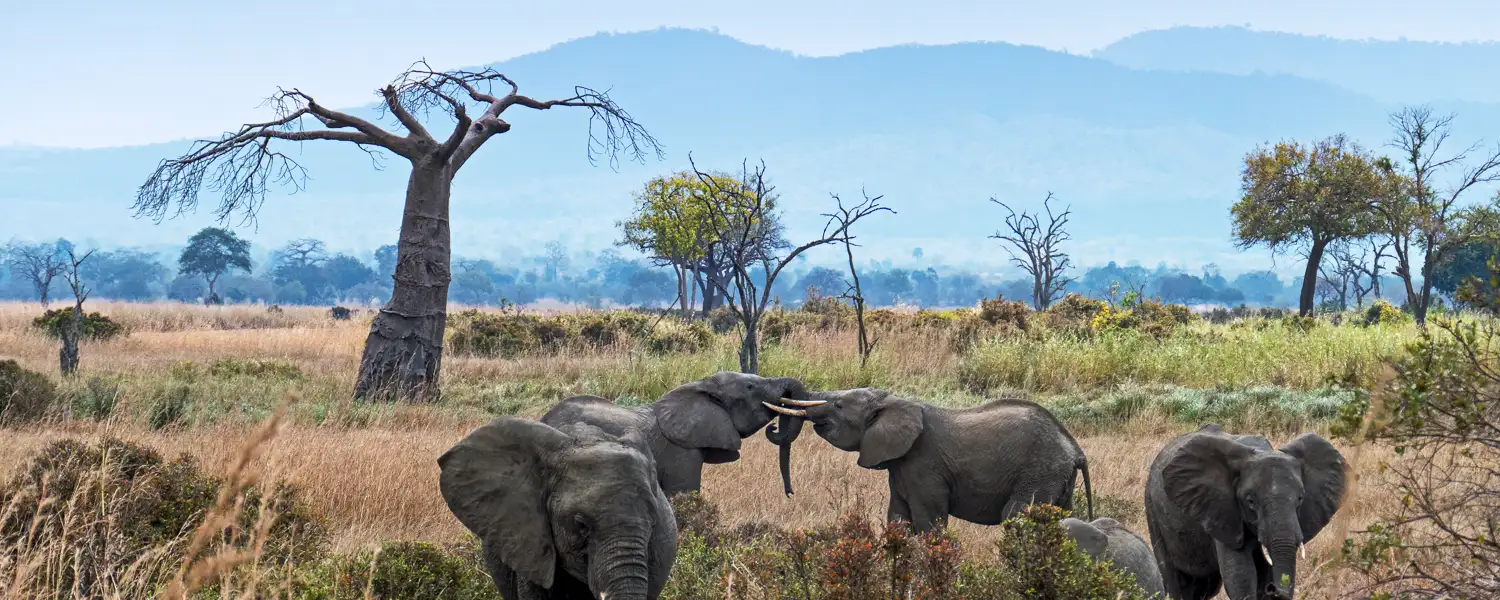
Discover Tanzania
Your questions answered
Where is Mount Kilimanjaro, and how do I get there?
Kilimanjaro sits in northern Tanzania, near the town of Moshi, and most climbers fly into Kilimanjaro International Airport, which takes its name from the mountain and sits within easy reach of the main climbing gates. We arrange airport transfers and pre-climb accommodation as part of your booking.
Do I need climbing experience or technical skill to summit Kilimanjaro?
No — Kilimanjaro is a non-technical trek rather than a climb requiring ropes or specialized mountaineering skills, which is why it's accessible to a wide range of ages and fitness levels. That said, it's still a serious physical challenge, and proper preparation, fitness, and acclimatization make a real difference to your chances of reaching the top.
How tall is Mount Kilimanjaro?
Mount Kilimanjaro stands at 5,895 meters (19,341 feet), making it Africa's highest peak and the tallest free-standing mountain in the world — meaning it rises on its own rather than as part of a connected mountain range.
How many days does it take to climb Kilimanjaro?
Most itineraries run 6 to 9 days depending on the route, with longer itineraries built around extra acclimatization days. We generally steer clients away from the shortest 5-day options, since rushing the ascent significantly increases the risk of altitude sickness and lowers your chances of summiting.
Which route should I choose?
Machame and Lemosho are popular, scenic choices with good acclimatization profiles; Rongai approaches from the quieter northern side, and the Northern Circuit offers the most gradual ascent and highest success rates for those with extra time. Marangu is the only route with hut accommodation instead of camping, but its shorter, steeper standard itinerary tends to have a lower success rate. At iTour Tanzania, we help match you to a route based on your fitness, schedule, and preferences.
What is the success rate for reaching the summit?
Overall summit success across all routes and operators runs somewhere around 70-80%, but it varies enormously by route length: shorter 5-day itineraries can see success rates as low as 27%, while well-paced 8- to 9-day routes with proper acclimatization report success rates above 90%. Time on the mountain is the single biggest factor within your control.
What is the minimum age to climb Kilimanjaro?
The official minimum age set by Kilimanjaro National Park is 10 years old, though younger children have occasionally been granted special permission. We're happy to advise on suitability for younger or older climbers as part of planning your trip.
Is a guide required to climb Kilimanjaro?
Yes — Tanzanian park regulations require every climber to be accompanied by a licensed guide, and most climbs also include a support team of assistant guides, cooks, and porters. We provide experienced, well-equipped guiding teams as standard on every Kilimanjaro booking.
When is the best time to climb Kilimanjaro?
The two dry windows — January to March and June to October — offer the clearest skies and most stable conditions for climbing. July, August, and September are the busiest months on the mountain, while January to March tends to be quieter with colder but often clearer summit conditions.
What about altitude sickness?
Altitude sickness is the main risk on Kilimanjaro and can affect climbers regardless of age or fitness level, since it comes down to how your individual body adjusts to reduced oxygen. Choosing a longer route with a "climb high, sleep low" profile, staying well hydrated, and pacing yourself slowly are the most effective ways to reduce the risk, and our guides are trained to monitor climbers throughout the trek.
What should I pack for Kilimanjaro?
You'll need layered clothing to handle everything from warm rainforest heat to below-freezing summit conditions, sturdy broken-in hiking boots, a warm sleeping bag, trekking poles, and a headlamp for the night summit push. We provide a detailed packing list and can arrange rental gear for anything you'd rather not travel with.
Are there fees, and can I combine Kilimanjaro with a safari?
Yes, Kilimanjaro National Park charges park fees, camping or hut fees, and rescue fees, which we build directly into your climb package so there's nothing to arrange separately. Kilimanjaro also combines naturally with a northern circuit safari — many of our clients climb first, then head to the Serengeti or Ngorongoro to recover while still seeing Tanzania's wildlife.