
Tanzania
Great Migration Safari: Mara River Crossings
Short Description A safari built around the most dramatic moment of the Great Migration: the Mara River crossings in the northern Serengeti. Spend three nights close to the river, where wildebeest and zebra plunge into crocodile-filled water. It also includes Tarangire, the central Serengeti, and the Ngorongoro Crater.
From $100,000
Tour overview
9 Days Great Migration Safari: Mara River Crossings
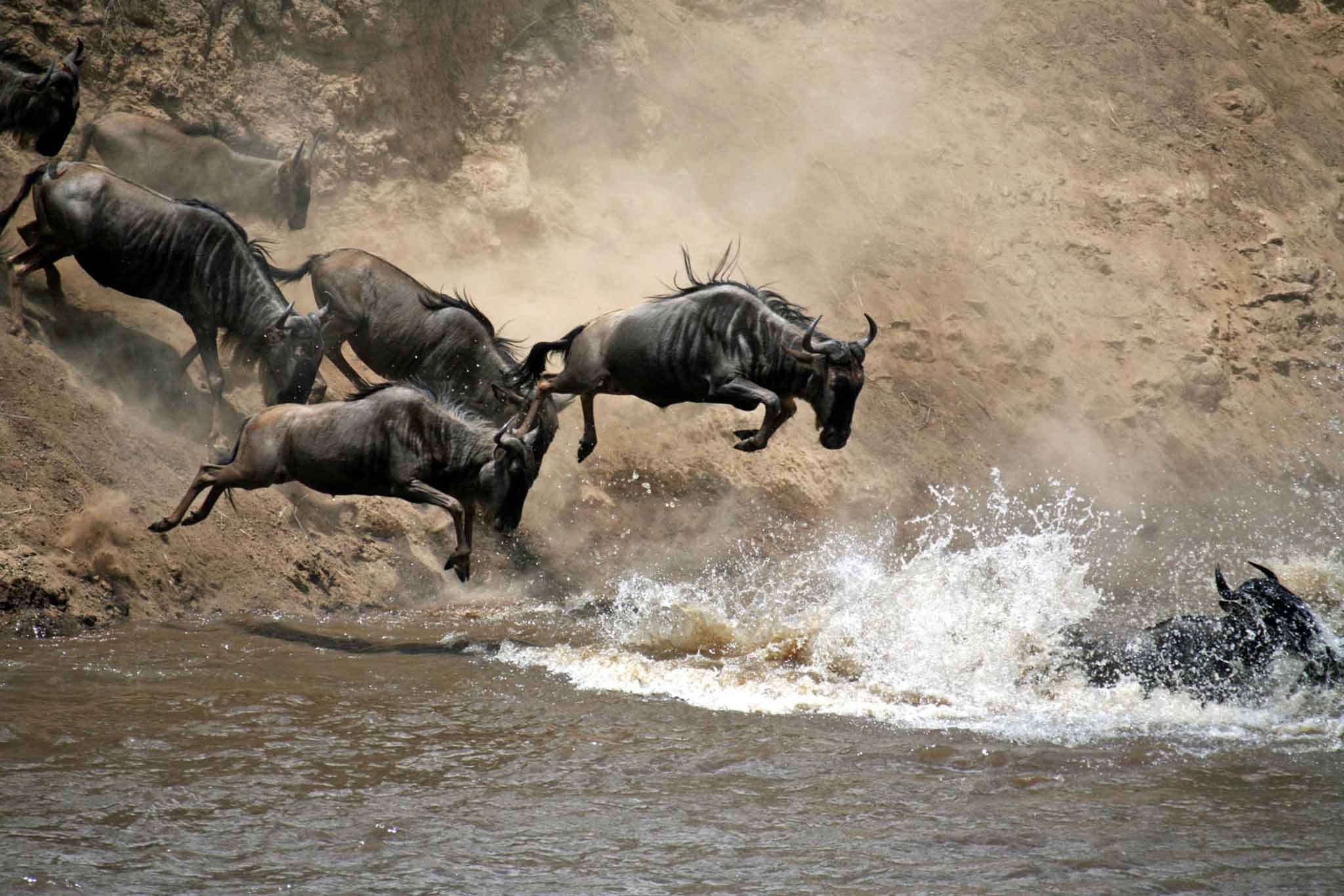
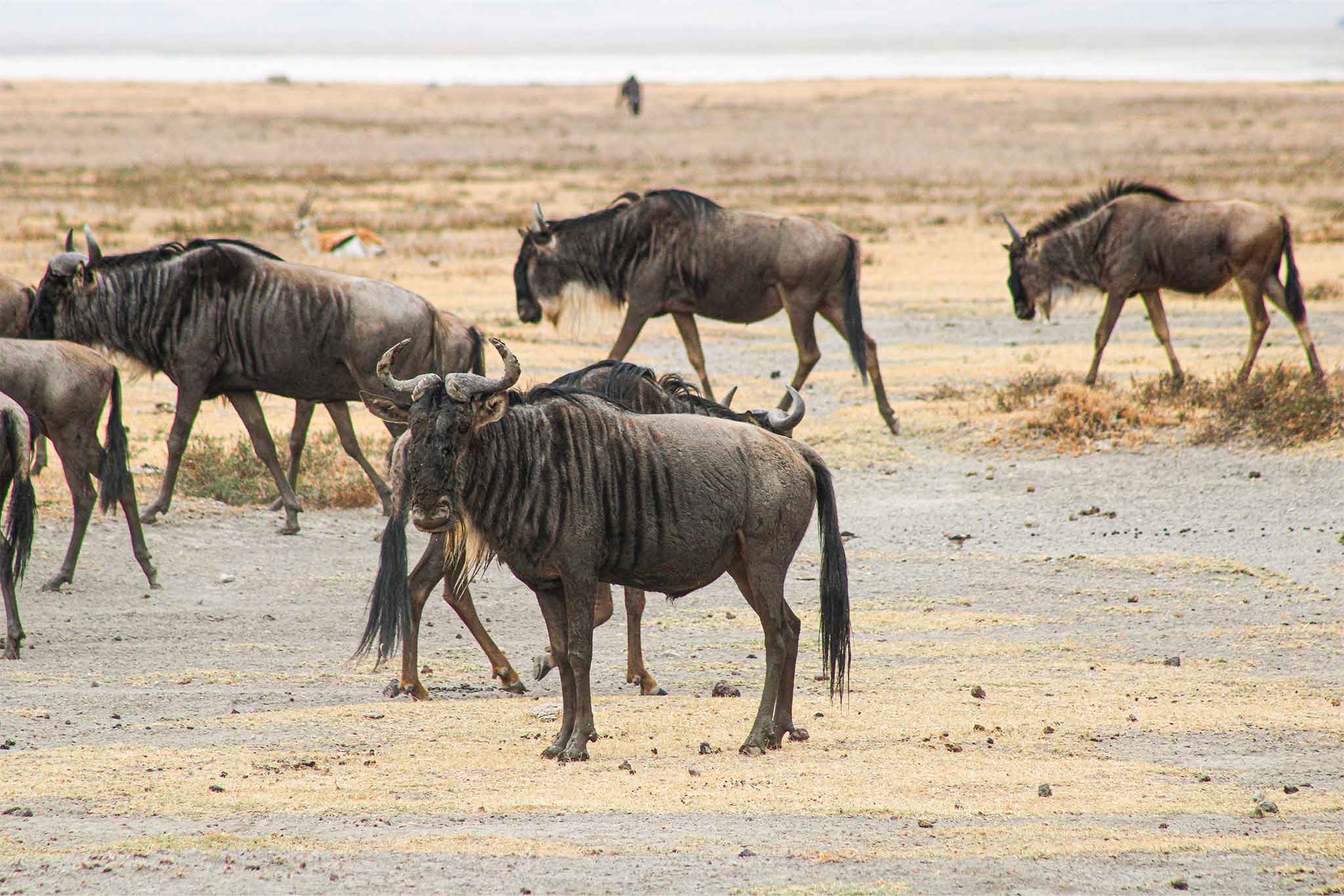
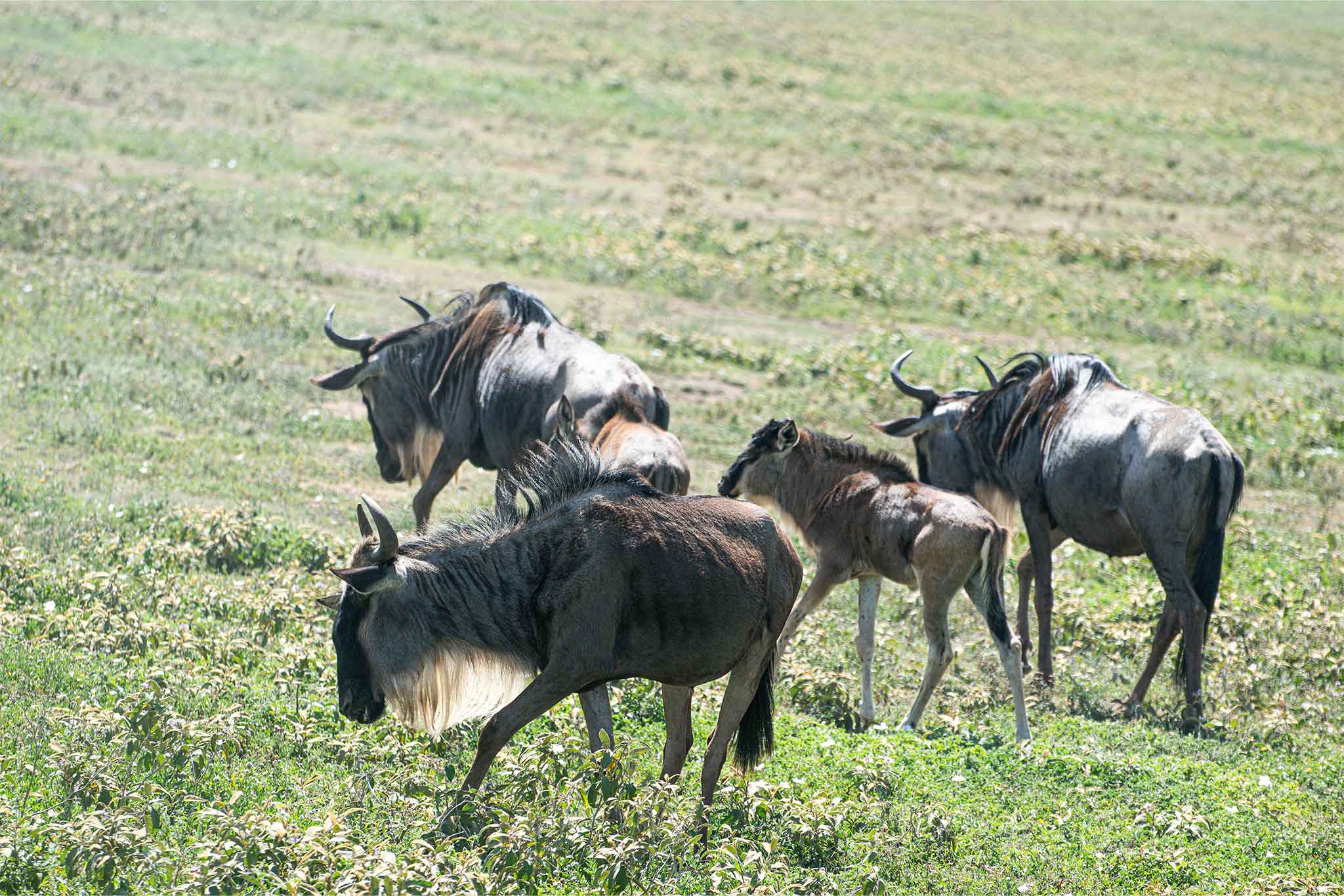
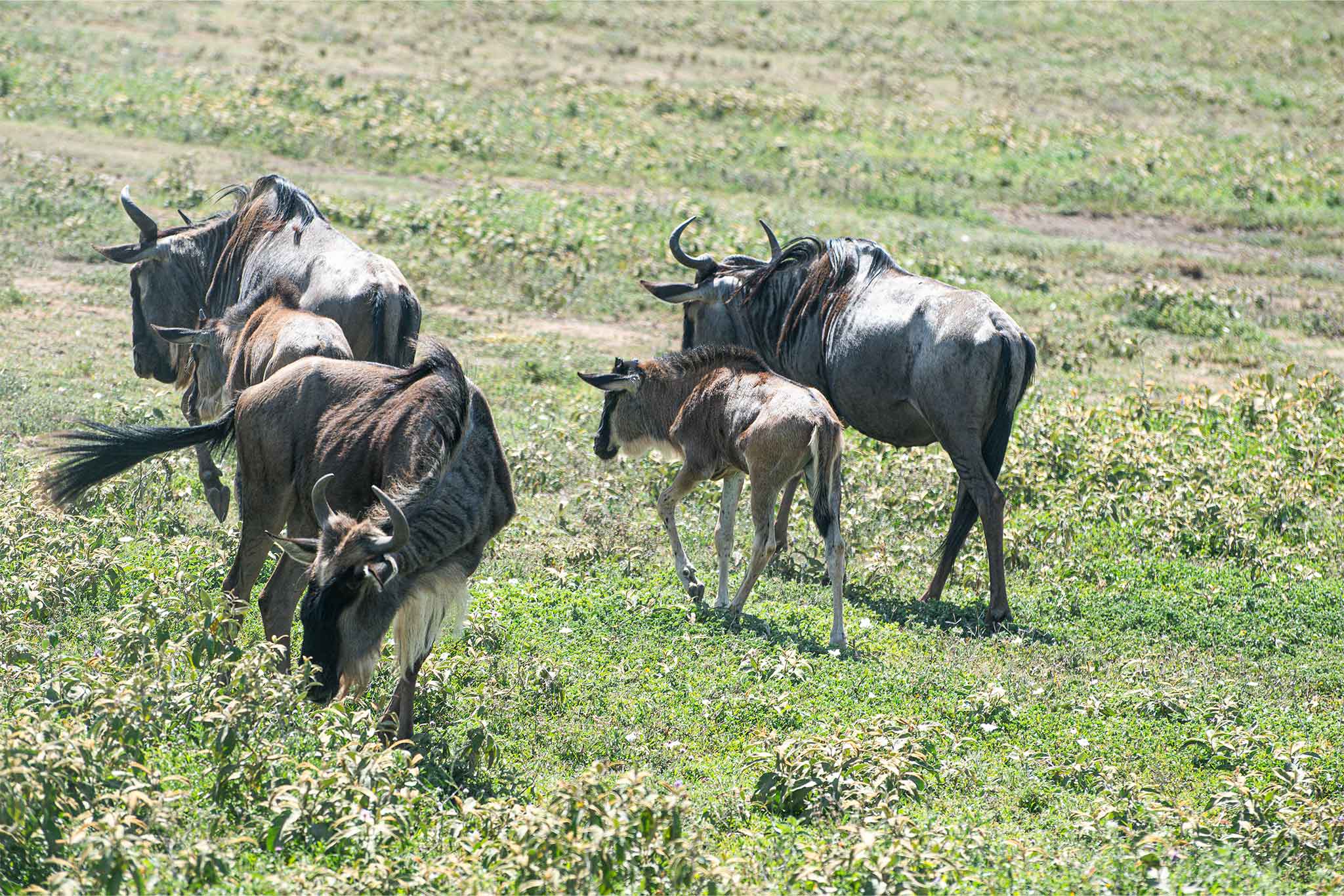
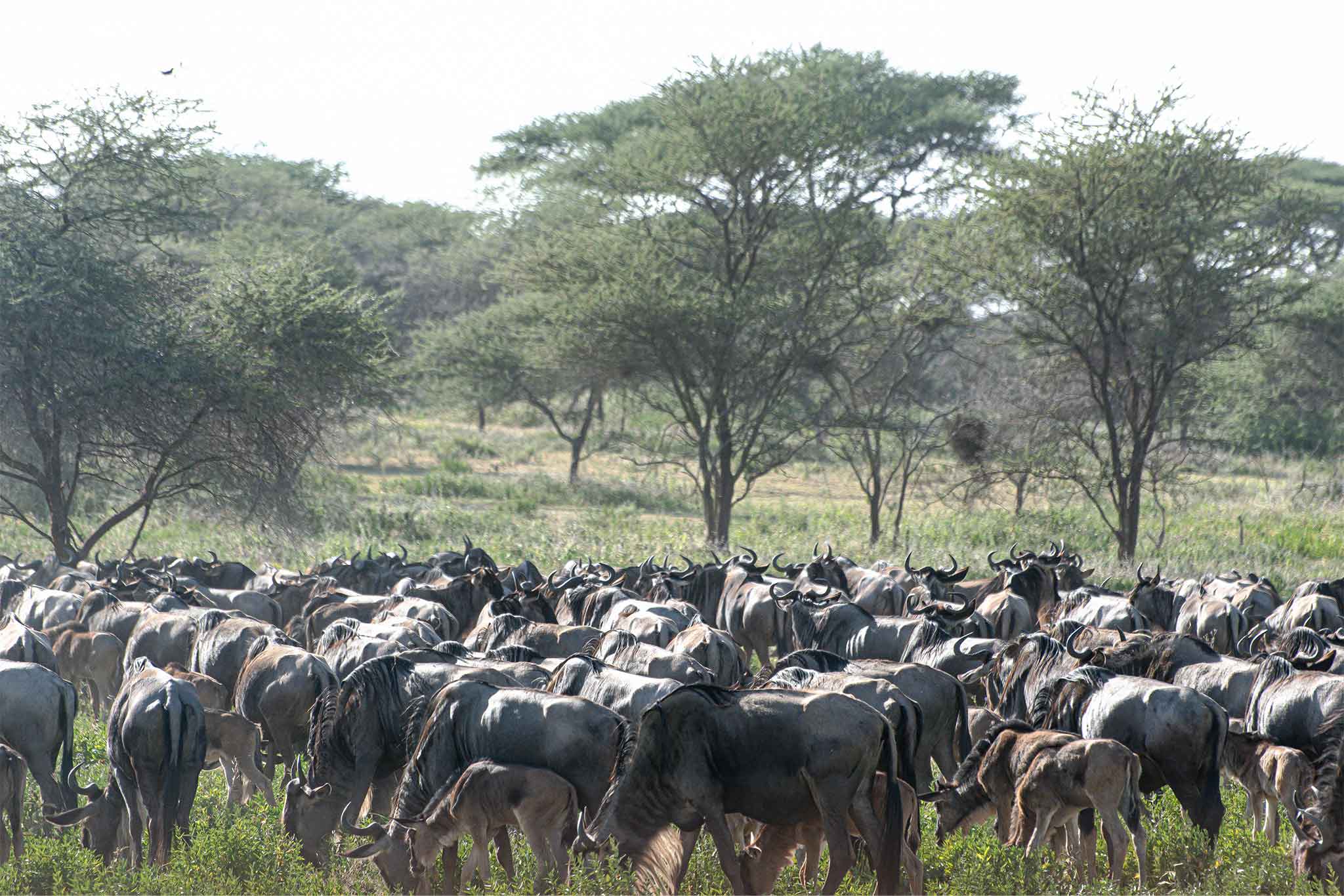
From July to October, the great herds of the Serengeti reach the far north of the park, where the Mara River blocks their path to fresh grazing. Again and again, thousands of wildebeest and zebra gather on the high banks, hesitate, and finally hurl themselves into the fast-flowing water, while Nile crocodiles wait below and lions watch from the far side. A river crossing is one of the most dramatic wildlife spectacles on earth, and this safari is designed to give you the best possible chance to see it.
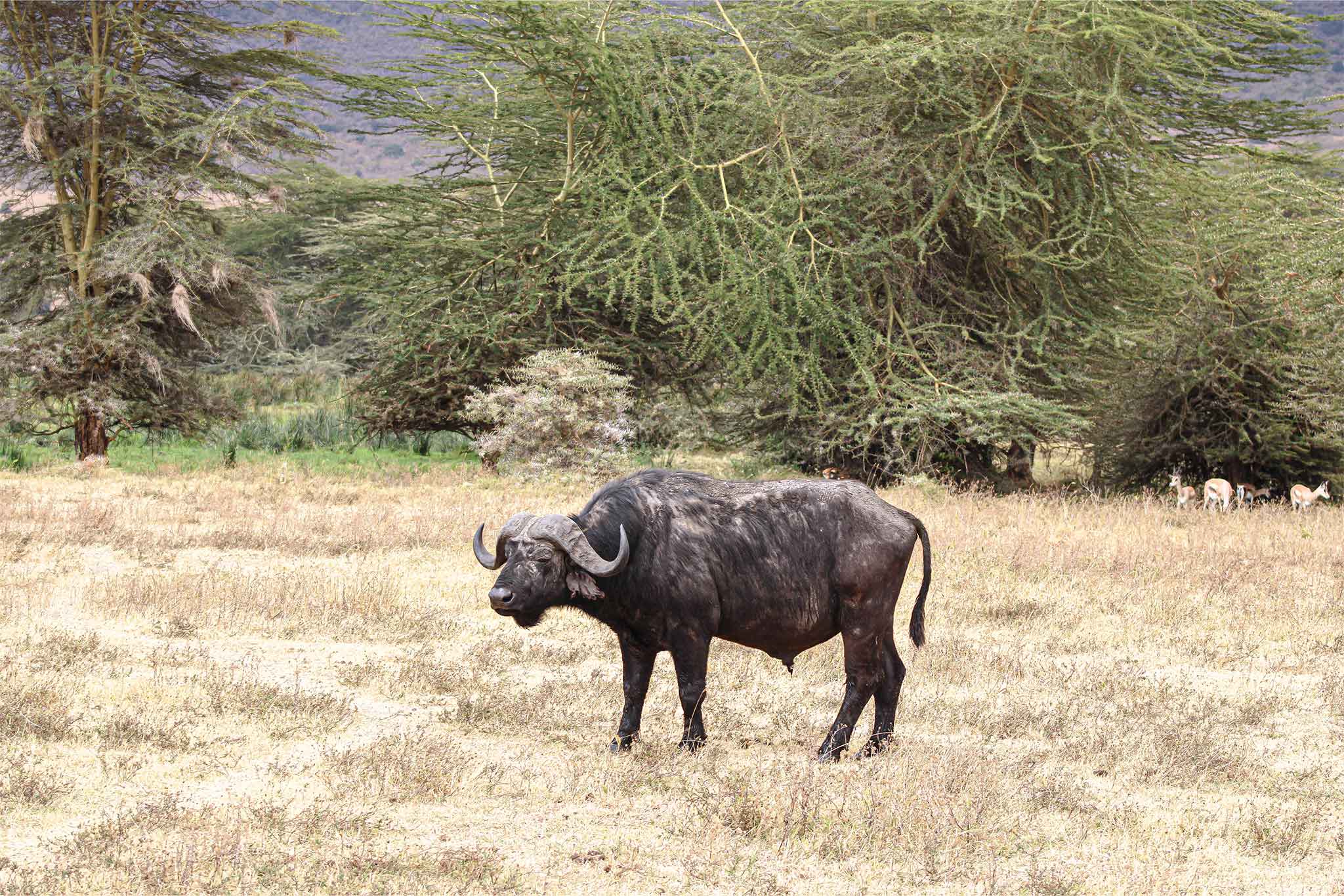
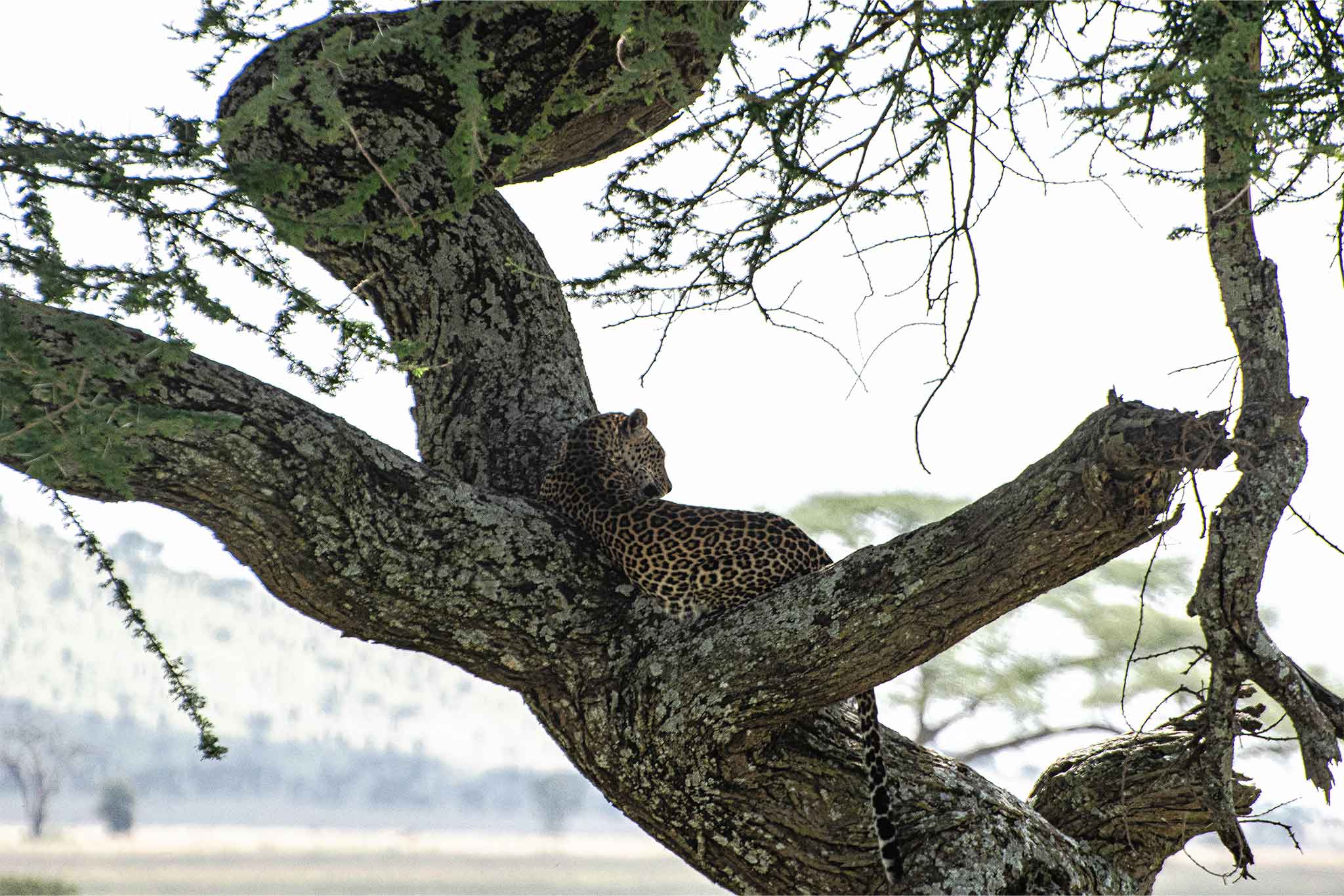
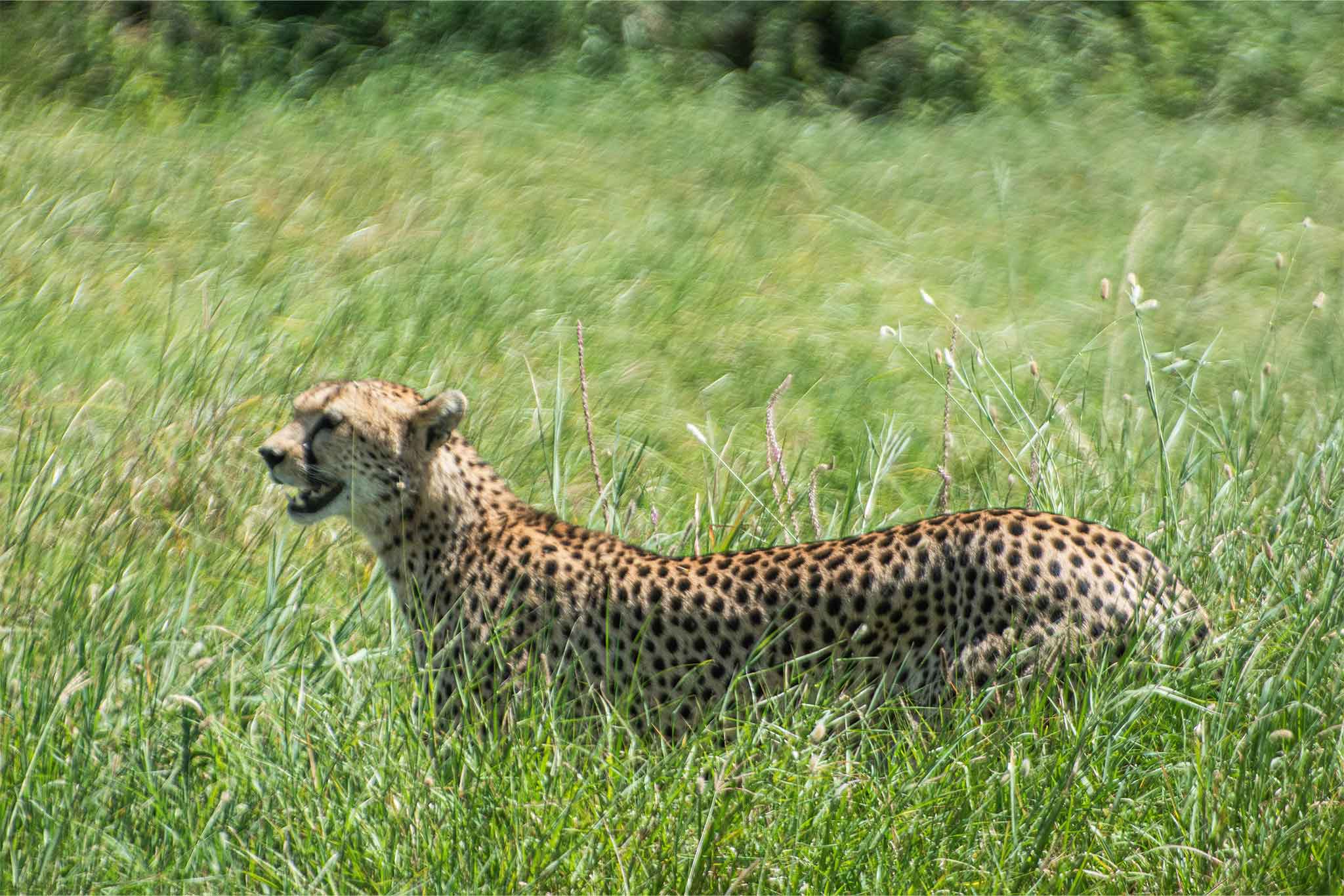
You spend three nights in the northern Serengeti, in the Kogatende area, close to the main crossing points on the Mara River. With full days and picnic lunches, your guide can wait patiently at the river and move quickly between crossing points as the herds build up. Away from the river, the north is a beautiful landscape of rolling hills, granite kopjes and riverine forest, with excellent resident lion, leopard, cheetah, elephant and buffalo.
The safari begins in Tarangire, famous for its elephant herds in the dry season, and crosses the central Serengeti on the way north and back, giving you time with its big cats. It ends with a morning in the Ngorongoro Crater, one of the best places in Africa to see black rhino.
Highlights
The heart of this safari is three nights in the northern Serengeti, close to the Mara River, where you wait with your guide as thousands of wildebeest and zebra gather on the banks and plunge into the water. Huge Nile crocodiles lie in wait, and lions and hyenas often watch from the far side. Even between crossings, the sight of the herds spread across the northern hills is unforgettable.
The north also has excellent resident wildlife, including lion prides, leopard in the riverine forest, and cheetah on the plains. On the way, you enjoy Tarangire at its best, with hundreds of elephants along the river in the dry season, the big cats of the central Serengeti and a final game drive in the Ngorongoro Crater.
Discover Tanzania
Crafted for you
Tailor make your trip with iTour Tanzania
Every journey can be shaped around your pace, lodges, and must-do moments. Tell us what matters most and we will build it with you.
Build your tripYour adventure begins
A taste of what to expect on this journey
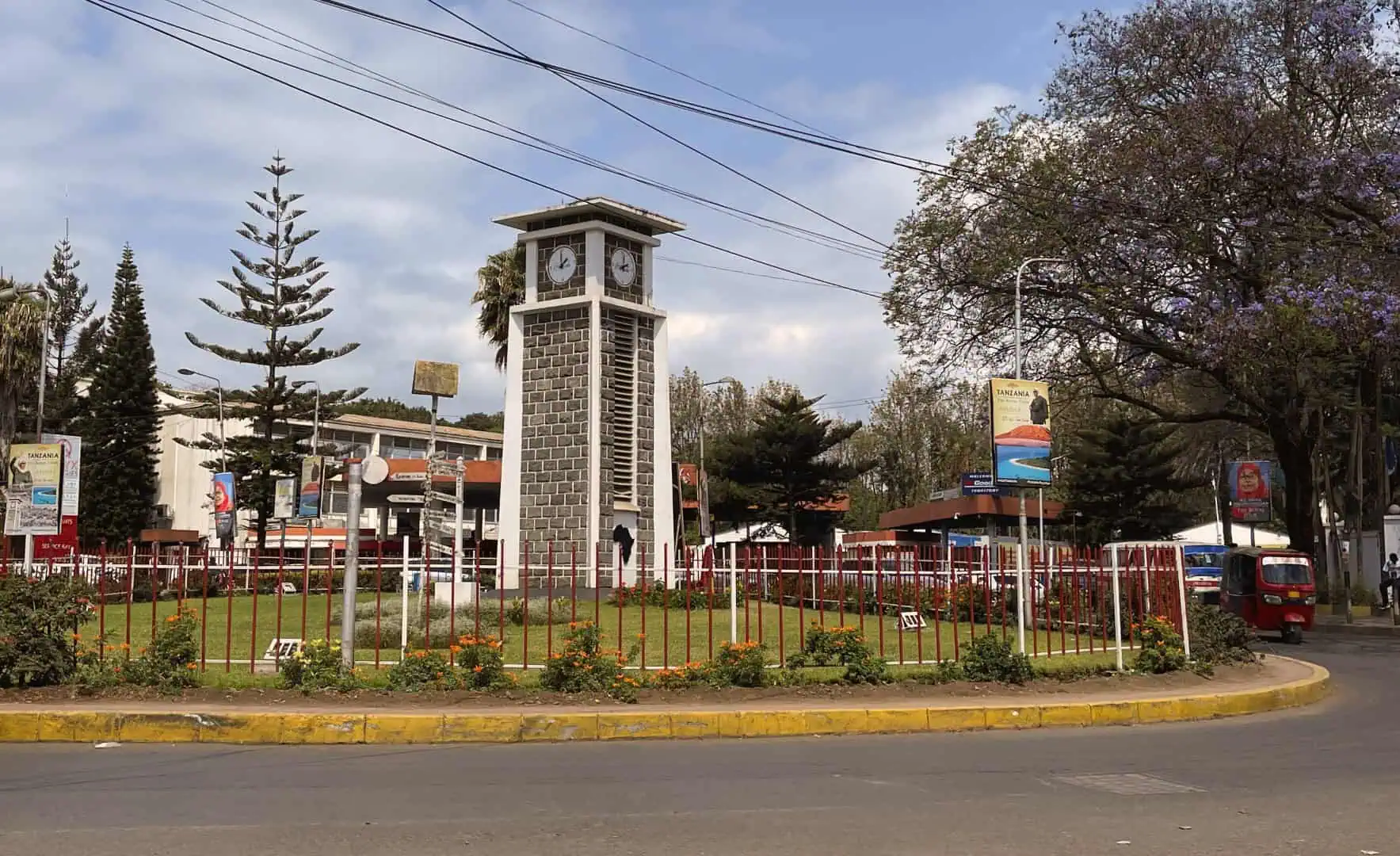
Arrival in Arusha
Your adventure begins at Kilimanjaro International Airport, where your safari guide is waiting to greet you. From July to October, the air is dry and clear, and on the hour-long drive to Arusha you may see both Kilimanjaro and Mount Meru.
Spend the afternoon at your hotel resting and adjusting to the time difference. It is a good moment to charge camera batteries and check that your binoculars and memory cards are ready, as the next week will be busy.
At dinner, your guide explains how the safari will run, including how guides share information to track the herds in the north, and what to expect at a river crossing.
Meals: Dinner
Arusha to Tarangire National Park
In the dry season, Tarangire is at its very best, so the trip begins here. Leave Arusha after breakfast and drive about two hours across the Maasai Steppe to the park gate.
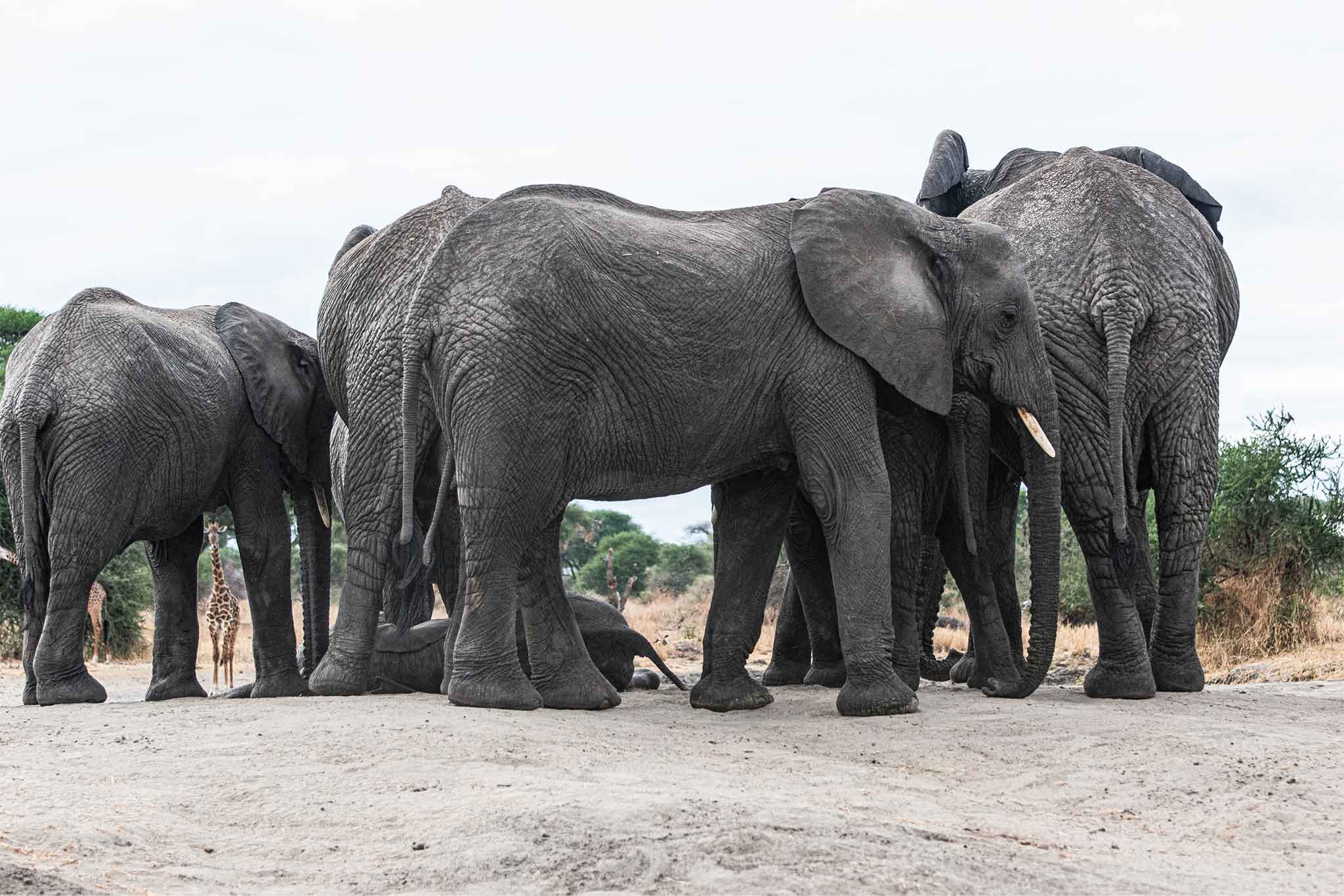
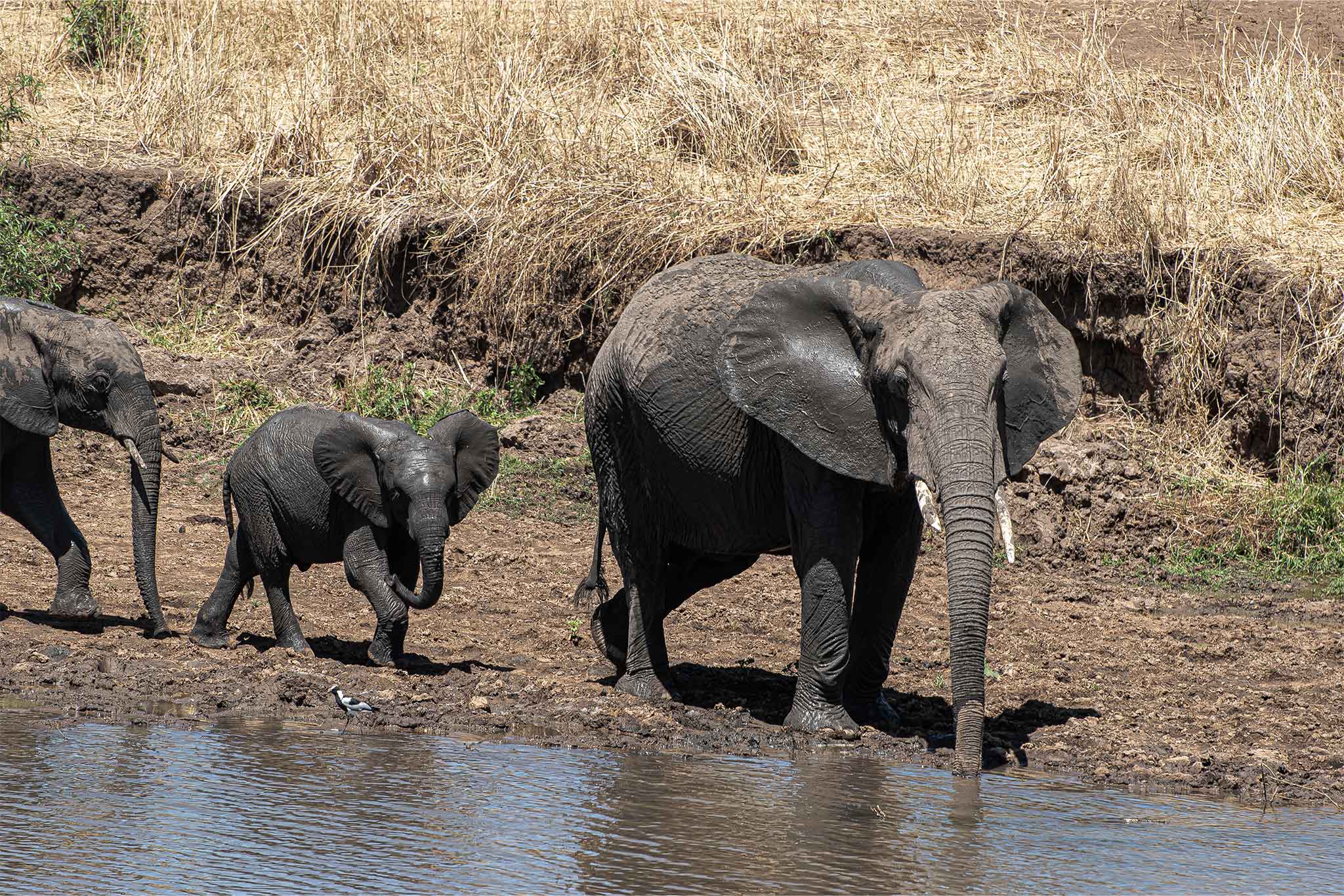
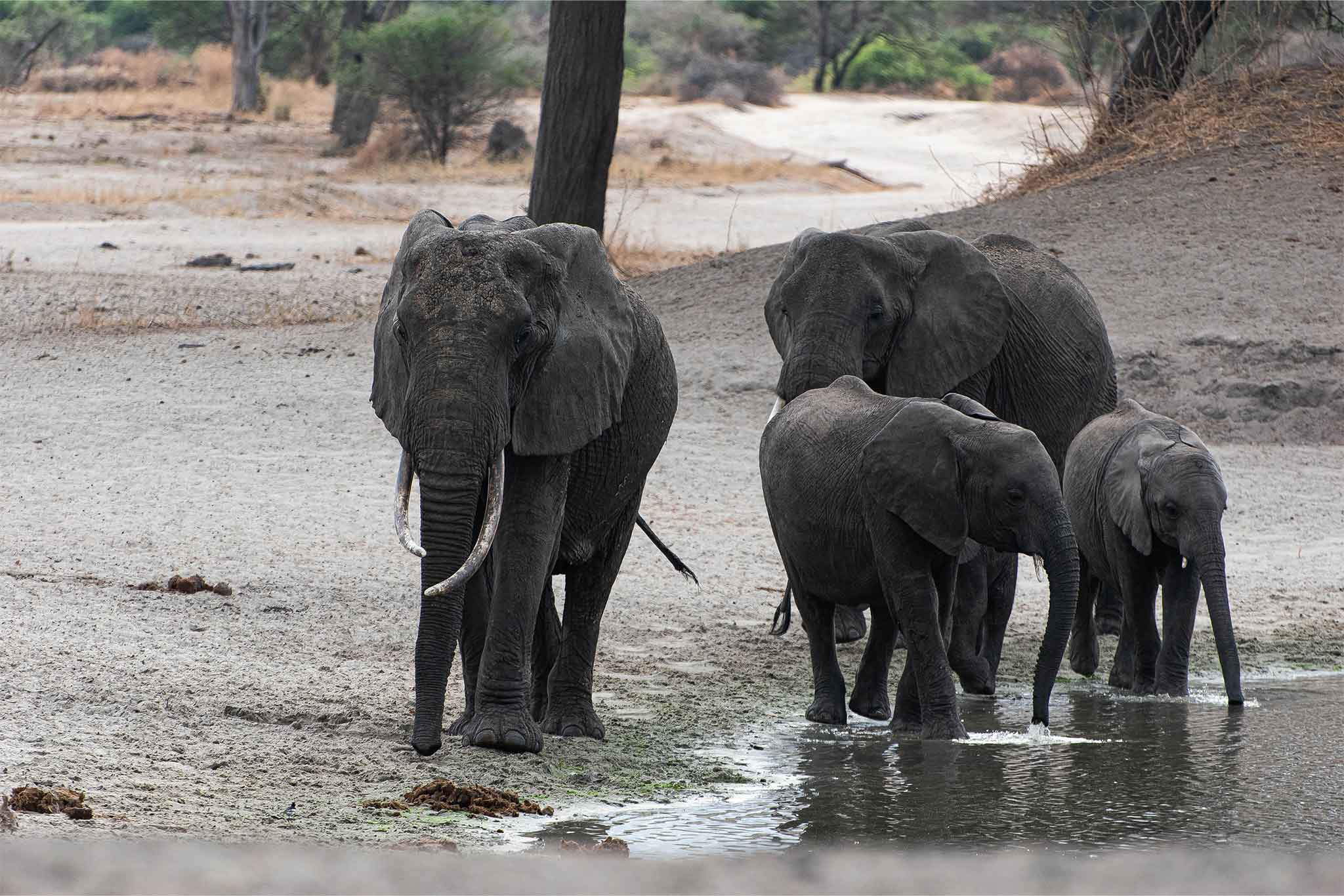
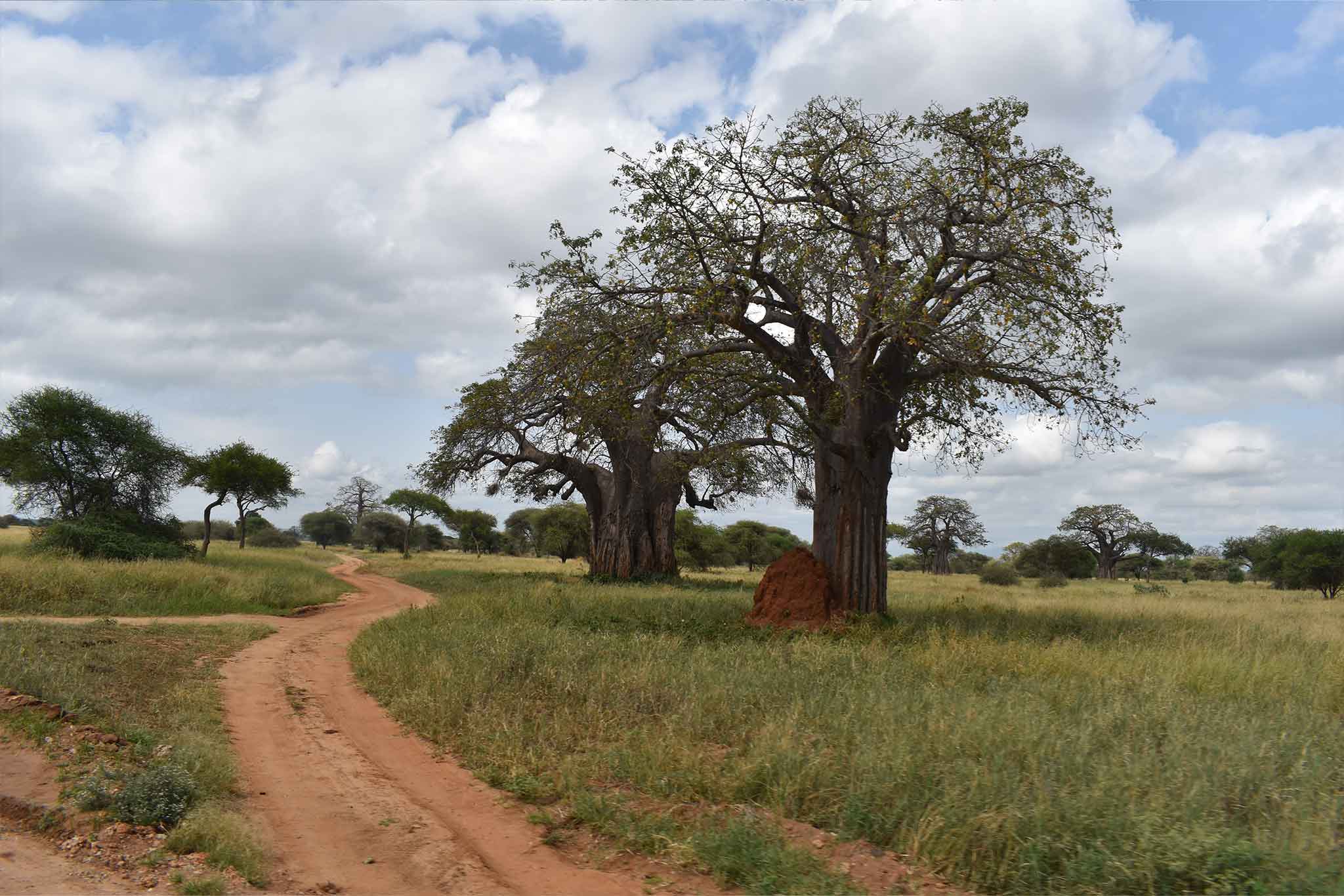
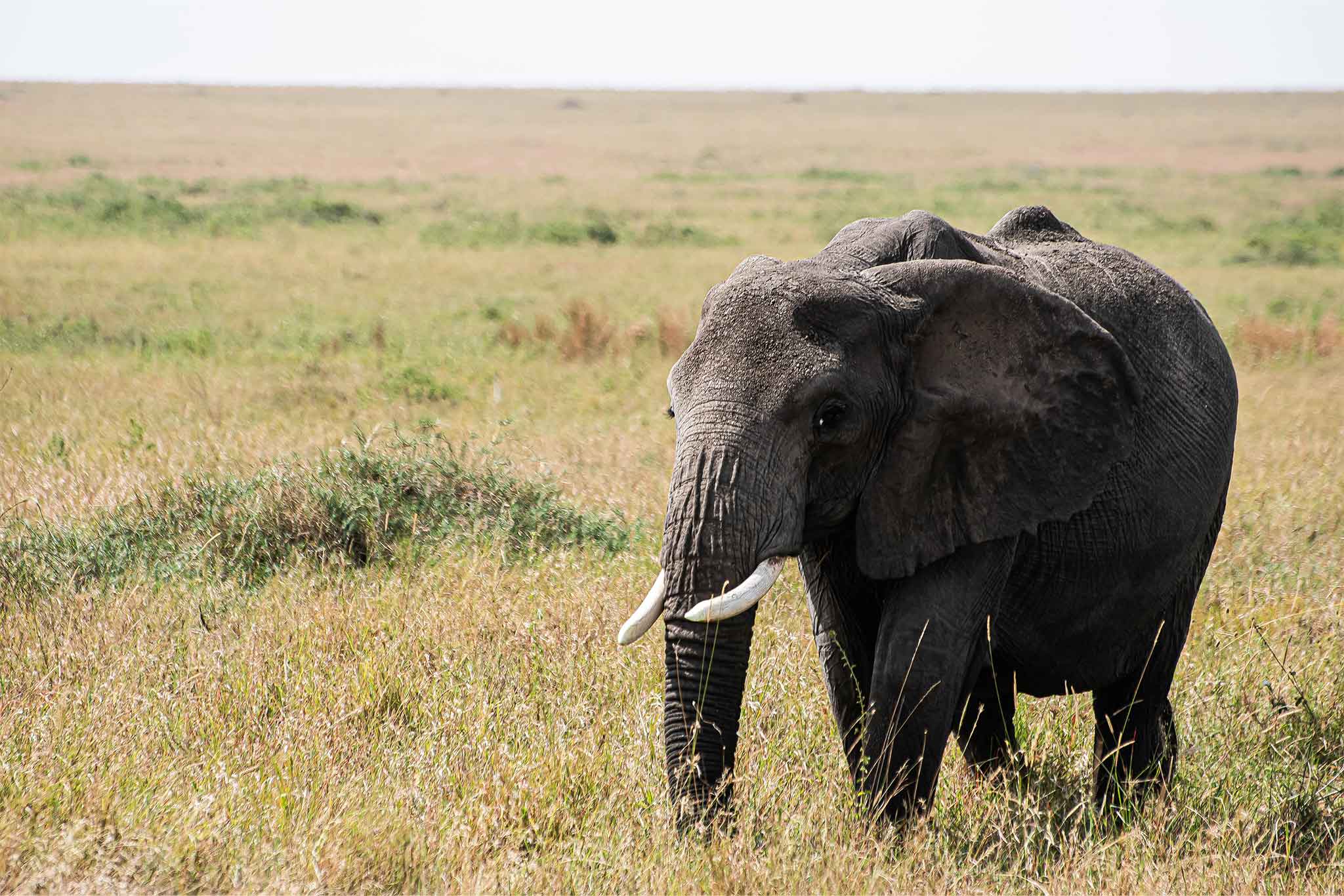
As the rest of the land dries out, the Tarangire River becomes a magnet for wildlife, and herds of hundreds of elephants gather along its banks. Spend the day among the baobabs watching elephants dig for water in the riverbed, and look for lions, leopards, buffalo and the rare fringe-eared oryx. Lunch is a picnic in the park.
Arrive at your lodge in the late afternoon and enjoy sundowners as elephants pass by below.
Meals: Breakfast, Lunch, Dinner
Tarangire to Central Serengeti
Drive 6–7 hrs with game viewing
Today you head for the Serengeti. The drive climbs the Rift Valley wall and passes through the cool forest of the Ngorongoro highlands, where you stop at a viewpoint looking down into the crater, a preview of the end of the trip.
Beyond the highlands, the road descends onto golden, dry-season plains. After a picnic lunch at Naabi Hill Gate, you enter the Serengeti proper and begin game viewing.
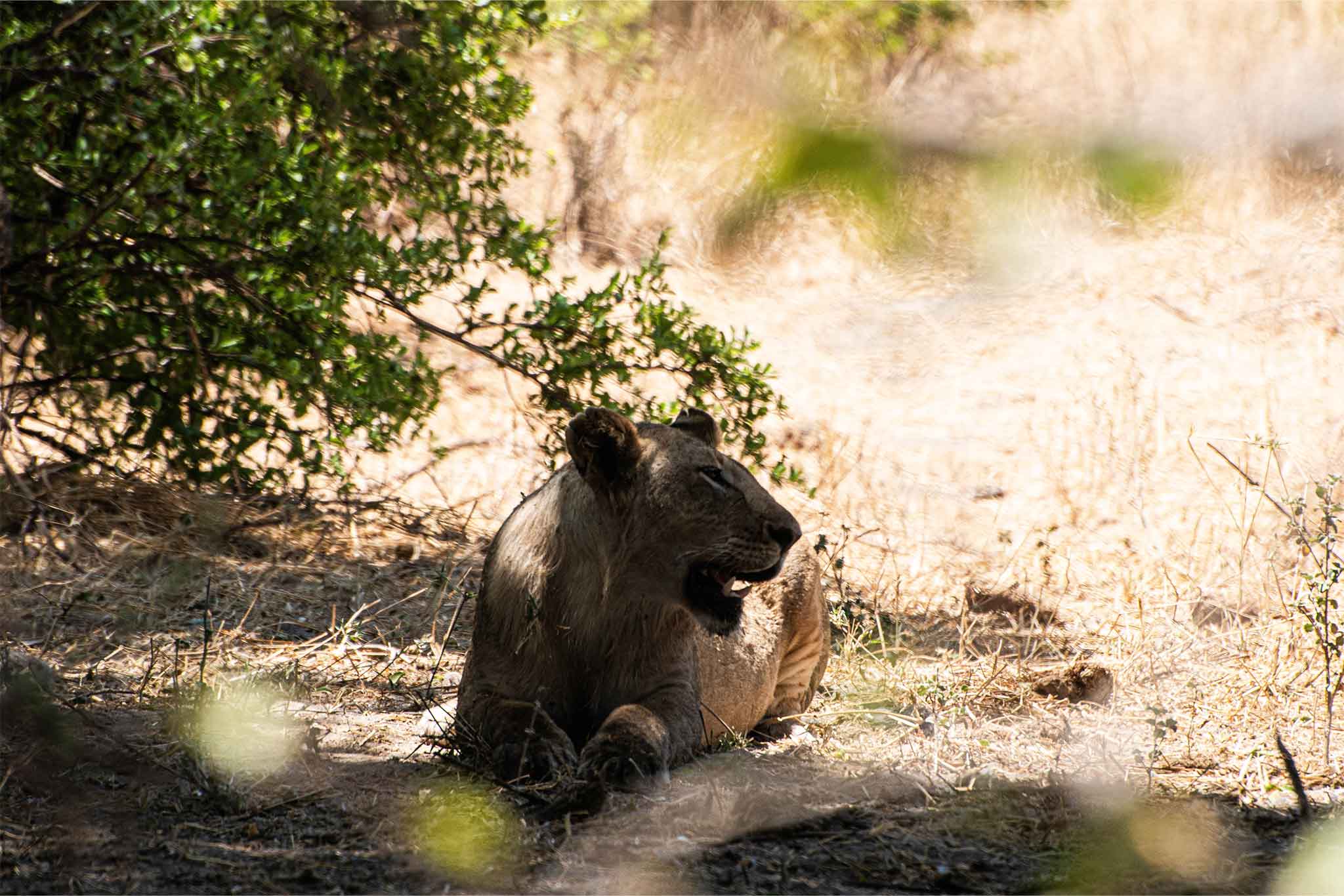
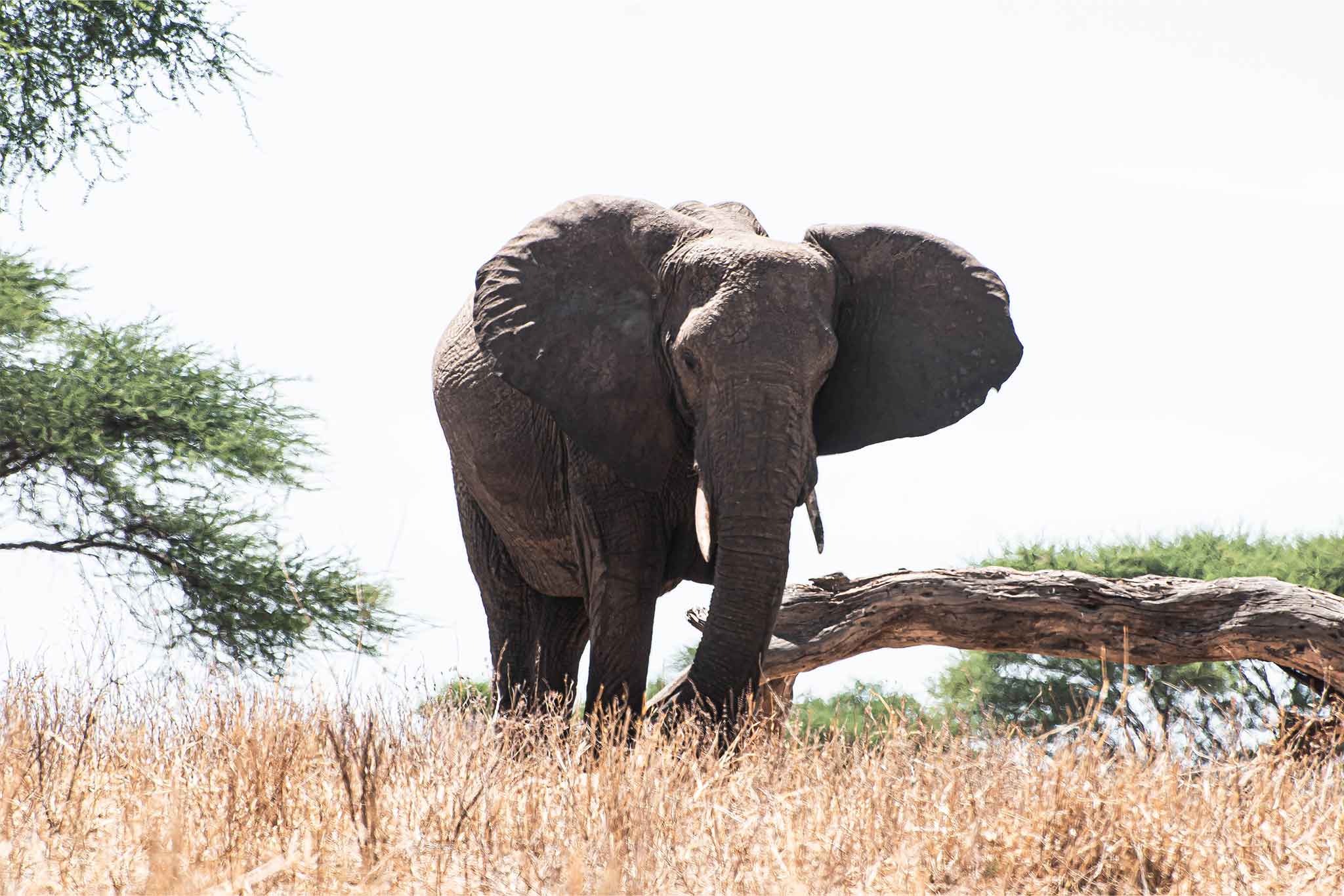
Spend the afternoon in the Seronera Valley, the heart of the central Serengeti, where the river attracts animals all year. Lions, leopards and cheetahs are all regularly seen here. Overnight in the central Serengeti before heading north tomorrow.
Meals: Breakfast, Lunch, Dinner
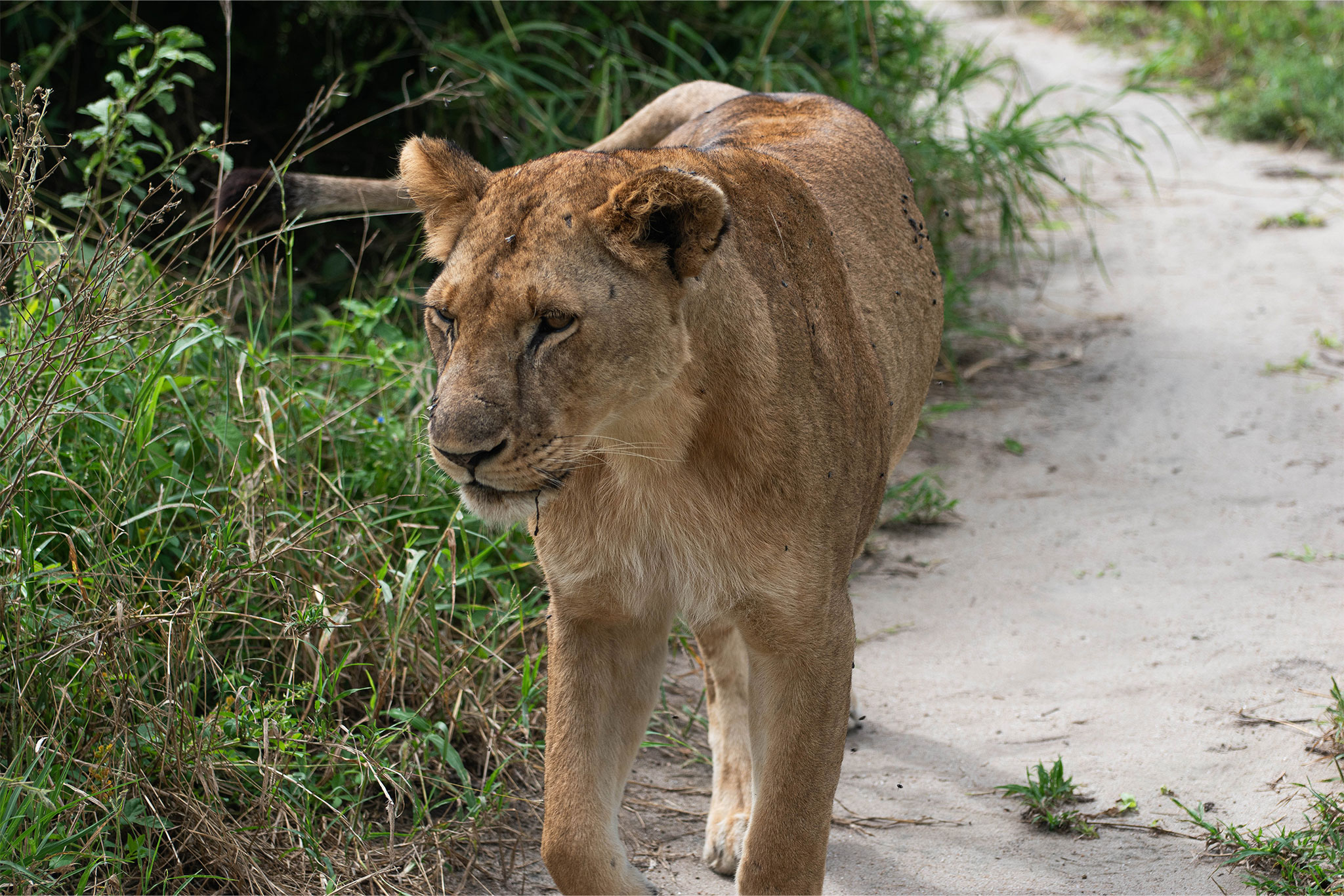
Central Serengeti to the northern Serengeti (Kogatende)
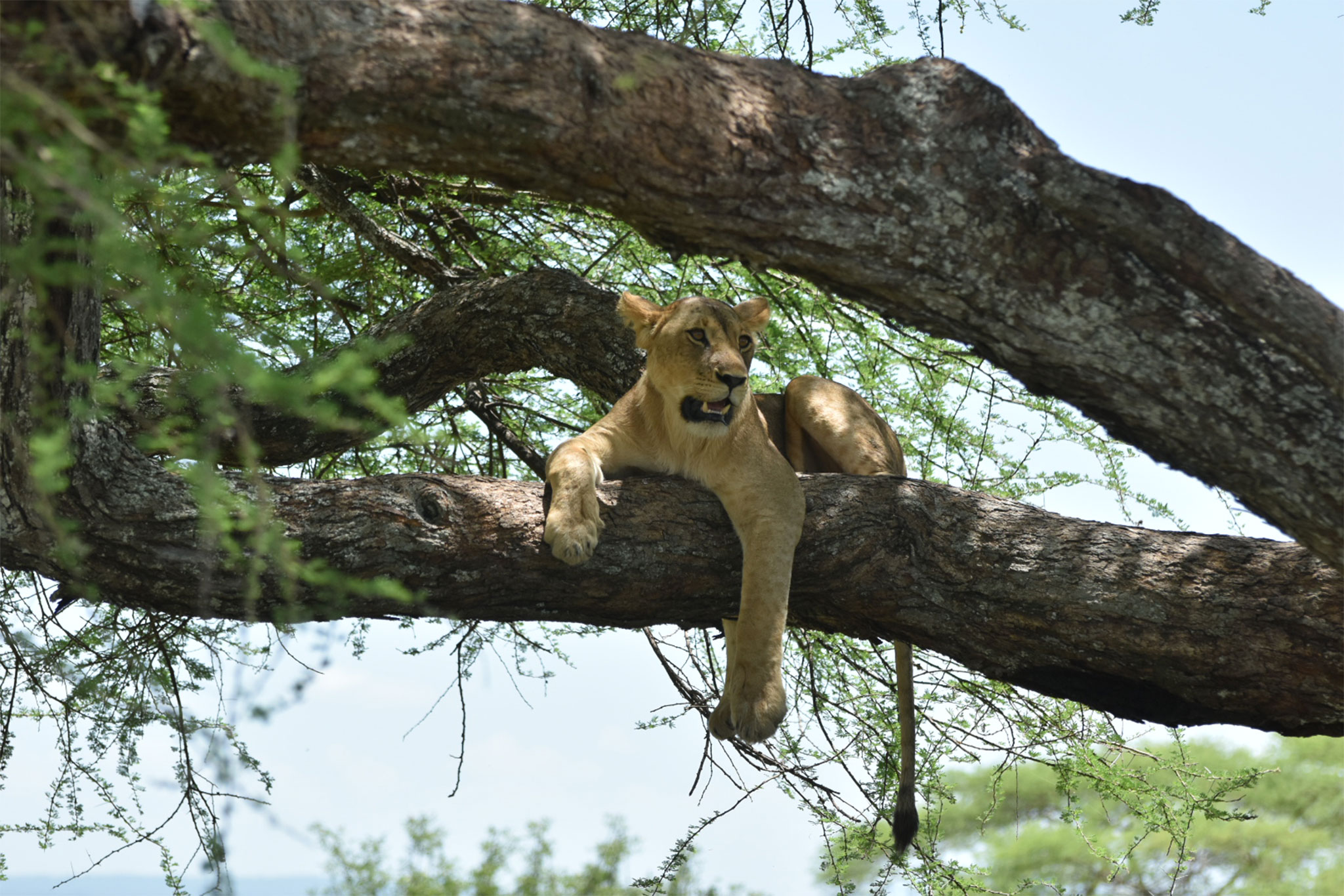
Enjoy an early morning game drive around Seronera, then head north. The road passes through the Lobo area, a beautiful landscape of granite kopjes and rolling hills, where lions often rest on the rocks and elephants feed in the woodland.
As you continue north towards the Kenyan border, you start to meet the migration herds spread across the hills. Stop for a picnic lunch along the way.
Arrive in the Kogatende area in the afternoon, close to the Mara River. If the herds are gathering, your guide may head straight to the river for your first chance of a crossing before you check in to your camp.
Meals: Breakfast, Lunch, Dinner
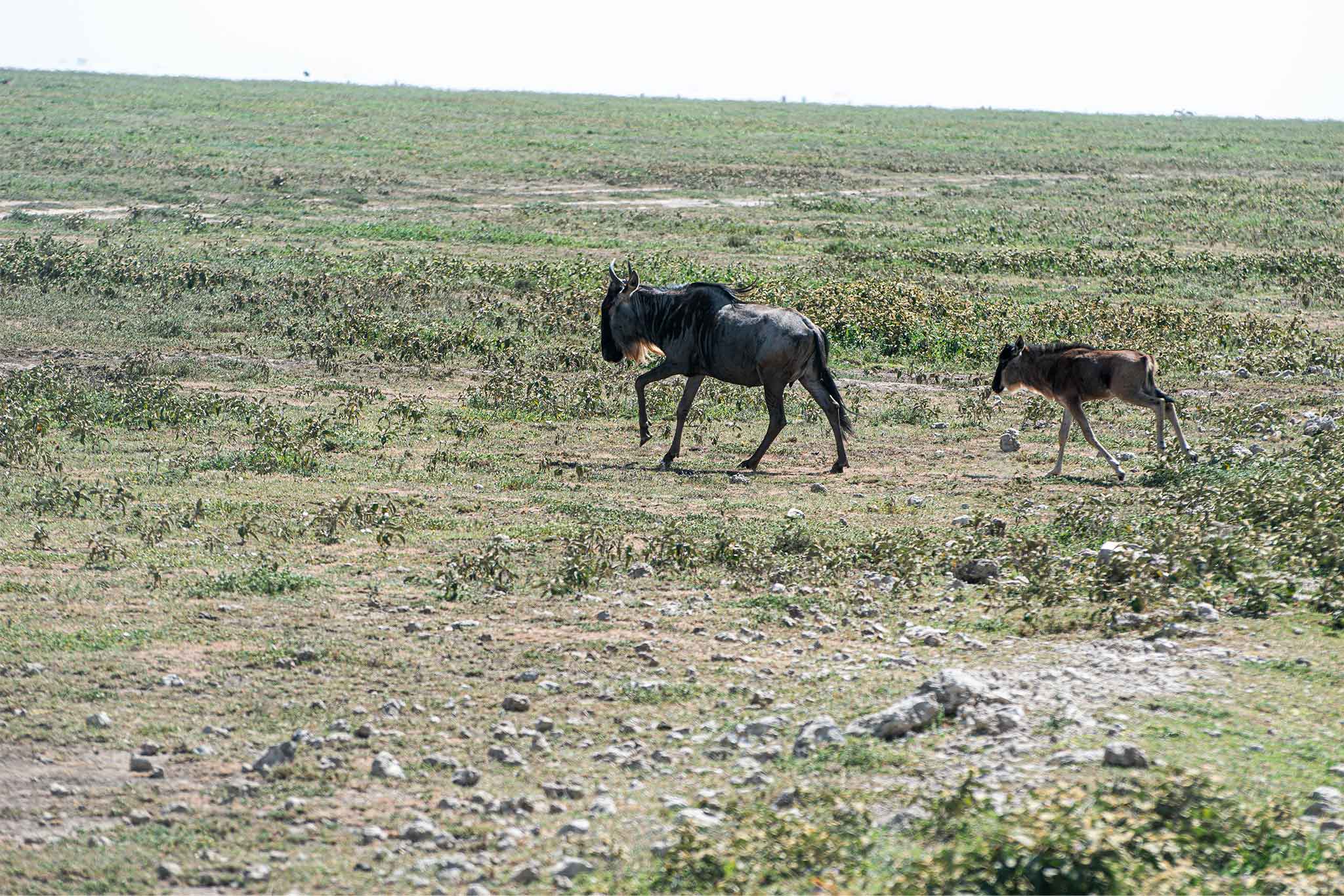
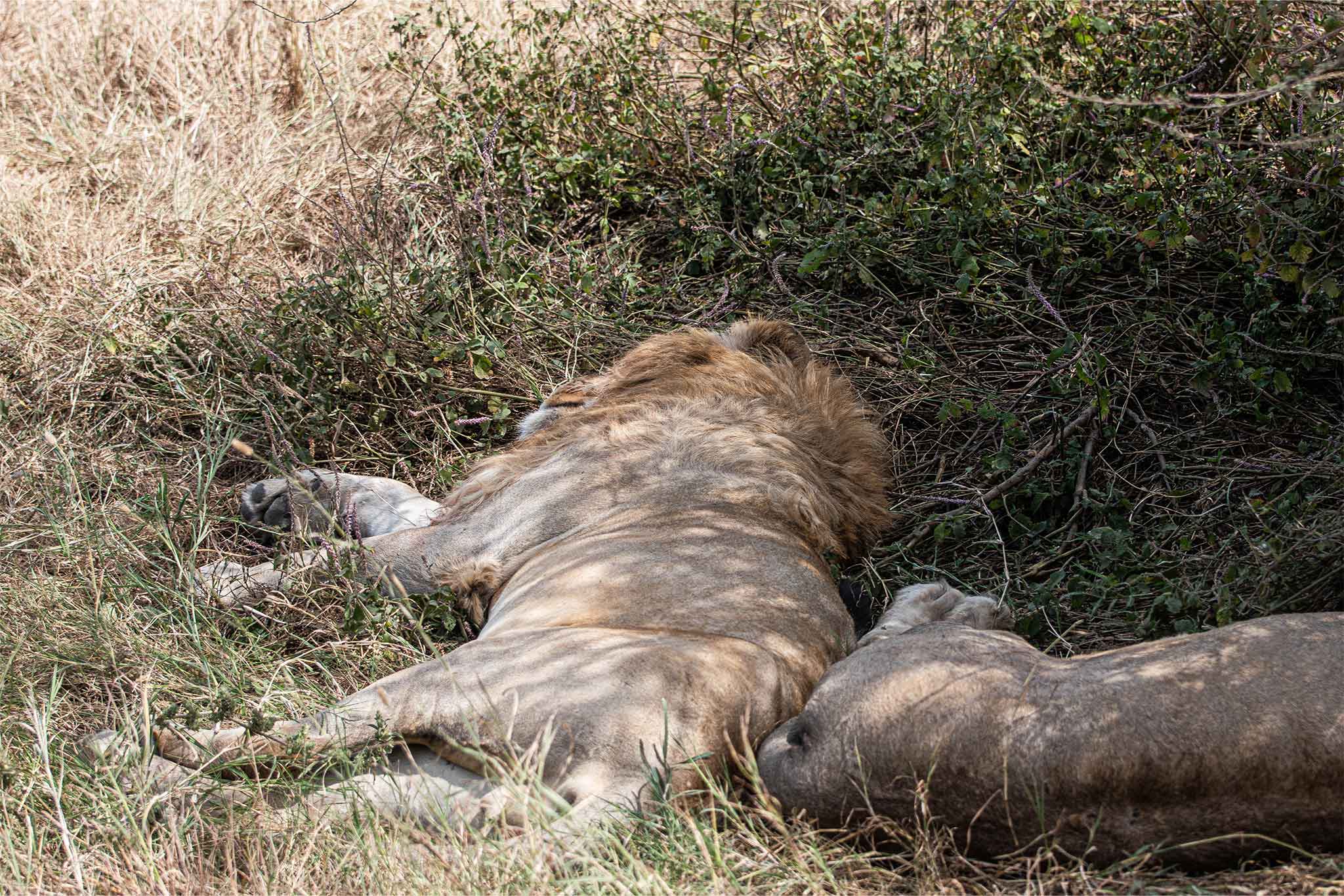
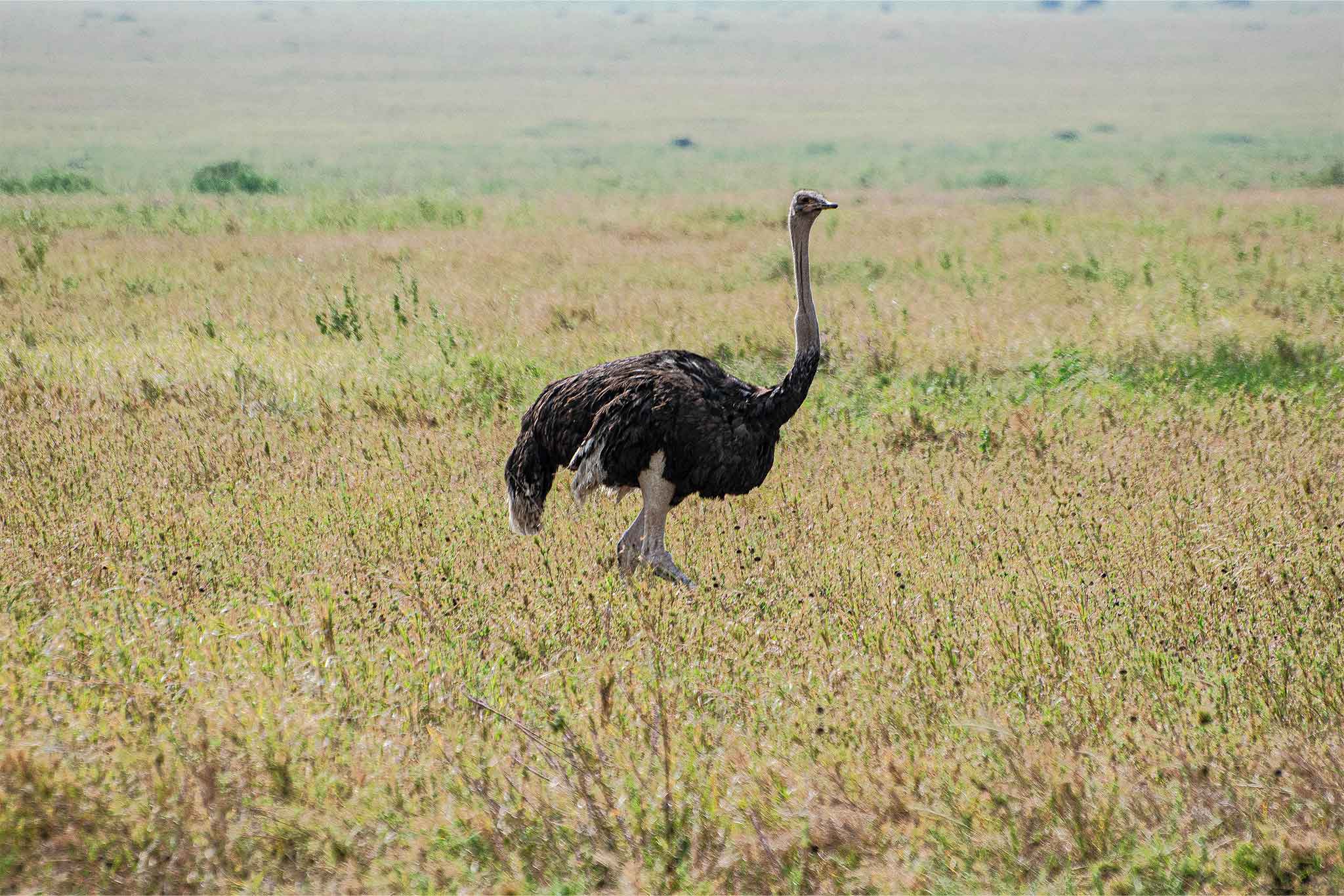
Full day at the Mara River
Full-day game drives
Leave camp early with a packed breakfast. Your guide talks to other guides by radio and phone to find where the herds are gathering along the river.
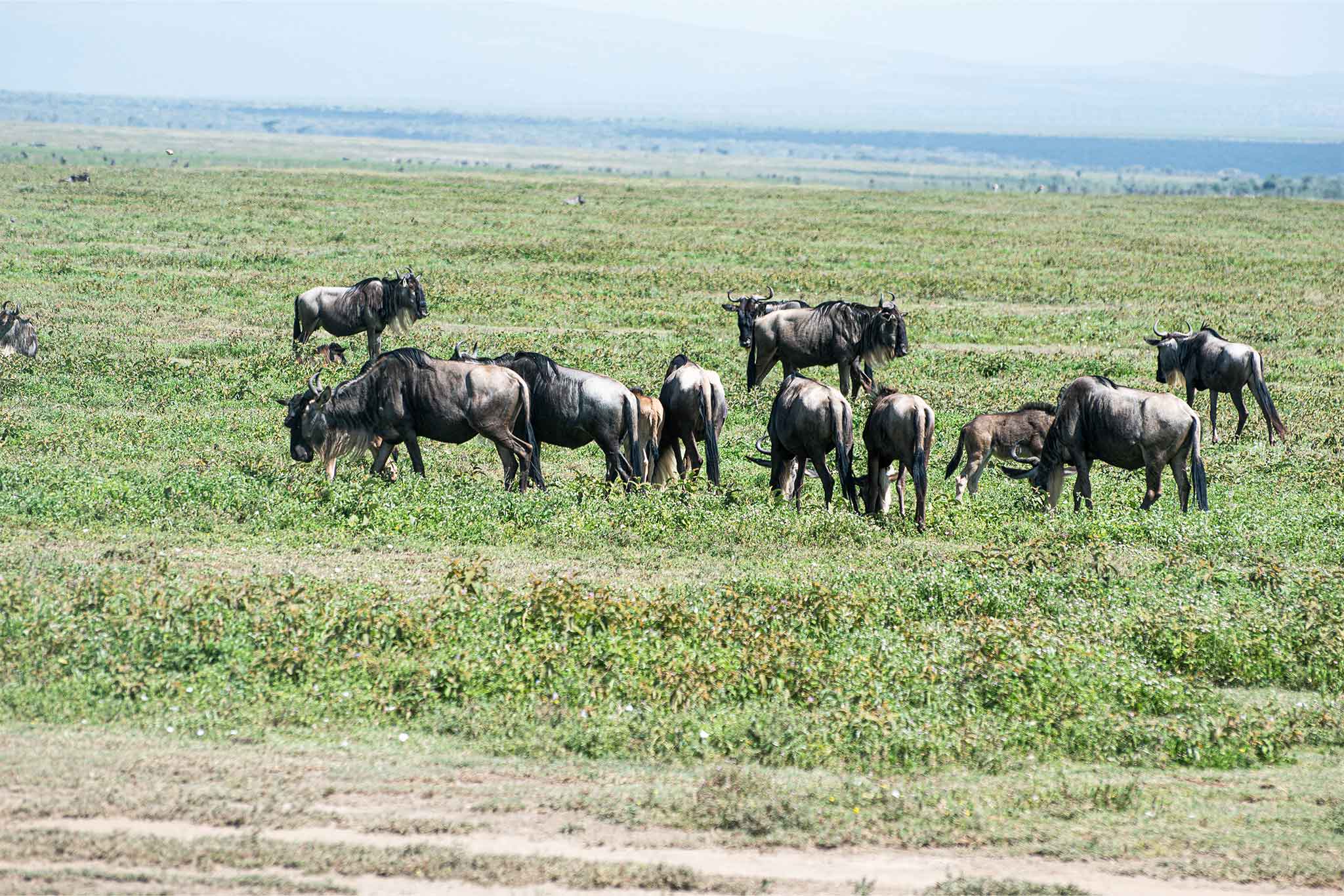
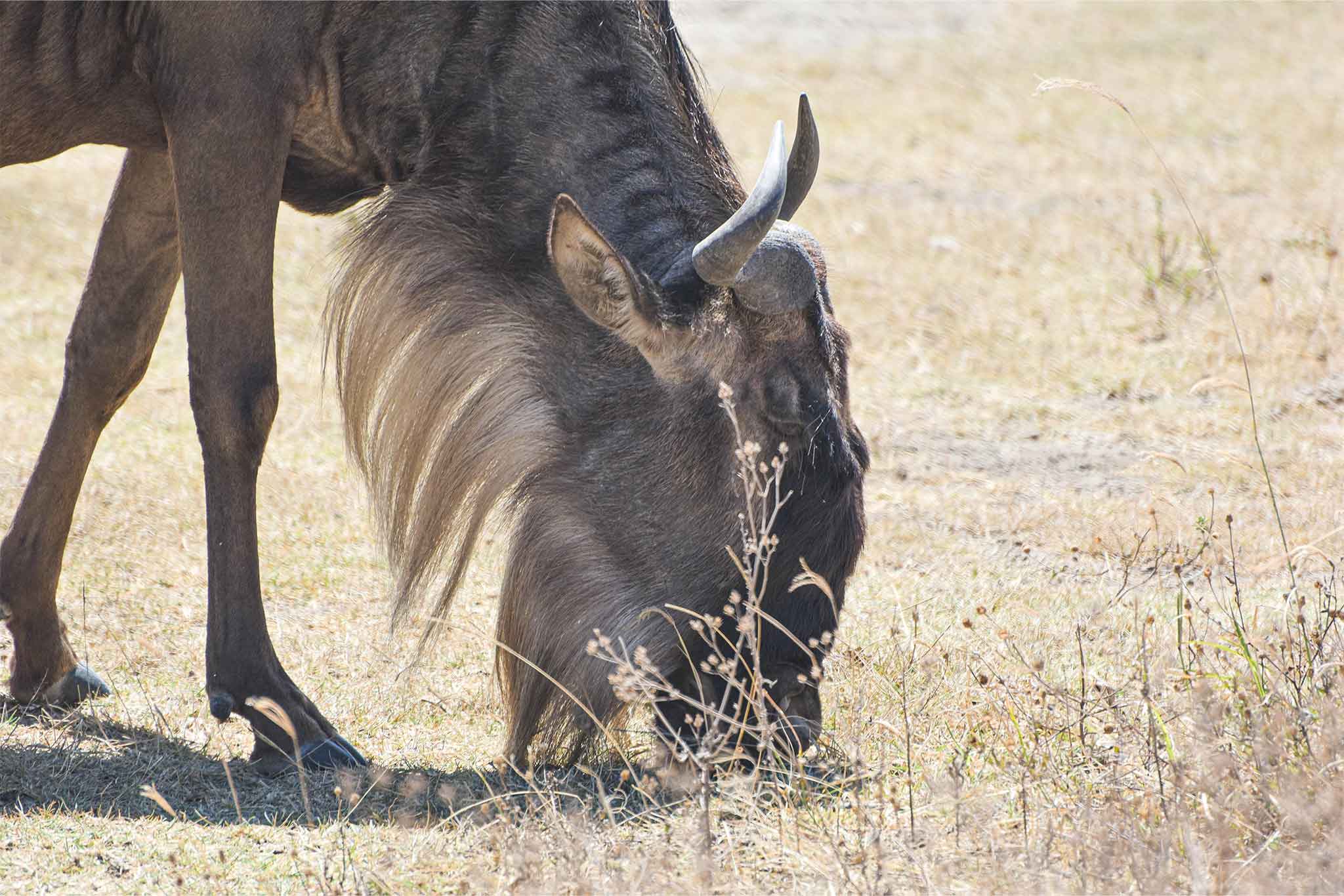
When a large group of wildebeest and zebra builds up on the bank, you wait quietly at a safe distance. The animals may hesitate for hours before one finally jumps, and then thousands follow in a rush of dust, splashing water and noise, while crocodiles strike and lions and hyenas wait on the far bank. Crossings can happen at any time of day, so patience is rewarded. Enjoy a picnic lunch near the river so you never have to leave.
Between crossings, look for the resident wildlife of the north: hippos in the river pools, elephants, giraffe and the lion prides that follow the herds. Return to camp in the late afternoon for sundowners and dinner.
Meals: Breakfast, Lunch, Dinner
Second full day in the northern Serengeti
Full-day game drives
Another full day in the north. Start with an optional sunrise balloon flight over the river and the herds, or head out early to a different crossing point.
Depending on where the herds are, your guide may cross the river to the Lamai Wedge, a scenic area between the Mara River and the Kenyan border, or explore the Bologonja area, known for its resident big cats. Spend time at the river if the herds are building up, or search the kopjes and riverine forest for leopard and cheetah. Enjoy another picnic lunch in the bush.
Return to camp for a final evening in the north, with the sounds of the migration all around you.
Meals: Breakfast, Lunch, Dinner
Northern Serengeti to Central Serengeti
Drive 4–5 hrs with game viewing
Spend the early morning at the river for a last chance of a crossing. After breakfast, begin the drive south through Lobo and the eastern kopjes.
Stop for a picnic lunch along the way, with game viewing as you go.
In the afternoon, explore the Seronera Valley, where leopards rest in the sausage trees and lion prides patrol the river. Check in to your lodge or camp in the central Serengeti for the night.
Meals: Breakfast, Lunch, Dinner
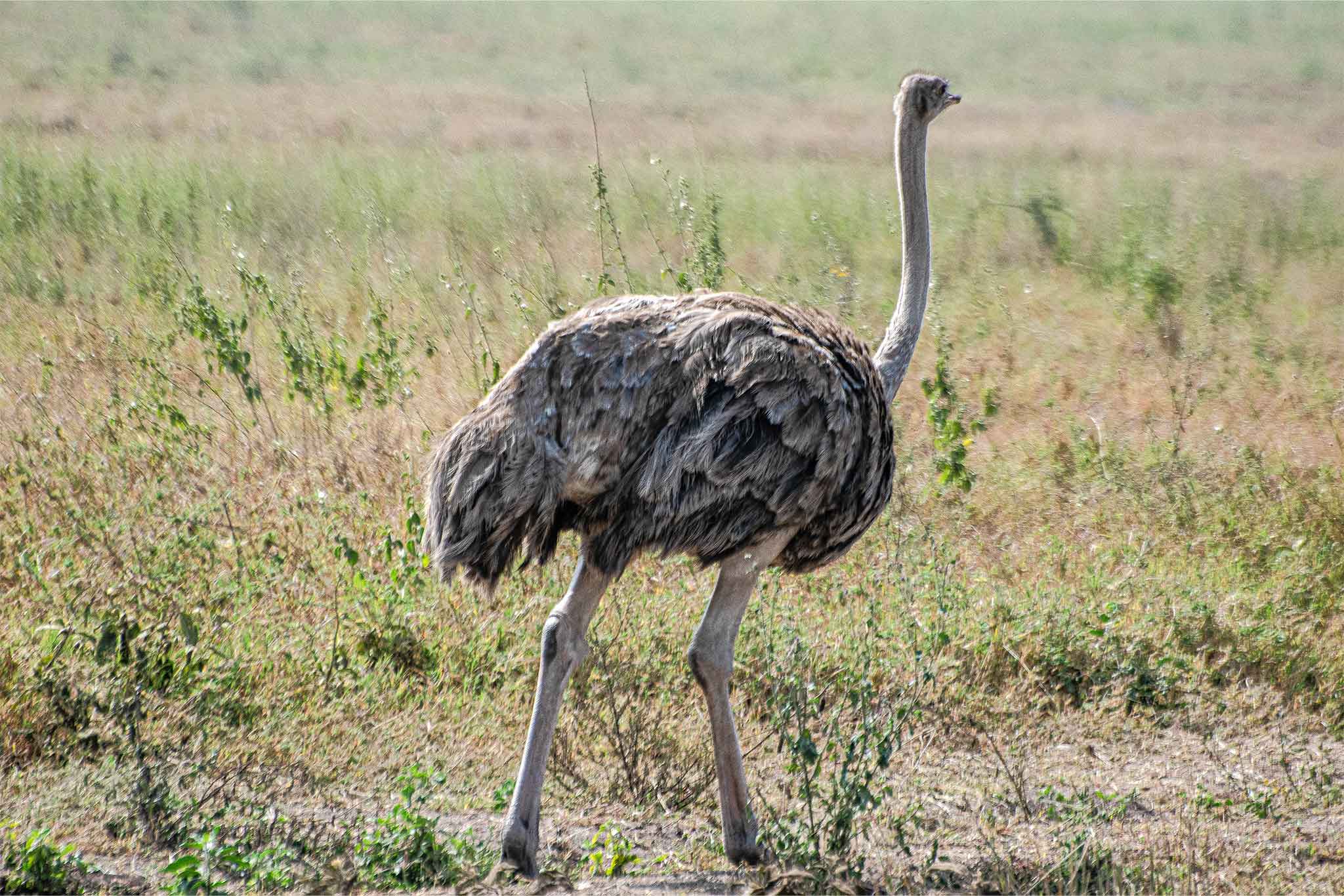
Serengeti to Ngorongoro
Drive 4–5 hrs with game viewing
Enjoy a final early drive around Seronera, then cross the southern plains back to Naabi Hill and the Ngorongoro Conservation Area.
On the way, there is time to visit the Olduvai Gorge museum, one of the most important fossil sites on earth, or stop at a Maasai boma (both optional).
Climb into the highlands and arrive at your lodge on the crater rim or in Karatu, where you can reflect on the crossings you have seen over dinner.
Meals: Breakfast, Lunch, Dinner
Ngorongoro Crater and departure
Crater tour ~6 hrs · Drive 4 hrs
The last morning is spent in the Ngorongoro Crater. Descending early gives you the crater floor at its quietest, with mist lifting off Lake Magadi and animals still active.
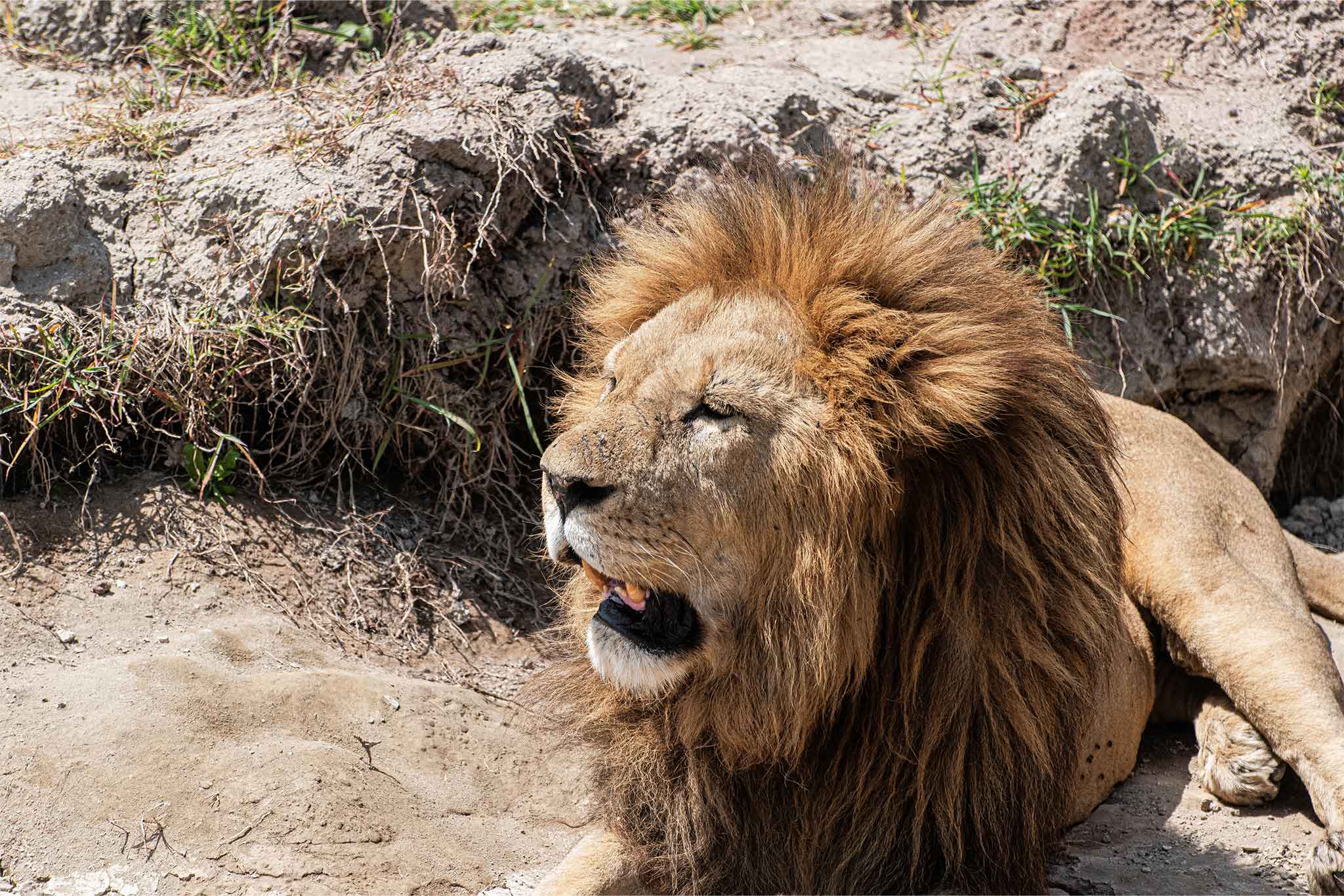
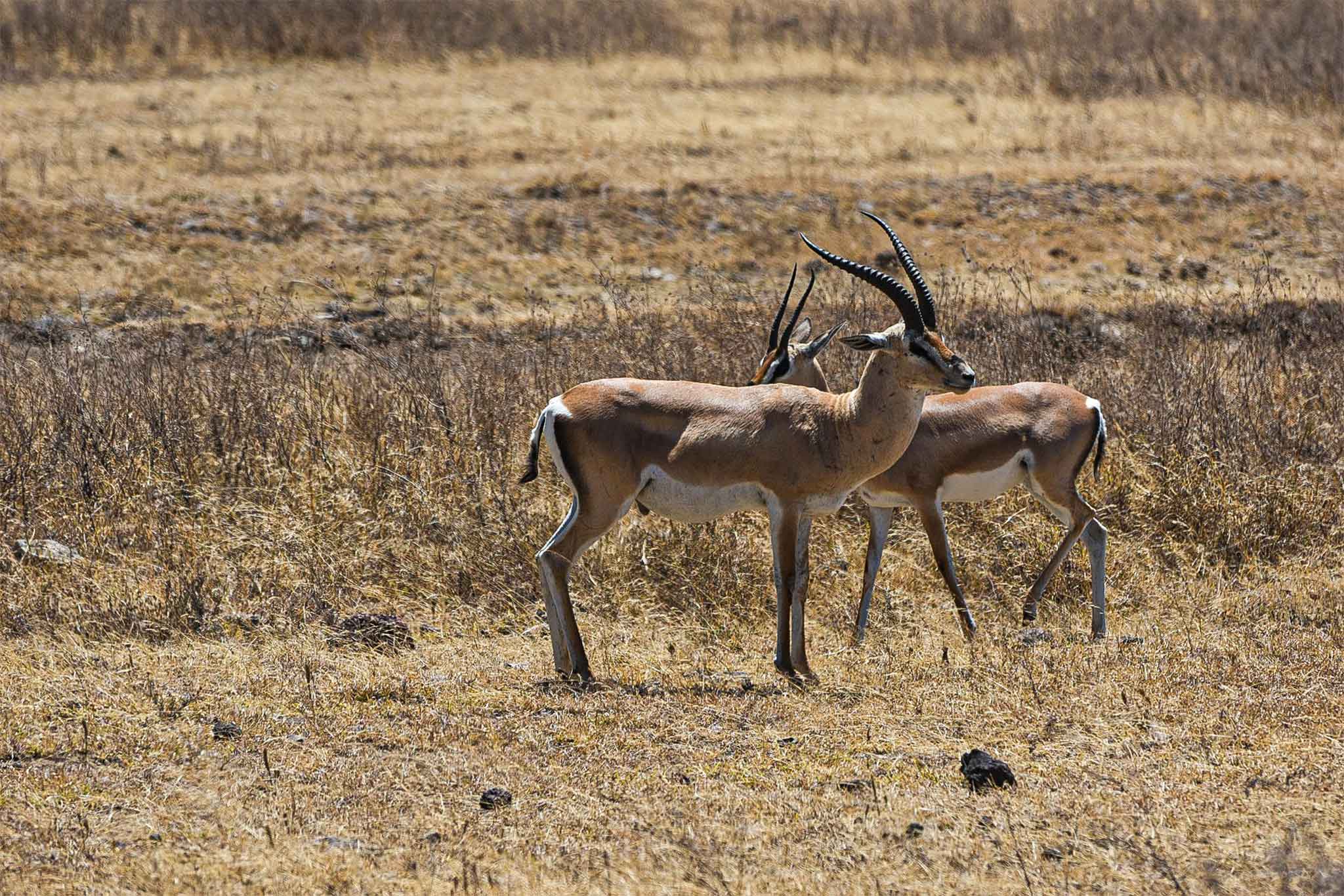
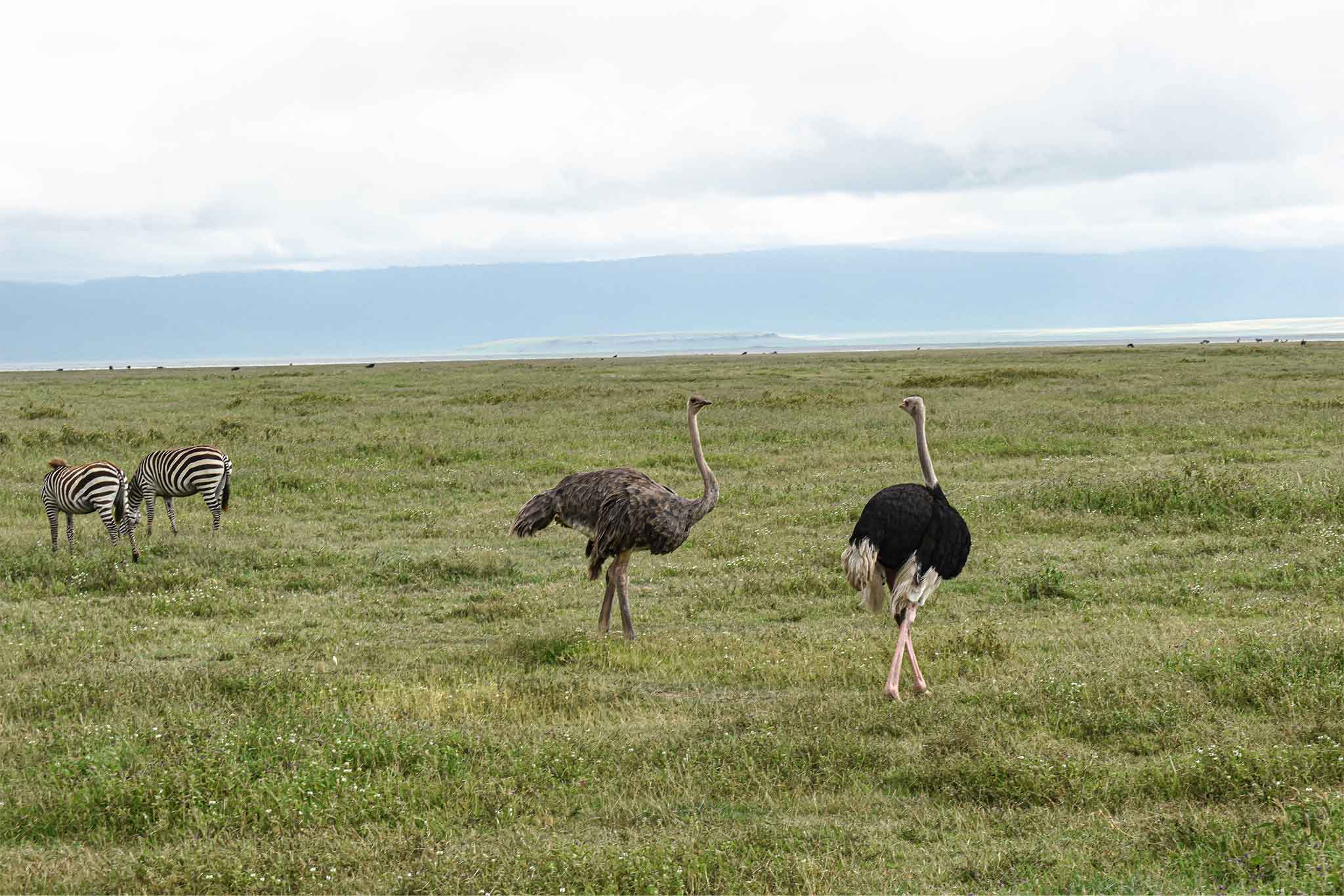
This is the best place on your trip to see black rhino, and the crater's resident lions, elephants, buffalo and hyenas make for a rewarding final game drive. Have a picnic lunch by the hippo pool.
Drive back to Arusha in the afternoon and continue to Kilimanjaro International Airport for your evening flight. Kwa heri ya kuonana, until we meet again!
Meals: Breakfast, Lunch
Overnight: End of tour
You've reached the end of your adventure
Where you stay
Accommodations
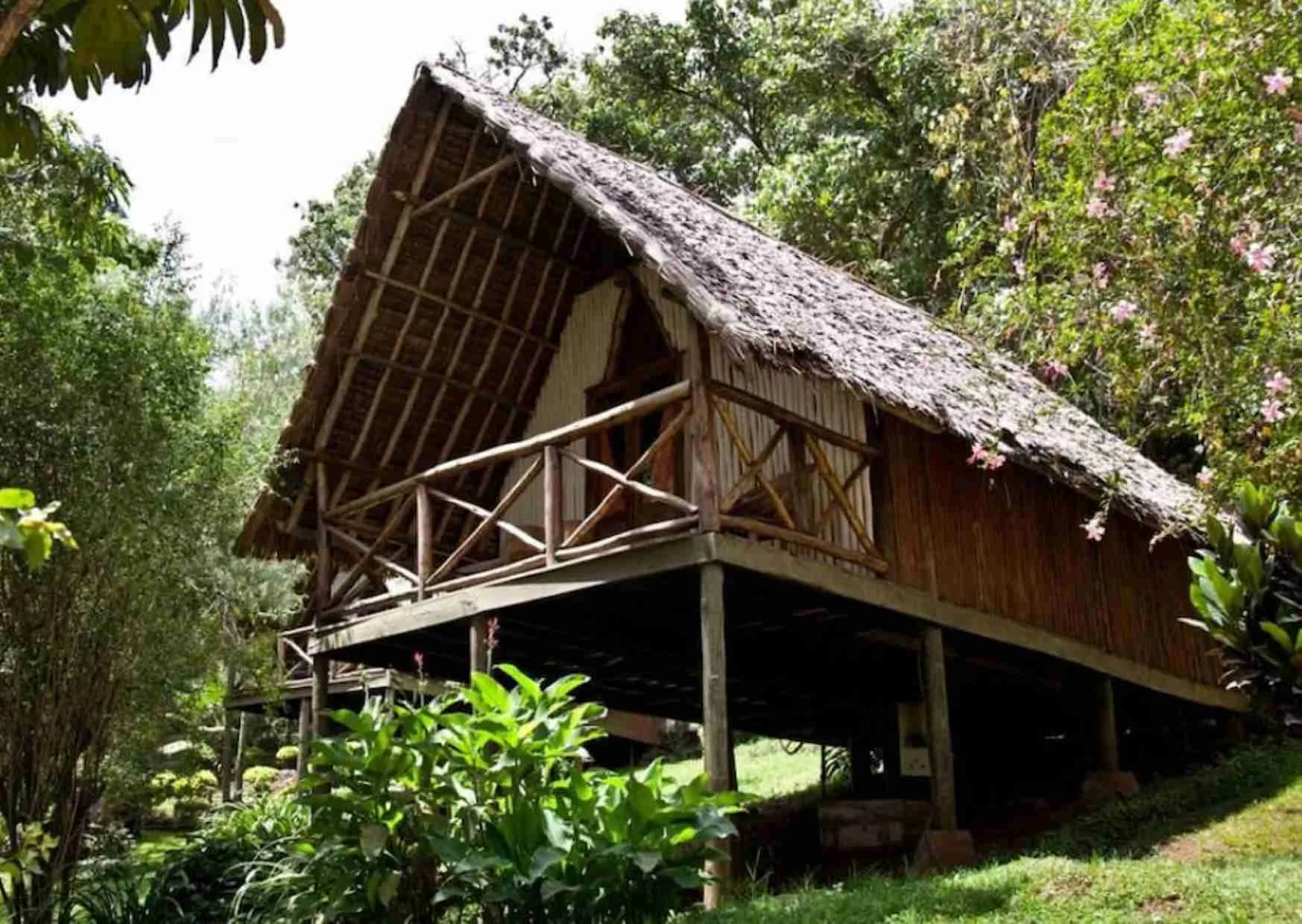 Silver
Karama Lodge
Arusha
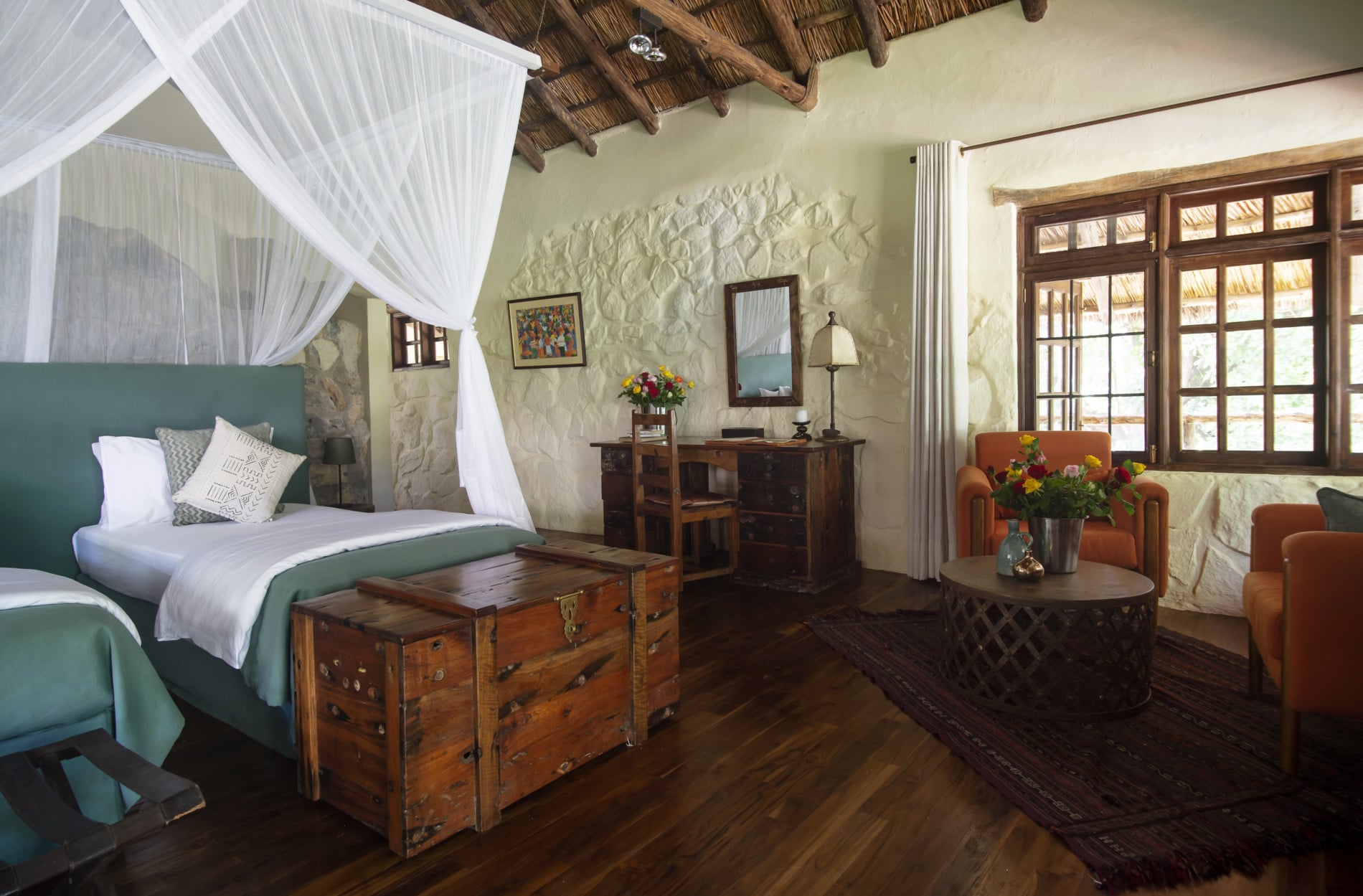 Gold
Gold
Rivertrees Country Inn
Arusha
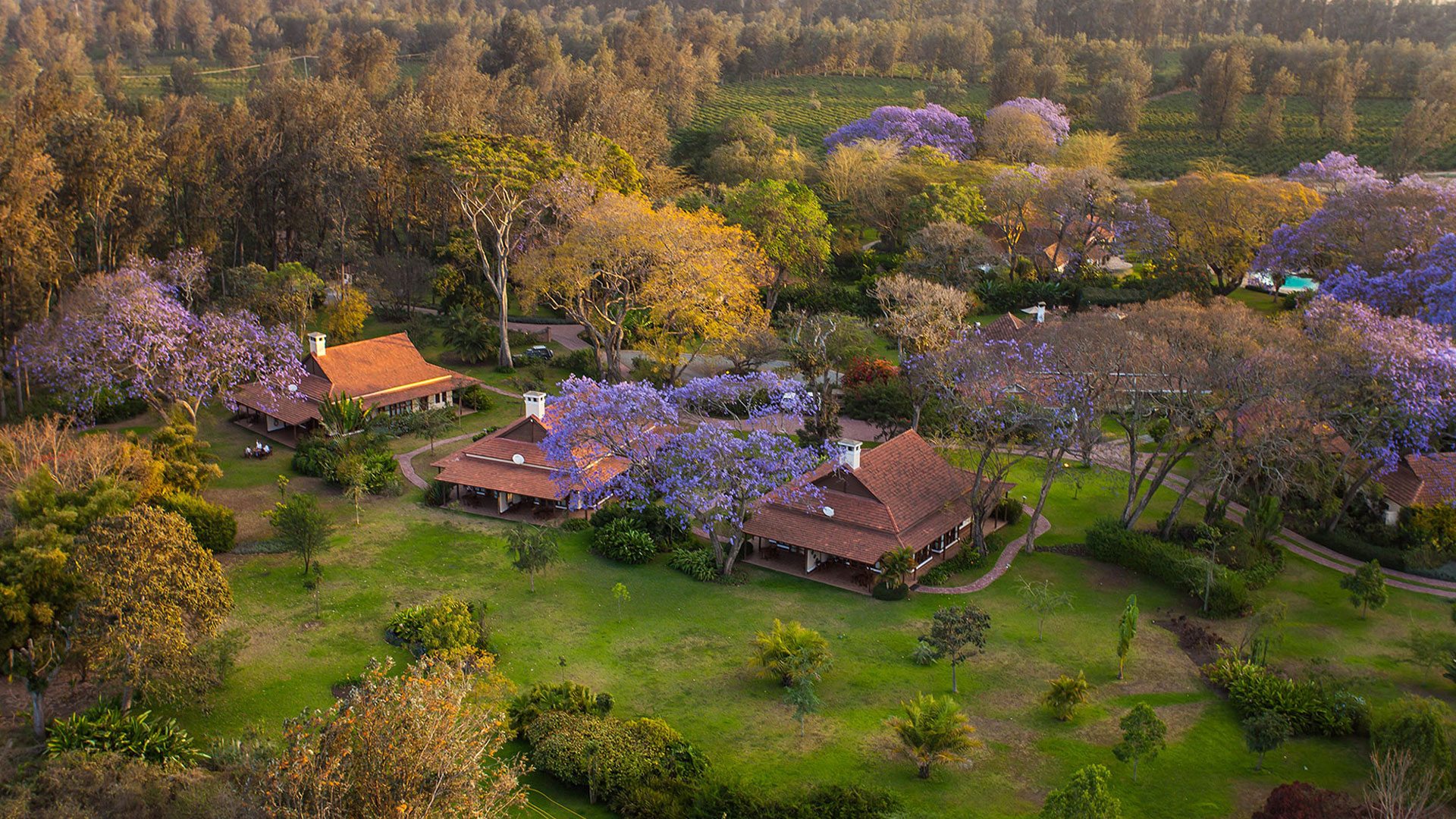 Platinum
Legendary Lodge
Arusha
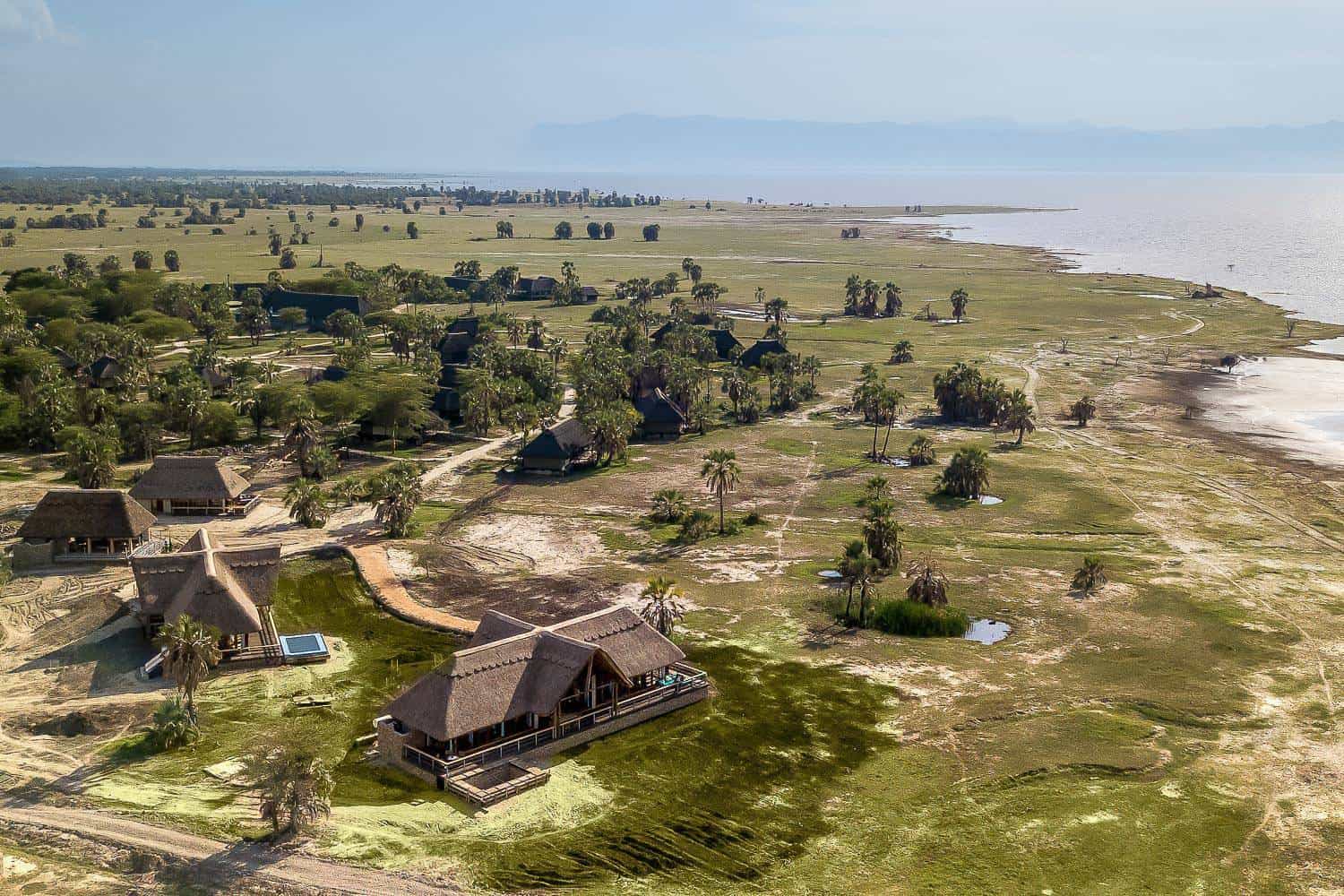 Silver
Maramboi Tented Camp
Tarangire
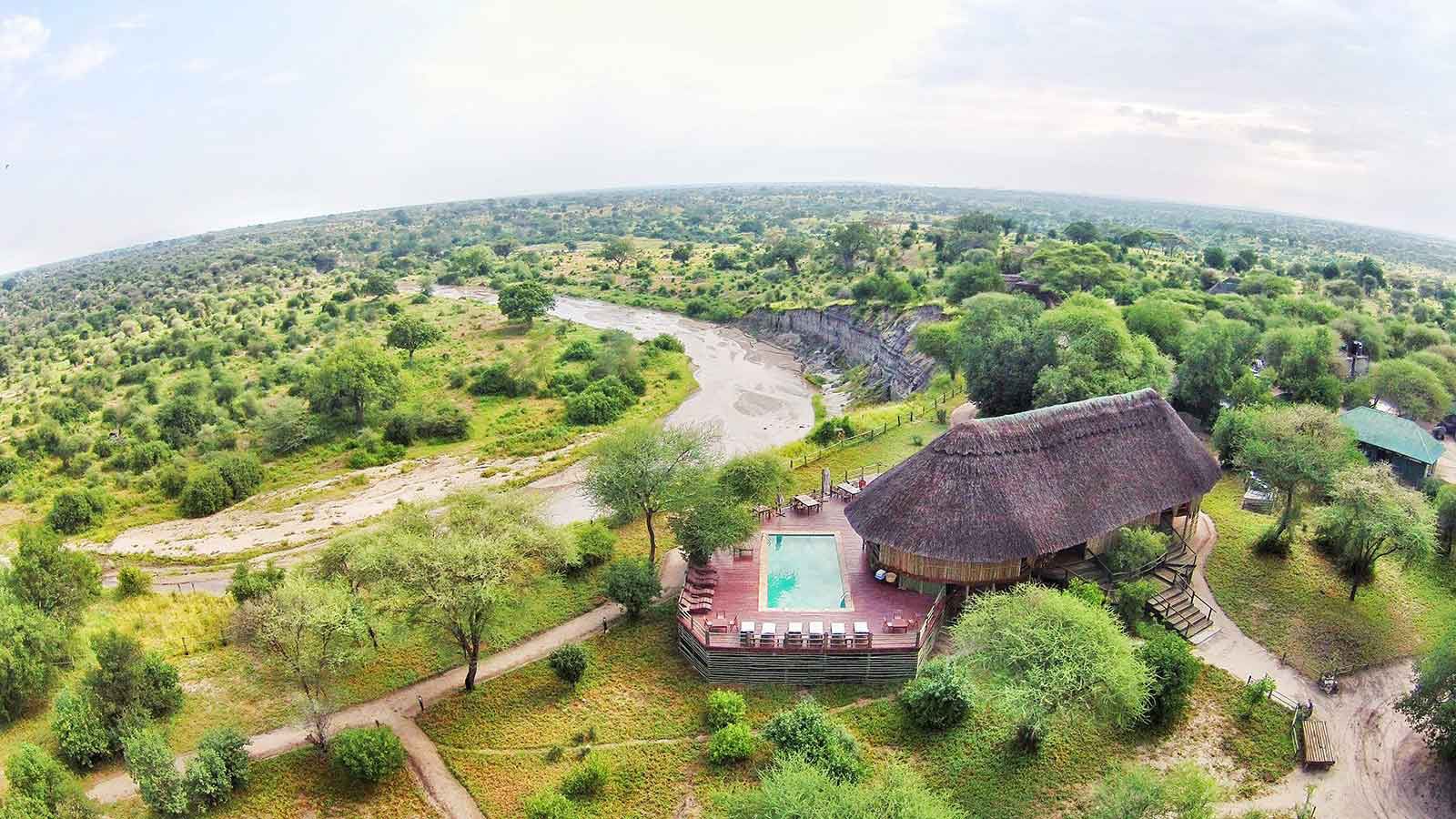 Gold
Gold
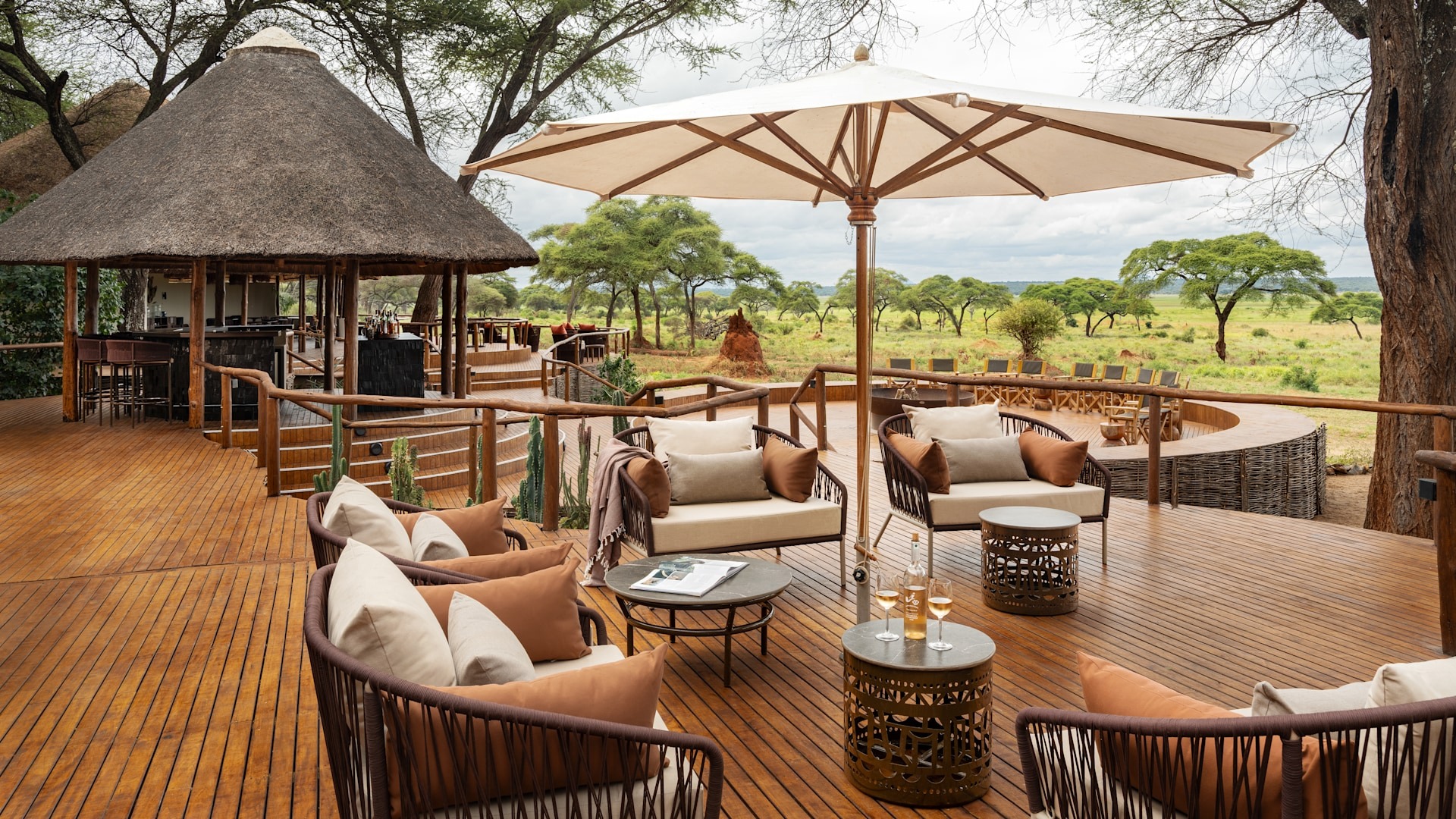
Mbali Mbali Tarangire River Camp
Tarangire
 Platinum
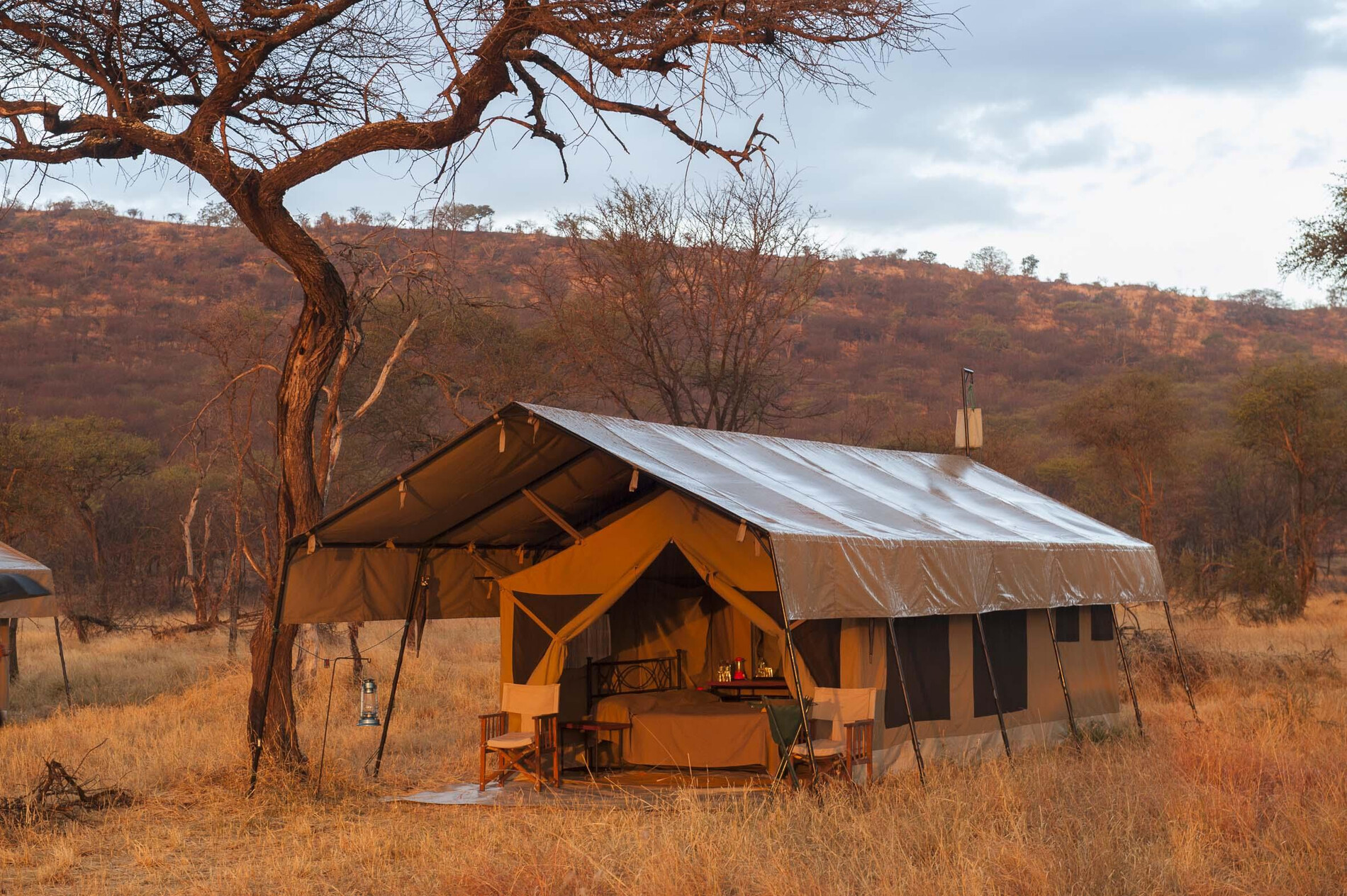
Sanctuary Swala Camp
Tarangire
 Silver
Kati Kati Tented Camp, Central Serengeti
Serengeti
 Gold
Gold
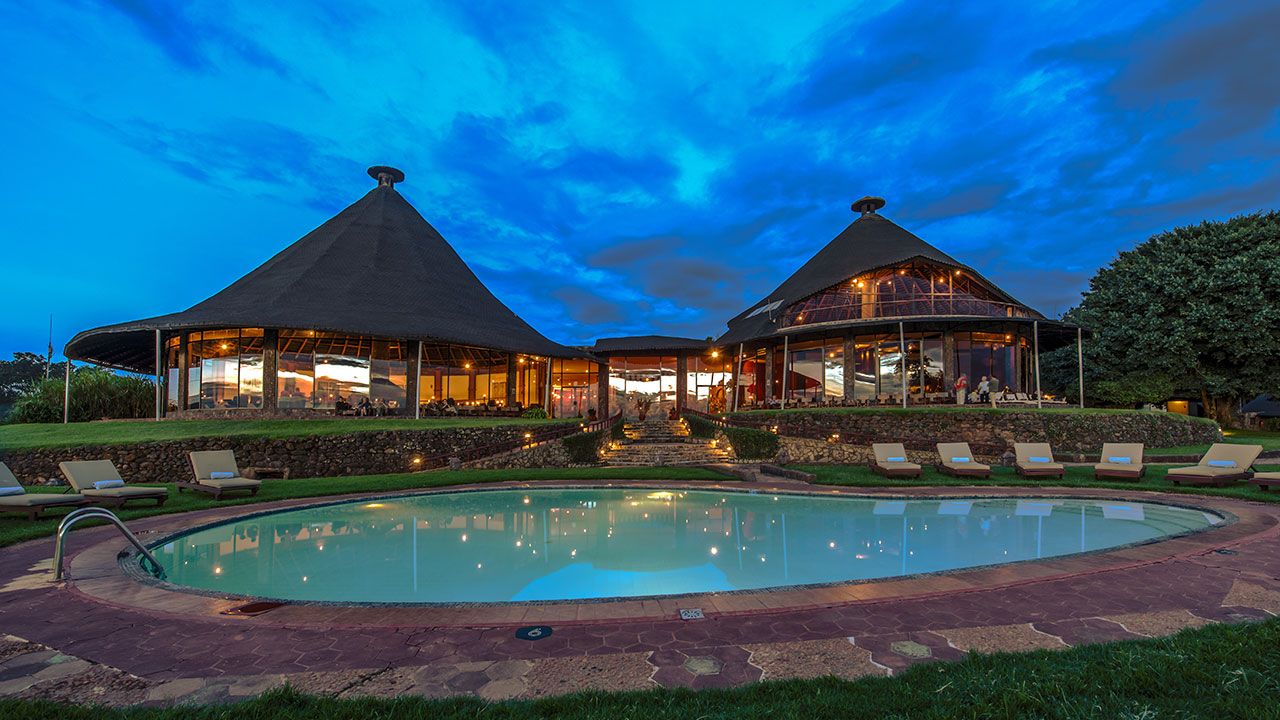
Serengeti Sopa Lodge
Serengeti
 Platinum
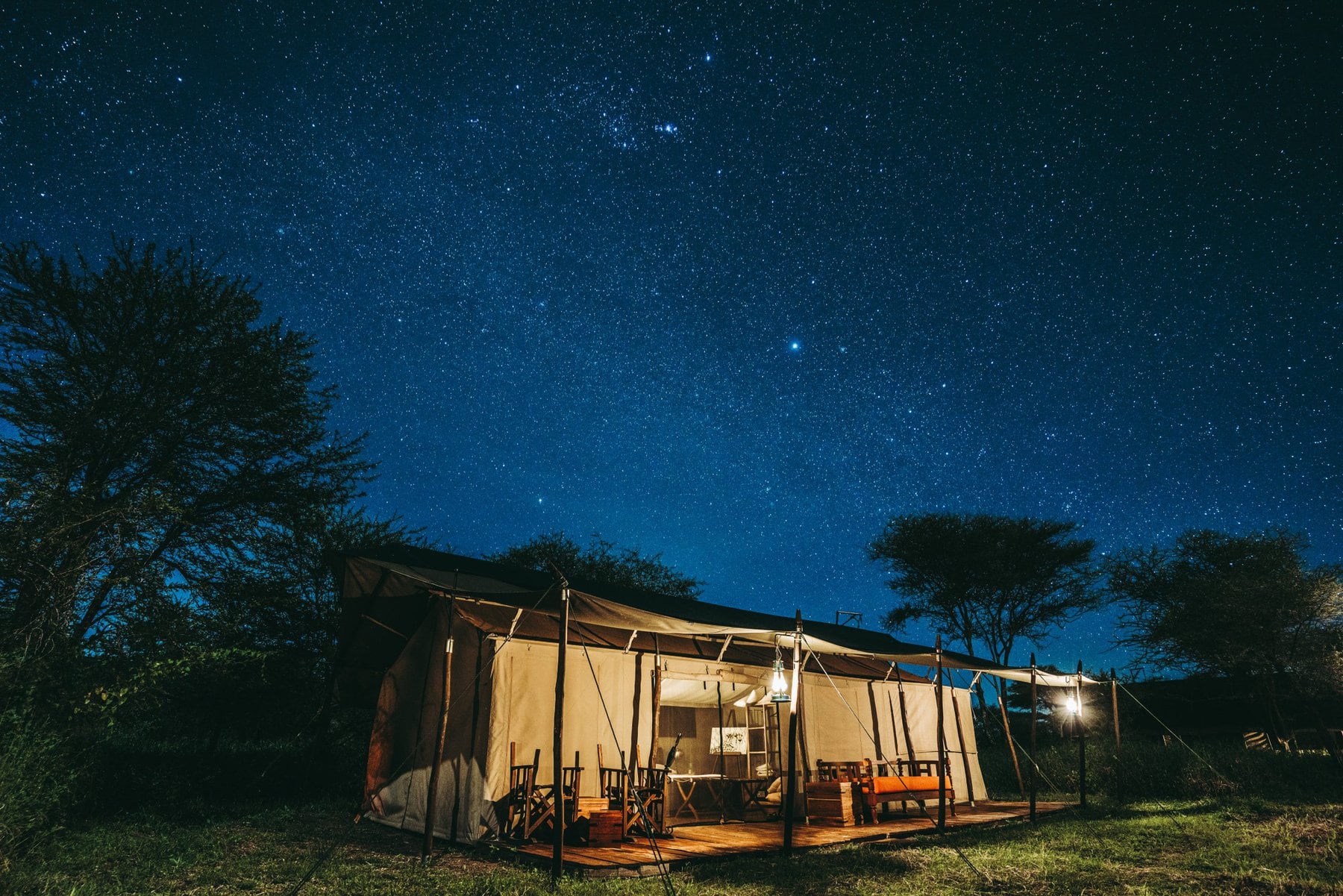
Lemala Ewanjan Tented Camp
Serengeti
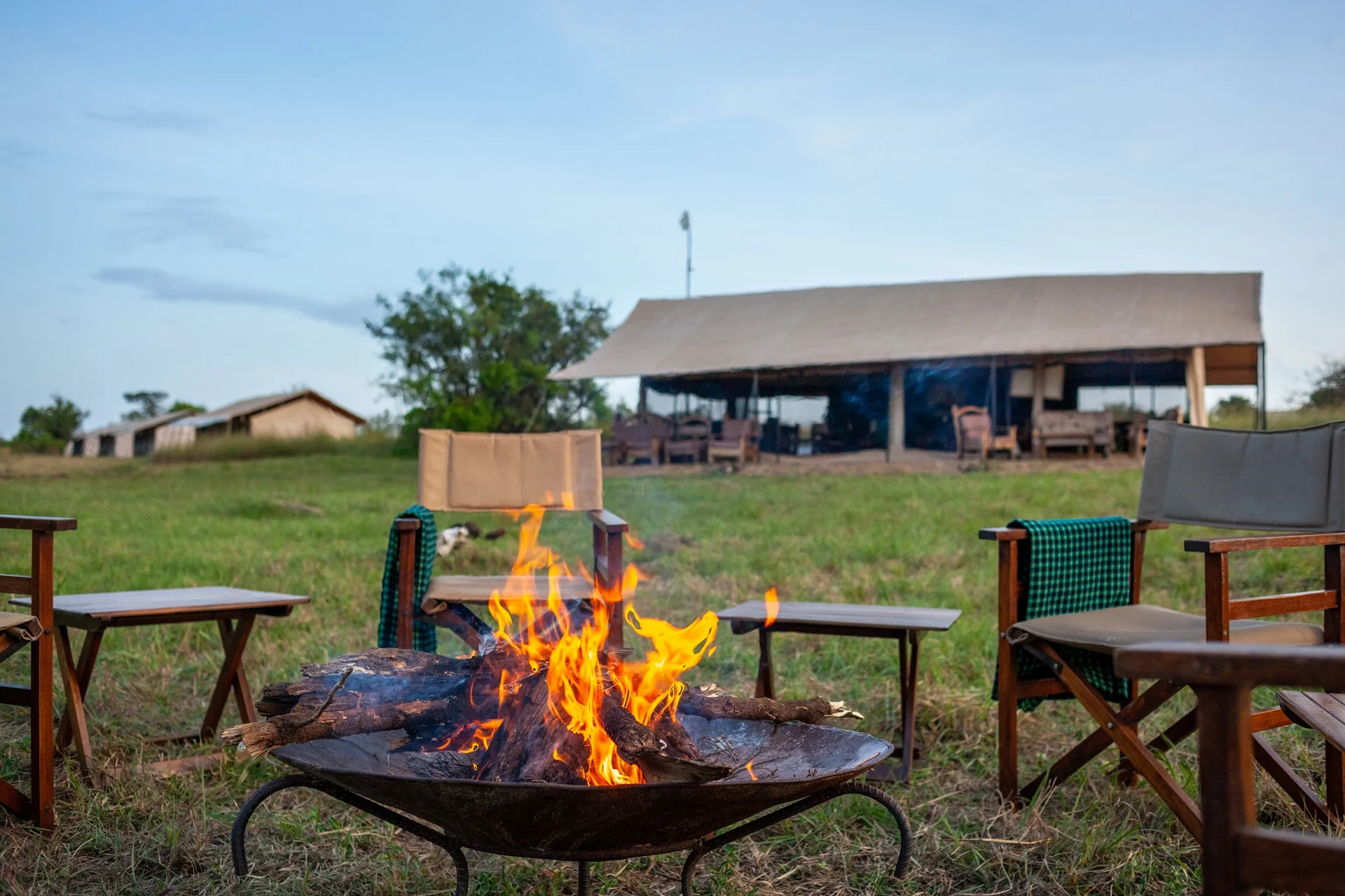 Silver
Gnu Mara River Camp, Kogatende
Northern Serengeti
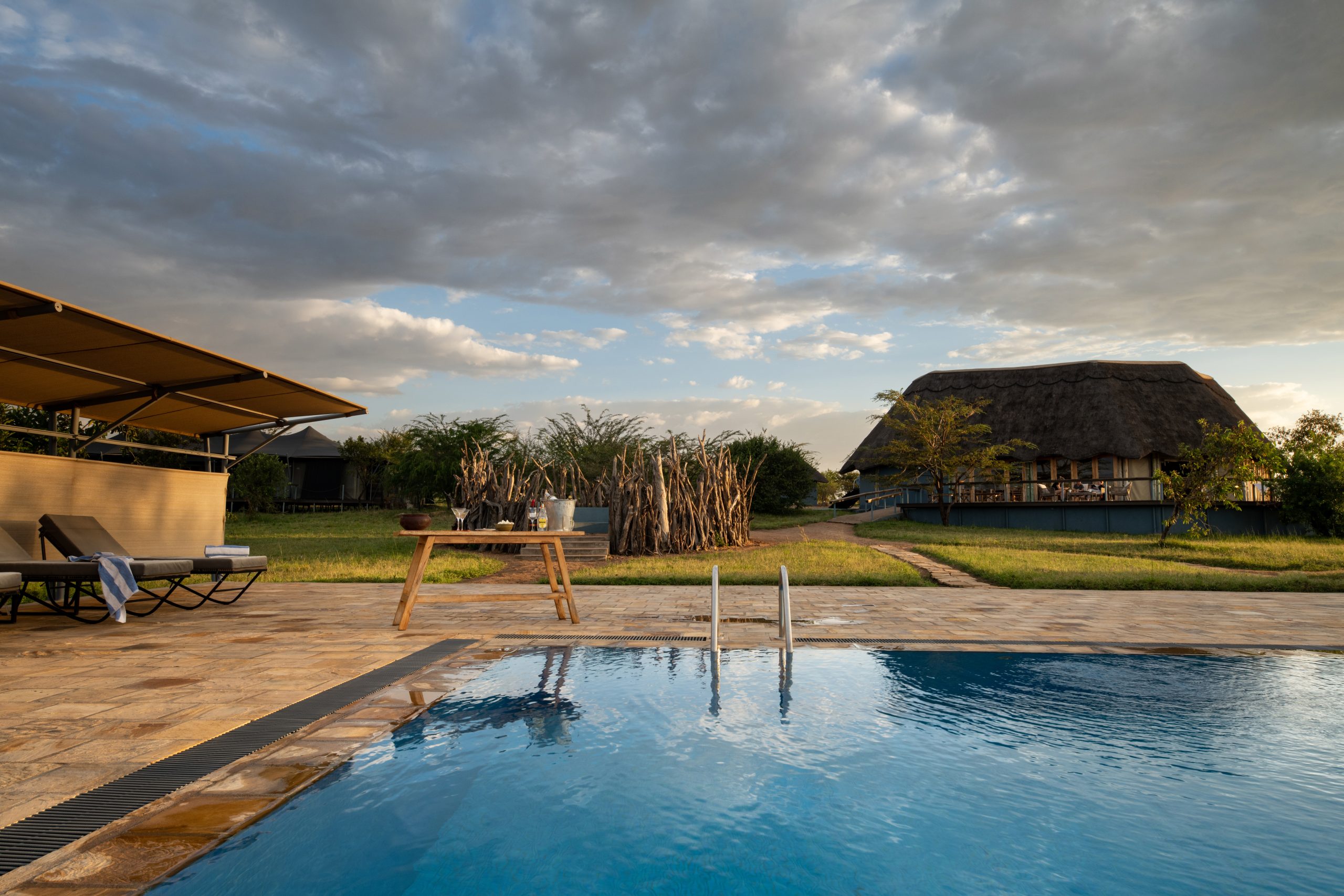 Gold
Gold
Mara Mara Tented Lodge, Kogatende
Serengeti
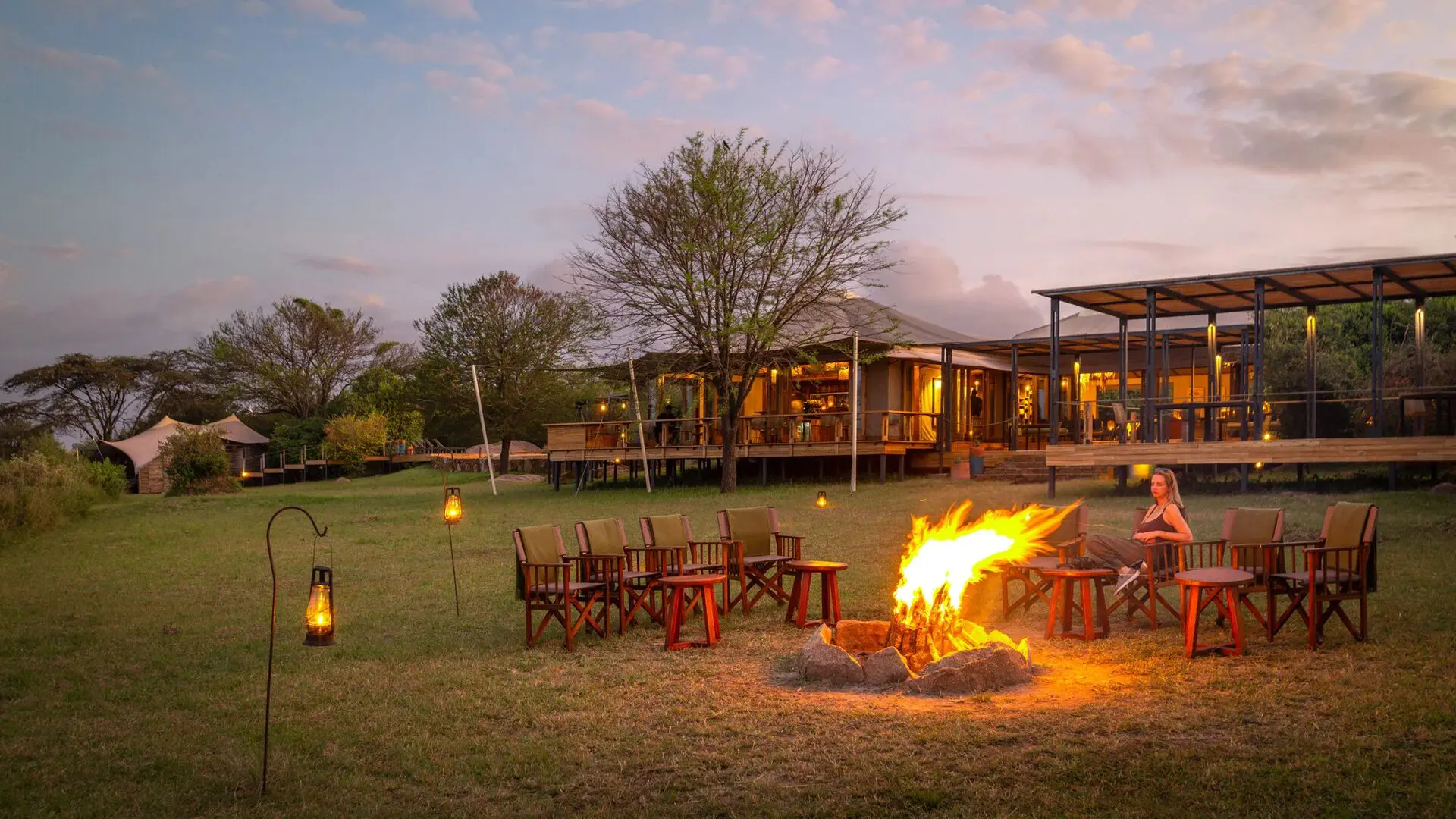 Platinum
Sayari Camp (Asilia), Kogatende
Serengeti
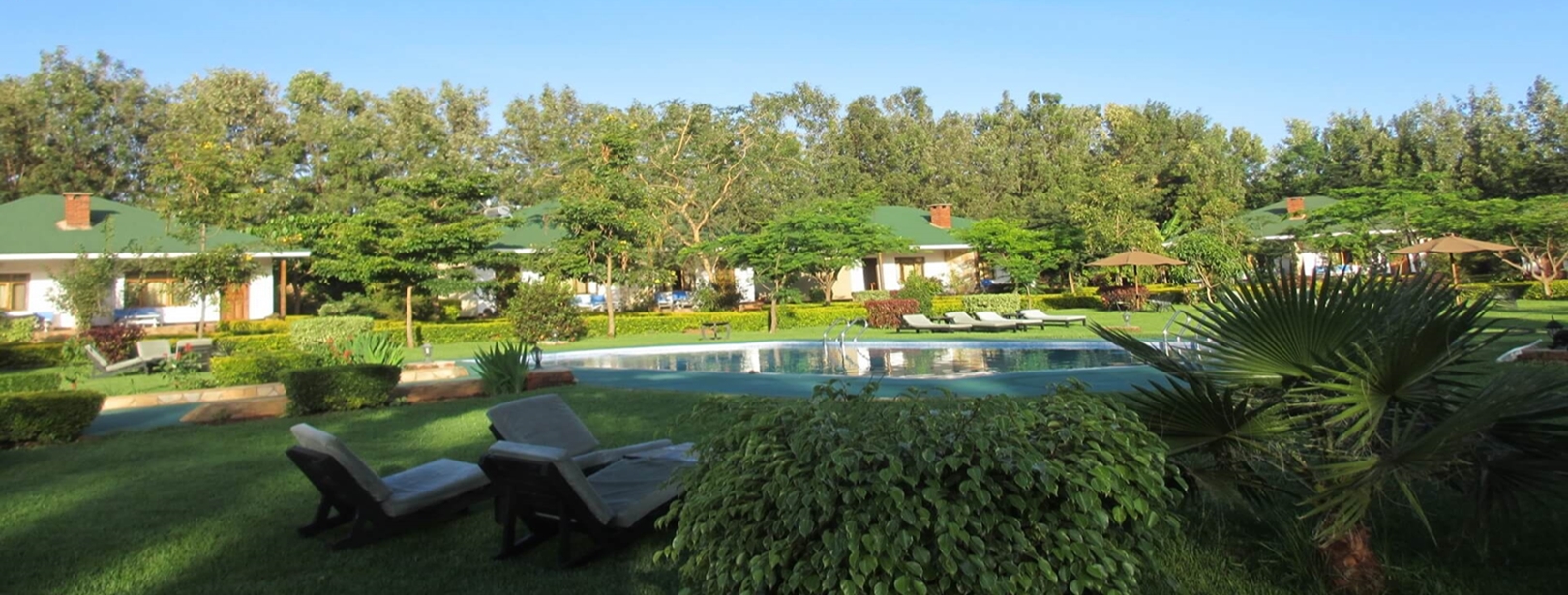 Silver
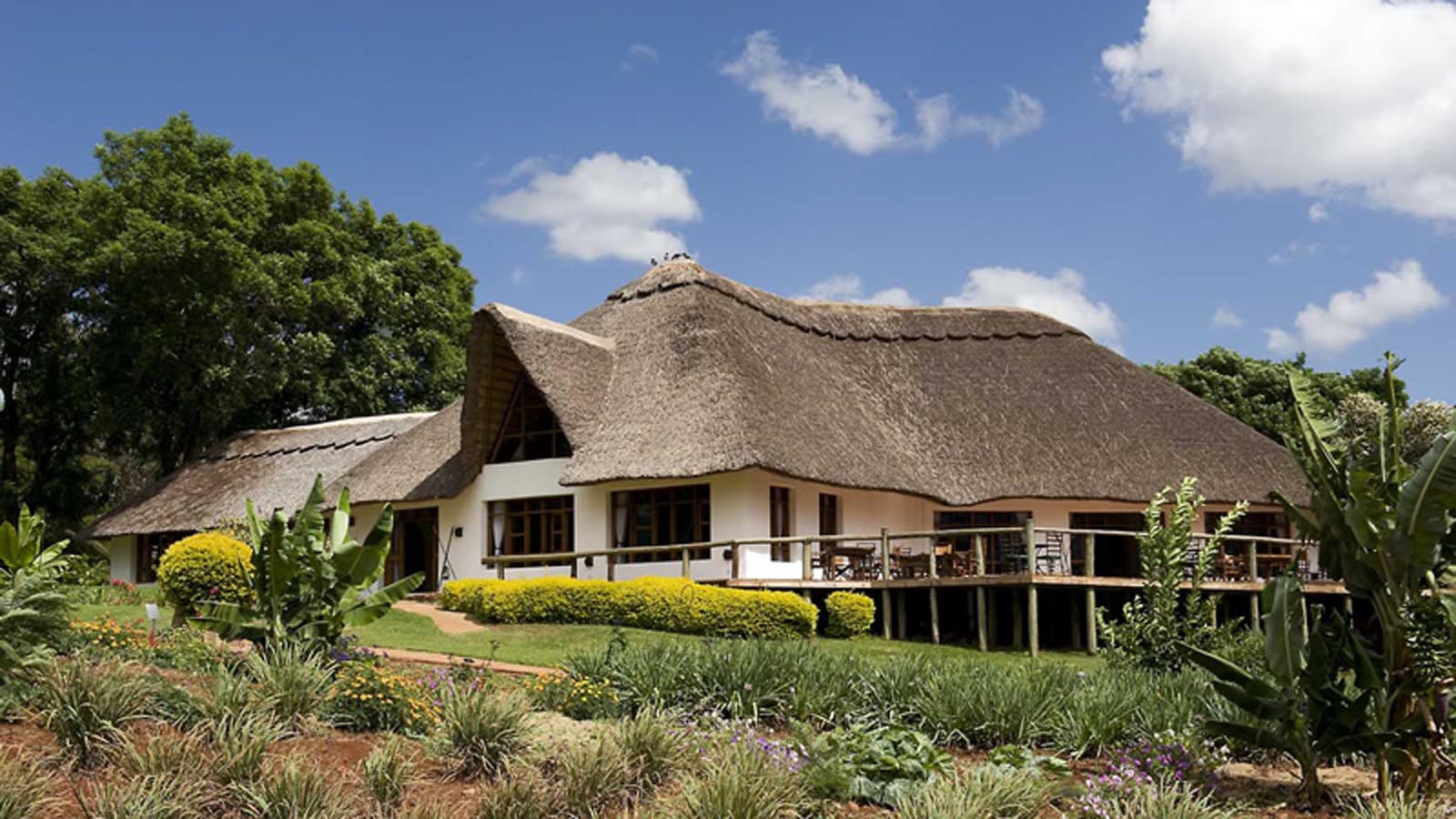
Country Lodge Karatu
Karatu
 Gold
Gold
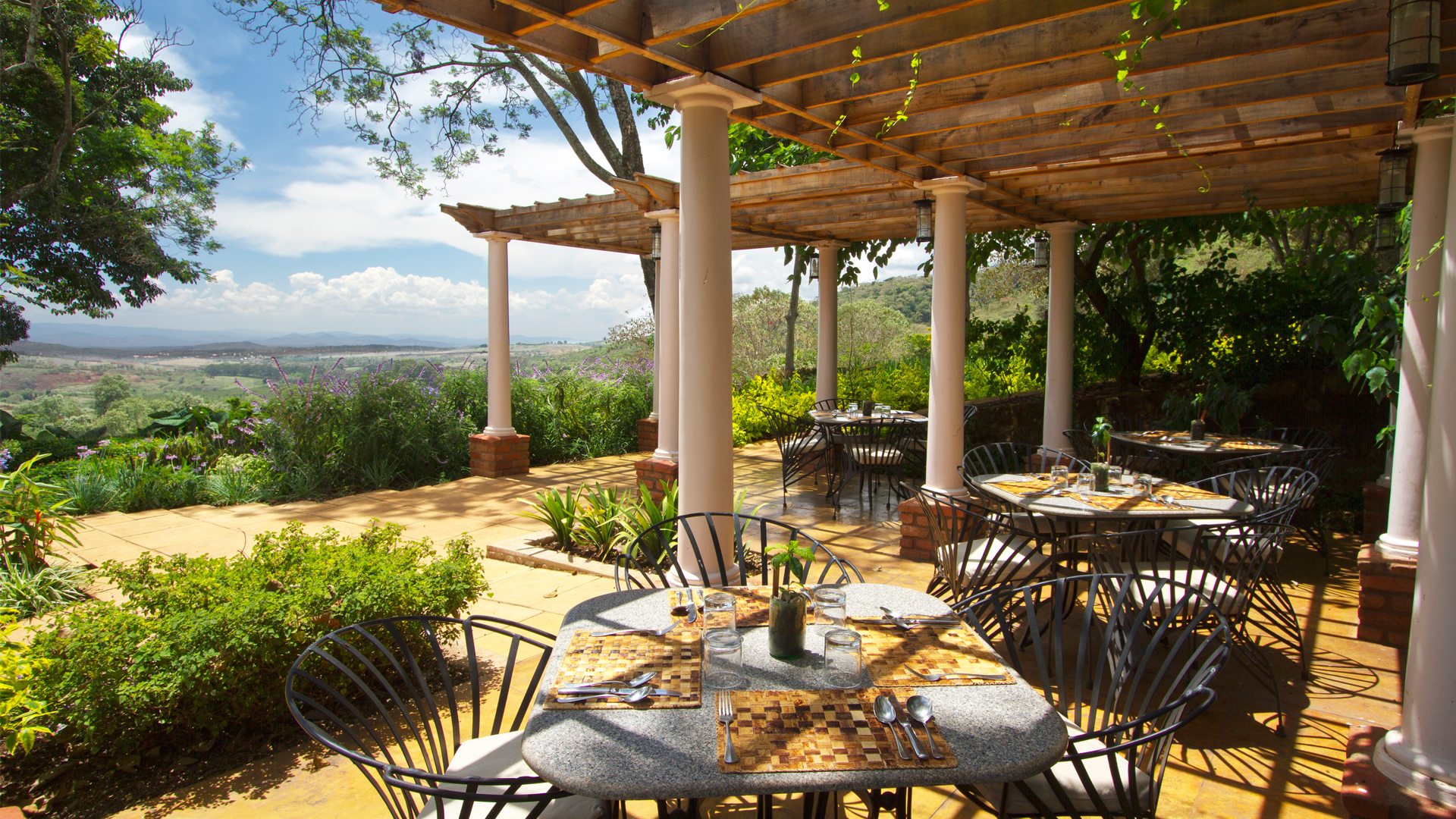
Ngorongoro Farm House
Karatu
 Platinum
Gibb's Farm, Karatu
Karatu
Best time to travel
This safari runs from July to October, when the herds are in the northern Serengeti. August and September are usually the peak months for crossings, with herds crossing back and forth over the Mara River many times. In July, the first herds arrive in the north, and in October, the herds begin to move south again, but there are still crossings and far fewer vehicles.
Dry season (July–October)
The only time for river crossings. Skies are clear, the grass is short and golden, and wildlife viewing across all the parks is excellent, but it is also the busiest and most popular time, so book early.
Wet season (November–June)
The herds are in the central and southern Serengeti, so this itinerary is not suitable. For December to March, choose our Calving Season Safari in Ndutu instead.
Safari includes & excludes
Inclusions
- Airport pick-up and drop-off (Kilimanjaro, Arusha, Dar es Salaam or Zanzibar as per itinerary)
- Private 4x4 safari vehicle with pop-up roof, charging points and cool box
- Professional English-speaking driver-guide (other languages on request)
- All national park, conservation area and concession fees
- Accommodation in your chosen tier (Budget, Mid-range or Luxury)
- Meals as listed in the itinerary (B = breakfast, L = lunch, D = dinner)
- Unlimited drinking water in the vehicle during safari
- Government taxes and 18% VAT
- Flying Doctors (AMREF) emergency evacuation cover while on safari
- Full-day game drives with picnic lunches along the Mara River
Exclusions
- International flights and Tanzanian visa
- Travel and medical insurance (compulsory)
- Tips for guides and camp staff
- Drinks other than drinking water, unless included by the lodge
- Optional activities (hot-air balloon, cultural visits not listed, walking safaris)
- Laundry, telephone and other personal expenses
Why choose this safari
Seeing a Mara River crossing takes time in the right place. This safari gives you three full days by the river, which is what makes the difference.
- Three nights placed close to the main crossing points
- Full days at the river, so you never have to leave during a build-up
- Guides who share information daily to track the herds
- Excellent resident wildlife in the north and central Serengeti
- Classic parks included: Tarangire and the Ngorongoro Crater
Best for: Best for PhotographyRiver crossings, crocodile action and golden dry-season light.Wildlife enthusiastsThe most dramatic chapter of the Great MigrationBucket-list travellersA once-in-a-lifetime wildlife spectacleHoneymoonIntimate tented camps in the remote northGroup travelPrivate vehicles so your group can wait at the river as long as you like
Tailormake your journey
Add these must-do experiences
Extra night in the northern Serengeti
Kogatende
One more full day at the river greatly improves your chances of seeing a crossing. Highly recommended for photographers.
Adds 1 day
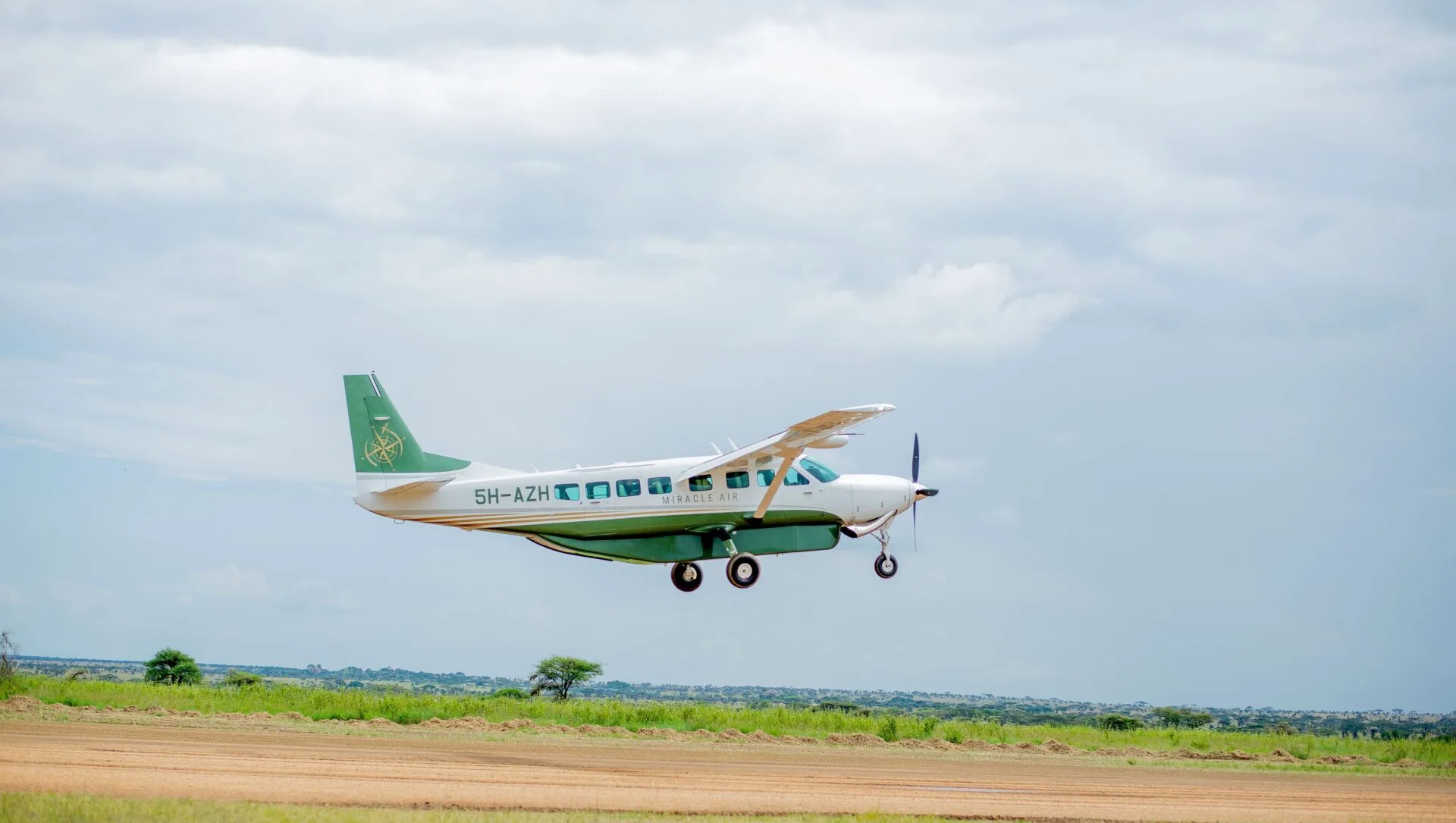
Fly out from Kogatende
Skip the long drive back south by flying from Kogatende airstrip to Arusha or directly to Zanzibar. The itinerary can then end in the north.
No extra day needed
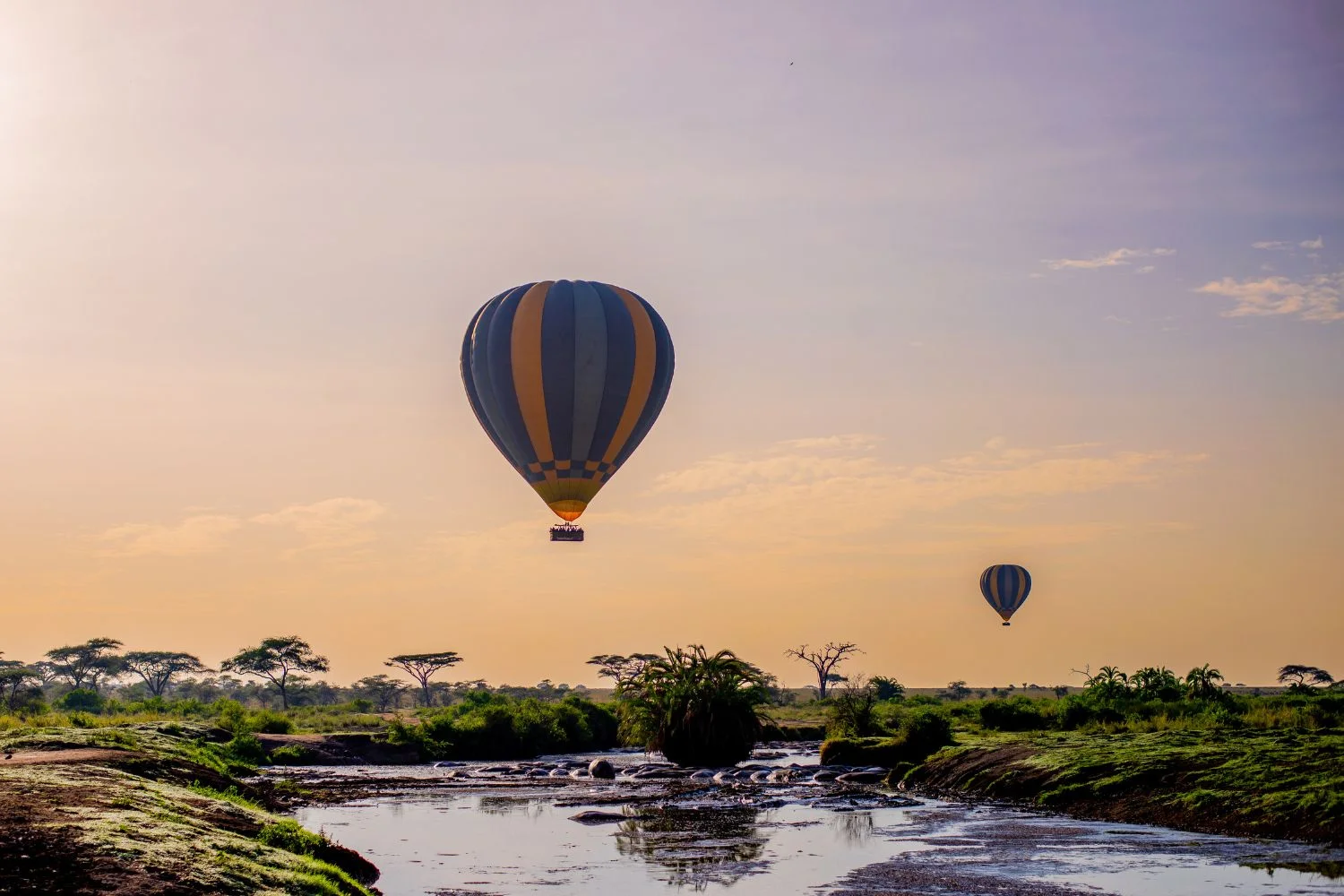
Hot-Air Balloon Safari over the Serengeti
Central or northern Serengeti, sunrise
Float over the plains and the herds at dawn, followed by a champagne bush breakfast. Book early, as July to October is peak season.
No extra day needed
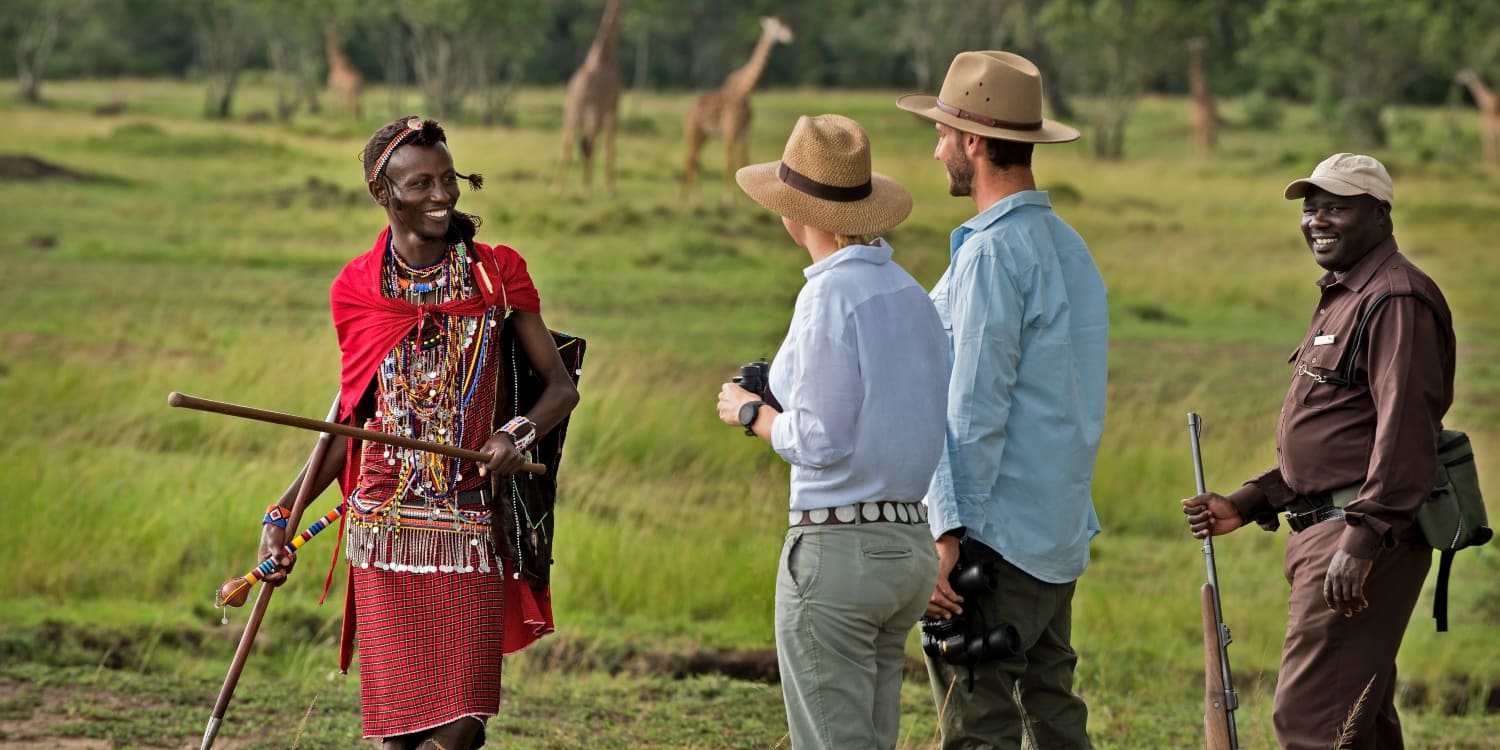
Guided bush walk in the northern Serengeti
Selected northern camps
Explore the hills and kopjes on foot with an armed ranger, offered by some camps in the Lamai and Kogatende areas.
No extra day needed
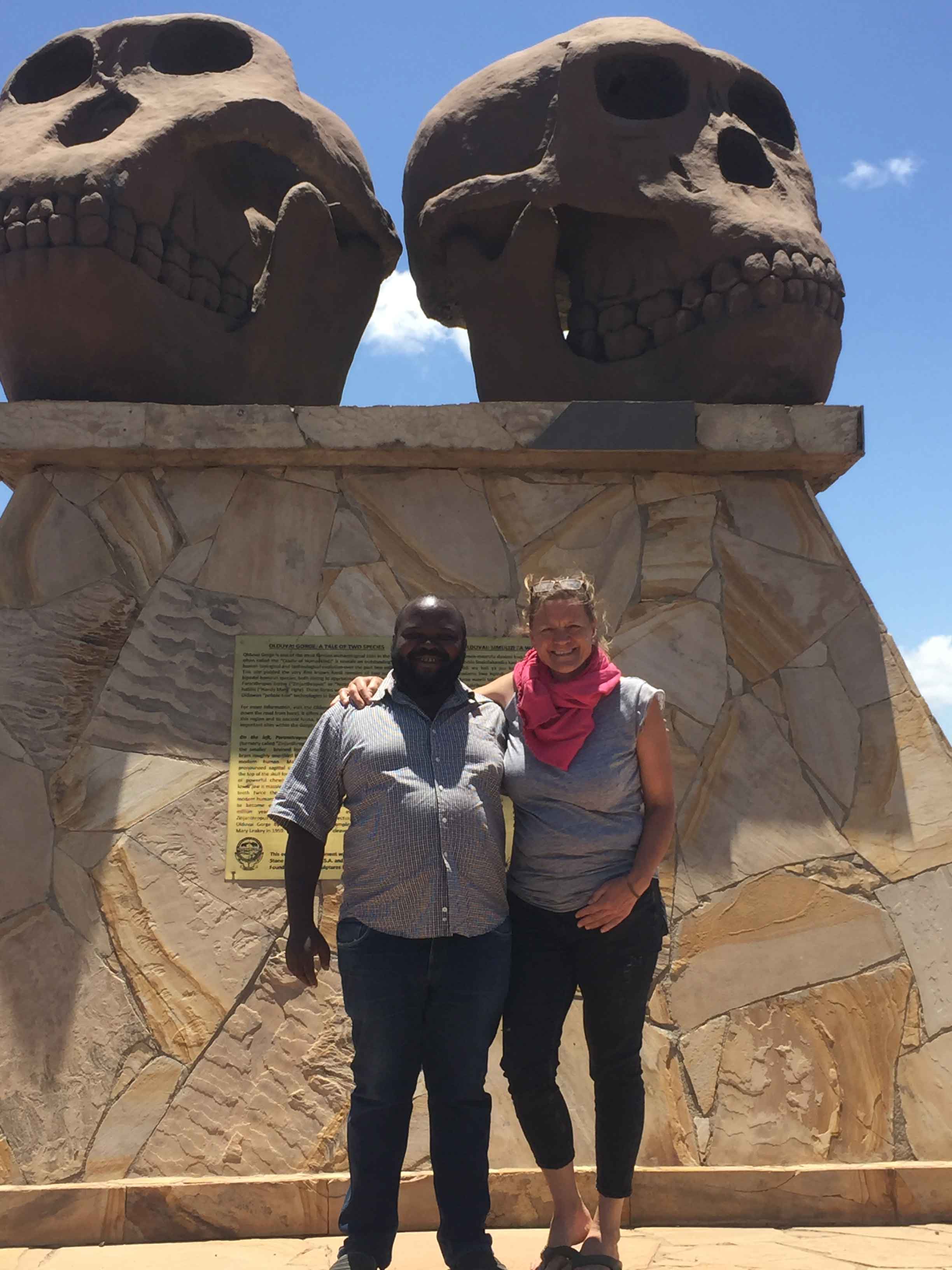
Olduvai Gorge Museum
Between Ngorongoro and the Serengeti
Break the drive back from the north with a visit to the famous fossil site and its museum.
No extra day needed
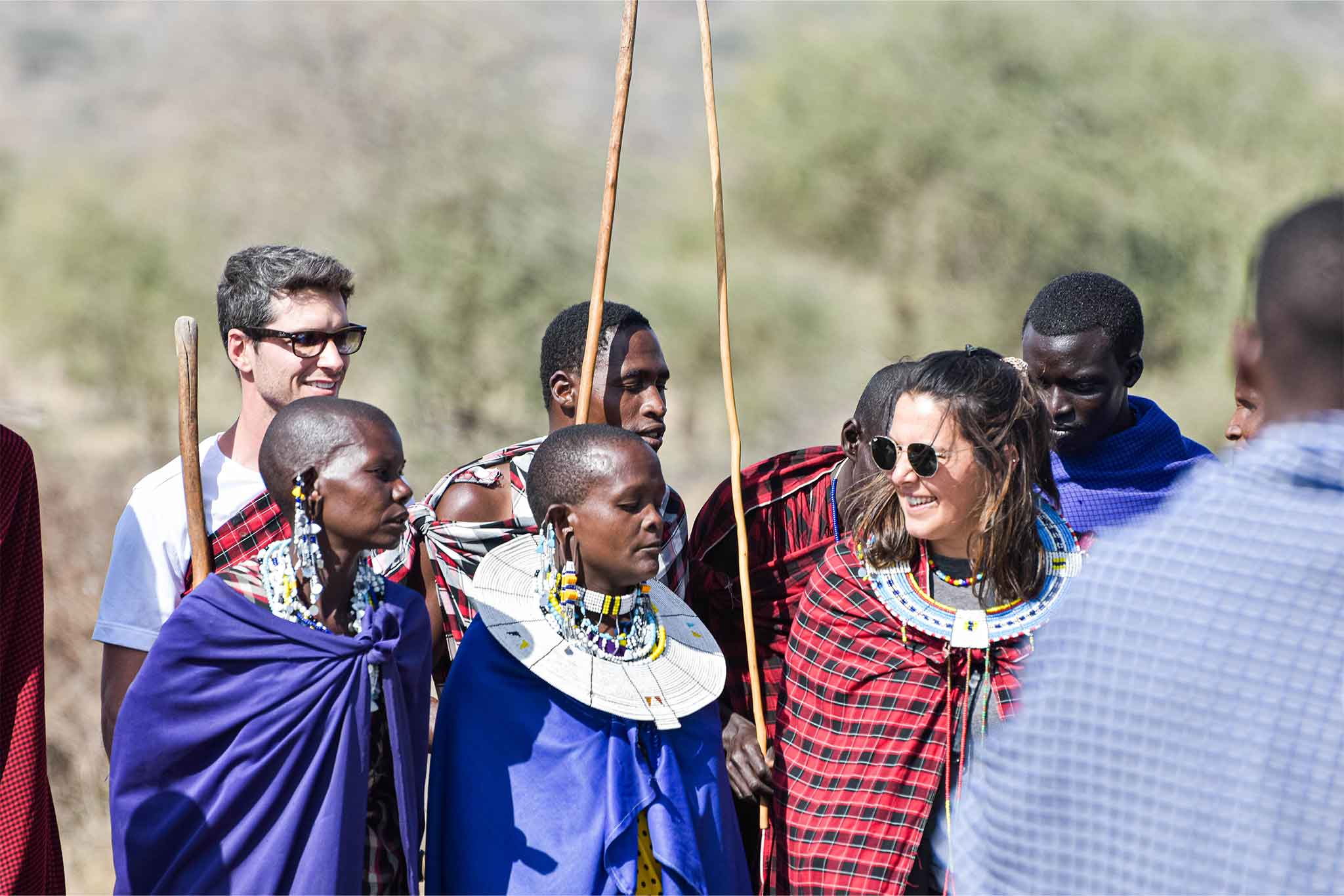
Maasai Boma Visit
Meet a Maasai family near Ngorongoro and learn how they live alongside the wildlife.
No extra day needed
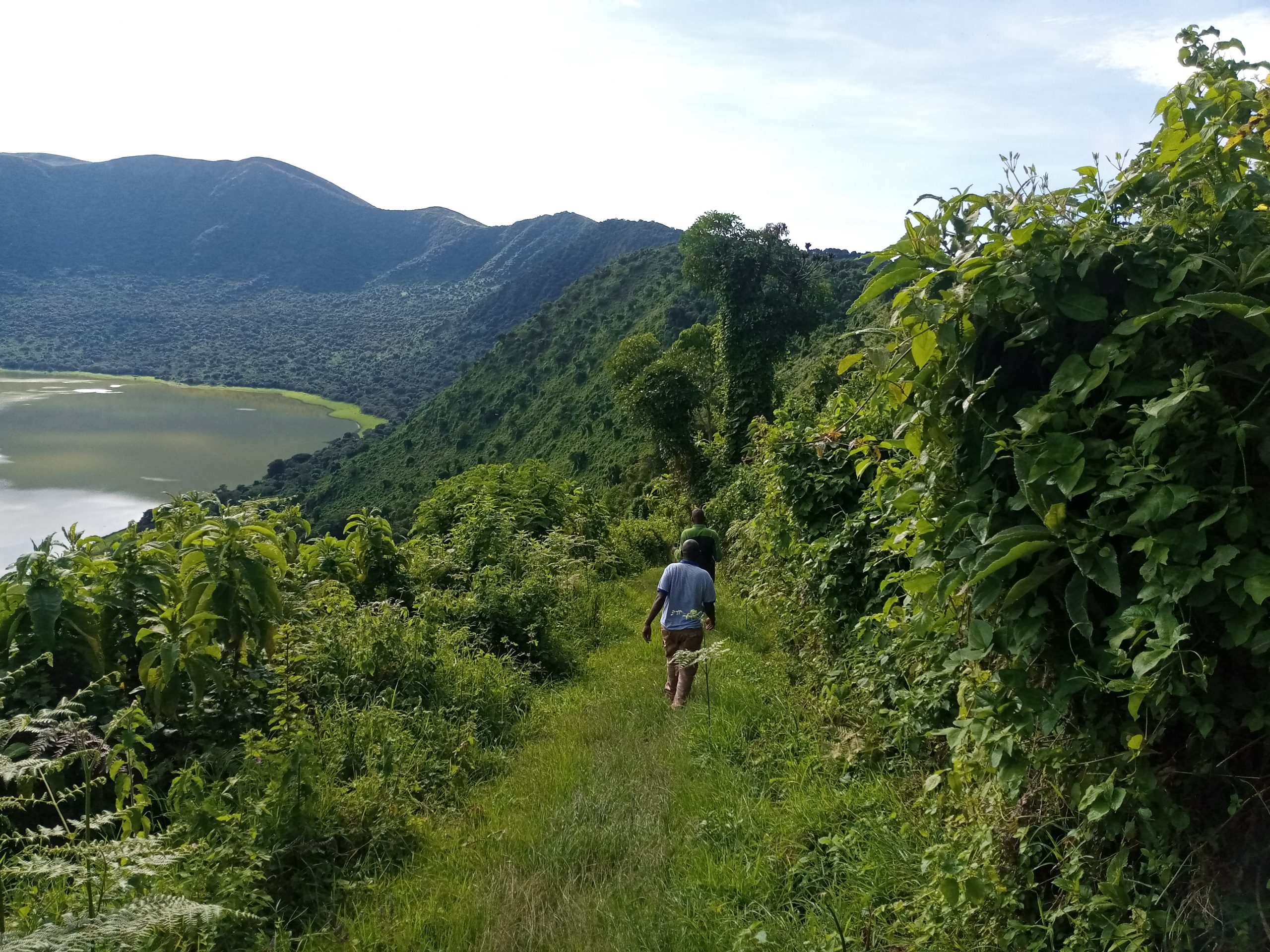
Empakaai Crater Hike
Ngorongoro highlands
Add a day in the highlands to hike into Empakaai Crater, a peaceful contrast to the busy river crossings.
Adds 1 day
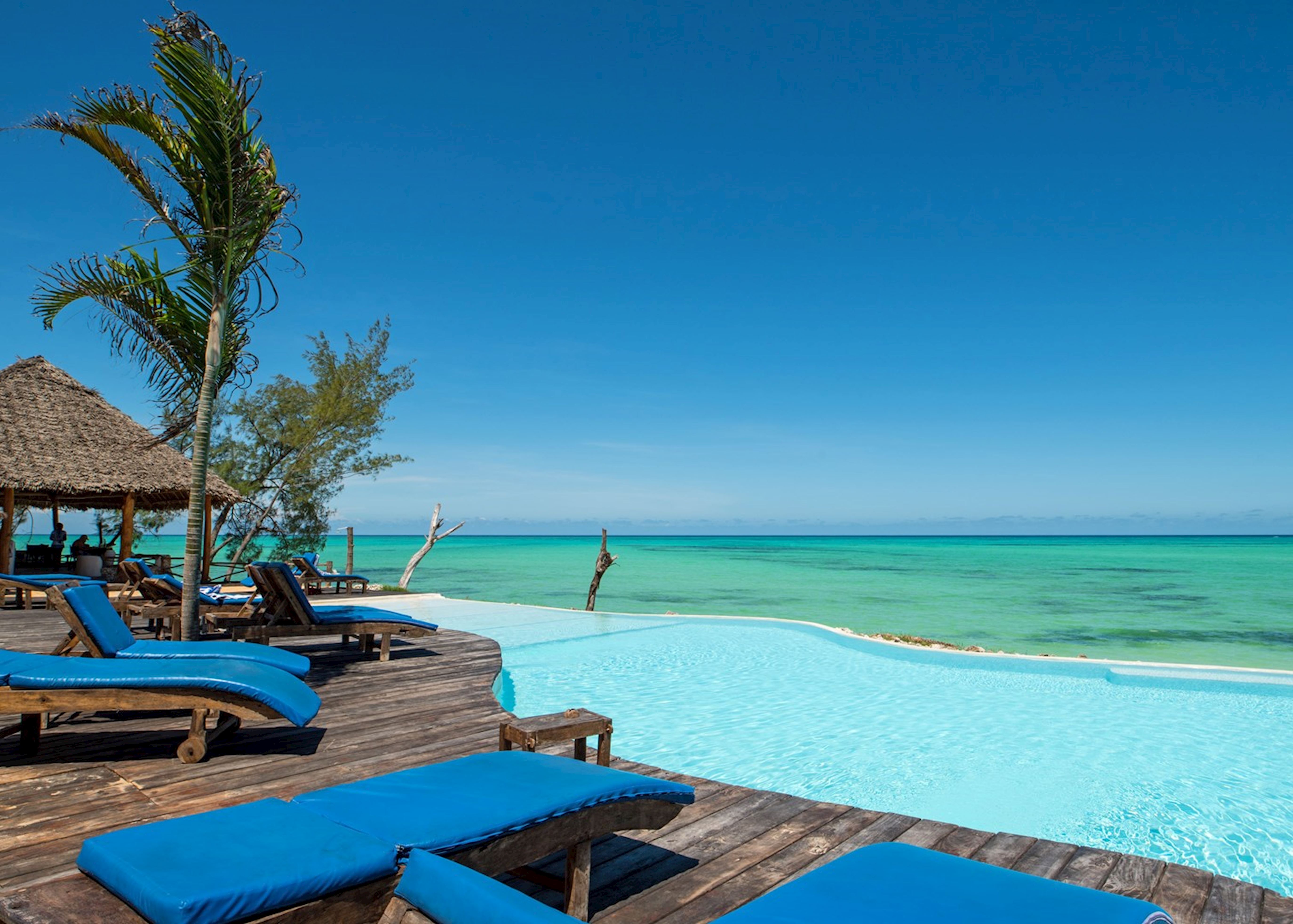
Zanzibar Beach Extension
After the safari
Fly straight from Kogatende or Arusha to Zanzibar to relax after the excitement of the crossings.
Adds 3–6 days
Discover Tanzania
Your questions answered
Are river crossings guaranteed?
No. The herds decide when and where to cross, and on some days there are no crossings. Three full days in the north give you a good chance, and adding a fourth night improves the odds further.
When is the best time to see the crossings?
August and September are usually the peak months. Crossings can start in July and continue into October, depending on the rains.
Is the northern Serengeti very busy?
Popular crossing points can be busy in August, as vehicles from Tanzania and Kenya gather. Your guide follows the park rules for crossings, keeps a respectful distance and looks for quieter crossing points.
How long are the drives to the north?
The drive from the central Serengeti to Kogatende takes about 4–5 hours, with game viewing along the way. If you prefer less driving, you can fly in or out of Kogatende airstrip.
Can we see crossings from the Kenyan side too?
The Mara River flows through both the Serengeti and Kenya's Masai Mara, and crossings happen in both. This itinerary stays in Tanzania, where the crossing points are usually less crowded than in the Masai Mara.
What should I bring for long days at the river?
A good camera with a zoom lens, spare batteries and memory cards, binoculars, a hat, sunscreen and a light fleece for the cool early mornings. We provide drinking water, and picnic lunches are packed for you.
Can we stay at one crossing point all day?
Yes. As your safari is private, you decide how long to wait. Your guide will advise when it is worth moving to another crossing point.
Is this safari suitable for children?
Yes, but long waits at the river can test young children's patience. For families, we often suggest flying out from Kogatende to shorten the driving.