
Tanzania
Classic Tanzania Safari
Short Description Our classic northern circuit safari at a comfortable pace: Tarangire, Lake Manyara, two full days in the Serengeti, and the Ngorongoro Crater. It includes a village visit in Mto wa Mbu for a taste of local life. It's the perfect first safari in Tanzania.
From $1,000
Tour overview
7 Days, 10-11 Days Classic Tanzania Safari
If you are planning your first safari, this is the itinerary we recommend. It visits four of northern Tanzania's most rewarding parks, each with its own character, without long, rushed drives.
Begin with Tarangire's elephant herds and baobabs, then explore Lake Manyara at the foot of the Rift Valley escarpment, where groundwater forest, flamingos and tree-climbing lions await. In the afternoon, walk or cycle through Mto wa Mbu village, home to people from over 100 ethnic groups, before a night in the cool Karatu highlands.
The heart of the trip is two full days in the Serengeti. Your guide has time to follow the migration or search the kopjes and rivers for lion, leopard and cheetah, and you can add a sunrise balloon flight. Finally, descend into the Ngorongoro Crater for a morning among rhino, lion and huge herds of zebra and wildebeest.
Highlights
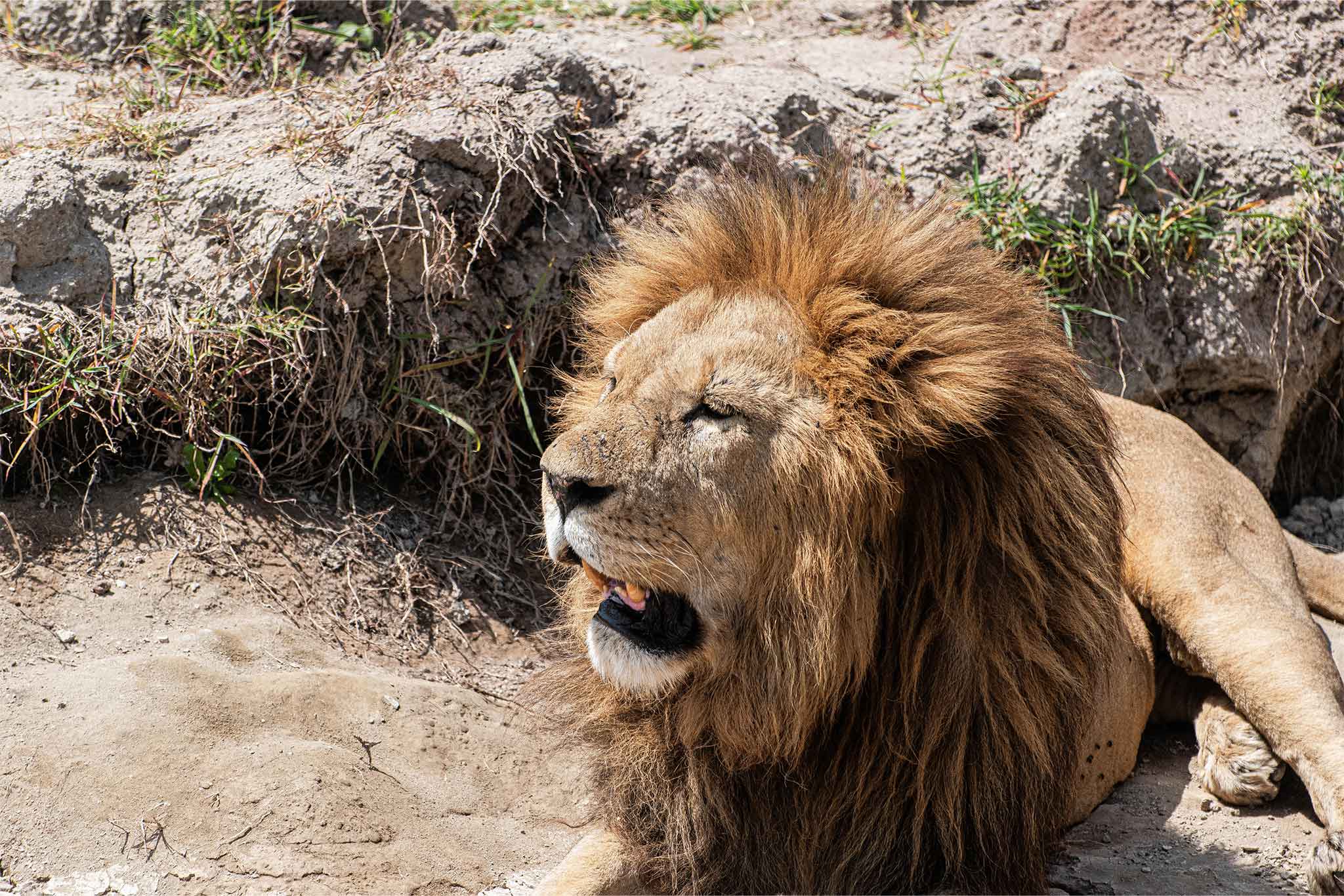
The highlight of this safari is two full days in the Serengeti, giving your guide time to search for big cats and, depending on the season, the Great Migration. You also watch Tarangire's elephants and baobabs, look for tree-climbing lions and flamingos at Lake Manyara, and explore the Ngorongoro Crater, one of the best places in Africa to see the Big Five.
Between the parks, you walk or cycle through Mto wa Mbu village, a lively community of over 100 ethnic groups, for a taste of everyday Tanzanian life.
Discover Tanzania
Crafted for you
Tailor make your trip with iTour Tanzania
Every journey can be shaped around your pace, lodges, and must-do moments. Tell us what matters most and we will build it with you.
Build your tripYour adventure begins
A taste of what to expect on this journey
Arrival in Arusha
Transfer ~1 hr
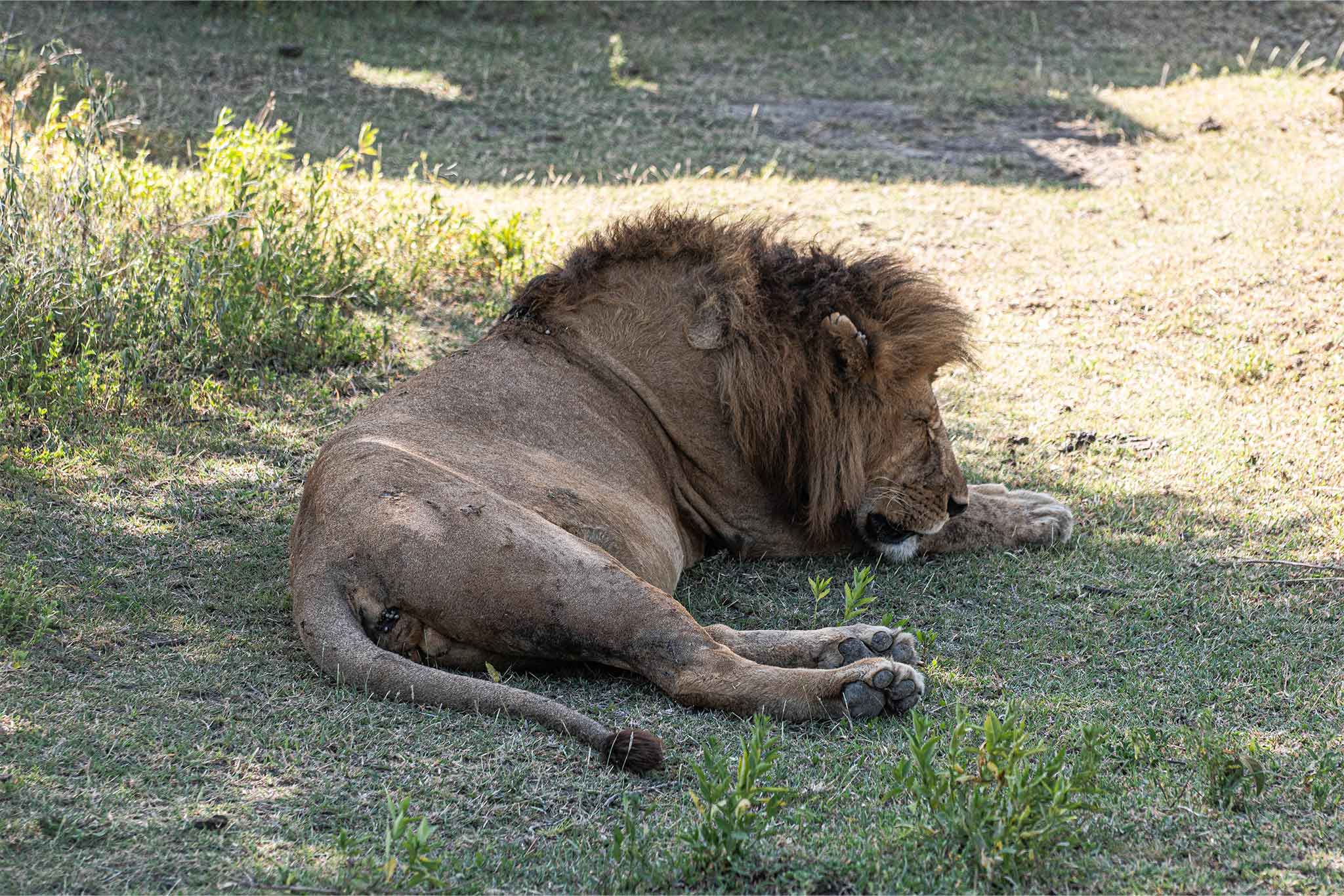
Karibu Tanzania! Your iTour Tanzania guide meets you at Kilimanjaro International Airport and drives you (about 1 hour) to your hotel in Arusha, the safari capital of Tanzania, set beneath the slopes of Mount Meru. Relax after your flight and enjoy a short safari briefing over dinner.
Meals: Dinner
Arusha to Tarangire National Park
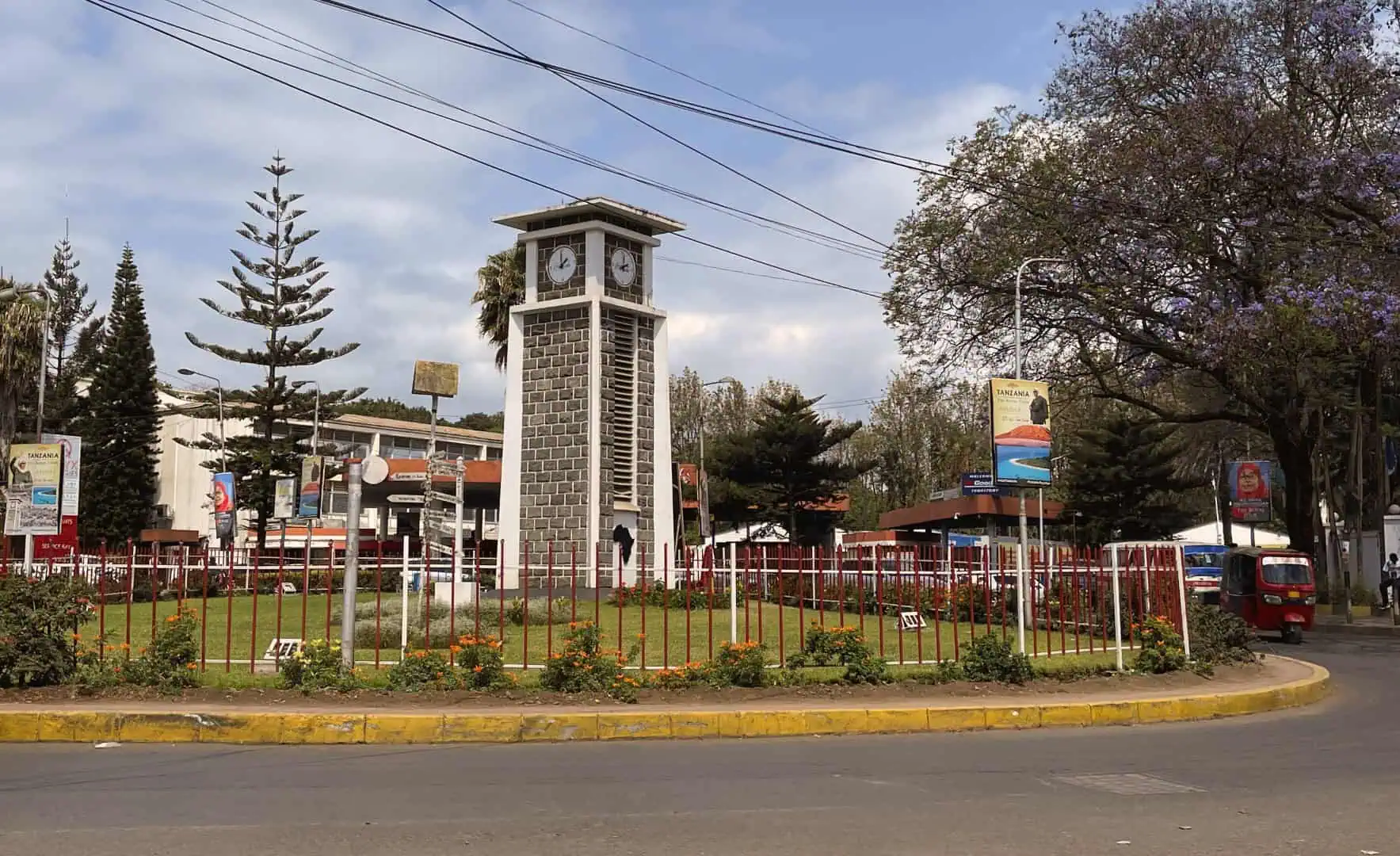
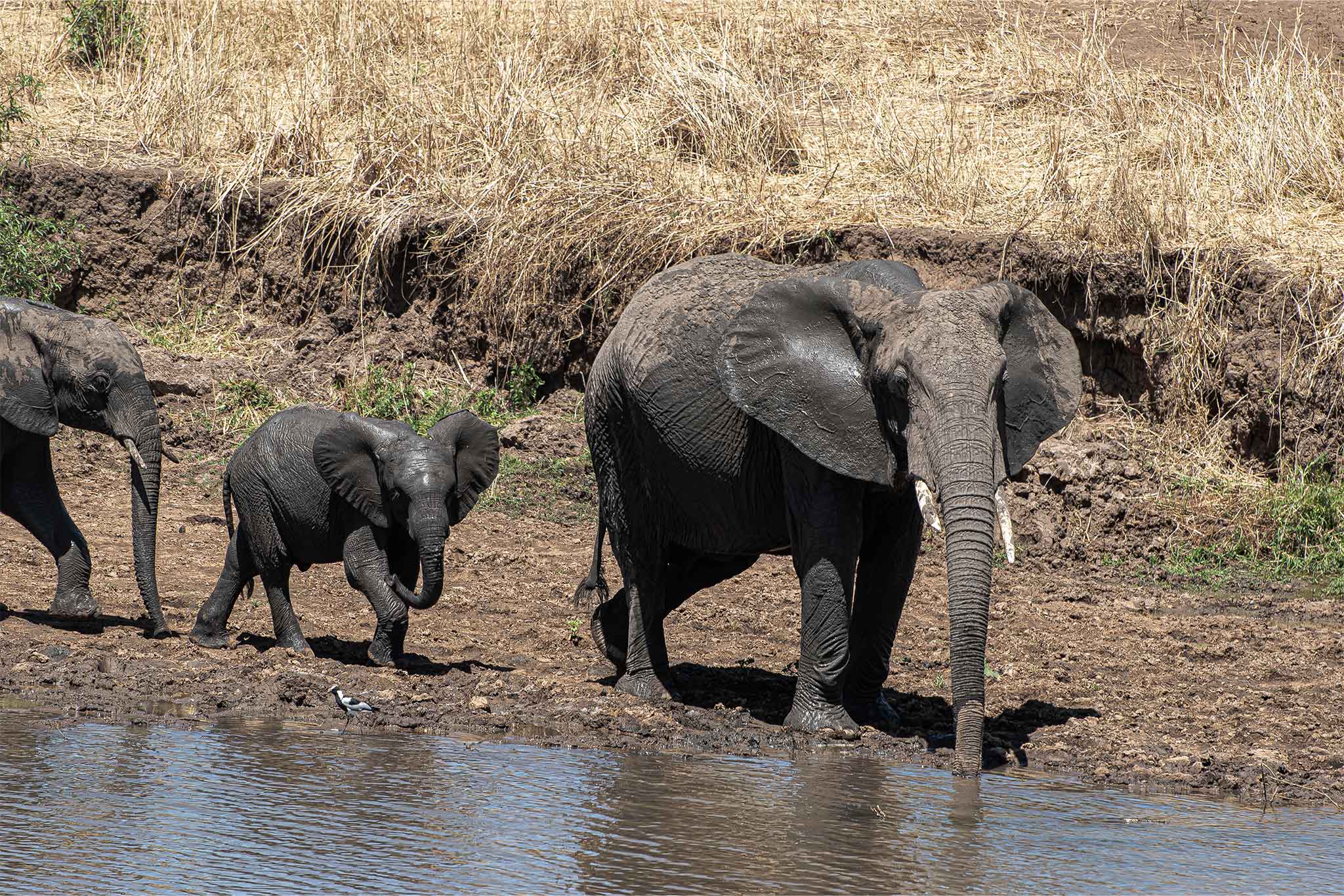
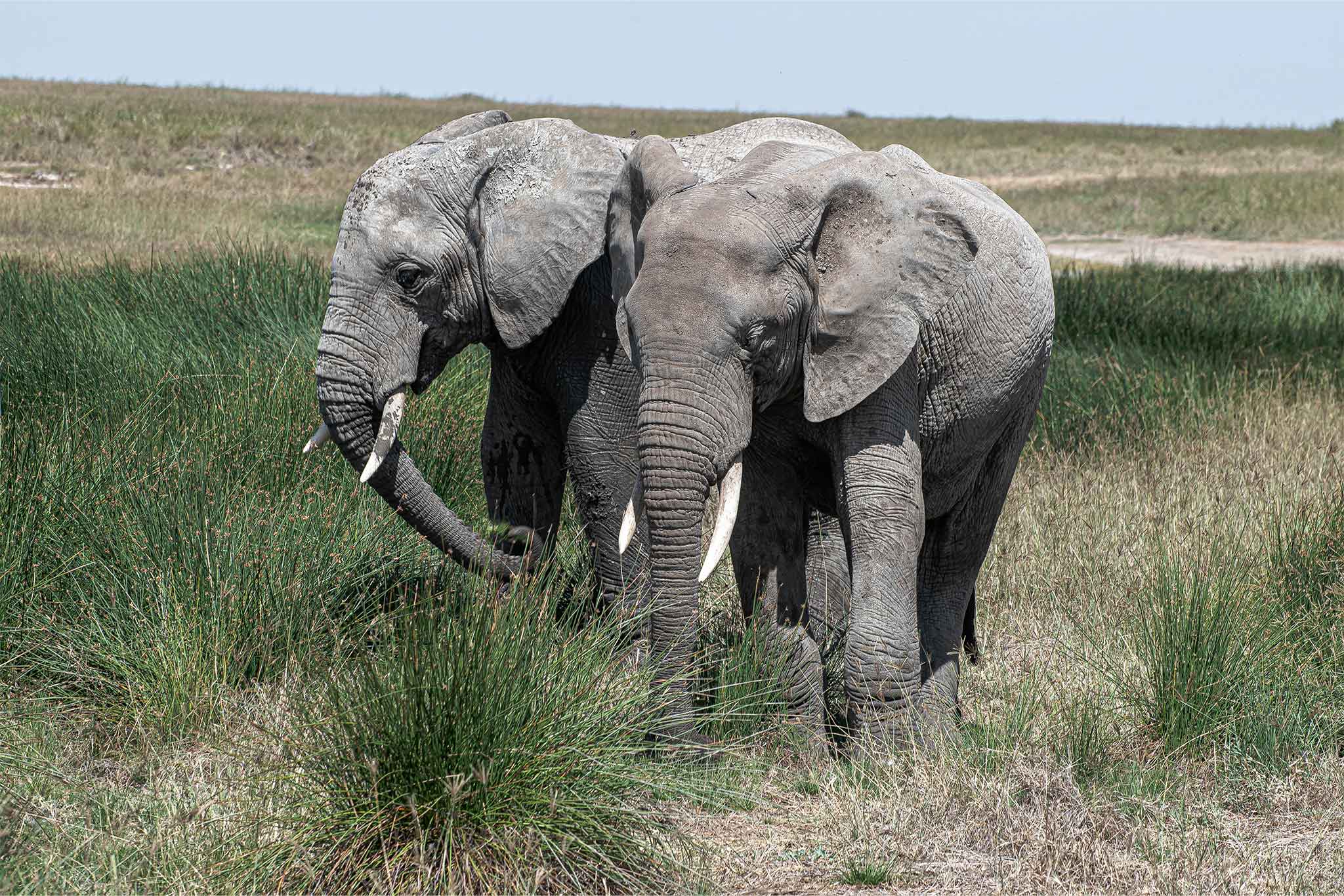
Head to Tarangire for a full day of game drives. Look for elephants, lions, giraffes, zebras, and wildebeest along the river, and the famous baobab trees that give the park its character.
Meals: Breakfast, Lunch, Dinner
Lake Manyara National Park
Drive ~1.5 hrs
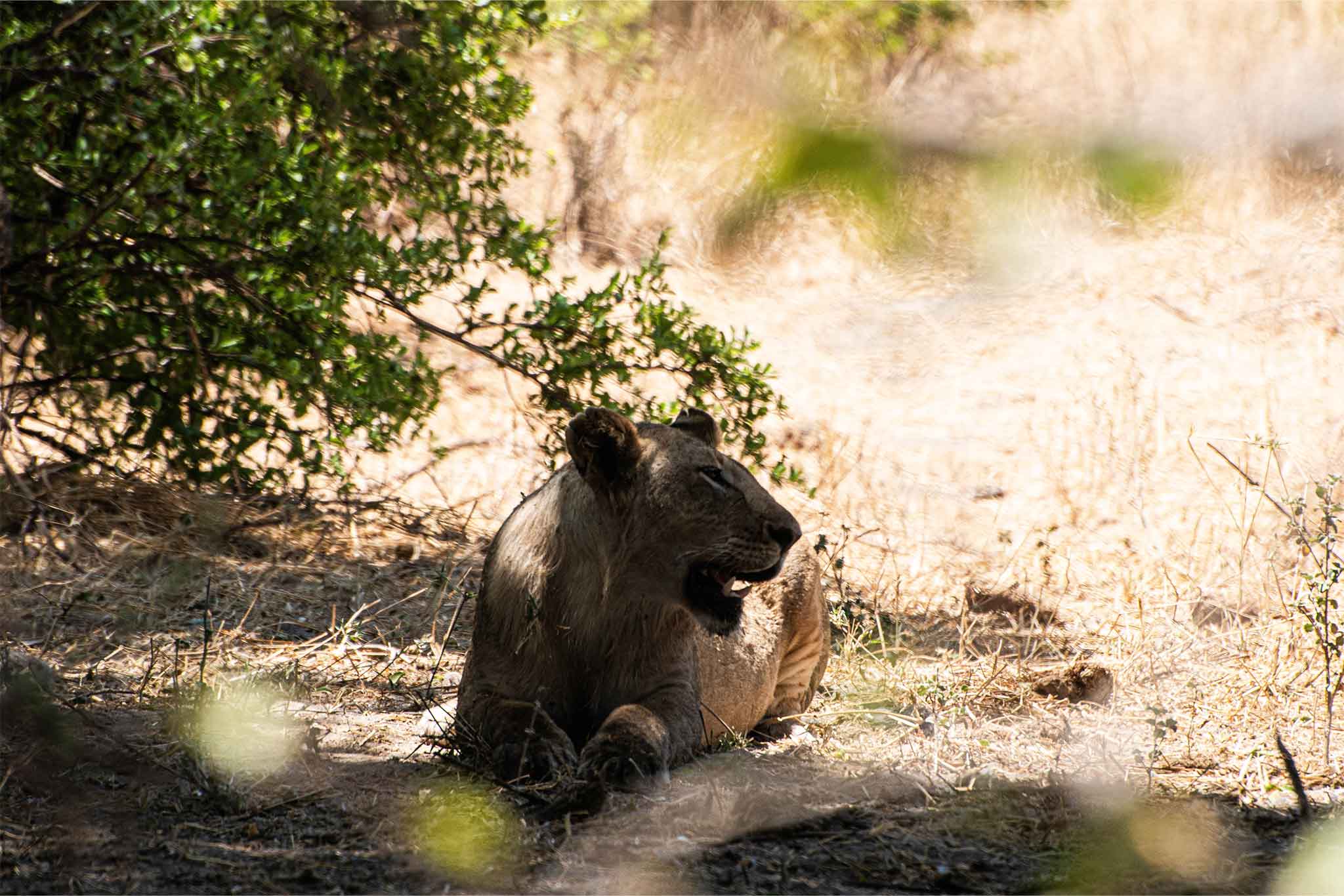
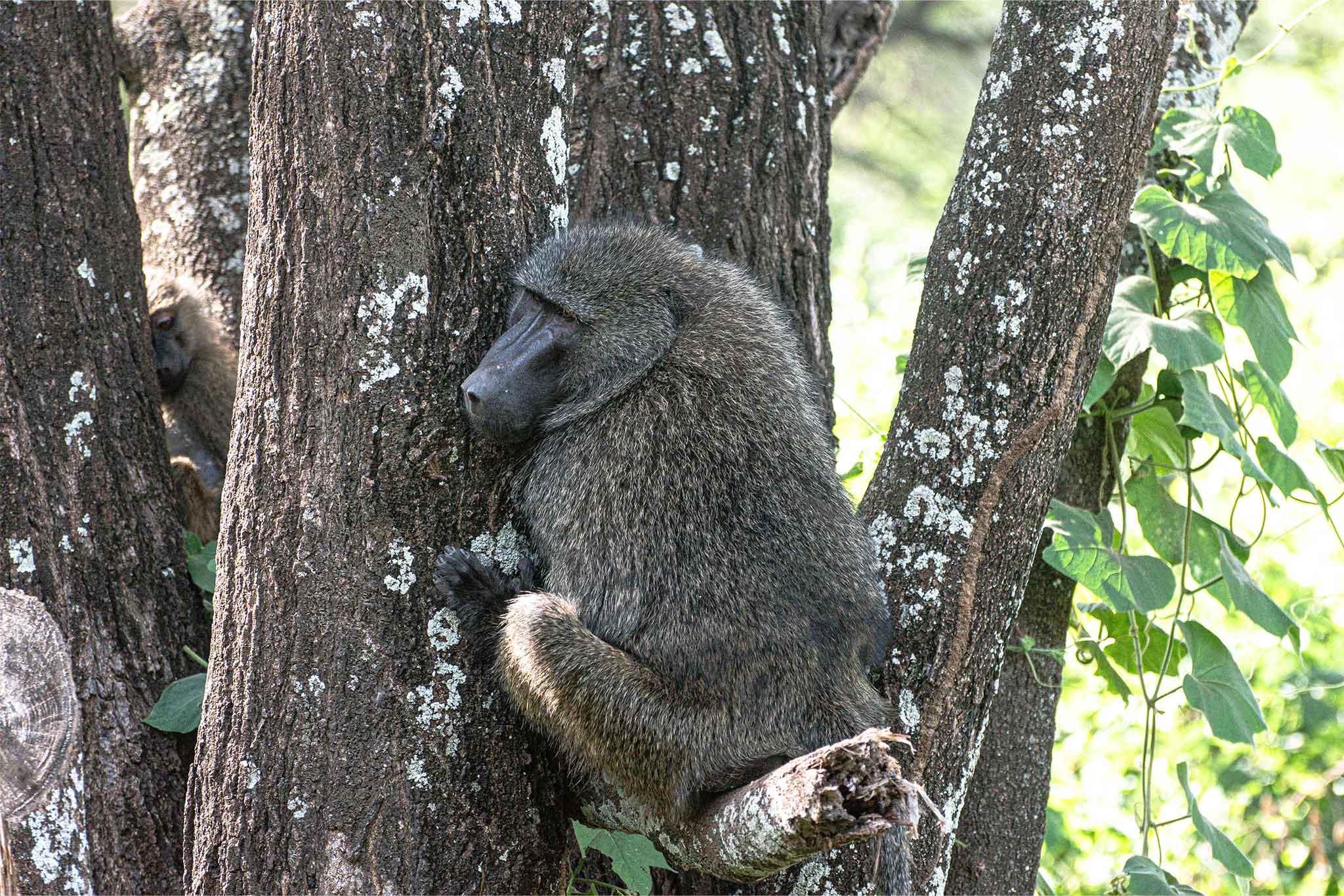
Explore Lake Manyara, a compact park at the foot of the Rift Valley escarpment. Groundwater forest gives way to open plains and the soda lake, where flamingos and pelicans gather. Look for tree-climbing lions, baboon troops and elephants. Late afternoon, visit Mto wa Mbu village on foot or by bicycle before continuing to the Karatu highlands.
Meals: Breakfast, Lunch, Dinner
Full day in the Serengeti
Full-day game drives
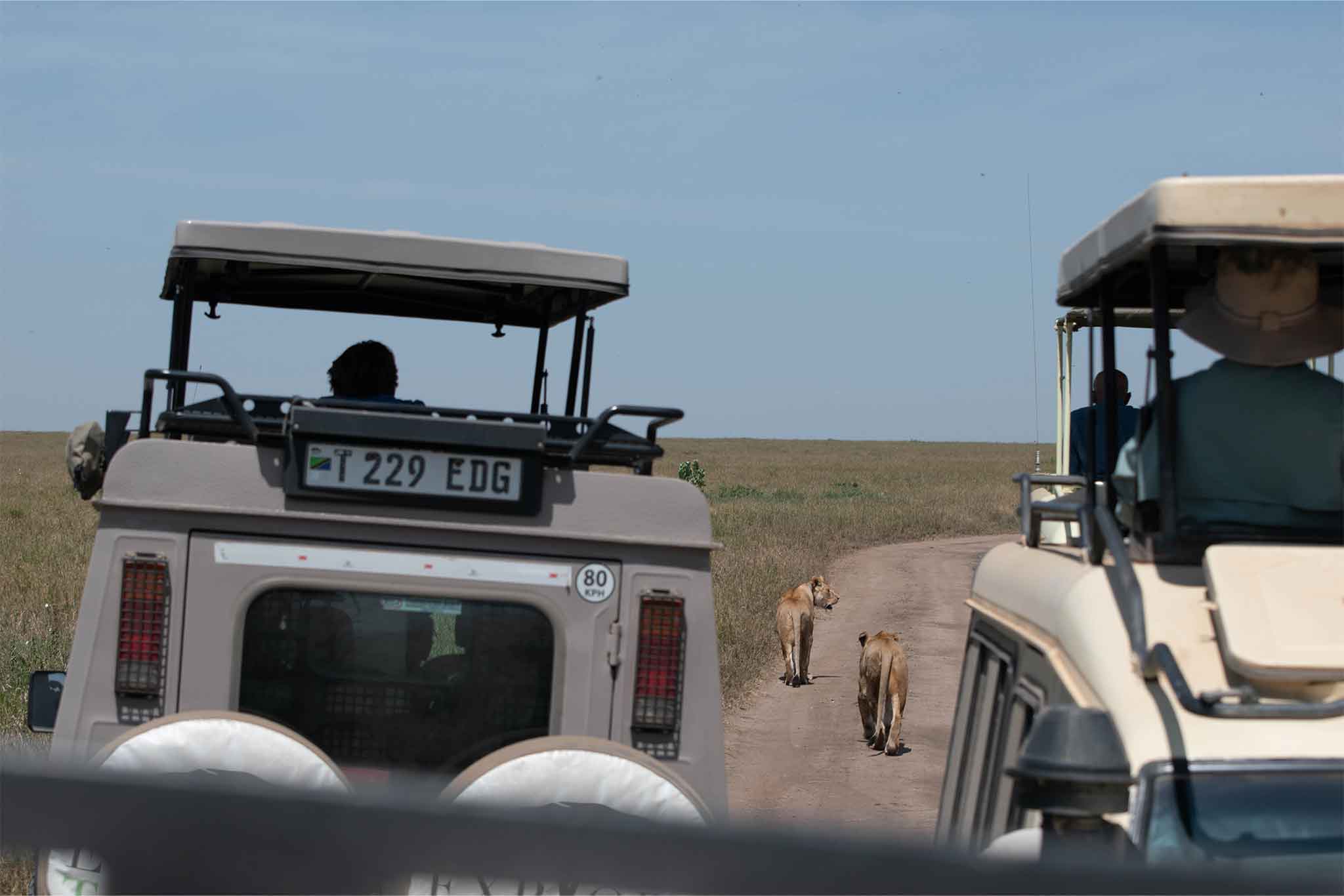
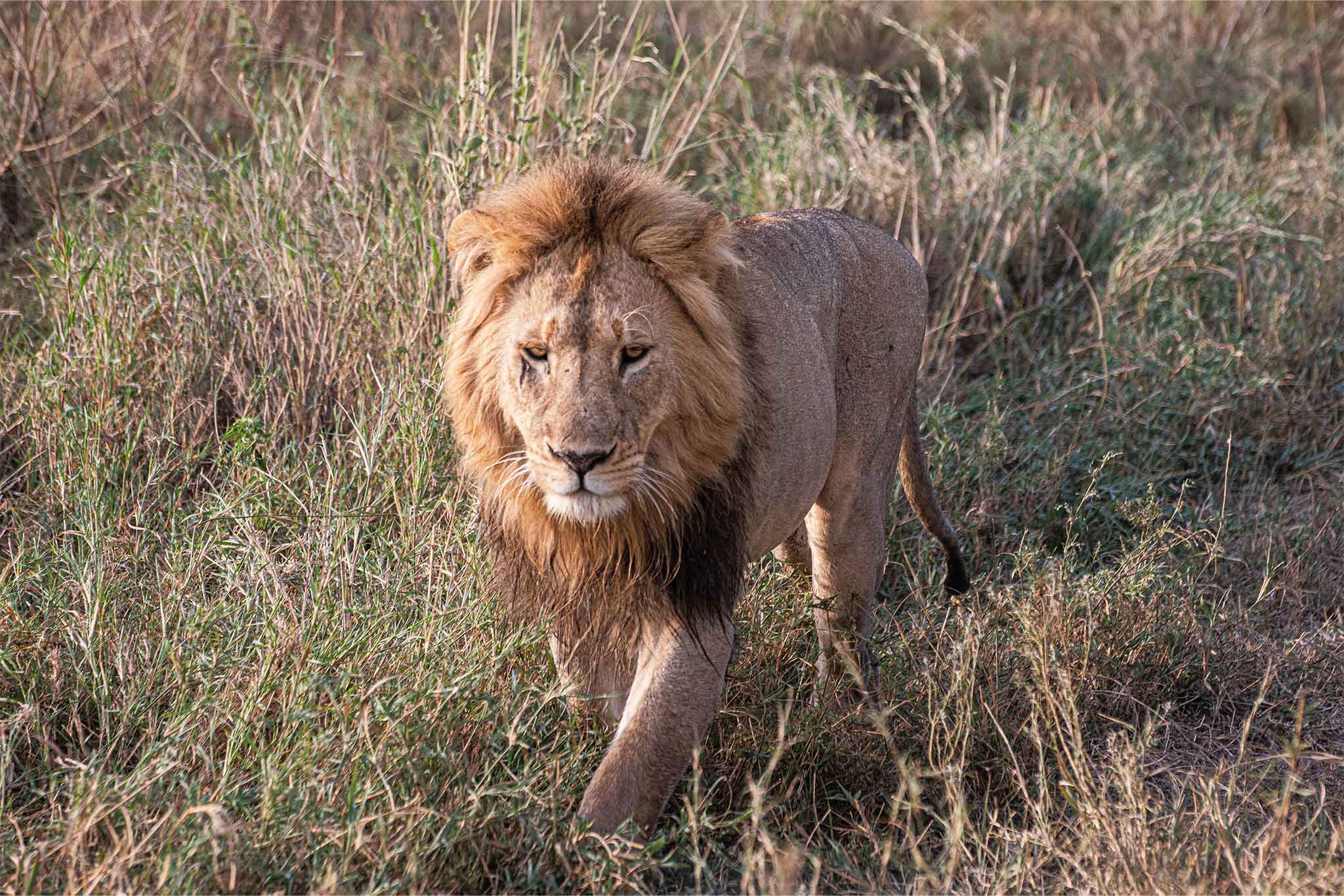
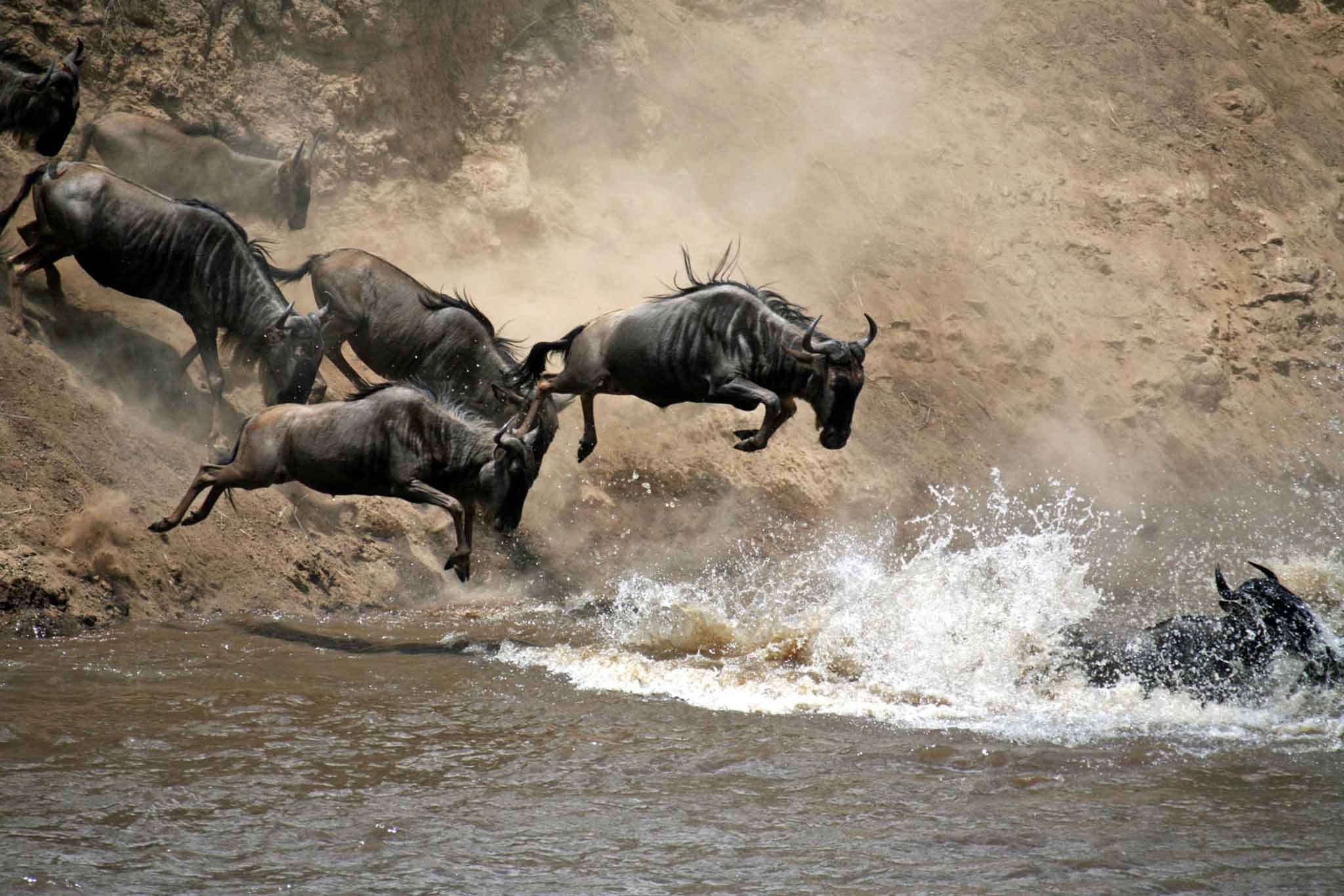
A whole day to explore the Serengeti. Depending on the season, your guide follows the Great Migration or searches the kopjes and rivers for lion, leopard and cheetah. Optional sunrise hot-air balloon safari.
Meals: Breakfast, Lunch, Dinner
Serengeti to Ngorongoro
Morning game drive in the Serengeti, then drive to the Ngorongoro Crater rim, arriving in time to watch the sunset over the caldera.
Meals: Breakfast, Lunch, Dinner
Ngorongoro Crater and departure
Crater tour ~6 hrs · Drive 4 hrs
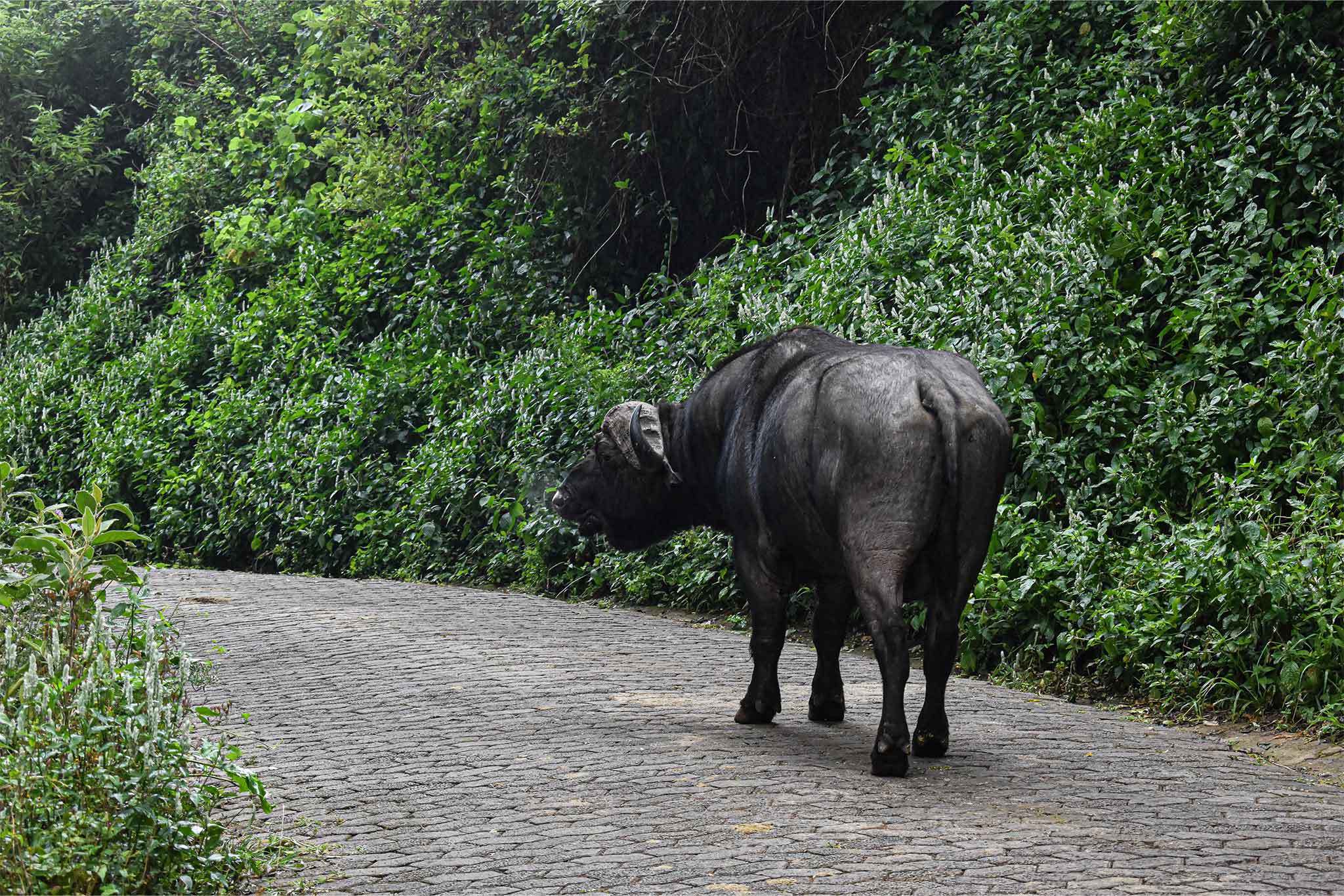
Descend into the crater at first light for the best game viewing, with a chance of seeing black rhino, lion, elephant and huge herds of zebra and wildebeest. Picnic lunch on the crater floor, then drive to Arusha and Kilimanjaro International Airport for your evening flight.
Meals: Breakfast, Lunch
Overnight: End of tour
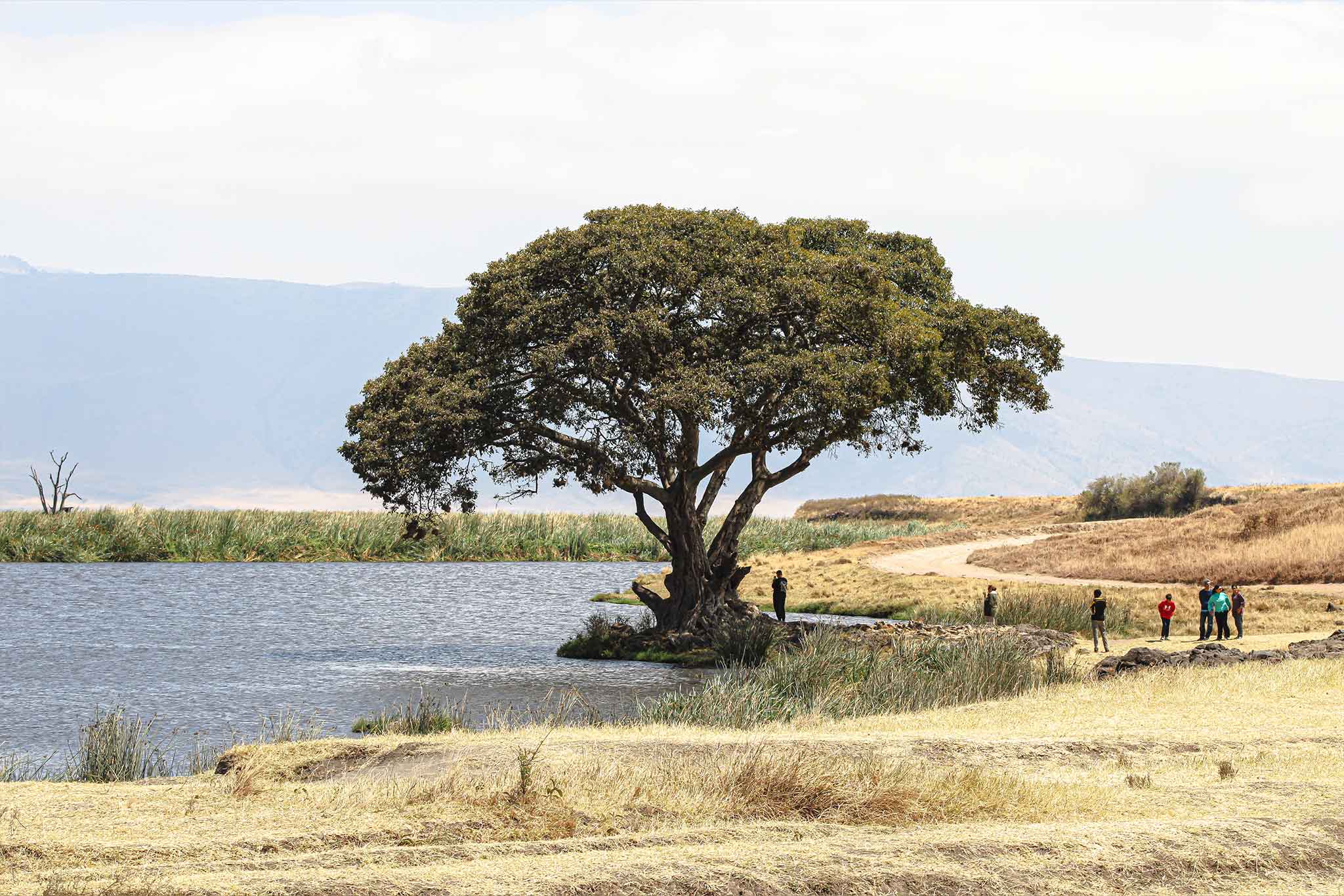
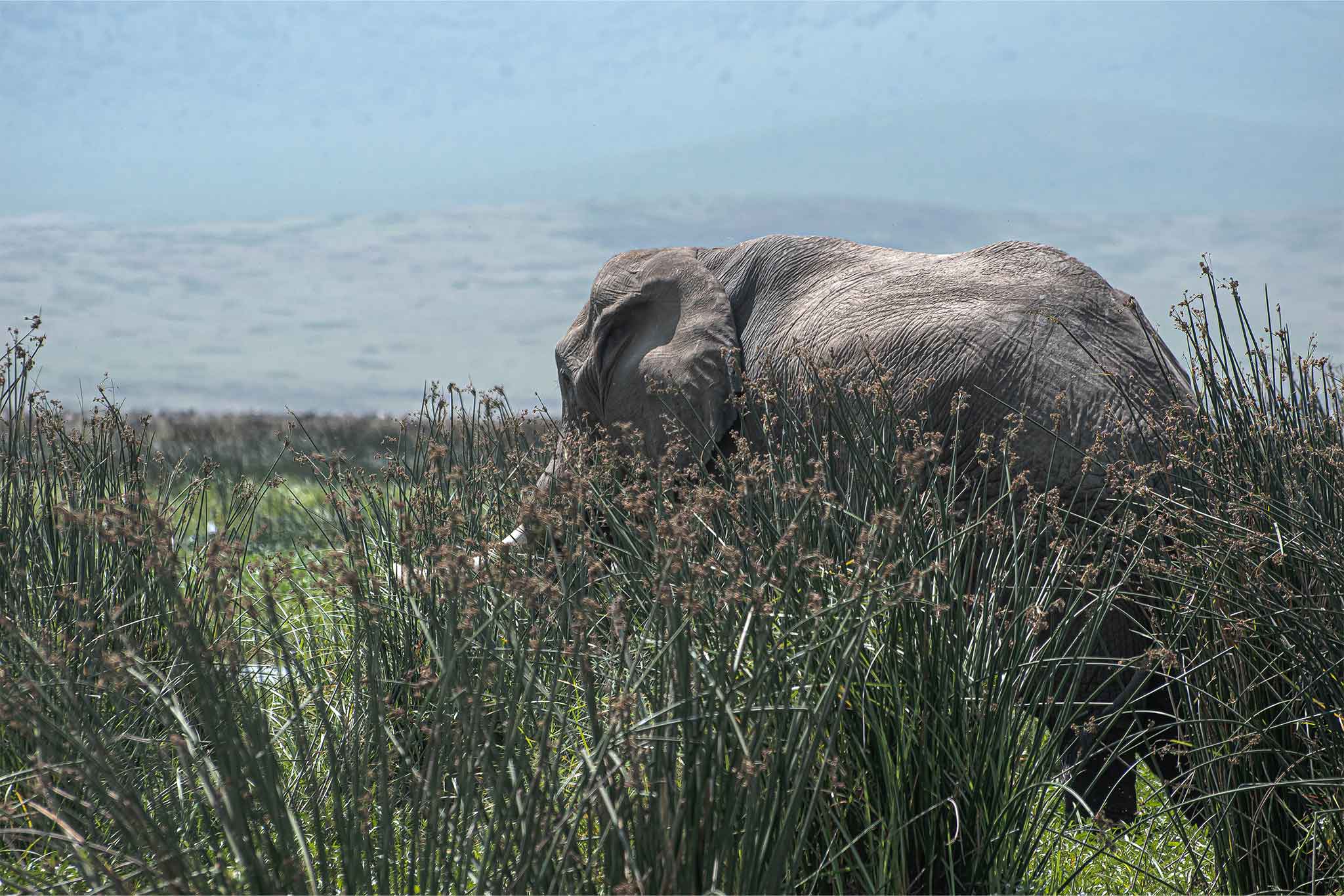
You've reached the end of your adventure
Where you stay
Accommodations
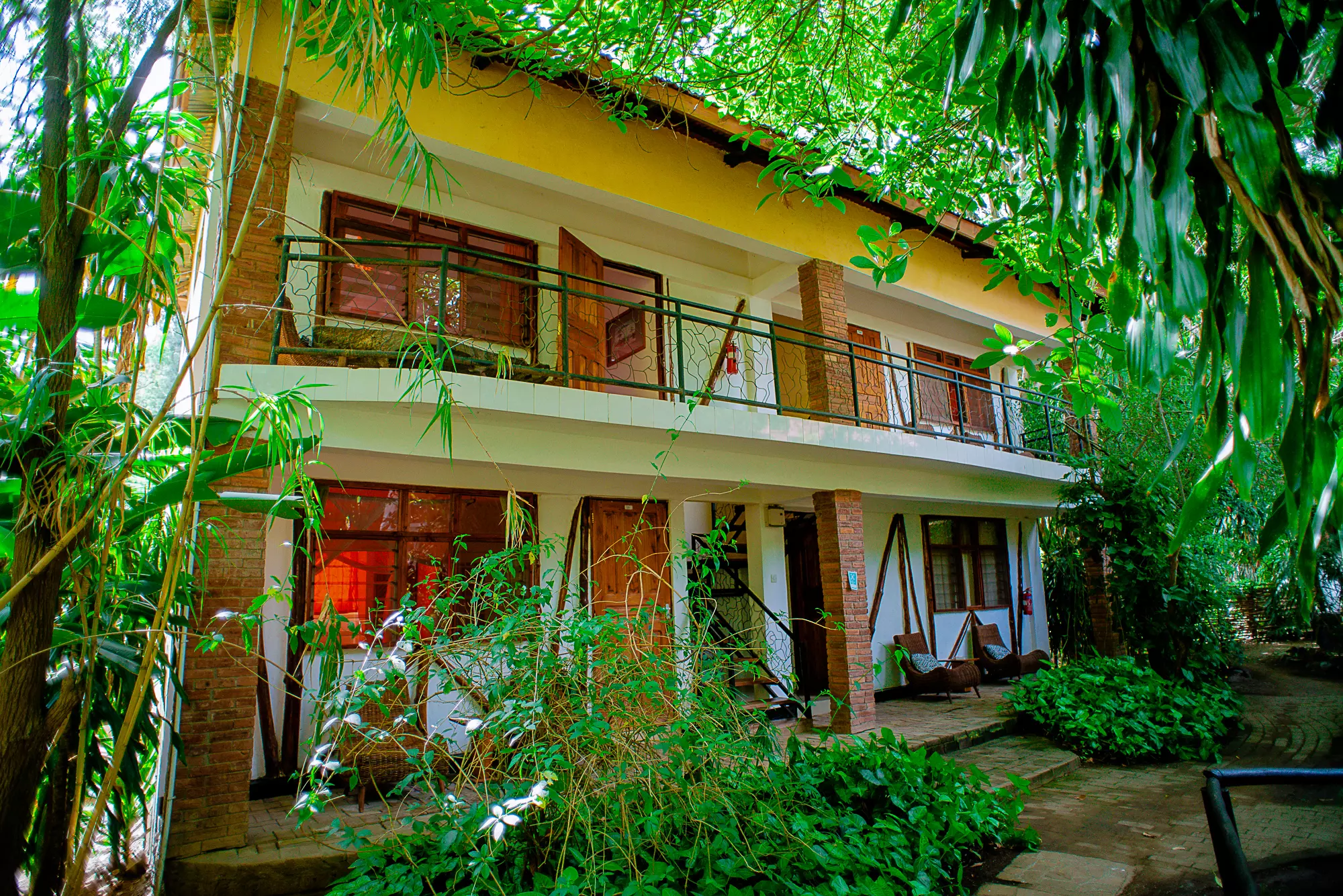 Silver
Outpost Lodge, Arusha
Arusha
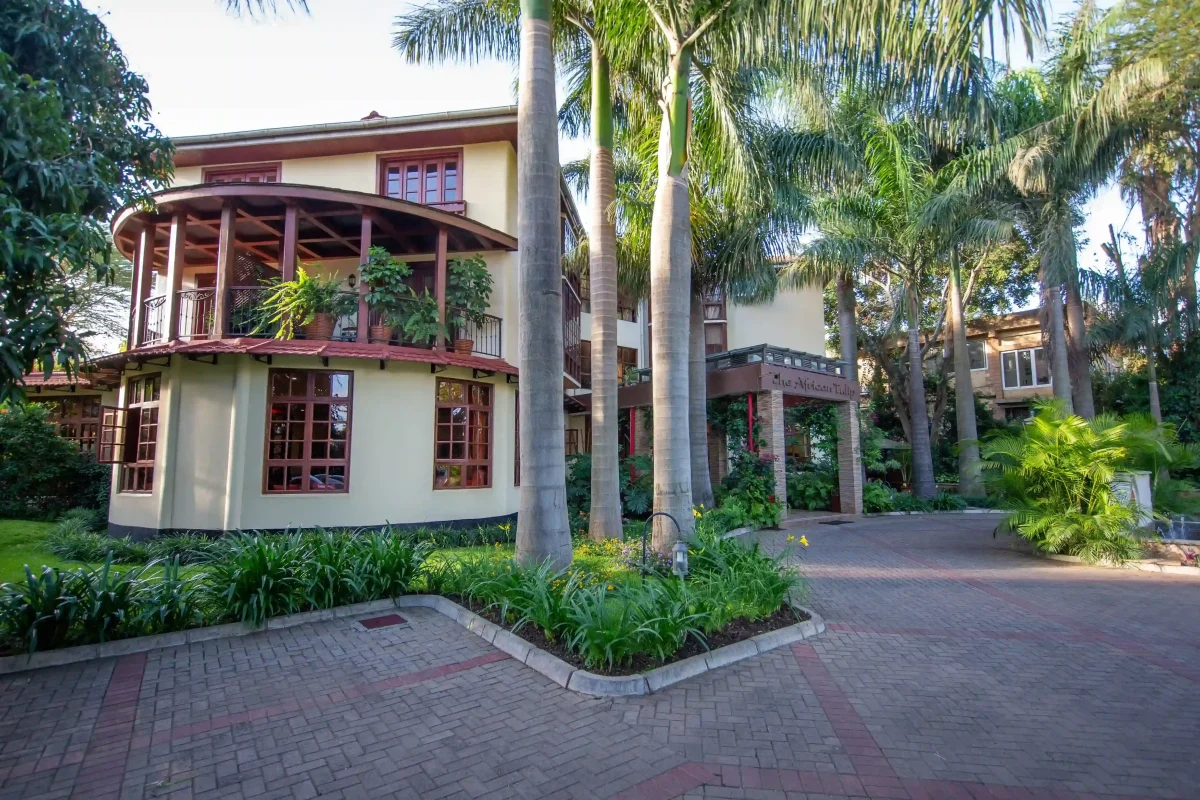 Gold
Gold
African Tulip Hotel, Arusha
Arusha
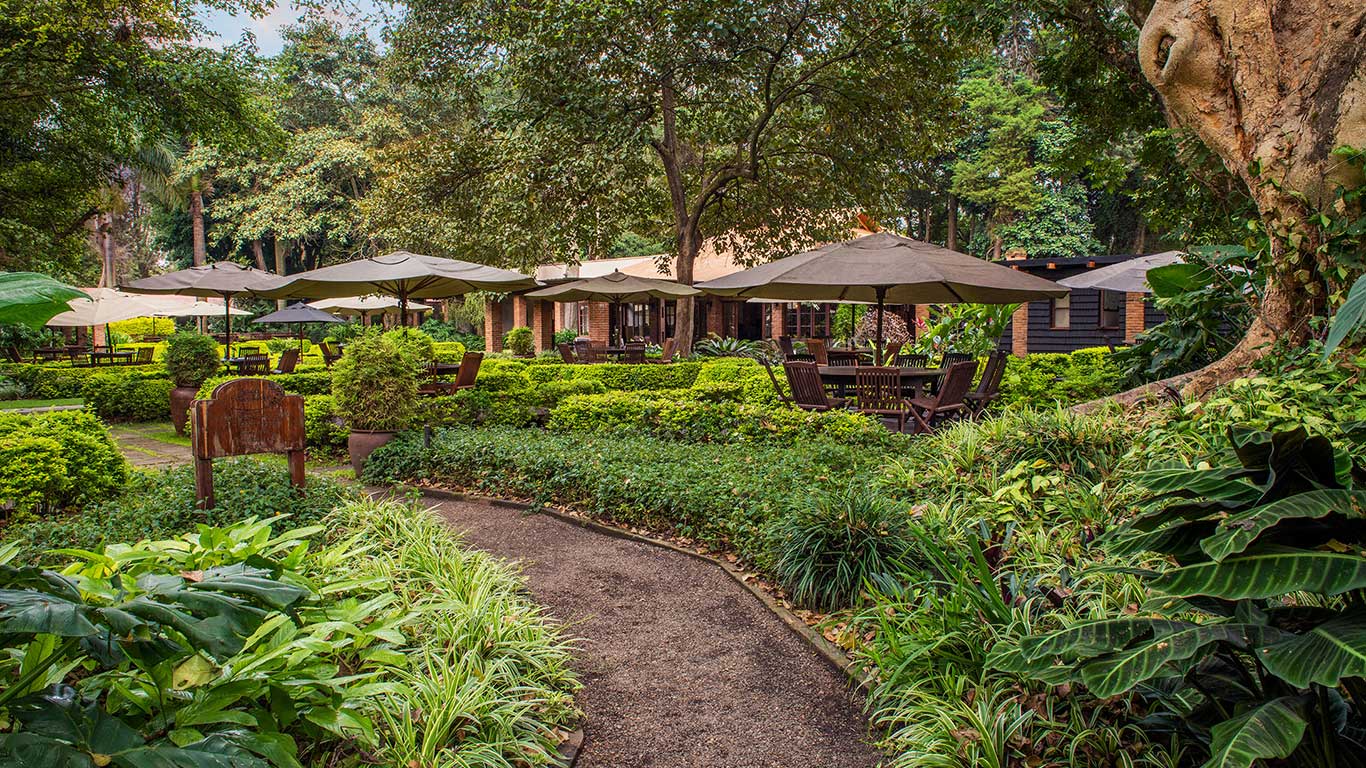 Platinum
Arusha Coffee Lodge (Elewana)
Arusha
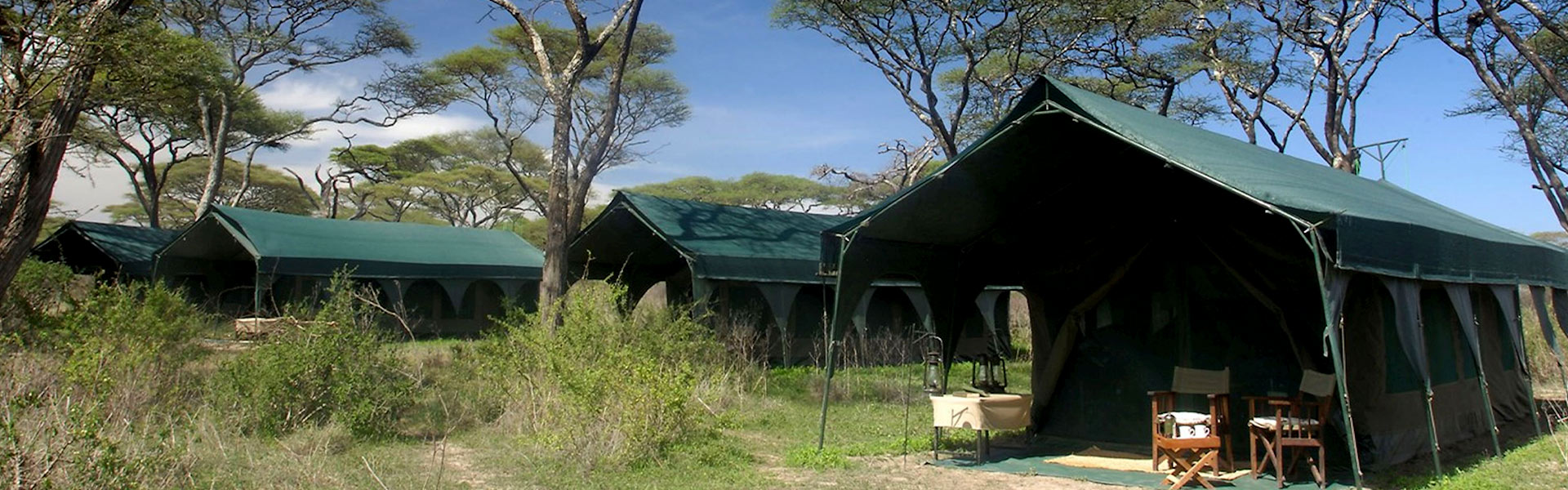 Silver
Kirurumu Tarangire Tented Camp
Tarangire
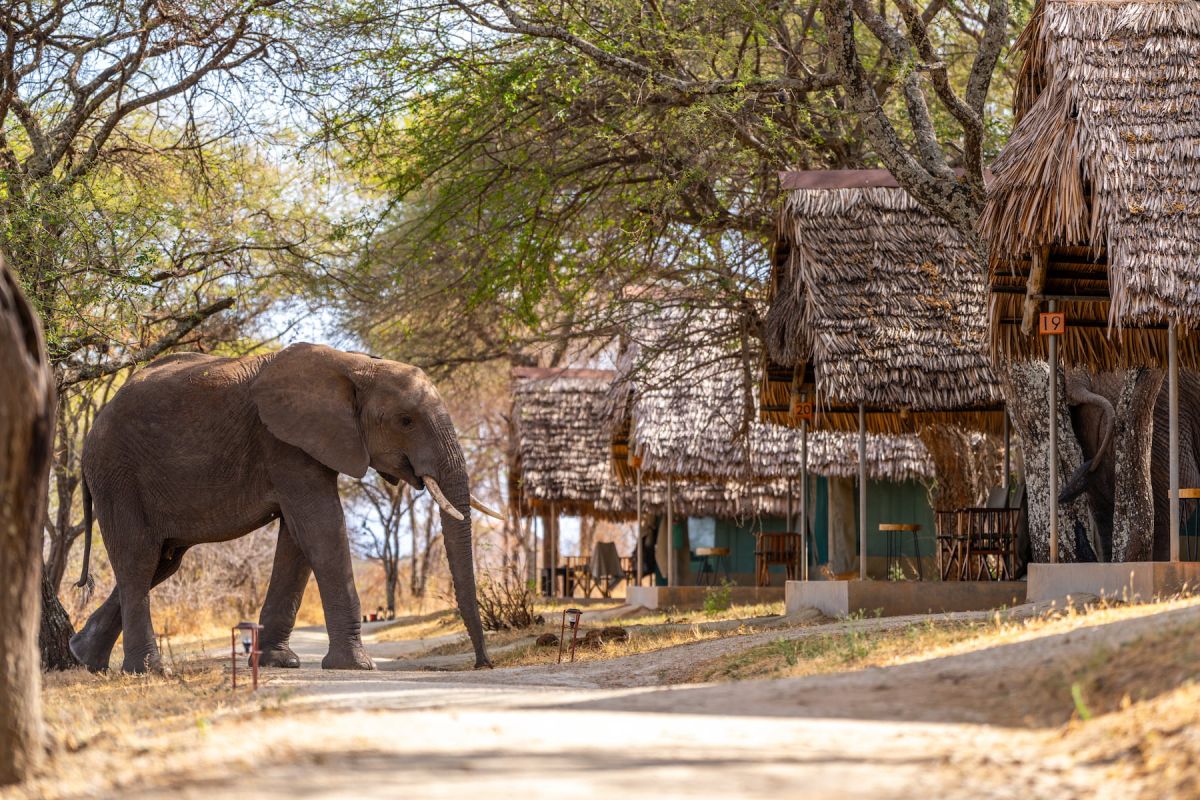 Gold
Gold
Tarangire Safari Lodge
Tarangire
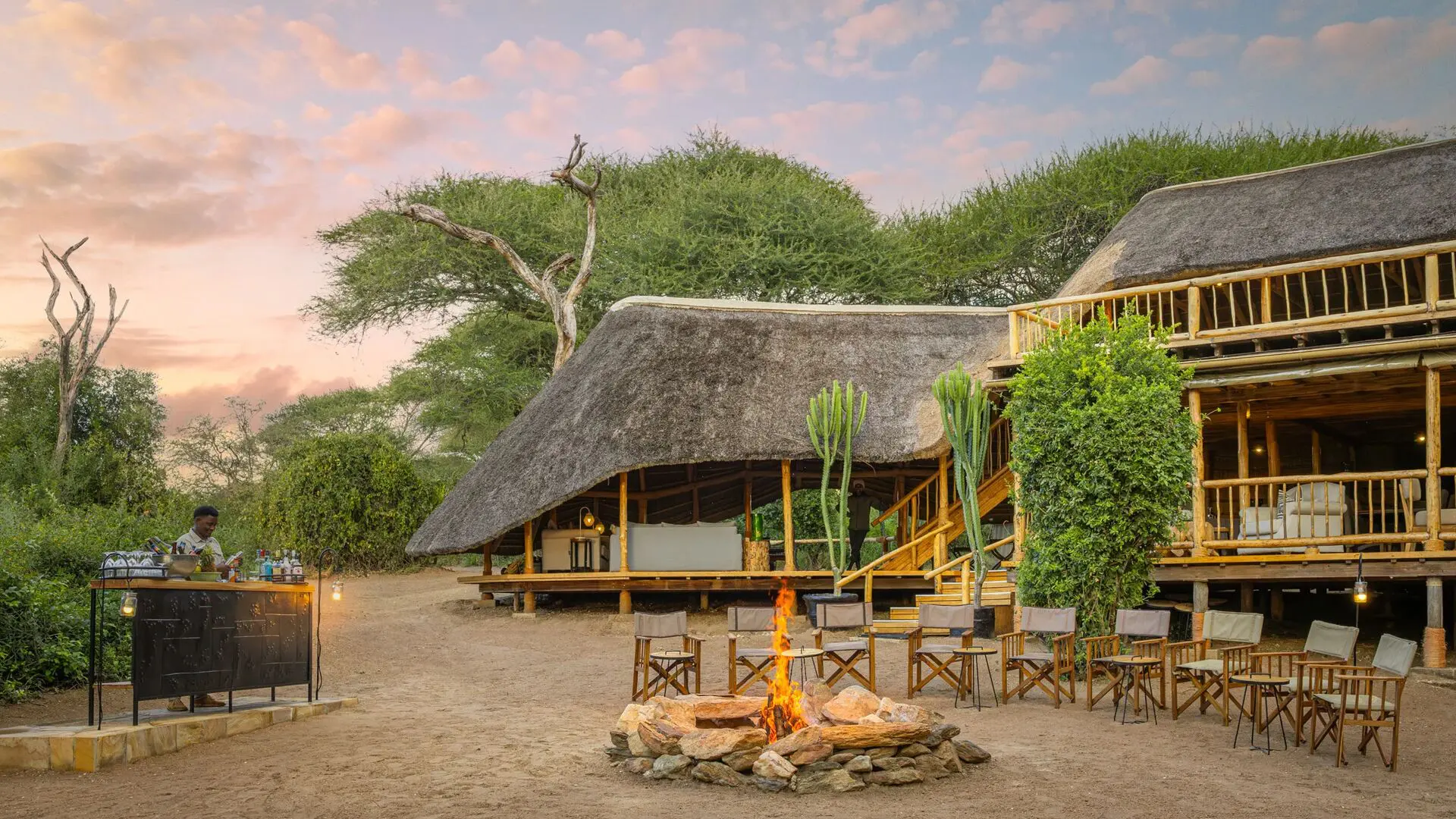 Platinum
Oliver's Camp, Tarangire
Tarngire
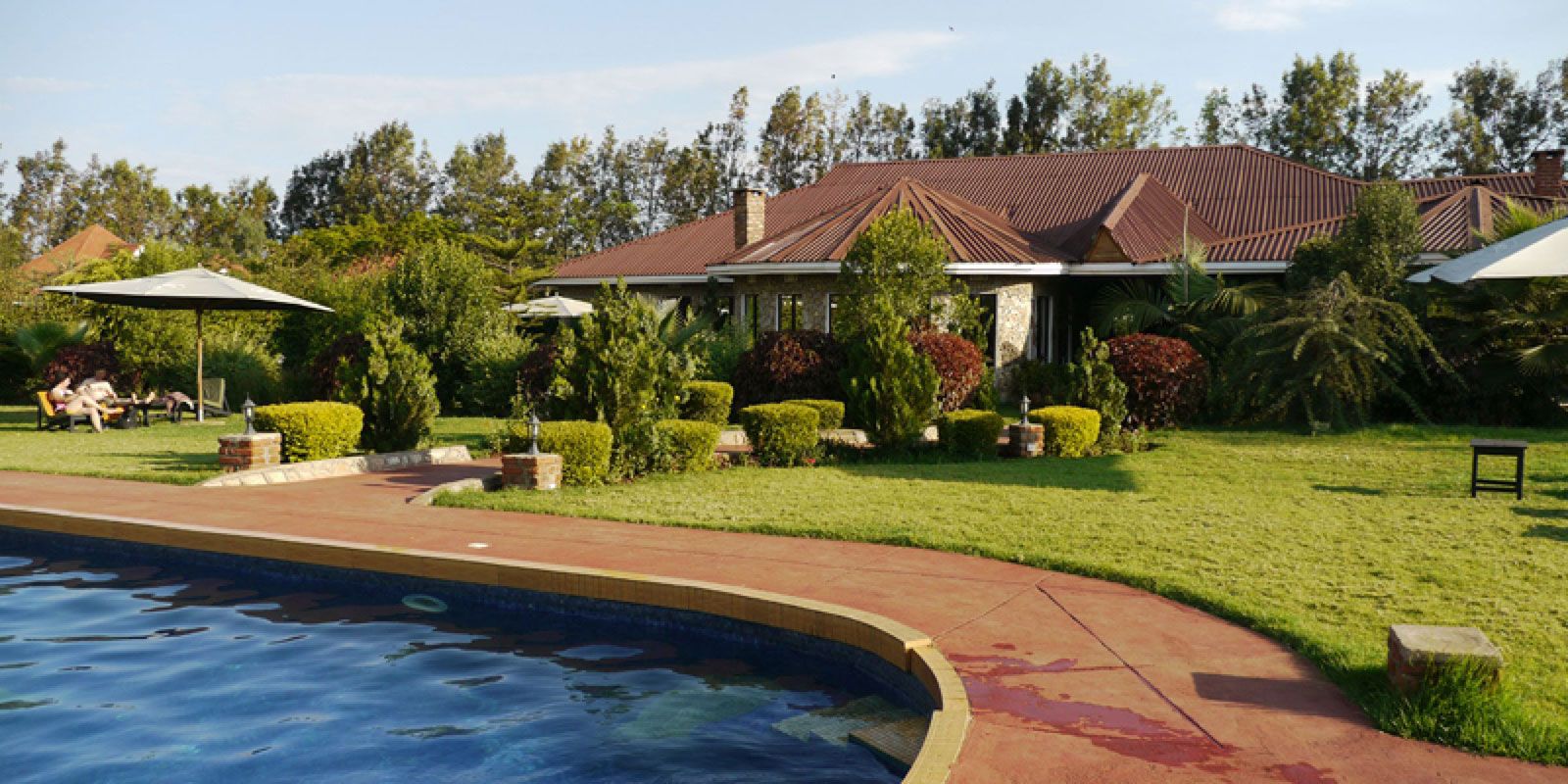 Silver
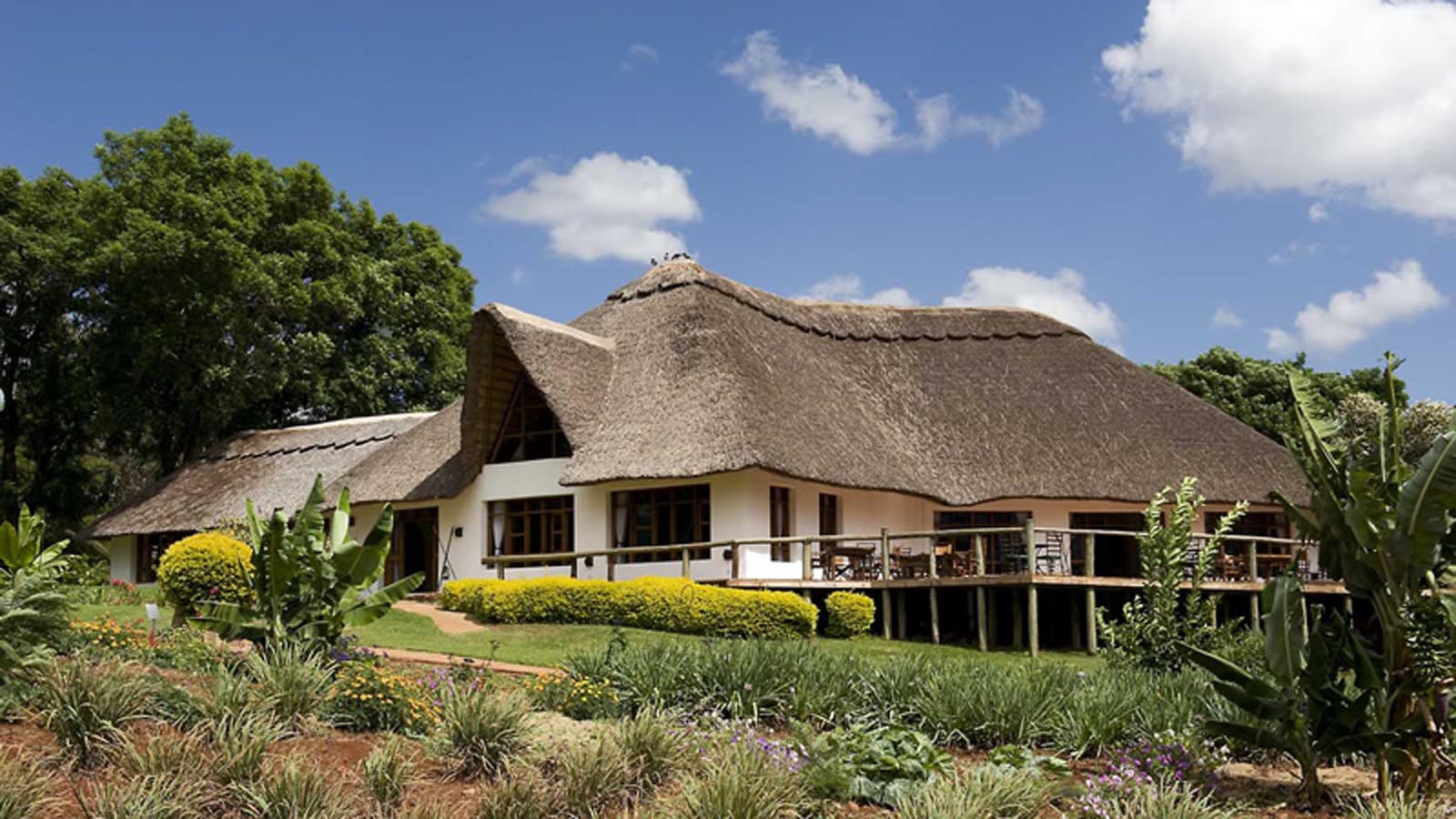
Bougainvillea Safari Lodge, Karatu
Karatu
 Gold
Gold
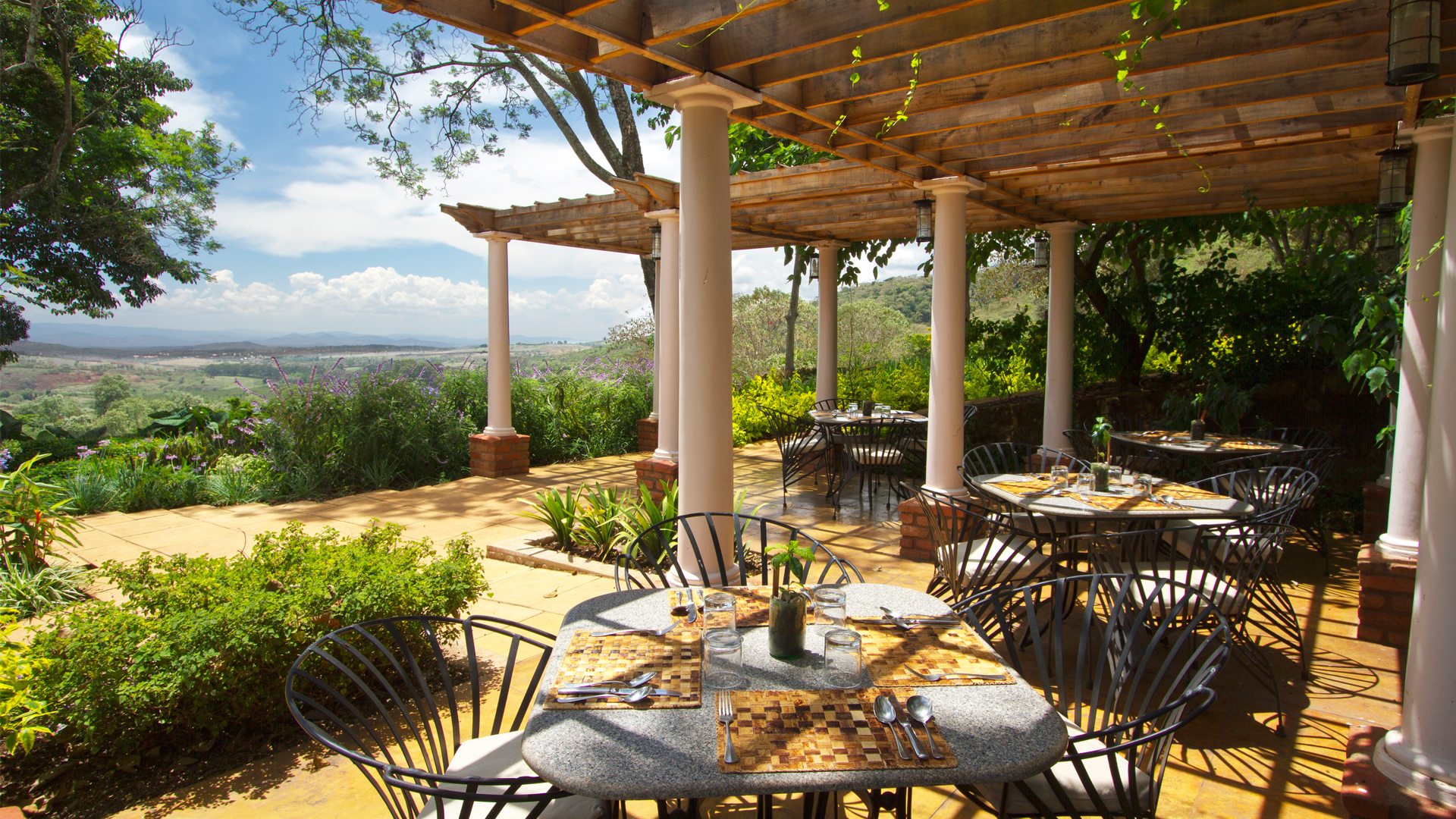
Ngorongoro Farm House
Karatu
 Platinum
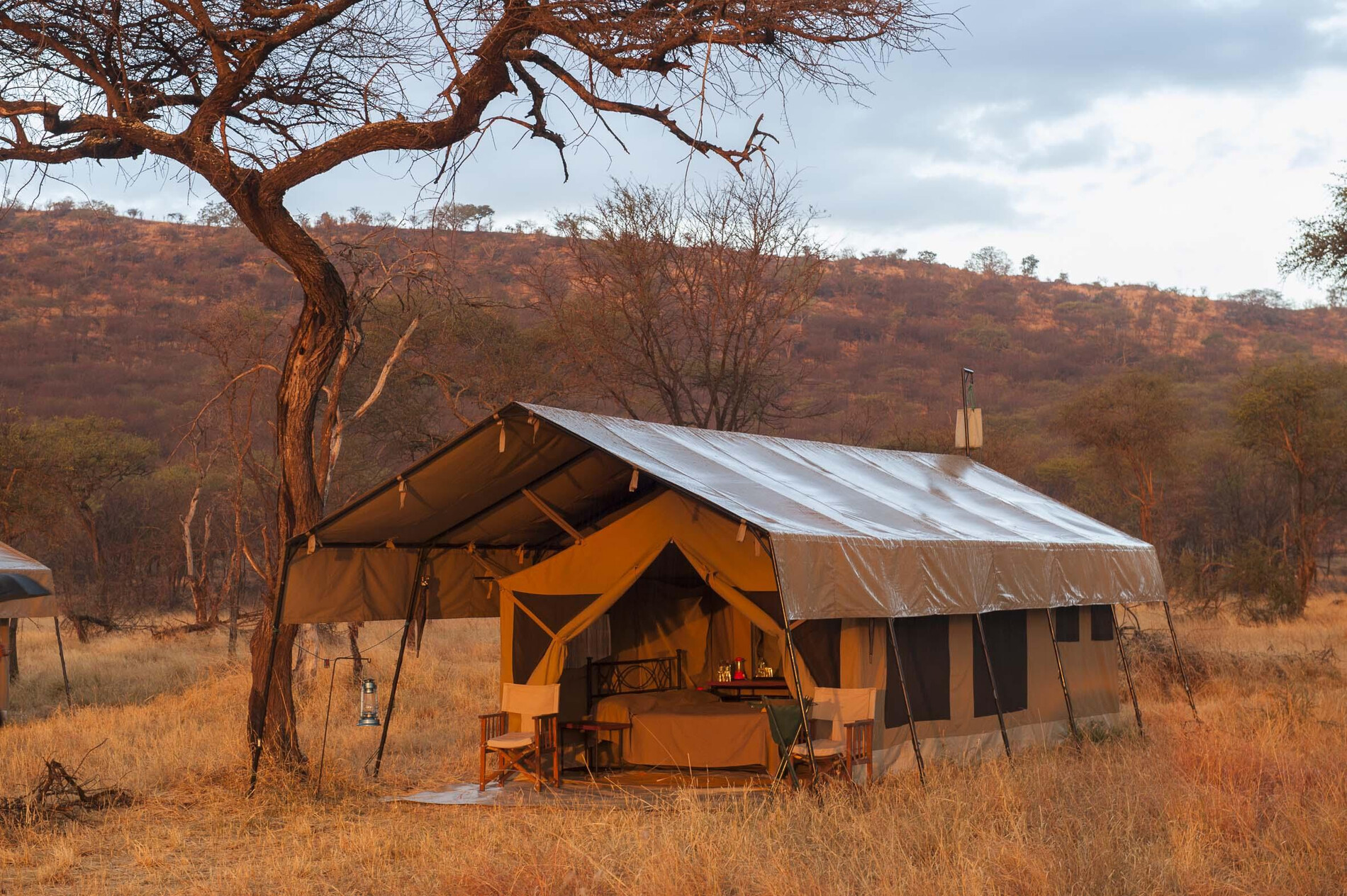
Gibb's Farm, Karatu
Karatu
 Silver
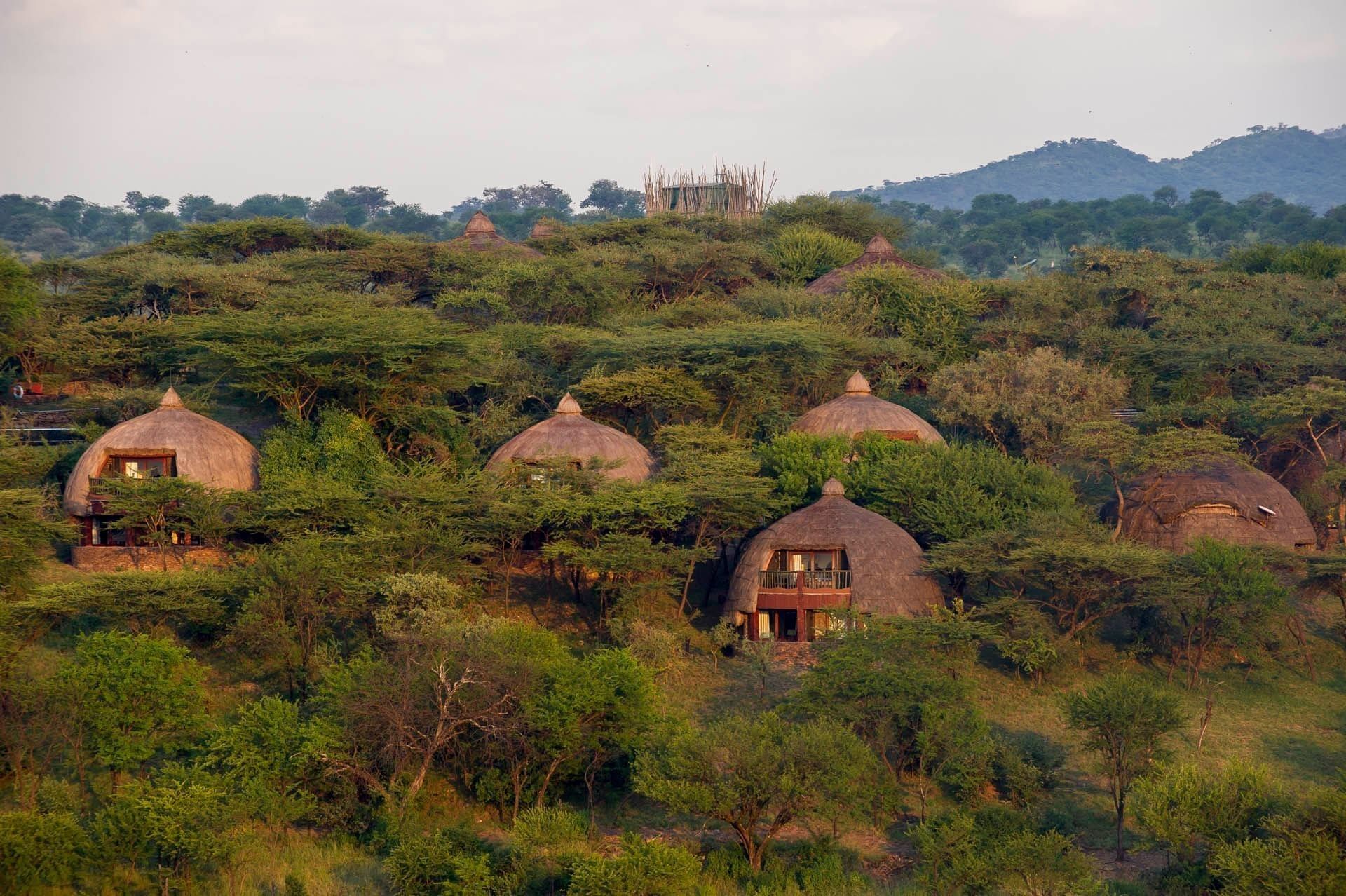
Kati Kati Tented Camp, Central Serengeti
Serengeti
 Gold
Gold
Serengeti Serena Safari Lodge
Serengeti
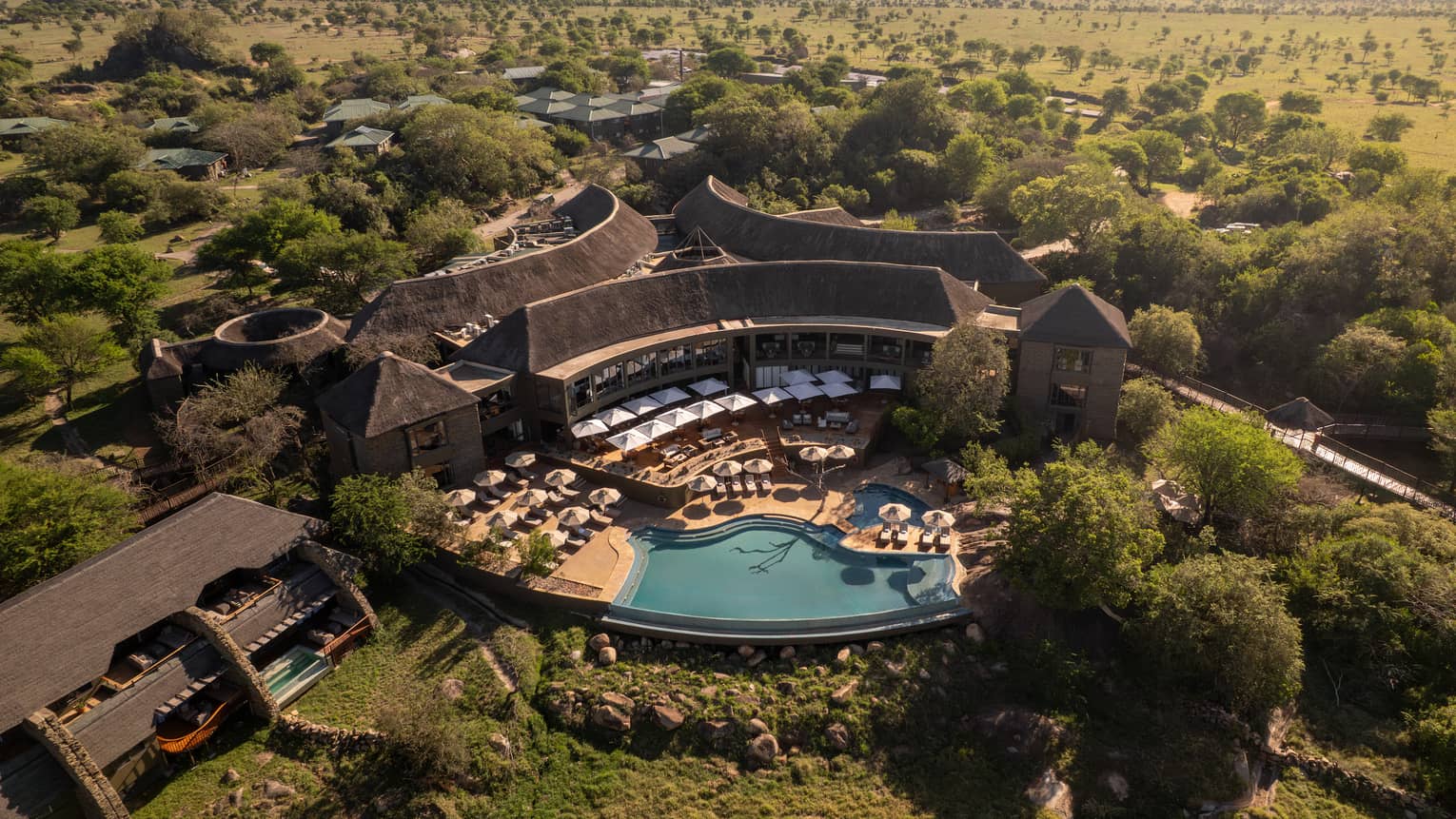 Platinum
Four Seasons Safari Lodge Serengeti
Serenget
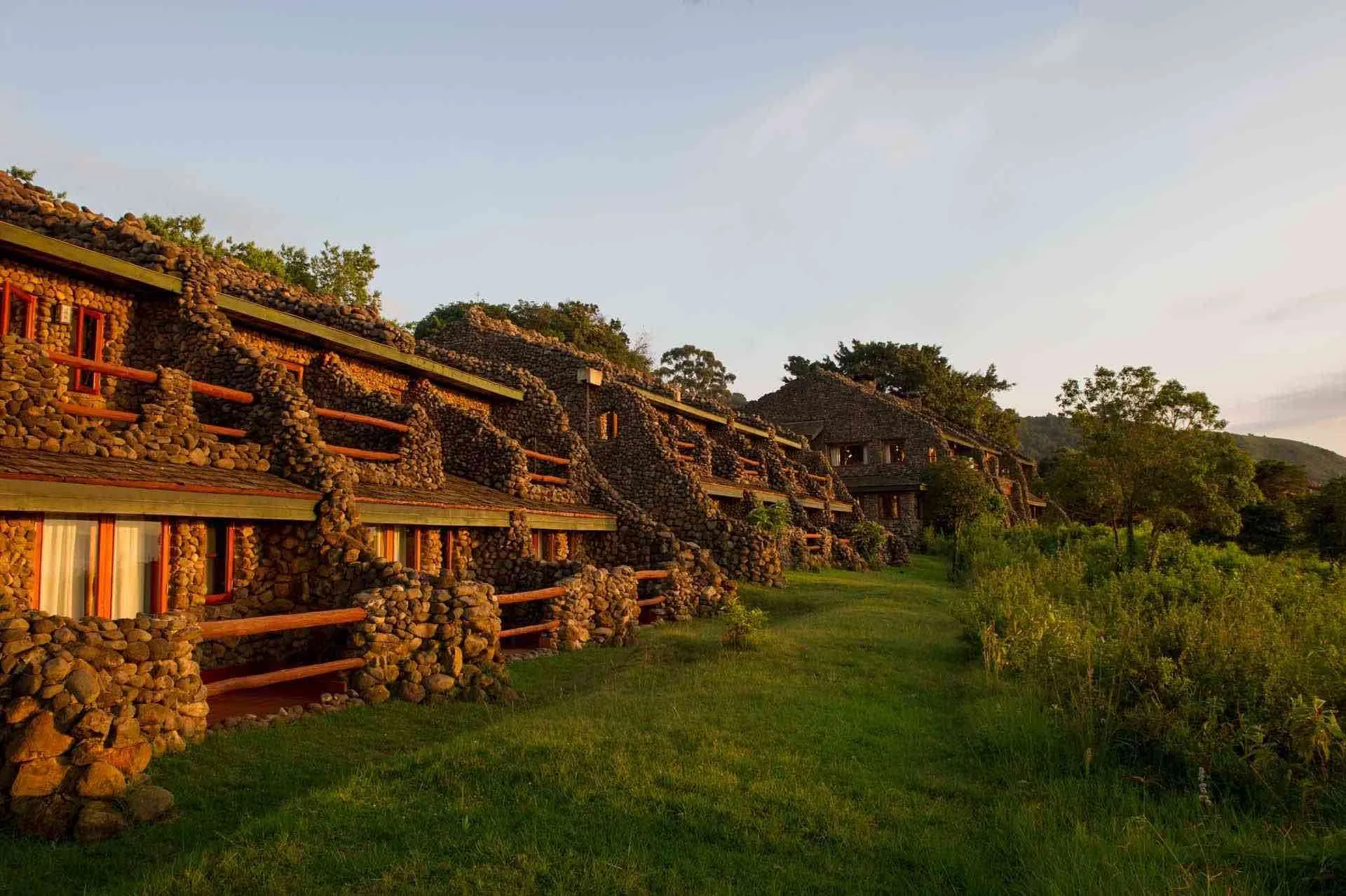 Gold
Gold
Ngorongoro Serena Safari Lodge (crater rim)
Ngorongoro
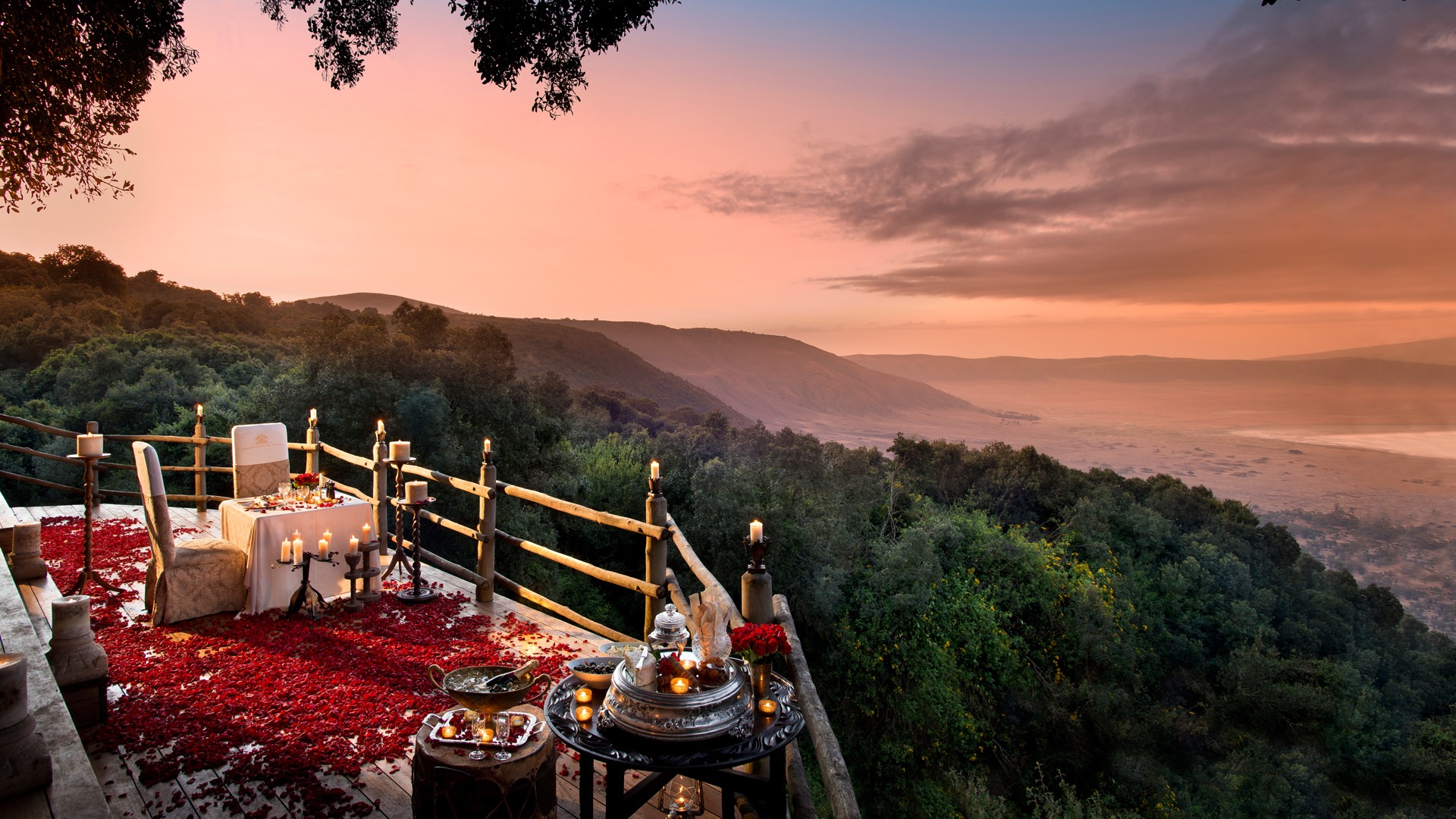 Platinum
&Beyond Ngorongoro Crater Lodge (crater rim)
Ngorongoro
Best time to travel
Northern Tanzania offers excellent safaris all year, but each season has its own advantages. The long dry season from June to October is the classic safari time: vegetation thins, animals gather around rivers and waterholes, and game viewing is at its easiest. January and February are also very good, with green landscapes, newborn animals, and the migration's calving season in the southern Serengeti.
Dry season (June–October, January–February)
The easiest wildlife viewing, fewer mosquitoes and comfortable temperatures, but higher prices and more vehicles in the popular areas.
Wet season (the short rains in November–December and the long rains from March to May)
Lush green scenery, dramatic skies, great birdwatching, fewer visitors and lower lodge rates. Rain usually comes as afternoon showers, and only April and May are consistently wet.
Safari includes & excludes
Inclusions
- Airport pick-up and drop-off (Kilimanjaro, Arusha, Dar es Salaam or Zanzibar as per itinerary)
- Private 4x4 safari vehicle with pop-up roof, charging points and cool box
- Professional English-speaking driver-guide (other languages on request)
- All national park, conservation area and concession fees
- Accommodation in your chosen tier (Budget, Mid-range or Luxury)
- Meals as listed in the itinerary (B = breakfast, L = lunch, D = dinner)
- Unlimited drinking water in the vehicle during safari
- Government taxes and 18% VAT
- Flying Doctors (AMREF) emergency evacuation cover while on safari
Exclusions
- International flights and Tanzanian visa
- Travel and medical insurance (compulsory)
- Tips for guides and camp staff
- Drinks other than drinking water, unless included by the lodge
- Optional activities (hot-air balloon, cultural visits not listed, walking safaris)
- Laundry, telephone and other personal expenses
Why choose this safari
Why choose this itinerary
This is the safari we recommend most to first-time visitors: all the classic parks at a relaxed pace, with time for village life along the way.
- Two full days in the Serengeti
- Four different parks, each with its own character
- A cultural visit to Mto wa Mbu village
- Comfortable daily driving times
- Excellent year-round wildlife viewing
Best for: Best for Safari first-timersThe classic parks at a relaxed pace. FamiliesVaried days, cultural visits, and manageable drives. HoneymoonCombine with Zanzibar for the perfect bush-and-beach trip. PhotographyTwo full Serengeti days for the best light and sightings. Group travelPrivate vehicles for groups of any size.
Tailormake your journey
Add these must-do experiences
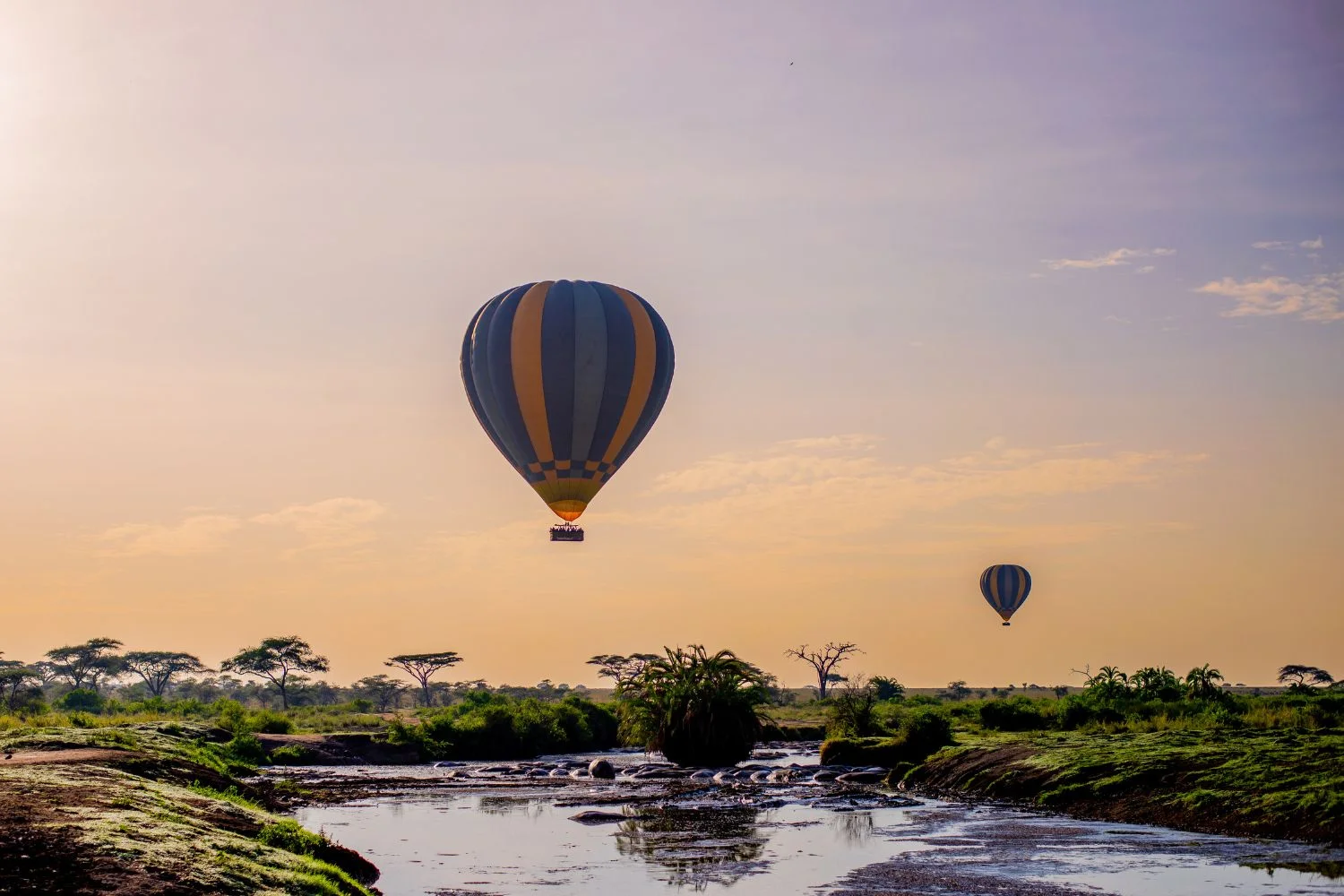
Hot-Air Balloon Safari over the Serengeti
Serengeti, sunrise
Float over the plains at dawn as the animals wake, followed by a champagne bush breakfast. Seats are limited in high season, so book early.
No extra day needed
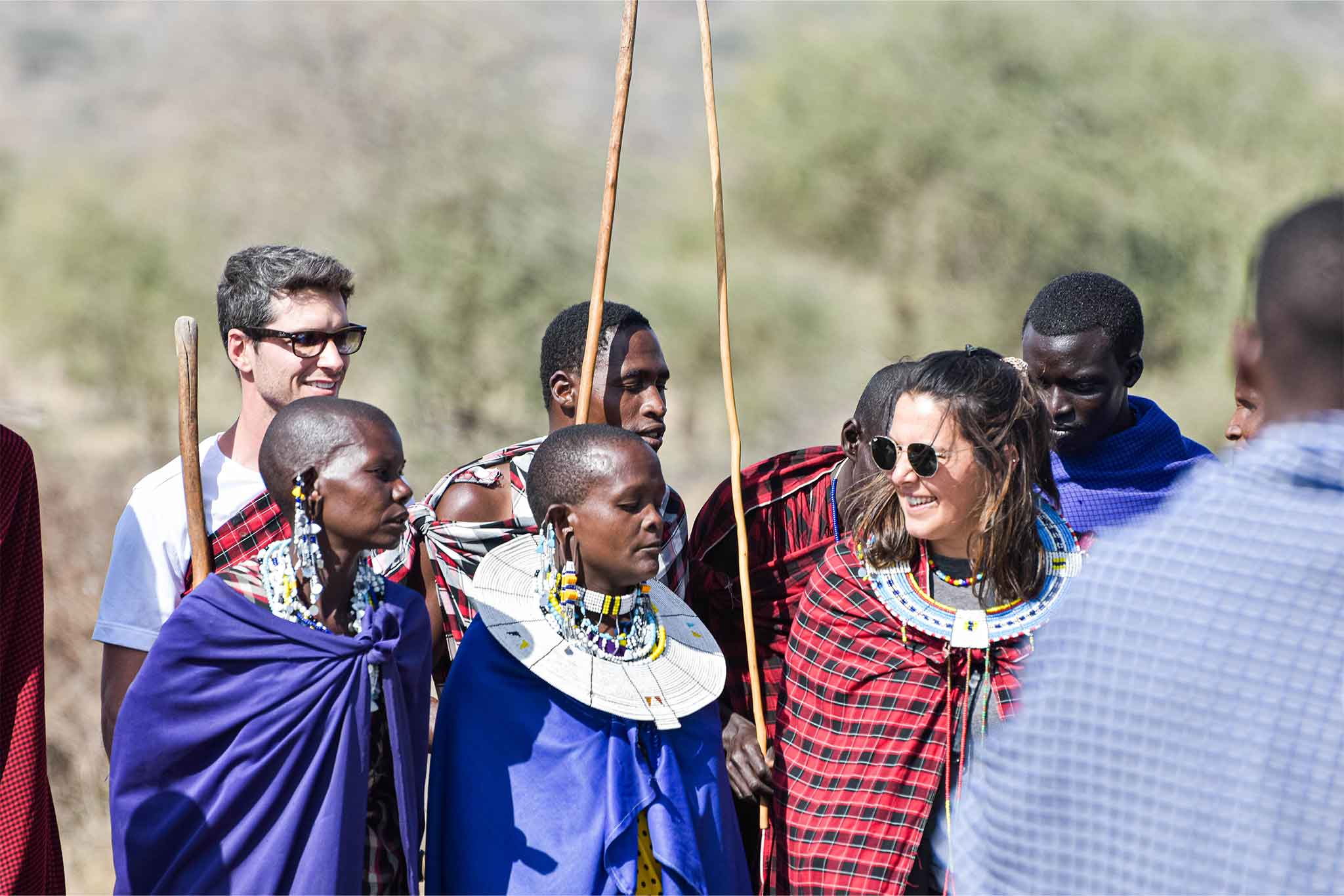
Maasai Boma Visit
Ngorongoro area
Visit a Maasai homestead to learn about pastoral life, traditional dances and beadwork, arranged respectfully with the community.
No extra day needed
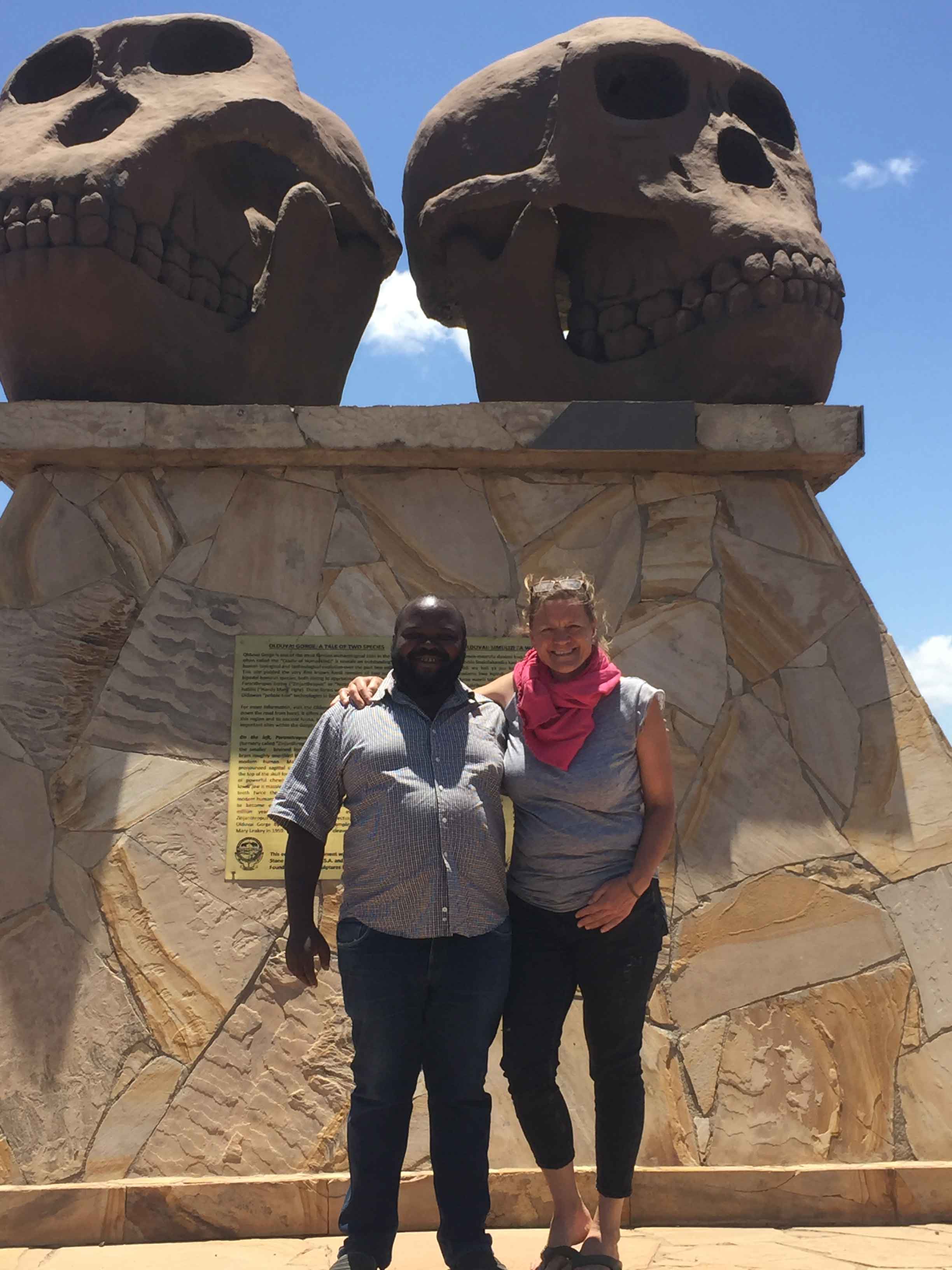
Olduvai Gorge Museum
Between Ngorongoro and the Serengeti
Stop at the 'Cradle of Mankind', where the Leakeys found some of the oldest human fossils. A short museum visit with views over the gorge.
No extra day needed
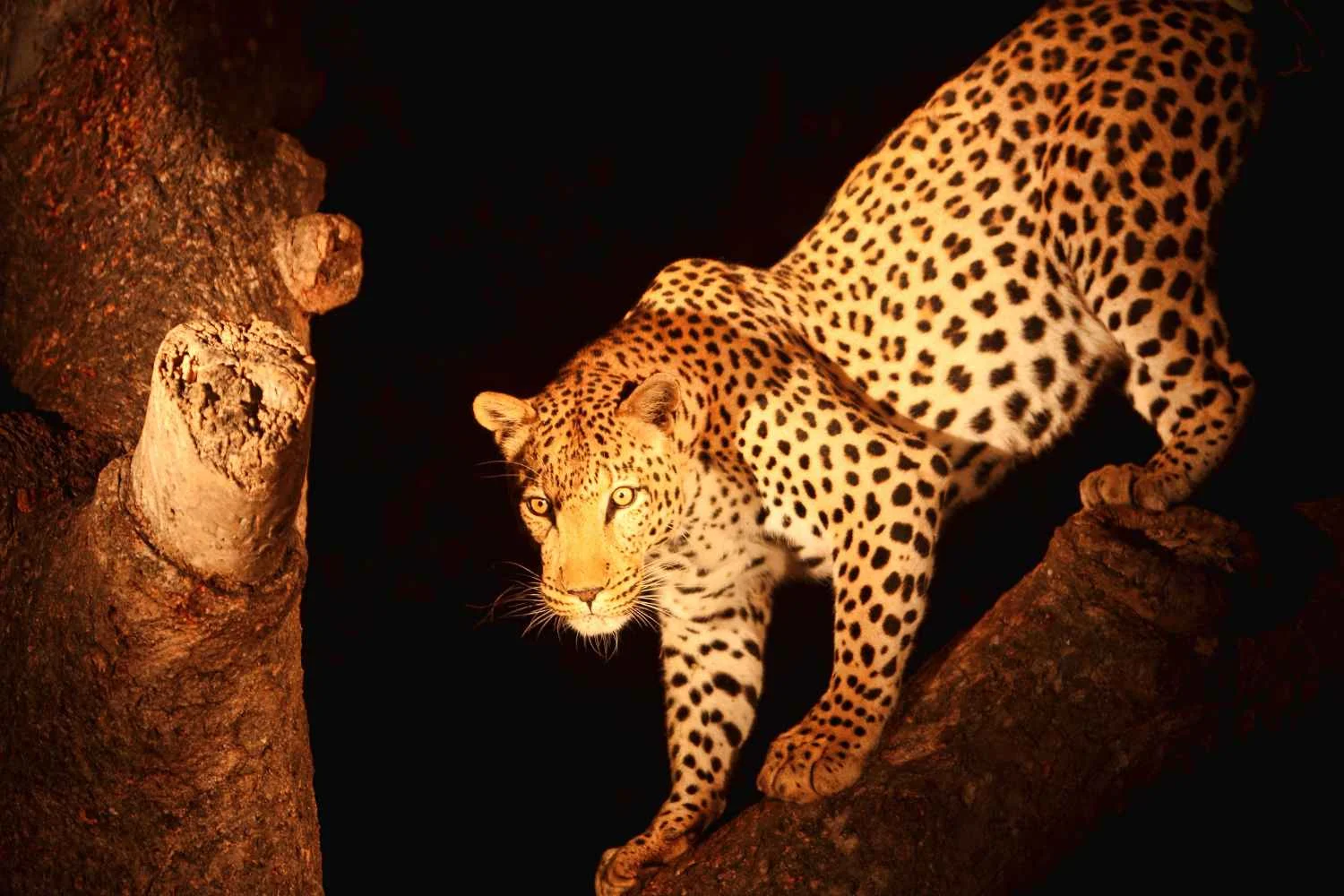
Night Game Drive
Lake Manyara National Park or selected Tarangire-area camps
See the bush after dark with a spotlight: bushbabies, genets, hyenas, and with luck leopard and lion on the hunt. Offered in Lake Manyara National Park and by selected camps in the wildlife areas bordering Tarangire.
No extra day needed
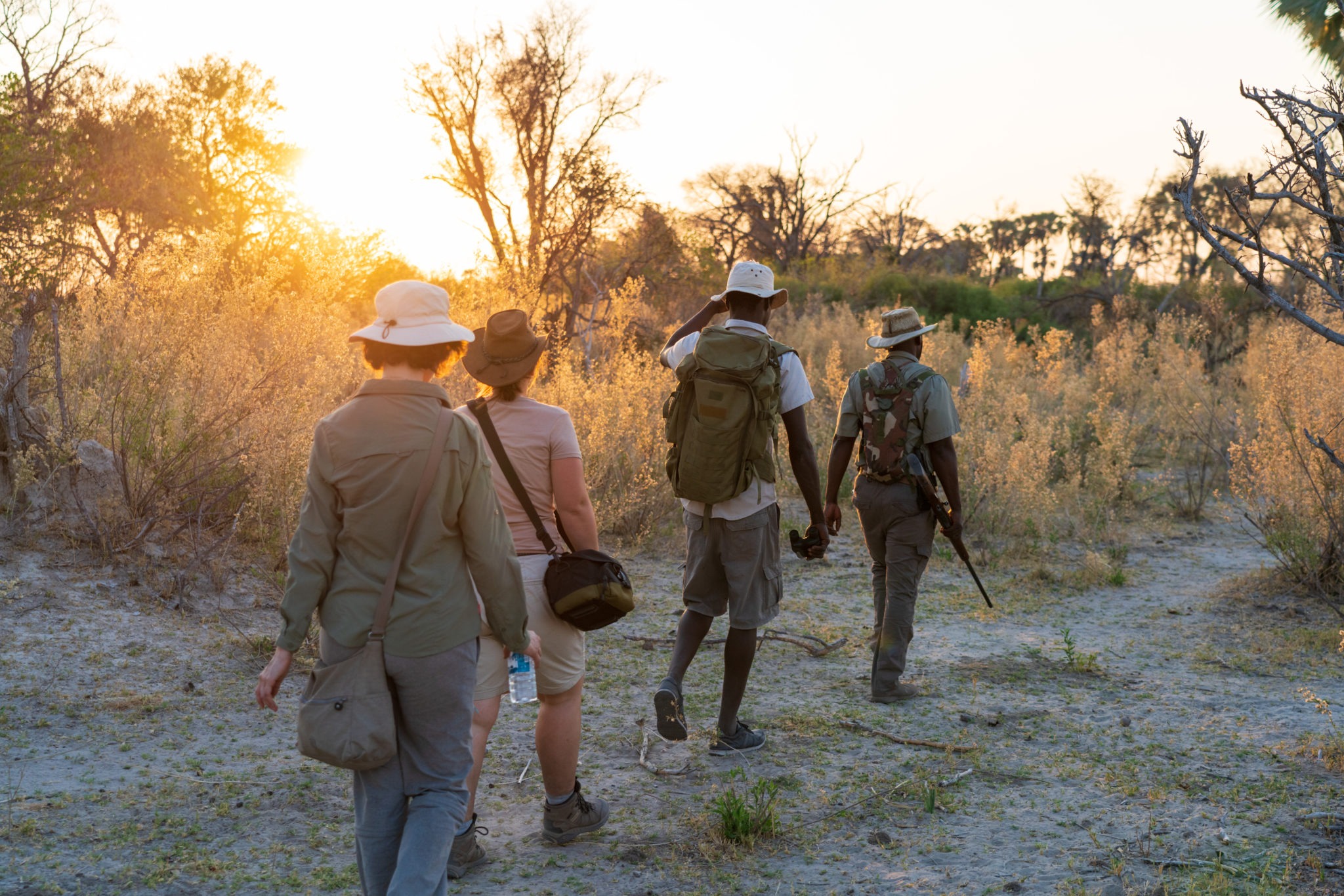
Walking Safari with a Ranger
Tarangire, Ngorongoro Rim, or selected Serengeti camps
Explore the bush on foot with an armed ranger, learning about tracks, plants and insects that you miss from a vehicle.
No extra day needed
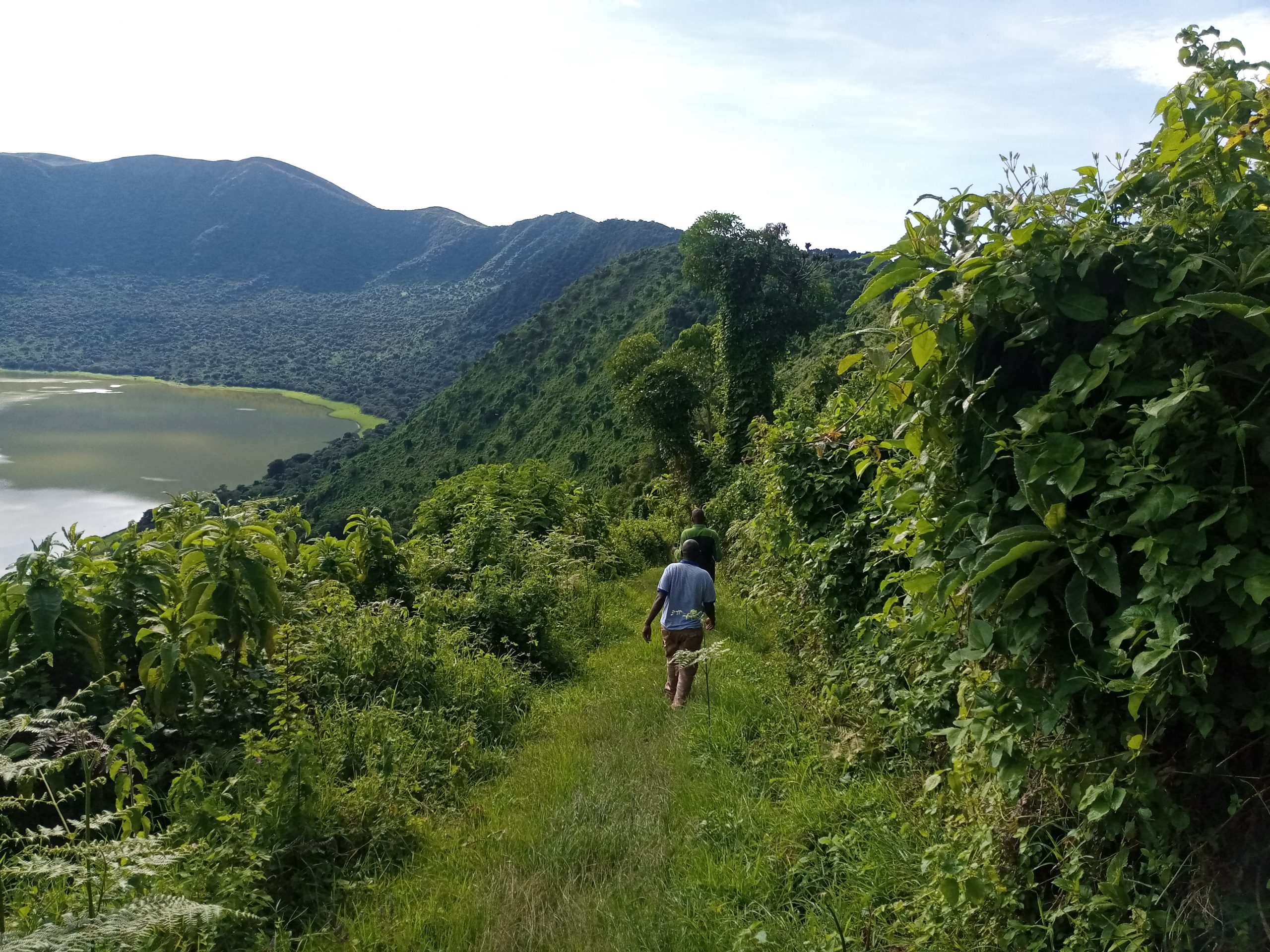
Empakaai Crater Hike
Ngorongoro highlands
Hike down into the forested Empakaai Crater to a soda lake often dotted with flamingos, with views of Ol Doinyo Lengai. A quiet, rewarding day away from the vehicles.
Adds 1 day
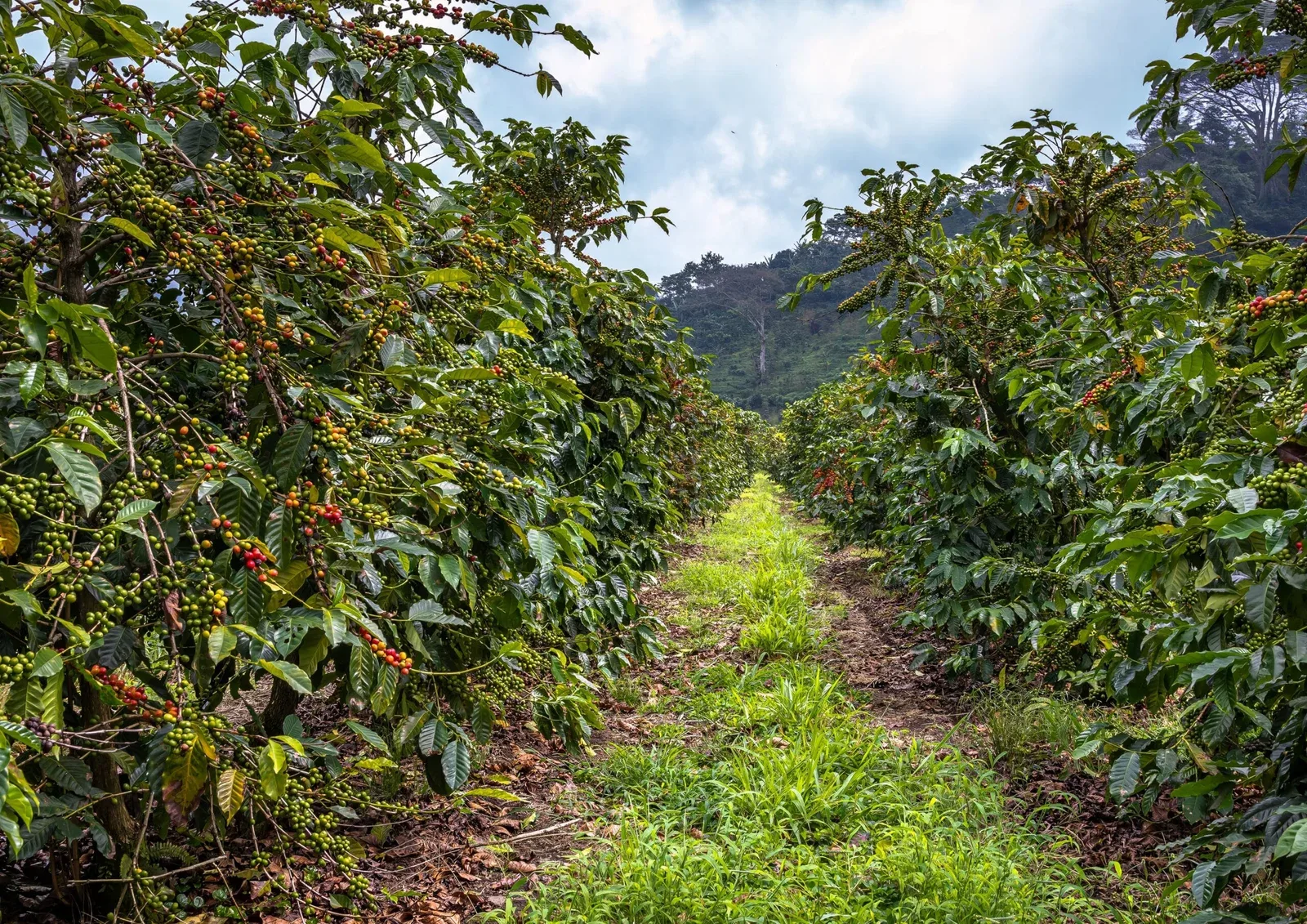
Coffee Farm Tour & Cooking Class in Karatu
Tour a working coffee farm in the Ngorongoro Highlands, or learn to cook Tanzanian dishes such as pilau and ndizi with a local family.
Fits into the itinerary (half day)
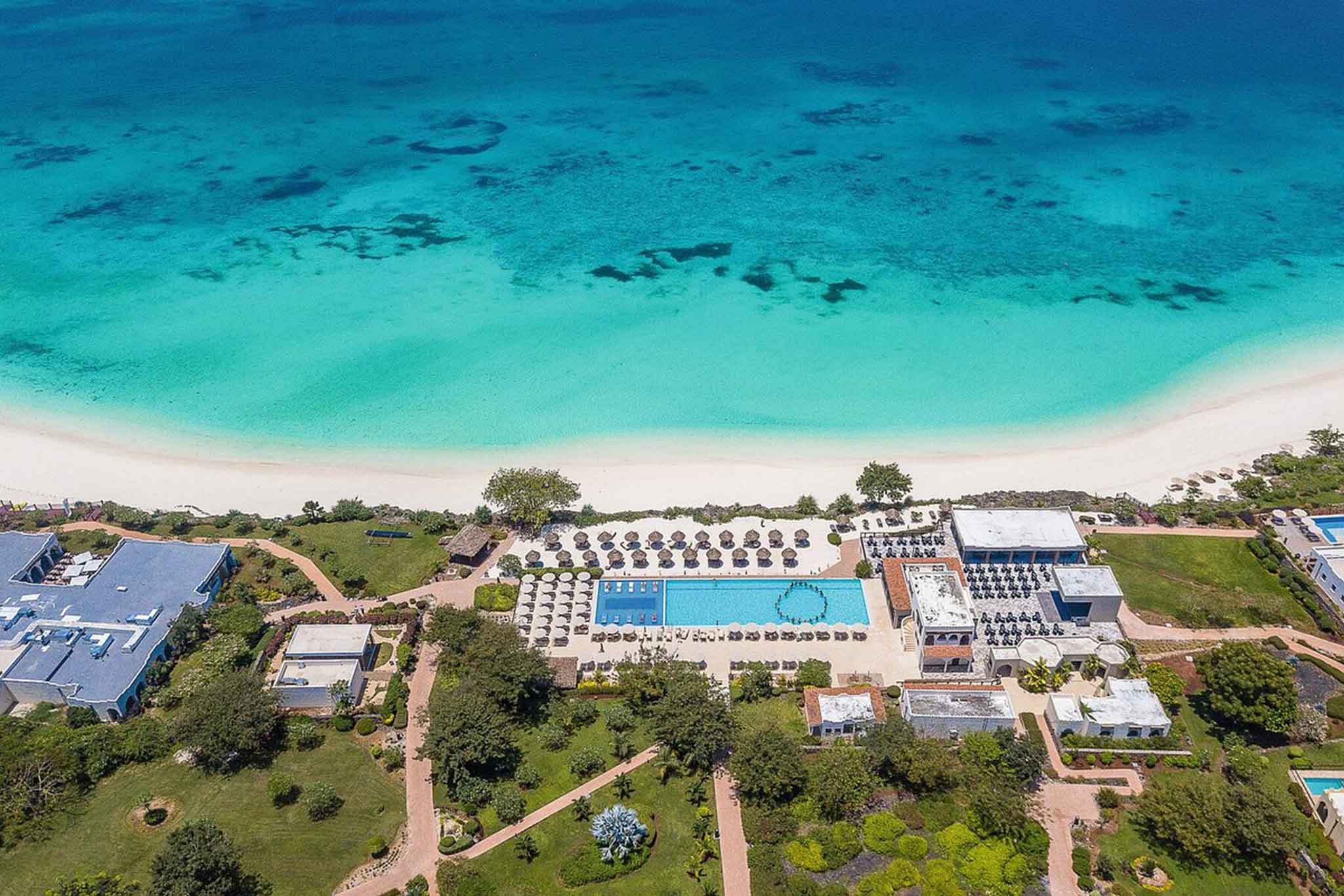
Zanzibar Beach Extension
Fly from the Serengeti or Arusha straight to Zanzibar for beach time after your safari.
Adds 3–6 days
Discover Tanzania
Your questions answered
Will we see the Great Migration?
Possibly. The herds are in different parts of the Serengeti through the year. Your guide will head towards them if they are within reach, or you can choose our Great Migration Safari for camps placed near the herds.
Can we see tree-climbing lions in Lake Manyara?
Lake Manyara's lions are known for resting in trees, but they are not seen every day. Tarangire and the Serengeti also have tree-climbing lions at times.
Is the safari private?
Yes. Every iTour Tanzania safari is private, with your own 4x4 vehicle and driver-guide. You set the pace, and you can stop as long as you like at sightings.
What kind of vehicle will we use?
A 4x4 Land Cruiser with a pop-up roof for standing and photography, window seats for everyone, charging points, a cool box with drinking water, and binoculars on request.
Can children join?
Yes, children are very welcome. We plan shorter drives and child-friendly lodges, and many lodges have family rooms and pools. Some luxury camps have minimum ages, which we will advise on.
Is it safe?
Tanzania is one of Africa's most established safari destinations. Your guide is trained in safety and first aid, lodges are staffed around the clock, and our safaris include emergency evacuation cover.