
Destination
Zanzibar
Unguja, Zanzibar’s main island, combines white-sand beaches and turquoise waters with rich Swahili heritage. Explore UNESCO-listed Stone Town, spice farms, and Jozani Forest’s red colobus monkeys, or enjoy snorkeling and sunset dhow cruises. It’s the perfect finale to a Tanzanian safari.
Destination Overview
Zanzibar’s main island, Unguja, lies about 35 kilometres off the coast of mainland Tanzania in the warm Indian Ocean. For centuries, it was a key trading hub linking Africa, Arabia, Persia and India, and those influences have woven together into a distinctive Swahili culture that you can still see, taste and hear today. At the heart of the island is Stone Town, a UNESCO World Heritage Site of narrow winding alleys, ornately carved wooden doors, bustling bazaars and historic landmarks such as the House of Wonders, the Old Fort and the former slave market. In the evening, Forodhani Gardens on the waterfront comes alive with a night food market serving Zanzibar pizza, grilled seafood and fresh sugarcane juice.
Beyond Stone Town, the island opens up into a tropical landscape of palm-fringed coastlines, lush forests and fragrant plantations. Zanzibar earned its title as the “Spice Island” from its cloves, nutmeg, cinnamon and black pepper, and guided spice farm tours let visitors see, smell and taste these crops straight from the source. Jozani Chwaka Bay National Park, the island’s only national park, protects the rare and endemic Zanzibar red colobus monkey along with mangrove boardwalks, small antelopes and abundant birdlife. Rural villages, traditional dhow builders and seaweed farmers along the east coast offer an authentic glimpse into everyday island life.
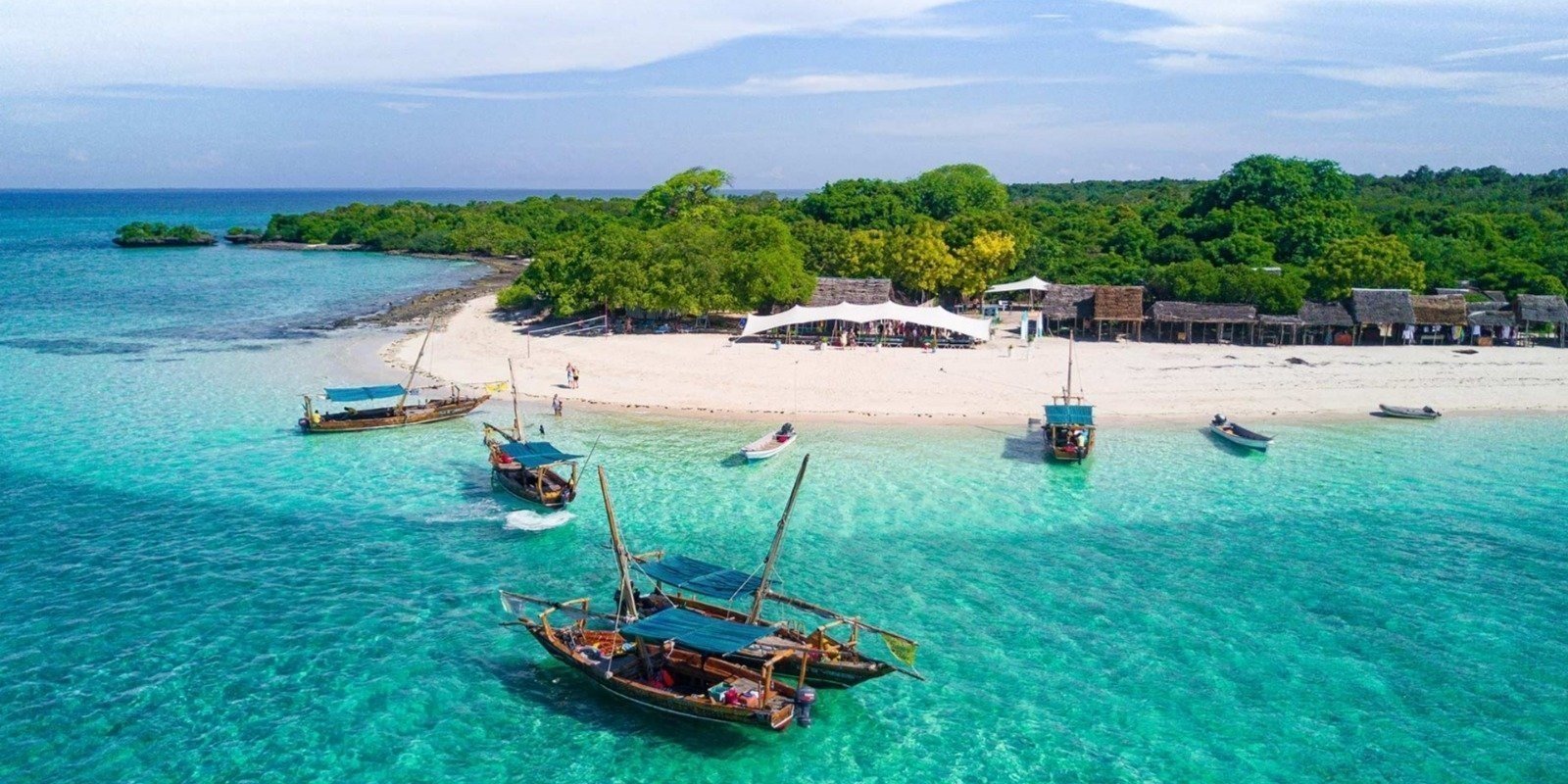
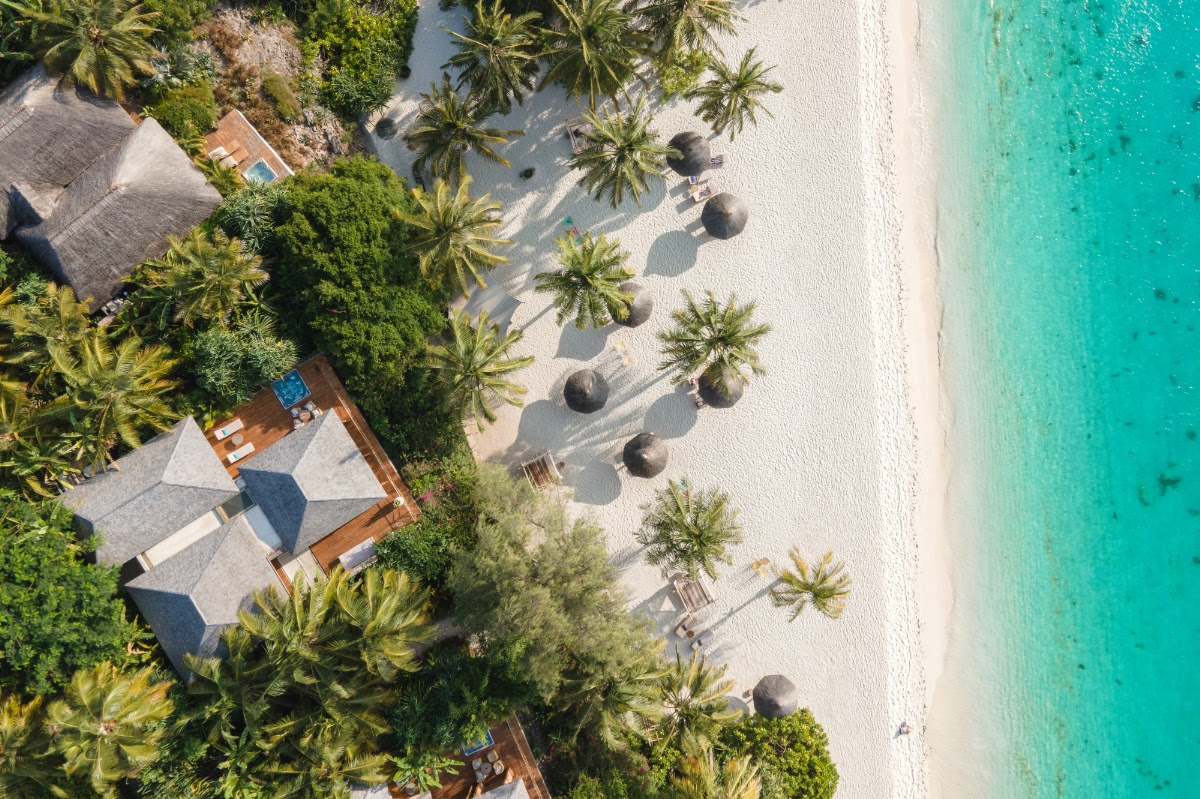
Zanzibar’s coastline is its crowning glory, with powdery white-sand beaches and clear turquoise waters stretching from Nungwi and Kendwa in the north to Paje, Jambiani and Michamvi in the southeast. The surrounding reefs and atolls, particularly Mnemba Atoll, offer some of East Africa’s finest snorkeling and diving, with chances to spot turtles, dolphins and colourful reef fish. Visitors can sail on a traditional dhow at sunset, relax on sandbanks during a Safari Blue excursion, try kitesurfing in Paje, or dine at the iconic Rock Restaurant perched on a rock in the sea. Whether as a romantic honeymoon, a family holiday or the perfect beach finale to a Tanzanian safari, Zanzibar offers an unforgettable mix of relaxation, adventure and culture.
Stone Town – The Cultural Heart of Zanzibar
Stone Town is the old quarter of Zanzibar City and one of the best-preserved Swahili trading towns in East Africa, which earned it UNESCO World Heritage status in 2000. Its narrow, winding alleys are lined with coral-stone buildings, shaded balconies and more than 500 intricately carved wooden doors, many decorated with brass studs and Arabic or Indian motifs that once showed the owner’s wealth and status. Highlights include:
- The House of Wonders (Beit al-Ajaib): Built in 1883 by Sultan Barghash, it was the first building in East Africa to have electricity and an elevator. It is currently undergoing restoration.
- The Old Fort (Ngome Kongwe): Built by the Omani Arabs around 1700, it now hosts craft shops, a cultural centre and an open-air amphitheatre used for performances and festivals.
- The Palace Museum: The former sultans’ residence, it displays royal furniture, portraits and artefacts from the era of the Omani sultanate.
- Christ Church Cathedral and the Former Slave Market: Built on the site of East Africa’s last open slave market, closed in 1873. A memorial and an underground chamber where enslaved people were held tell a moving story of the island’s past.
- Darajani Market: A bustling local market selling spices, tropical fruit, fresh fish and everyday goods, offering an authentic taste of local life.
- Freddie Mercury House: The birthplace of the Queen frontman, who was born in Stone Town in 1946.
A guided walking tour is the best way to explore, as local guides bring the history, architecture and hidden corners of the town to life.
Forodhani Gardens Night Market
As the sun sets over the harbour, the waterfront gardens in front of the Old Fort transform into a lively open-air food market. Vendors grill freshly caught lobster, prawns, octopus, kingfish and calamari, alongside local favourites such as Zanzibar pizza (a stuffed, pan-fried crepe with sweet or savoury fillings), urojo soup, mishkaki skewers, samosas and fresh sugarcane juice pressed with ginger and lime. Local boys leap from the seawall into the water, and the atmosphere is festive and friendly, making it a perfect first-night experience.
Spice Farm Tours – Discover the Spice Island
Zanzibar was once the world’s leading producer of cloves, and spices remain central to its identity and economy. Guided tours of plantations around Kizimbani, Kidichi and Dole take visitors through groves of cloves, nutmeg, cinnamon, black pepper, vanilla, cardamom, turmeric, ginger and lemongrass. Guides explain how each spice is grown, harvested and used in cooking, medicine and cosmetics. Tours often finish with a tasting of tropical fruits such as jackfruit, rambutan, durian, soursop and passion fruit, and some include a traditional Swahili lunch cooked with spices from the farm. Nearby, the Persian Baths at Kidichi, built in 1850 by Sultan Said for his Persian wife, add a touch of history.
Jozani Chwaka Bay National Park
Zanzibar’s only national park protects the island’s last remaining indigenous groundwater forest, along with mangroves, coral rag thicket, and salt marshes. It is the best place to see the endemic Zanzibar red colobus monkey, an endangered primate found nowhere else on earth, known for its striking red coat and playful nature. Visitors may also spot Sykes’s monkeys, bushbabies, Aders’ duikers, suni antelopes and a wide variety of birds and butterflies. A raised wooden boardwalk winds through the mangrove forest, where guides explain the importance of these trees in protecting the coastline and supporting marine life. The nearby Zanzibar Butterfly Centre supports local farmers through butterfly farming and is a pleasant addition to the visit.
Prison Island (Changuu Island)
Just a 30-minute boat ride from Stone Town, this small island was built as a prison in the 1890s but was never used as one; it instead served as a quarantine station. Today it is home to a colony of Aldabra giant tortoises, originally a gift from the Seychelles, some of which are well over 100 years old. Visitors can feed and photograph the tortoises, explore the colonial ruins, relax on the small beach, and snorkel the surrounding coral reefs.
Mnemba Atoll – Snorkeling and Diving Paradise
Located off the northeast coast, Mnemba Atoll is a protected marine conservation area surrounded by vibrant coral reefs and crystal-clear water. It is widely regarded as the finest snorkeling and diving site in Zanzibar, with sightings of green turtles, dolphins, moray eels, octopus, lionfish, clownfish, triggerfish, and large schools of reef fish. Divers can explore sites suitable for beginners and experienced divers alike. Boat trips usually depart from Matemwe, Kiwengwa or Nungwi, and dolphin pods are often seen along the way.
Safari Blue – A Full Day at Sea
This popular full-day excursion explores Menai Bay Conservation Area in the southwest on a traditional wooden dhow. The day includes snorkeling on coral reefs, a stop on a dazzling white sandbank that appears at low tide, a swim in a natural mangrove lagoon on Kwale Island, and a visit to a giant, centuries-old baobab tree. Lunch is a generous seafood feast of grilled fish, lobster, calamari, and tropical fruit served on the island, and the trip ends with a relaxing sail back to the mainland, often accompanied by dolphins.
Kizimkazi – Dolphins and History
On the southern tip of the island, the fishing village of Kizimkazi is the starting point for morning boat trips to see bottlenose and Indo-Pacific humpback dolphins in their natural habitat. Kizimkazi is also home to one of the oldest mosques in East Africa, with a Kufic inscription dating to 1107 AD, showing the island’s long history of trade and Islamic culture.
Nungwi and Kendwa – The Northern Beaches
The northern tip of Zanzibar has some of the island’s most beautiful beaches, where the tides are less extreme, so swimming is possible throughout the day.
- Nungwi is a lively village known for its traditional dhow-building yards, where craftsmen still build boats by hand using age-old techniques. The Mnarani Marine Turtle Conservation Pond rescues and rehabilitates sea turtles and welcomes visitors. Nungwi also has a vibrant choice of beach bars, restaurants and water-sports centres.
- Kendwa, just south of Nungwi, has wide, powdery white beaches and calm water, famous for its spectacular sunsets and monthly full-moon beach parties.
Paje, Jambiani, Bwejuu and the East Coast
The east coast features long stretches of white sand lined with palm trees and a dramatic tidal range that reveals rock pools, seagrass beds and sandbanks at low tide.
- Paje is one of the world’s top kitesurfing destinations, with steady trade winds and shallow lagoons ideal for beginners and experts alike.
- Jambiani is a laid-back village where visitors can meet the women seaweed farmers who tend underwater farms in the lagoon and learn how seaweed is turned into soaps, oils and cosmetics.
- Bwejuu and Michamvi offer quiet, relaxing beaches and boutique lodges, perfect for honeymooners and travellers seeking tranquillity.
The Rock Restaurant
One of Zanzibar’s most iconic sights, The Rock Restaurant sits on a small coral outcrop just off the beach at Michamvi Pingwe. At low tide, guests can walk across the sand to reach it, while at high tide, a small boat ferries them across. The restaurant specialises in fresh seafood and offers panoramic views of the Indian Ocean, making it a memorable lunch or dinner experience. Advance booking is recommended.
Historic Sites Beyond Stone Town
- Maruhubi Palace Ruins: Built in 1882 by Sultan Barghash and later destroyed by fire, the ruins, with their columns, baths, and gardens, give a glimpse into the lives of the sultans.
- Mangapwani Slave Chamber and Coral Cave: On the northwest coast, this underground chamber was used to hide enslaved people after the slave trade was officially abolished, and the nearby natural coral cave was a source of fresh water.
Sunset Dhow Cruises
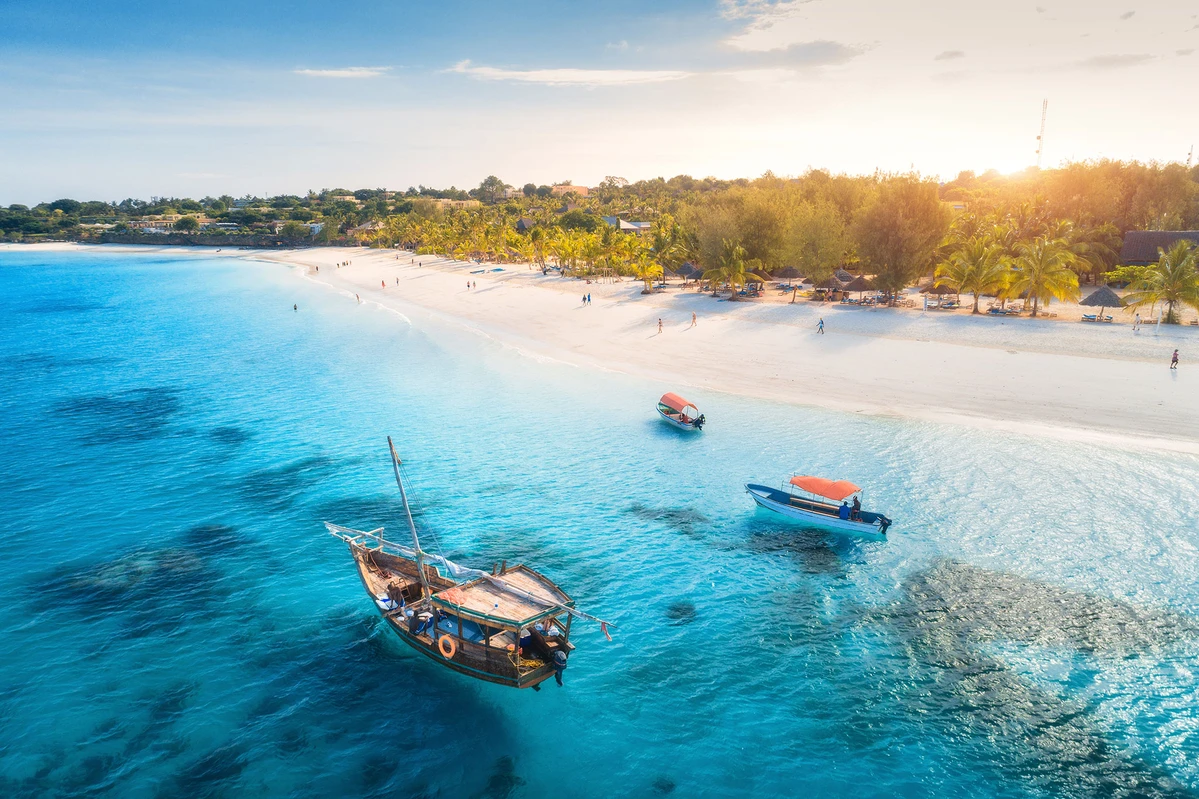
Sailing on a traditional wooden dhow as the sun sets over the Indian Ocean is one of Zanzibar’s most romantic experiences. Cruises depart from Stone Town, Nungwi and Kendwa, often accompanied by taarab or Swahili music, light snacks and refreshments. The changing colours of the sky over the water and the silhouettes of other dhows create an unforgettable scene.
Culture, Cuisine and Festivals
Zanzibar’s culture is a fusion of African, Arab, Persian, Indian, and European influences, reflected in its music, food, and daily life. Visitors can join a Swahili cooking class to learn dishes such as pilau rice, coconut fish curry and chapati, enjoy traditional taarab music, or get henna art painted by local women. The island also hosts major events, including Sauti za Busara, one of Africa’s most celebrated music festivals held each February, and the Zanzibar International Film Festival, held in the middle of the year.
The Perfect Safari Extension
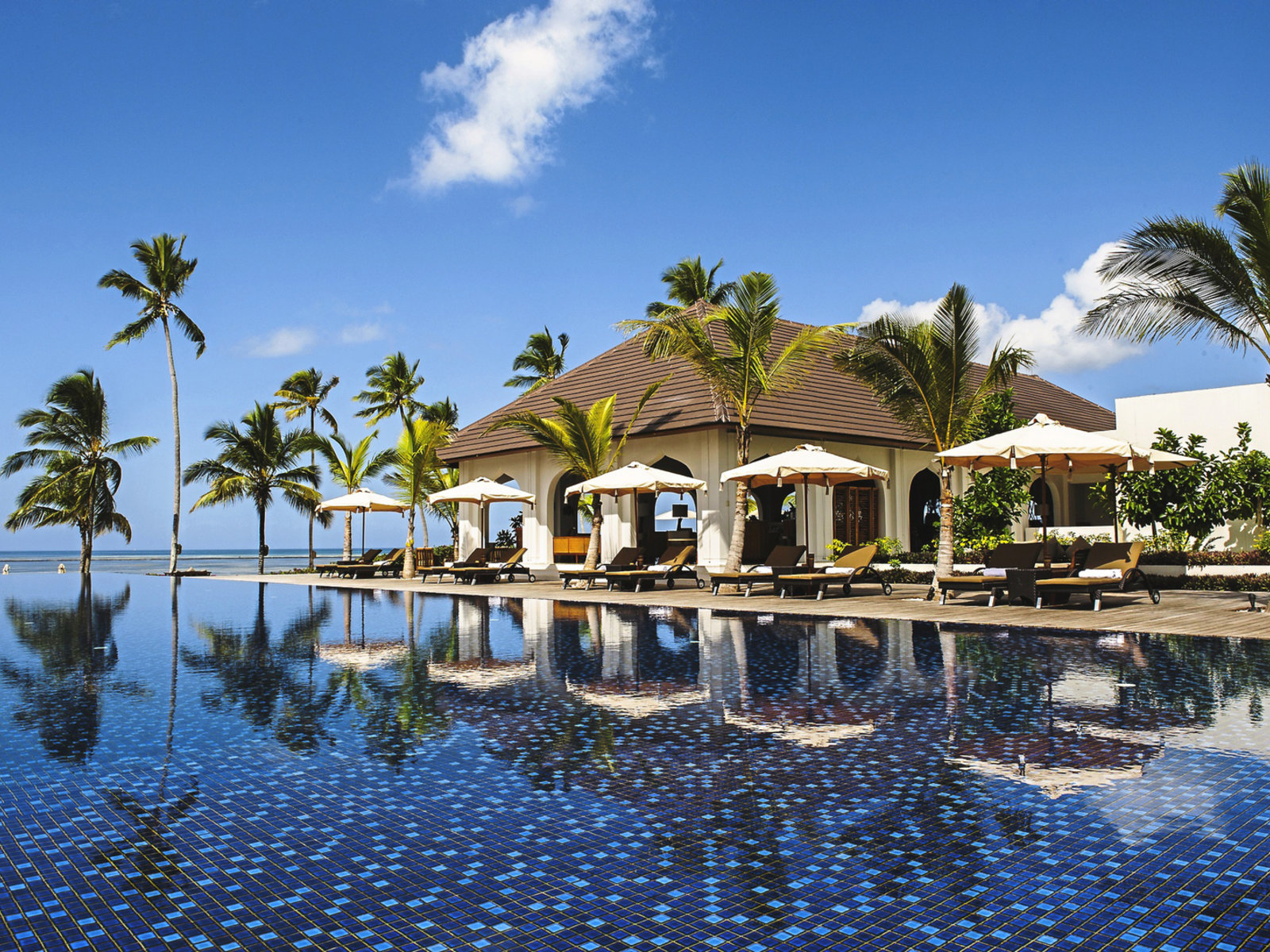
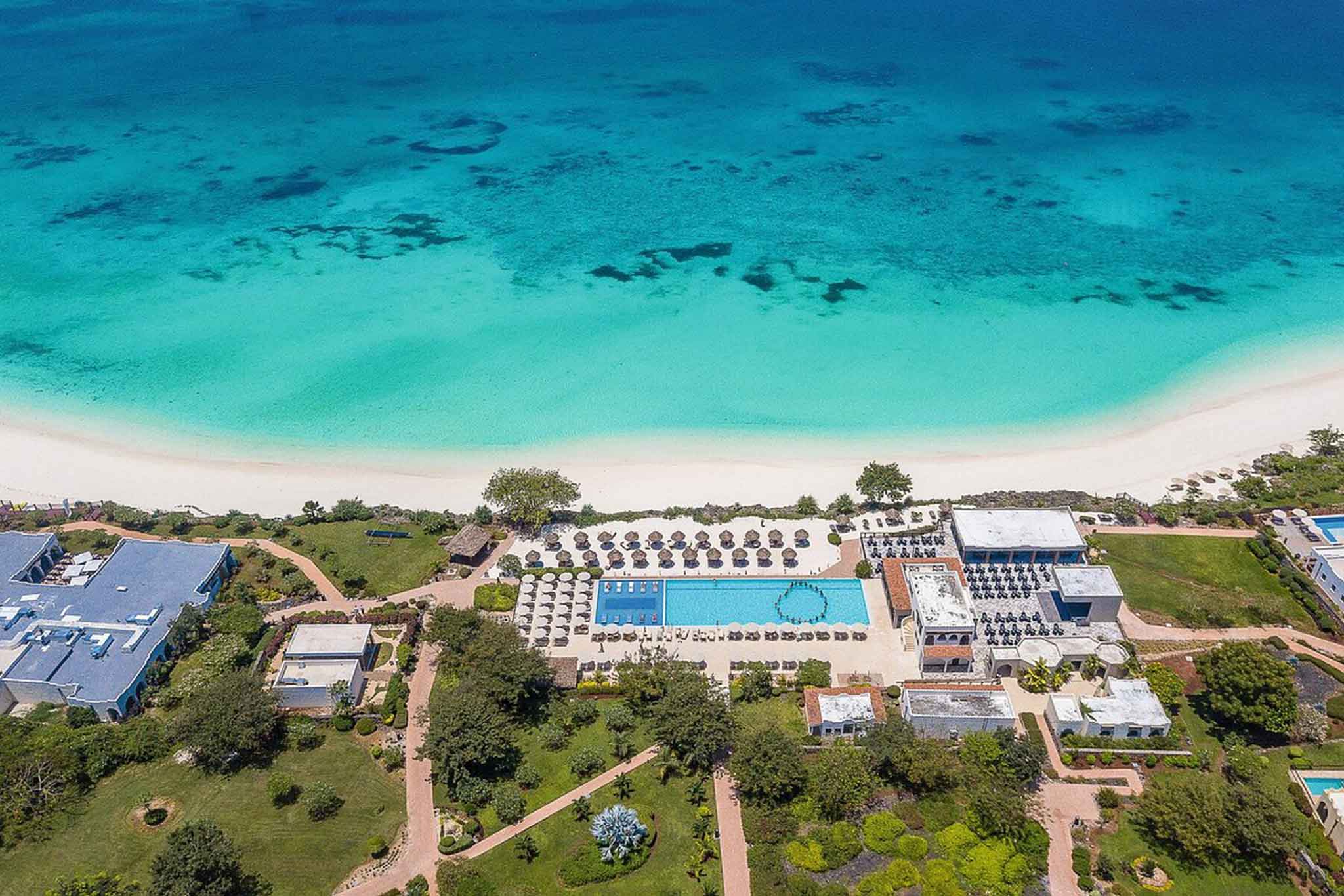
With short, frequent flights from Arusha, Kilimanjaro, the Serengeti, and other mainland parks, Zanzibar is the ideal place to unwind after a Tanzanian safari. Accommodation ranges from boutique hotels in Stone Town and eco-lodges to luxury beach resorts and private island retreats, making it equally suited to honeymooners, families, groups and adventure seekers. Whether it’s history, culture, wildlife, water sports or simply relaxing on a beautiful beach, Zanzibar offers an unforgettable end to any East African journey.
Activities in Zanzibar
- Stone Town walking tour
- Spice farm tour
- Jozani Forest (red colobus monkeys)
- Prison Island and its giant tortoises
- Snorkeling and diving at Mnemba Atoll
- Sunset dhow cruise
- Swimming with dolphins at Kizimkazi
- Safari Blue sandbank excursion
- Kitesurfing in Paje
- The Rock Restaurant
- Forodhani Gardens night food market
- Beach relaxation in Nungwi and Kendwa
Year-Round Weather in Zanzibar
Want to see more? This video is worth watching
Related Trips
Discover Tanzania
Your questions answered
Where exactly is Zanzibar, and is it part of Tanzania?
Zanzibar is an archipelago in the Indian Ocean, about 35 kilometres off Tanzania’s mainland coast. Unguja is its main and most visited island, often simply called “Zanzibar.” Zanzibar is a semi-autonomous part of the United Republic of Tanzania, with its own president and government, but it shares Tanzania’s visa system, which makes it easy to combine with a mainland safari or a Kilimanjaro climb.
Do I need a visa to visit Zanzibar?
Most visitors need a Tanzanian visa, which also covers Zanzibar, so there is no separate Zanzibar visa. Many nationalities can apply online through Tanzania’s official e-visa portal before travelling, and some can get a visa on arrival. Requirements vary by nationality and can change, so we always advise our guests to check the latest rules before booking flights. Our team is happy to guide you through the process.
Is travel insurance required for Zanzibar?
Yes. Zanzibar requires all international visitors to hold the government’s mandatory inbound travel insurance, which is bought online before arrival and checked at entry. This is separate from your personal travel insurance, which we also strongly recommend, covering medical emergencies, evacuation, cancellations, and lost luggage. We will remind you of the current requirements when you book.
How do I get to Zanzibar?
Abeid Amani Karume International Airport (ZNZ), just outside Stone Town, receives direct international flights from Europe, the Middle East, and other African hubs. Domestic flights connect Zanzibar with Arusha, Kilimanjaro, Dar es Salaam, and safari airstrips such as the Serengeti, which makes it simple to fly straight from your safari to the beach. You can also take a fast ferry from Dar es Salaam, which takes about two hours. When you travel with us, we arrange your flights or ferry tickets and airport transfers.
What is the best time to visit Zanzibar?
The best time is during the dry seasons. June to October brings sunny days, cooler temperatures, low humidity and calm seas, ideal for beaches, snorkeling and pairing with a safari during the Great Migration. December to February is hotter and drier, with excellent visibility for diving. The long rains from March to May bring heavy showers, but also greener landscapes, fewer visitors and lower rates, and some hotels close during this time. November has the short rains, which are usually brief afternoon showers. Zanzibar is warm all year round, so there’s really no bad time to visit, only different experiences.
How many days should I spend in Zanzibar?
We recommend at least 4 to 6 days. This gives you a night or two in Stone Town to explore its history, culture, and food, followed by several days on the beach with excursions such as a spice tour, Jozani Forest, Mnemba Atoll, or Safari Blue. Honeymooners and travellers who want to fully unwind often stay a week or longer. Our itineraries start from a minimum of 5 days, with your first day reserved for arrival and settling in.
Can I combine Zanzibar with a safari or Kilimanjaro climb?
Absolutely, and it’s one of our most popular combinations. As an Arusha-based team, we specialise in designing trips that pair the Serengeti, Ngorongoro Crater, Tarangire or Kilimanjaro with a relaxing beach finale in Zanzibar. Short flights connect the mainland directly to the island, so you can go from game drives in the morning to sunset on the beach the same evening. We can also include lesser-known destinations such as Ruaha or the Southern Highlands for something truly different.
Which part of Zanzibar is best to stay in?
It depends on what you’re looking for:
- Stone Town: history, culture, architecture and food. Best for one or two nights.
- Nungwi and Kendwa (north): beautiful beaches where you can swim at any tide, lively atmosphere and stunning sunsets.
- Matemwe and Kiwengwa (northeast): quiet beaches close to Mnemba Atoll, ideal for snorkeling and diving.
- Paje and Jambiani (southeast): laid-back village vibe and world-class kitesurfing.
- Michamvi and Bwejuu (east): peaceful, romantic and perfect for honeymooners.
We’ll recommend the right area based on your interests and travel style.
What type of accommodation is available?
Zanzibar offers something for every budget, from charming guesthouses and boutique hotels in Stone Town to eco-lodges, beachfront villas, all-inclusive resorts and exclusive private island retreats. For every night of your stay, we offer three options (budget, mid-range and luxury) so you can choose what suits you best.
Is Zanzibar safe for tourists?
Yes, Zanzibar is generally a safe and welcoming destination, and Zanzibaris are known for their warm hospitality. As anywhere, we advise sensible precautions: keep valuables in your hotel safe, avoid walking alone in quiet areas at night, use reputable guides and transport, and politely decline unofficial “beach boys” offering tours. When you travel with iTour, your transfers, guides and excursions are all arranged with trusted local partners.
What should I wear in Zanzibar?
Zanzibar is a predominantly Muslim society, so modest dress is appreciated, especially in Stone Town and local villages. Both men and women should cover shoulders and knees when walking around town; light, loose cotton clothing is comfortable and respectful. Swimwear is perfectly fine on hotel beaches and at pools, but please cover up when leaving the beach. Bring sunglasses, a hat, high-SPF reef-safe sunscreen and water shoes for rocky or seagrass-covered areas.
What about Ramadan?
During the holy month of Ramadan, many locals fast from sunrise to sunset. Some local restaurants in Stone Town may close during the day, and visitors are asked to avoid eating, drinking or smoking in public. Hotels and resorts operate normally. Travelling during Ramadan can be a rewarding cultural experience, especially the lively evening atmosphere when families break the fast.
Can I swim at all the beaches?
On the north coast (Nungwi and Kendwa), the tides are gentle and you can swim at almost any time of day. On the east and southeast coasts (Paje, Jambiani, Bwejuu, Michamvi), the tide goes out a long way, sometimes over a kilometre, leaving sandbanks, rock pools and seagrass beds. This creates a beautiful landscape, but swimming is best at high tide. We’ll help you pick a location that suits your plans.
What are the must-do activities in Zanzibar?
Our guests’ favourites include a guided walking tour of Stone Town, the Forodhani Gardens night food market, a spice farm tour, Jozani Forest to see the endemic red colobus monkeys, snorkeling or diving at Mnemba Atoll, the Safari Blue dhow excursion, Prison Island’s giant tortoises, a sunset dhow cruise, and a meal at The Rock Restaurant. Adventurous travellers can also try kitesurfing in Paje or a dolphin trip from Kizimkazi.
Do I need vaccinations or malaria tablets?
A yellow fever vaccination certificate is required if you are arriving from, or have transited for an extended period through, a country with a risk of yellow fever, including some neighbouring countries. Zanzibar has a low malaria risk compared to the mainland, but if you’re combining it with a safari, antimalarials are usually recommended. We advise consulting a travel health clinic about six weeks before departure for personalised advice on vaccinations and medication.
What currency is used, and can I use cards?
The local currency is the Tanzanian Shilling (TZS), but US dollars are widely accepted for hotels, tours, and park fees. Please bring US dollar notes printed in 2009 or later, as older notes are often refused. Most hotels and larger restaurants accept credit cards, sometimes with a small surcharge, and ATMs are available in Stone Town and some tourist areas. Carry some cash for markets, small shops, tips, and village visits.
Is tipping expected?
Tipping is not compulsory but is greatly appreciated and forms an important part of income for guides, drivers, boat crews and hotel staff. A tip for good service is a welcome way to show your thanks. We provide our guests with a tipping guideline before they travel so they know what’s customary.
What language is spoken?
Swahili is the main language, and English is widely spoken in hotels, restaurants and tourist areas. Learning a few Swahili words is always appreciated: Jambo or Mambo (hello), Asante (thank you), Karibu (welcome), and Pole pole (slowly, slowly), which captures the relaxed island pace.
Is the water safe to drink?
We recommend drinking only bottled or filtered water, which is readily available. Most hotels provide drinking water, and many eco-conscious lodges offer refill stations. Please note that single-use plastic bags are banned in Tanzania, including Zanzibar, so avoid packing them in your luggage.
What is the electricity supply?
Zanzibar uses 230V electricity with British-style three-pin (Type G) plugs. We recommend bringing a universal adapter. Some remote lodges rely on solar power or generators, so a power bank is handy.
Is Zanzibar good for families and honeymooners?
Yes, it’s ideal for both. Families love the calm northern beaches, Prison Island’s tortoises, dolphin trips, and the Jozani monkeys, and many resorts have family rooms and kids’ activities. Honeymooners enjoy secluded beach villas, private dinners on the sand, sunset dhow cruises, spa treatments and romantic island retreats. We tailor every trip to suit your group, whether you’re travelling solo, as a couple, with family or with friends.
Why book your Zanzibar holiday with iTour Tanzania?
iTour Tanzania is a Tanzanian-owned tour operator based in Arusha, with a team bringing up to 15 years of experience in organising tours and holidays across the country. Zanzibar and beach holidays are one of our specialities, and we know the island well, from its best beaches and hidden corners to the right accommodation for every budget. We design private and small-group trips rather than mass-market packages, working with trusted local partners for genuine experiences. From visas and flights to transfers, excursions, and seamless safari combinations, we handle every detail so you can simply relax and enjoy. Contact us to request a quote and start planning your trip.
Discover Tanzania, Authentically.