
Destination
Usambara Mountains
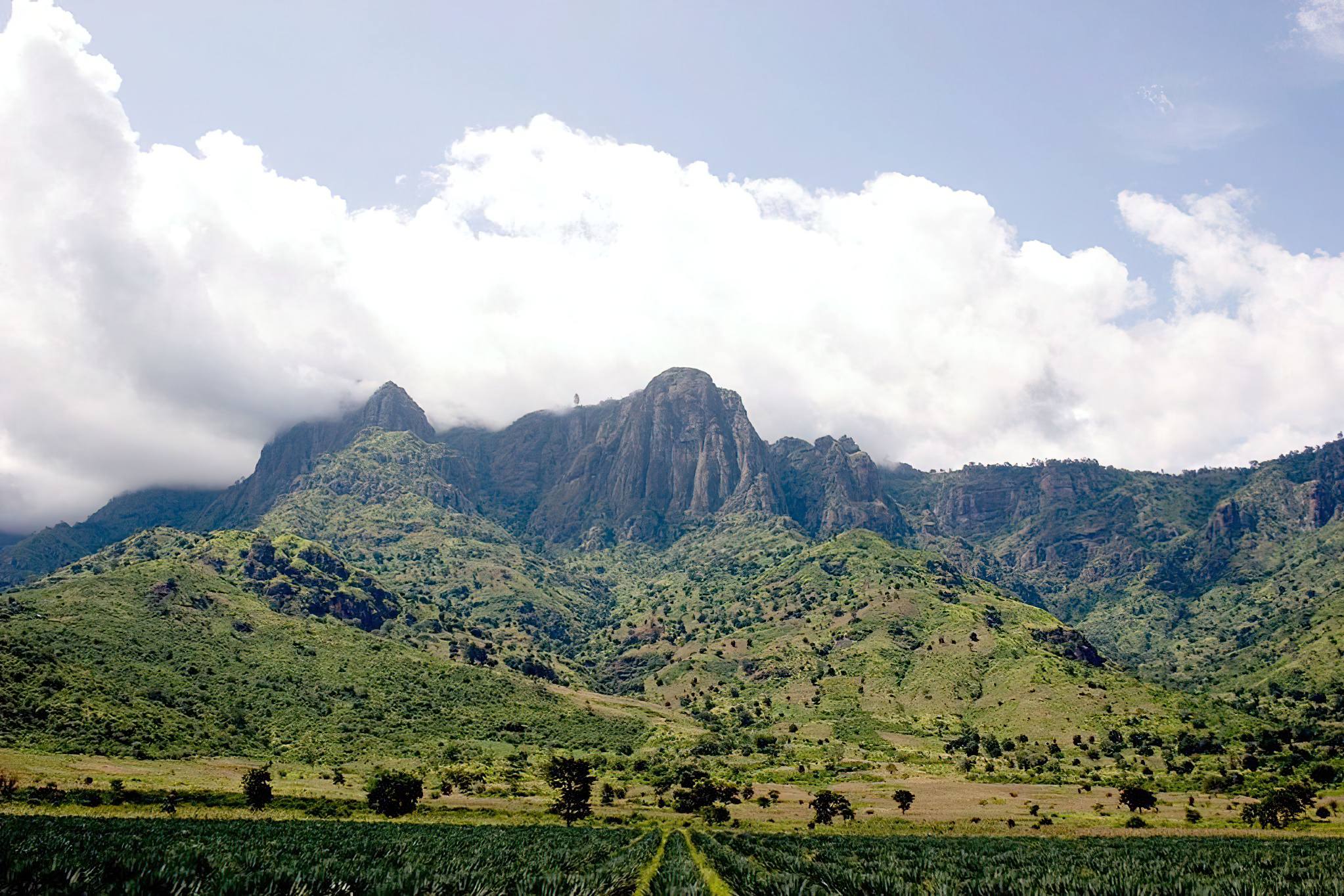
Rising from the plains of northeastern Tanzania, the Usambara Mountains are a lush highland of terraced farms, misty forests and winding village paths. At their heart lies Lushoto, a former German hill station where the welcoming Shambaa people share their culture and hospitality. With stunning viewpoints like Irente, guided hikes and forests rich in rare wildlife, it’s a peaceful escape into Tanzania’s greener side.
Destination Overview
Rising steeply from the dry plains of the Tanga Region in northeastern Tanzania, the Usambara Mountains are one of the country’s most beautiful and least crowded highland destinations. Part of the ancient Eastern Arc range, they are divided by the Lwengera Valley into the Western Usambaras, home to the charming town of Lushoto, and the wetter, forest-covered Eastern Usambaras around Amani. Peaks climb above 2,000 metres, creating a cool, fresh climate that feels a world away from the heat of the coast and the safari plains. The landscape is a patchwork of terraced farms, pine and eucalyptus groves, misty rainforest, rushing streams and waterfalls, all linked by footpaths that wind between villages. Millions of years of isolation have made the Usambaras a biodiversity hotspot, often called the “Galápagos of Africa,” with endemic chameleons, rare birds such as the Usambara Akalat and Usambara Eagle-Owl, black-and-white colobus monkeys and the wild African violet, which grows naturally nowhere else on earth.
Beyond their natural beauty, the Usambara Mountains offer a rich cultural experience rooted in the warm hospitality of the Shambaa people, whose villages, markets and farming traditions shape daily life on the slopes. Lushoto itself carries traces of its past as the German colonial hill station of Wilhelmstal, with old buildings, churches and tree-lined streets set against a backdrop of green hills. Visitors come to hike through villages and forests, take in sweeping views over the Maasai Steppe from Irente Viewpoint, explore Magamba Forest and Amani Nature Reserve, visit waterfalls, share meals with local families and enjoy fresh produce from mountain farms. Whether as a peaceful stop between Arusha and the coast or a destination in its own right, the Usambara Mountains reward travelers with tranquility, authentic community encounters and some of the most breathtaking scenery in Tanzania.

Irente Viewpoint
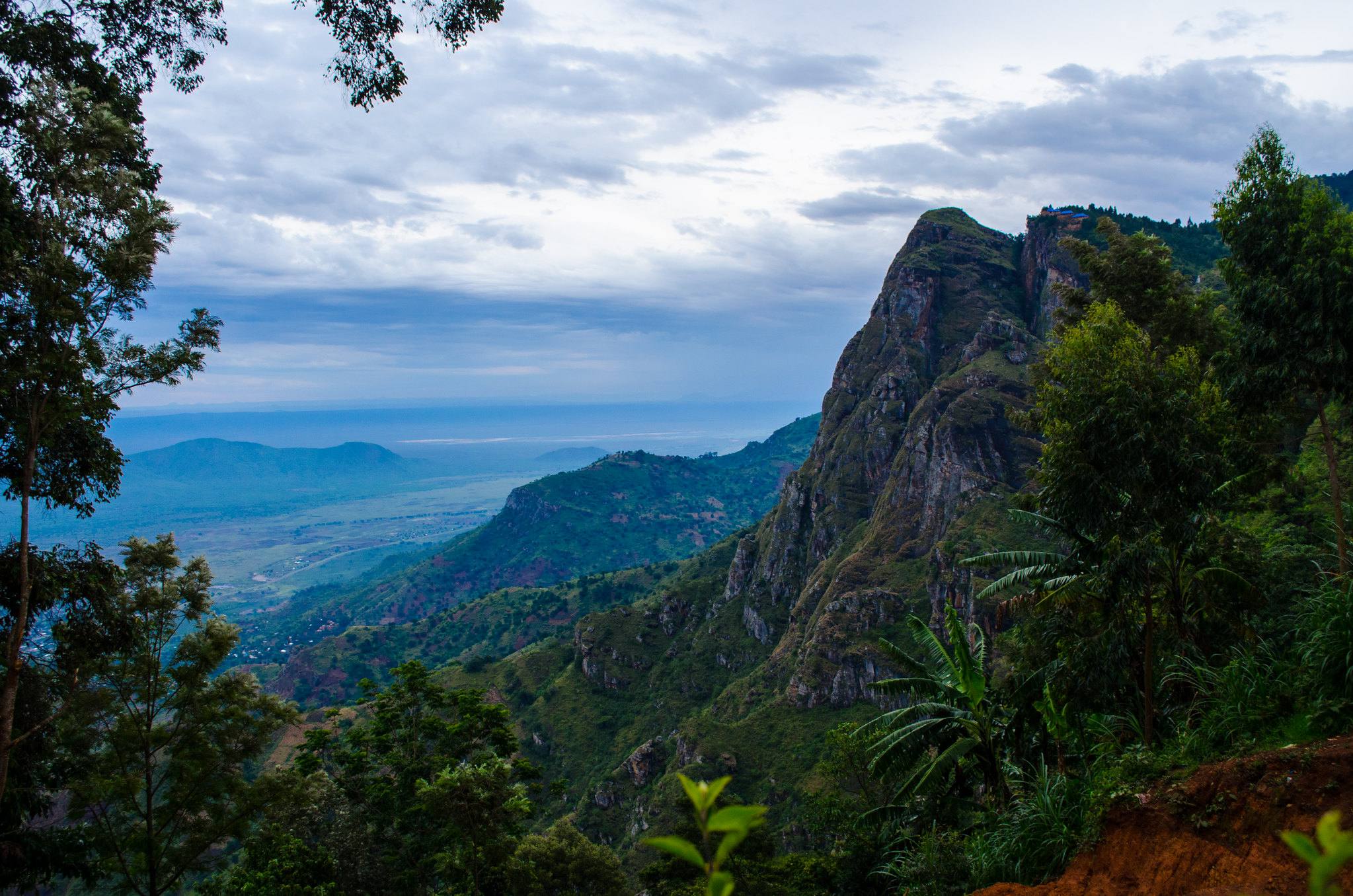
Perched on the southwestern edge of the Western Usambaras, Irente Viewpoint offers one of the most breathtaking panoramas in Tanzania, with sheer cliffs plunging around a thousand metres to the vast Maasai Steppe below. On clear days, the plains stretch endlessly toward the horizon, dotted with small villages, farmland and distant hills. The viewpoint is reached by a scenic walk or short drive from Lushoto, passing through farms, forest patches and small settlements along the way. Early mornings often bring dramatic mist rising from the valley, while late afternoons offer soft golden light perfect for photography. Many visitors combine the viewpoint with a picnic or a farm lunch nearby, making it one of the most rewarding half-day excursions in the region.
Lushoto Town
Lushoto is the main town and gateway to the Western Usambaras, nestled in a green valley at a cool, comfortable altitude. During the German colonial period it was a popular hill station called Wilhelmstal, where officials escaped the heat of the coast, and reminders of that era remain in its old stone buildings, churches and administrative offices. Today it’s a lively, friendly market town where farmers bring fresh fruits, vegetables, spices and handmade goods from the surrounding hills, especially on busy market days. Visitors can stroll the streets, sample local snacks, browse crafts and arrange guides for hikes and cultural tours. With a range of guesthouses and lodges nearby, Lushoto is the ideal base for exploring the mountains at a relaxed pace.
Magamba Rainforest
Located just above Lushoto, Magamba is one of the largest remaining montane forests in the Western Usambaras and a highlight for nature lovers. Its trails wind beneath towering indigenous trees, giant tree ferns, hanging mosses and creepers, creating a cool, shaded and almost magical atmosphere. The forest is home to black-and-white colobus monkeys, blue monkeys, a variety of forest birds and colorful chameleons that can be spotted with the help of a sharp-eyed guide. Hikers can visit small waterfalls, streams and historic caves and tunnels linked to the area’s colonial past. Guided walks range from short loops of a few hours to longer full-day hikes that connect with nearby villages and viewpoints.
Amani Nature Reserve
Set in the wetter Eastern Usambaras, Amani Nature Reserve protects some of the richest submontane rainforest in East Africa and is widely regarded as a biodiversity treasure. The reserve shelters an extraordinary range of endemic plants, butterflies, amphibians, chameleons and birds, many found only in these forests. Its historic botanical garden, founded during the German colonial period in the early 1900s, is among the oldest in Africa and features hundreds of native and introduced plant species, including towering exotic trees. A network of well-marked trails leads visitors through forest, tea estates and small villages, with options for short nature walks or longer hikes. Amani is especially rewarding for birdwatchers, botanists, photographers and anyone seeking peaceful, untouched forest scenery.
Village Hiking and Trekking
One of the best ways to experience the Usambaras is on foot, following the network of paths that have linked mountain villages for generations. Routes range from easy half-day walks around Lushoto to challenging multi-day treks across the range to destinations like Mtae, with overnight stays in village guesthouses, homestays or campsites. Along the way, hikers pass terraced fields of maize, beans and vegetables, banana groves, forest patches, streams and stunning viewpoints. Local guides share knowledge about farming, medicinal plants, history and village life, making each hike both scenic and educational. Trekking here is relatively uncrowded, giving visitors a true sense of peace and connection with the landscape and its people.
Shambaa Culture and Community Visits
The Usambara Mountains are the homeland of the Shambaa people, known for their warm hospitality, agricultural skills and rich cultural traditions. Visitors can spend time in villages learning about traditional farming methods, local building techniques, crafts such as pottery and basket weaving, and the role of community in daily life. Cooking sessions with local families offer a chance to prepare and taste traditional dishes made with fresh mountain produce. Community-based tourism programs, often run from Lushoto, ensure that fees go directly toward local development such as schools, water projects and conservation. These authentic encounters are often remembered by travelers as the heart of their Usambara experience.
Irente Farm and Biodiversity Reserve
Just a short walk from Irente Viewpoint, Irente Farm is a well-known stop for its delicious homemade cheese, freshly baked bread, jams, juices and organic vegetables. Visitors can enjoy a generous farm lunch in a peaceful garden setting surrounded by flowers and greenery, a favorite break for hikers on their way to or from the viewpoint. The farm also supports local social projects, so a visit contributes to the community. The adjoining biodiversity reserve protects indigenous trees and plants and offers quiet walking paths where birds and small wildlife can be seen. Accommodation and camping are also available nearby for those wanting to stay longer in this tranquil corner of the mountains.
Mtae Village
Located at the far northwestern tip of the Western Usambaras, Mtae sits on a dramatic ridge with sweeping views over the lowlands, Mkomazi National Park and, on clear days, toward Kenya and the distant peaks beyond. The village is a popular end point for multi-day treks from Lushoto, rewarding hikers with spectacular scenery and a strong sense of remoteness. Visitors can explore the village, meet local residents, visit small churches and markets, and enjoy breathtaking sunrises and sunsets from the escarpment. Simple guesthouses and campsites offer a chance to stay overnight and experience rural mountain life. Its quiet charm and off-the-beaten-path feel make Mtae a highlight for adventurous travelers.
Soni Falls
Located in the small town of Soni, about halfway up the road from the lowlands to Lushoto, Soni Falls is a picturesque waterfall cascading over rocky ledges into a green, forested valley. It’s an easy and rewarding stop, reached by a short walk from the main road, and is especially impressive after the rains when the water flows strongly. The surrounding area offers pleasant walks through farmland and villages, and Soni itself has a friendly local market and small eateries. Many travelers stop here to stretch their legs, take photos and enjoy the cool air before continuing to Lushoto. Some also choose Soni as a quieter alternative base for exploring the region.
Birdwatching and Wildlife
The Usambara Mountains are one of Tanzania’s top birding destinations, with a remarkable number of endemic and near-endemic species. Keen birders come in search of the Usambara Akalat, Usambara Weaver, Usambara Eagle-Owl, Usambara Double-collared Sunbird, Long-billed Tailorbird and many colorful turacos, hornbills and sunbirds. The forests also host black-and-white colobus, blue monkeys, galagos, bushbuck, duikers and tree hyraxes, whose eerie night calls echo through the hills. The region is especially famous for its chameleons, including the striking Usambara three-horned chameleon, often spotted on guided walks. Experienced local guides greatly improve the chances of sightings and add valuable knowledge about species and habitats.
Wild African Violets
The Usambara Mountains are the natural home of the African violet (Saintpaulia), one of the world’s most popular houseplants. In the wild, these delicate purple and blue flowers grow on shaded, moist rocks and forest floors in only a few limited areas, including parts of the Usambaras. Spotting them in their natural habitat is a special treat for plant lovers and highlights the region’s global botanical importance. Their presence is also a reminder of the need to protect these fragile forests, as many wild populations are threatened by habitat loss. Guides in Amani and other forest areas can often point out where the violets grow.
Cool Highland Escape
With fresh mountain air, mild temperatures and a slower pace of life, the Usambaras offer a refreshing contrast to Tanzania’s hot coastline and busy safari routes. The climate is pleasant for walking year-round, with cool evenings perfect for cozy lodge fires and starlit skies. Visitors can relax in peaceful lodges and guesthouses set among gardens and forest, enjoy hearty meals made from local produce and simply unwind amid beautiful scenery. The mountains are an excellent stopover between Arusha, Moshi and the coast, or a destination for a few days of rest and gentle adventure. For many travelers, the Usambaras become a highlight precisely because of their calm, unspoiled and welcoming atmosphere.
Activities in Usambara Mountains
- Hiking and trekking (day hikes to multi-day treks between villages)
- Irente Viewpoint, with sweeping views over the Maasai Steppe
- Irente Biodiversity Reserve and Irente Farm (fresh cheese, bread and jams)
- Magamba Forest Reserve walks to spot black-and-white colobus monkeys
- Birdwatching for endemic species such as the Usambara akalat and Usambara weaver
- Amani Nature Reserve in the East Usambaras (butterflies, chameleons, rare plants)
- Waterfall visits, such as Kwa Mungu and Mkuzi
- Village visits and Shambaa cultural experiences
- Lushoto market days for local produce and crafts
- German colonial history tours in Lushoto (old buildings, churches, Wilhelmstal heritage)
- Soni town and Soni Falls
- Mtae village and its viewpoint, with views toward Mkomazi and Kenya on clear days
- Farm and coffee or tea plantation tours
- Mountain biking on rural trails
- Pottery, basket weaving and local craft workshops
- Traditional cooking classes with local families
- Camping and homestays in mountain villages
- Photography of the terraced farms, misty valleys and sunsets
- Visiting the Sebastian Kolowa University area and local schools or community projects
- Relaxing at mountain lodges in the cool highland climate
Year-Round Weather in Usambara Mountains
Want to see more? This video is worth watching
Related Trips

Discover Tanzania
Your questions answered
Where are the Usambara Mountains located?
The Usambara Mountains are in the Tanga Region of northeastern Tanzania, close to the Kenyan border and between the northern safari circuit and the Indian Ocean coast. They are divided into the Western Usambaras, centered on the town of Lushoto, and the Eastern Usambaras, home to Amani Nature Reserve. Their location makes them a convenient stop between Arusha or Moshi and destinations like Dar es Salaam, Tanga, Pangani or Zanzibar.
How do I get to the Usambara Mountains?
Most visitors travel by road to the town of Mombo on the main Arusha–Dar es Salaam highway, then take a winding paved road up into the mountains to Lushoto, roughly an hour’s drive with beautiful views along the way. The journey takes around five to seven hours from Arusha, Moshi or Dar es Salaam, and about three hours from Tanga, depending on road conditions and stops. Private transfers arranged by a tour operator are the most comfortable option, though public buses also run to Lushoto. The Eastern Usambaras and Amani are usually reached via Muheza, closer to Tanga.
What is the best time to visit?
The best time is the dry season from June to October, when trails are firm, skies are clear and views are excellent, though nights can be cold. December to February is also pleasant, with warmer days and mostly dry weather. The long rains from March to May and the short rains around November make paths muddy, but the landscape is especially lush and green, and it’s a quieter time for birdwatching and relaxed visits.
How many days should I spend in the Usambaras?
Two to three days is ideal for most travelers, allowing time for Irente Viewpoint, Magamba Forest, a village walk and a cultural visit around Lushoto. Those interested in trekking can spend four to seven days hiking village to village, for example from Lushoto to Mtae. Birdwatchers and nature lovers may want to add one or two days in Amani Nature Reserve in the Eastern Usambaras.
What activities can I do there?
Popular activities include hiking and multi-day trekking, visiting viewpoints like Irente and Mtae, forest walks in Magamba and Amani, birdwatching, chameleon spotting, waterfall visits, cultural village tours, cooking with local families, exploring Lushoto’s markets and colonial history, and enjoying farm lunches at places like Irente Farm. The area is also great for photography, mountain biking and simply relaxing in the cool highland air.
Do I need a guide?
A local guide is strongly recommended and is required for many forest reserves and community tours. Guides know the trails, which can be confusing and are not always marked, and they greatly improve your chances of spotting birds, monkeys and chameleons. They also help with communication in villages and share valuable insights into Shambaa culture, farming and local history. Booking through a reputable tour operator or registered community tourism program ensures your guide is trained and that your fees support local communities.
Is the Usambara Mountains safe for tourists?
Yes, the Usambaras are generally considered a safe and welcoming destination, and local people are known for their friendliness toward visitors. As anywhere, it’s wise to take normal precautions, such as keeping valuables secure, avoiding walking alone after dark and hiking with an official guide. Trails can be steep and slippery, especially in the rainy season, so good footwear and care on the paths are important.
What kind of accommodation is available?
The area offers a range of options, from comfortable lodges and mountain retreats with gardens and fireplaces to simple guesthouses in Lushoto, farm stays, campsites and village homestays along trekking routes. Accommodation is generally more modest than on the safari circuit, but many places offer great character, home-cooked meals and stunning views. Booking ahead is recommended during the busy dry season.
What should I pack?
Pack warm layers such as a fleece or light jacket, as mornings and evenings can be chilly, especially from June to August. Bring sturdy, comfortable hiking shoes with good grip, a rain jacket, a hat, sunscreen, insect repellent and a reusable water bottle. Binoculars are highly recommended for birdwatching, and a camera is a must for the scenery. Modest clothing is appreciated when visiting villages and churches.
Is altitude sickness a concern?
No, altitude sickness is not usually a concern in the Usambaras. Most visited areas lie between about 1,000 and 2,000 metres, which is comfortable for most travelers. Some hikes are steep, so a reasonable level of fitness helps, but routes can be adjusted to suit different abilities.
Is there malaria in the Usambara Mountains?
The risk of malaria is lower in the cool highlands than in Tanzania’s lowlands and coast, but it is not absent, particularly in lower areas and during the rainy seasons. Since most visitors pass through malaria zones on the way, it’s best to consult a doctor or travel clinic about prevention before your trip and to use insect repellent and mosquito nets.
Can the Usambaras be combined with a safari or beach holiday?
Absolutely. The Usambaras fit perfectly into a northern Tanzania itinerary, making a peaceful break between a safari in parks like Tarangire, Serengeti or Ngorongoro and a beach stay in Pangani, Tanga, Dar es Salaam or Zanzibar. They can also be combined with nearby Mkomazi National Park, known for its rhino sanctuary and wild landscapes. This combination offers a well-rounded trip of wildlife, mountains, culture and coast.
Is the Usambara Mountains suitable for families and older travelers?
Yes, the region suits travelers of all ages. Families can enjoy easy forest walks, farm visits, waterfalls and cultural activities, while older travelers can choose gentle hikes, scenic drives and relaxed stays at comfortable lodges. Guides can tailor routes and pace to suit everyone’s fitness and interests.
What food can I expect?
Meals are typically fresh and hearty, featuring local produce such as vegetables, fruits, beans, maize, bananas and potatoes grown on the mountain slopes. Lodges and guesthouses serve both Tanzanian dishes, like ugali, pilau, stews and chapati, and international options. Irente Farm is especially popular for its homemade cheese, bread and jams, and village cooking experiences let you taste authentic Shambaa home cooking.
How does tourism benefit local communities?
Many tours in the Usambaras are run through community-based tourism programs, where part of the fees support local projects such as schools, clean water, health services and forest conservation. Hiring local guides, staying in locally owned accommodation, buying crafts and eating at local establishments all help spread the benefits of tourism. Responsible travel here directly contributes to protecting the mountains’ unique environment and improving livelihoods.