
Destination
Pemba Island
Pemba, Zanzibar’s quiet “Green Island,” offers clove plantations, empty beaches, world-class diving in the Pemba Channel, and Misali Island’s pristine reefs. It’s all of Zanzibar’s beauty, without the crowds.
Destination Overview
Lying about 50 kilometres north of Unguja in the Indian Ocean, Pemba Island is the lesser-known, wilder sibling in the Zanzibar Archipelago. Its fertile, hilly landscape is blanketed in clove plantations, coconut palms and mango trees, which earned it the Arabic name Al Jazeera Al Khadra, “The Green Island.” Life here moves at an unhurried pace, shaped by Swahili culture and centuries of trade, and visitors can wander bustling markets in Chake Chake and Wete, visit traditional fishing villages, and explore ancient ruins at Chwaka and Ras Mkumbuu that speak to the island’s long history. On land, Ngezi Forest shelters rare and endemic species, including the Pemba Flying Fox and the island’s four endemic birds, making Pemba a quiet treasure for nature lovers.
Pemba’s greatest draw, however, lies beneath the waves. The deep Pemba Channel creates dramatic wall dives with excellent visibility, while the protected reefs of Misali Island teem with turtles, rays, colourful corals and tropical fish, ideal for both divers and snorkellers. Anglers come for deep-sea fishing, chasing marlin, sailfish and tuna, while between August and October humpback whales pass through the channel. Add secluded beaches like Vumawimbi, mangrove kayaking, sunset dhow cruises, and the famous Underwater Room at The Manta Resort, and Pemba offers an authentic, crowd-free island escape that feels worlds away from the busier shores of Zanzibar.
Misali Island Marine Conservation Area
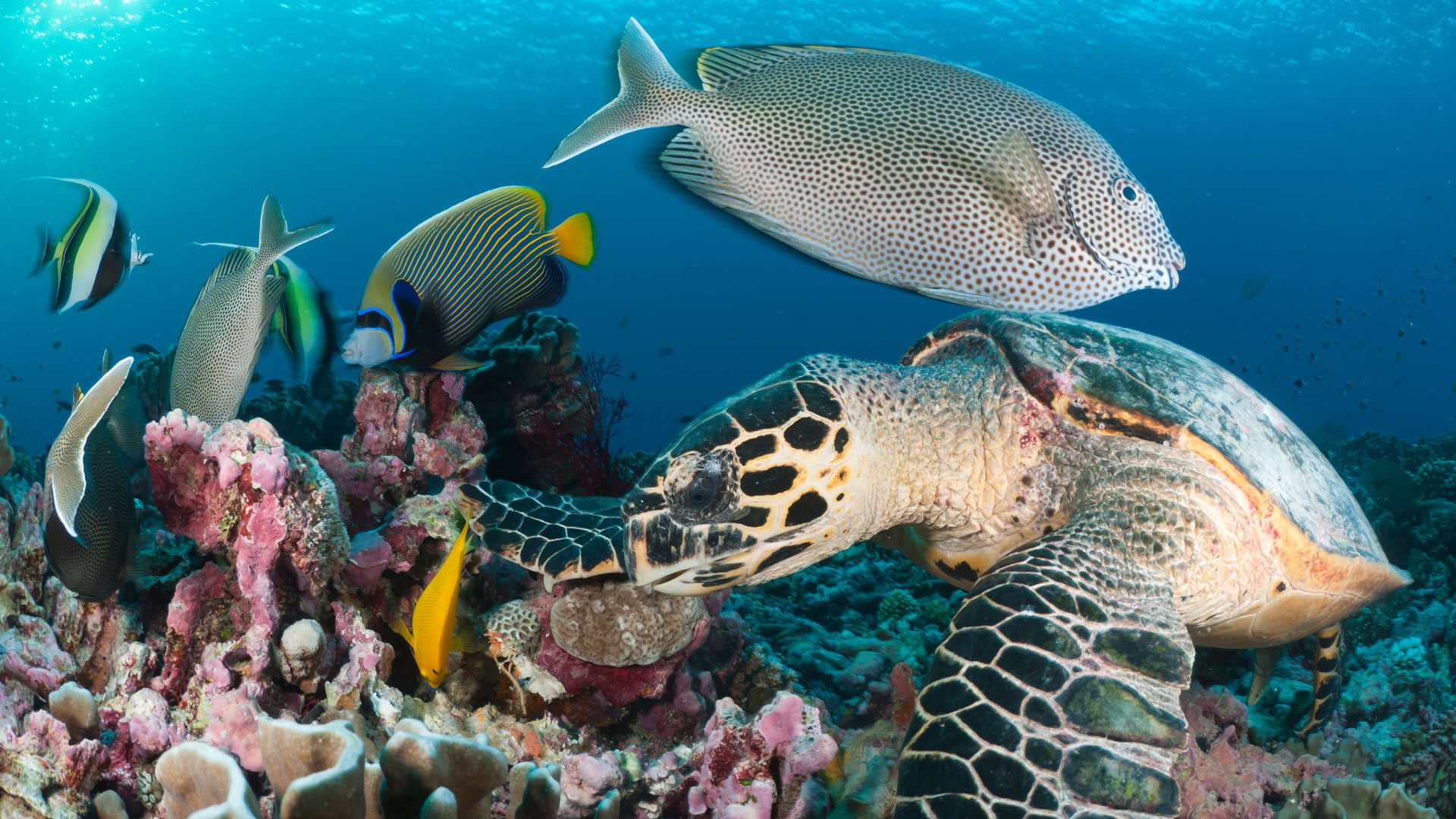
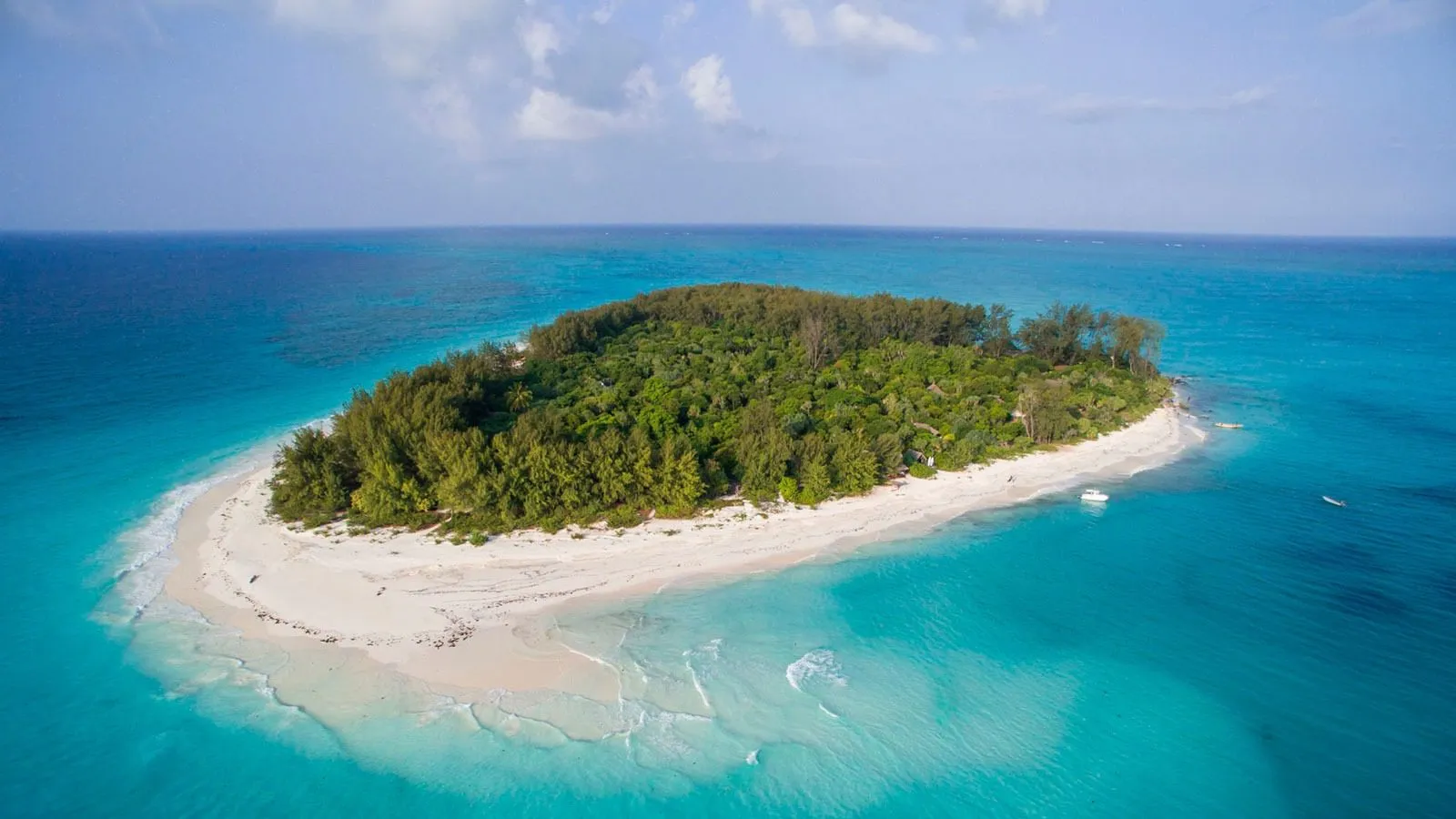
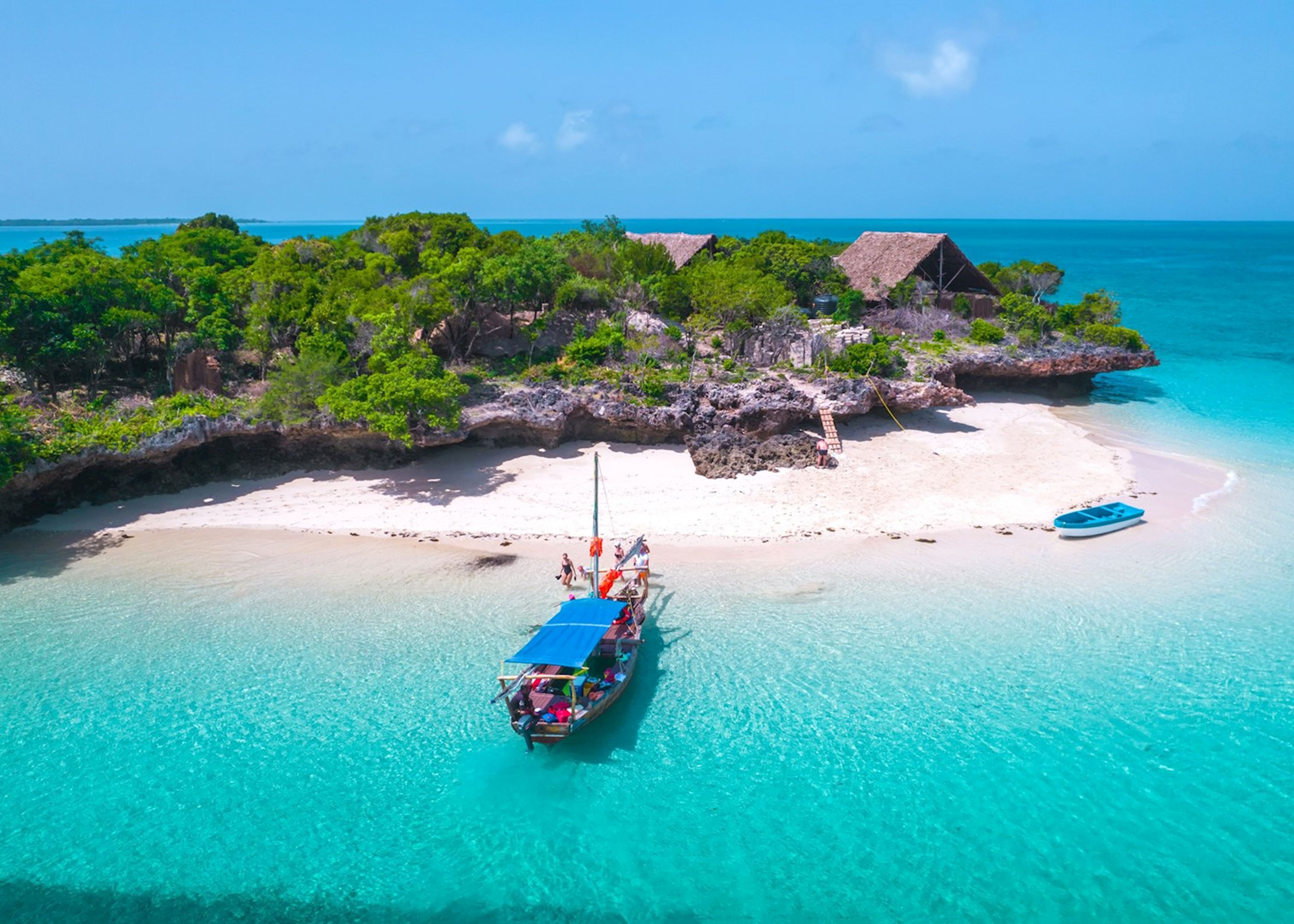
Lying about 10 km off Pemba’s west coast, Misali is a small, uninhabited coral island surrounded by some of the most pristine reefs in East Africa. It sits within the Pemba Channel Conservation Area, where community management has helped protect more than 40 genera of hard coral and several hundred species of reef fish. Green and hawksbill turtles feed in its waters and nest on its beaches, while dolphins are often seen on the boat ride out. Snorkellers can wade straight from the white-sand shore at Baobab Beach into coral gardens, and divers can explore sloping reefs and walls rich in soft corals, sea fans and schooling fish. On land, short nature trails wind through coastal forest and mangroves, home to coconut crabs, monitor lizards and roosting flying foxes. Misali also holds spiritual significance: local legend says the Prophet Hadhara asked passing fishermen for a prayer mat (msala), and when they had none, he declared the island itself would serve as his place of prayer. Today, small caves on the island are still visited by local people for prayer and traditional ceremonies.
Diving the Pemba Channel
Separating Pemba from the Tanzanian mainland, the Pemba Channel drops to depths of over 800 metres just off the island’s west coast, creating some of the most dramatic wall diving in the Indian Ocean. Nutrient-rich currents sweep along the walls, supporting healthy hard and soft corals, giant sea fans and abundant marine life. Famous sites include Njao Gap, a channel between reefs known for drift dives, big schools of fish and frequent turtle encounters; Fundu Reef, with sheer walls and colourful coral gardens; Uvinje Gap, a deep wall dive; and Swiss Reef, an open-ocean pinnacle where barracuda, tuna, reef sharks and occasionally hammerheads and manta rays appear. Divers regularly encounter eagle rays, Napoleon wrasse, giant groupers, moray eels, octopus and nudibranchs. With visibility often reaching 30 metres or more in the dry season and very few dive boats, Pemba offers a rare chance to dive untouched reefs. Many sites suit experienced divers due to currents, but sheltered reefs around Misali and Kokota are ideal for beginners and snorkellers.
Ngezi Forest Reserve
In the far north of the island, Ngezi is Pemba’s last remaining stand of indigenous tropical forest, a remnant of the woodland that once covered much of the island. Its varied habitats include tall moist forest, swamp forest, coastal thicket and heathland, with trees such as the endemic Pemba palm and towering forest giants. Guided nature trails, led by rangers from the local community, offer the chance to see the endemic Pemba Flying Fox, the Pemba Blue Duiker (a tiny forest antelope), the Pemba Vervet Monkey, the Marsh Mongoose and a variety of butterflies. Birdwatchers come for the Pemba Scops Owl, Pemba Green Pigeon, Pemba Sunbird and Pemba White-eye, as well as the African Goshawk and Palm-nut Vulture. Night walks give the best chance of hearing or seeing the scops owl. Ngezi borders Vumawimbi Beach, so a morning forest walk can easily be followed by an afternoon by the sea.
Vumawimbi Beach
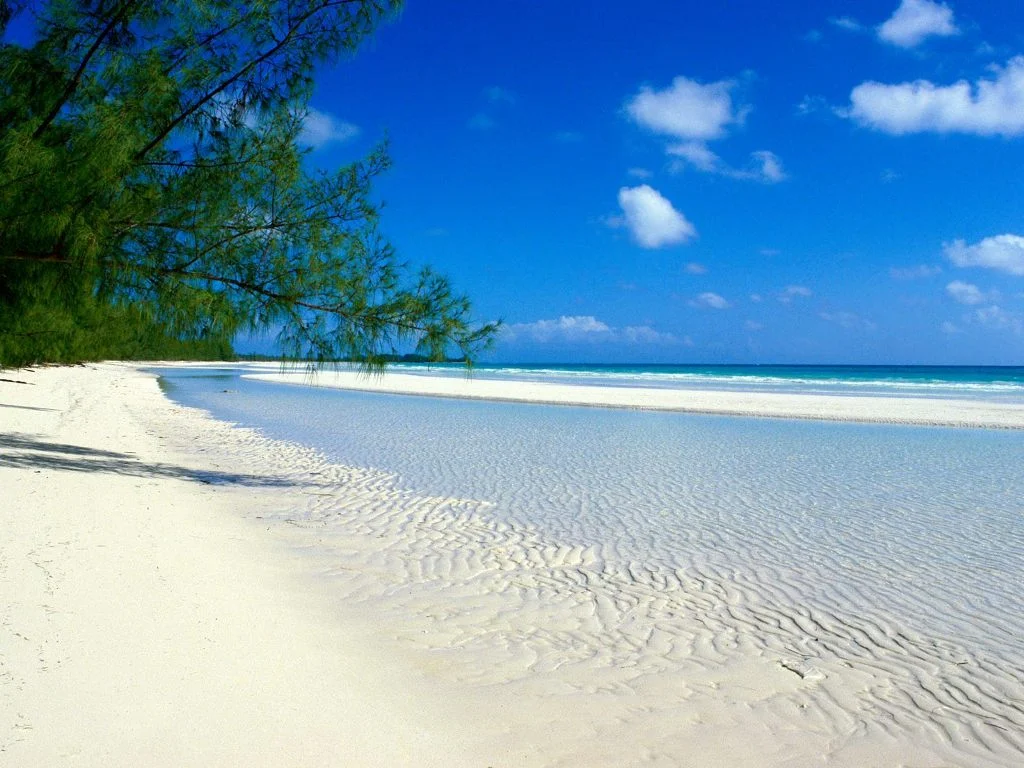
Meaning “roaring waves” in Swahili, Vumawimbi stretches for several kilometres along Pemba’s northwest coast, backed by the forest of Ngezi. With soft white sand, clear turquoise water and almost no development, it is one of the most secluded beaches in the archipelago, often with nothing but fishermen and their dhows for company. It is perfect for swimming, long beach walks and picnics, and the sunsets over the Pemba Channel are spectacular.
Kidike Flying Fox Sanctuary
About 10 km from Chake Chake, Kidike is a community-run conservation site protecting one of the largest roosts of the Pemba Flying Fox, a giant fruit bat found only on Pemba. With a wingspan of up to around 1.6 metres, it is one of the largest bats in Africa. Once hunted close to extinction, its numbers have recovered thanks to local conservation efforts, and the Kidike community now earns income from visitors. Thousands of bats hang in tall trees by day, and at dusk the sky fills with them as they set out to feed, an unforgettable spectacle. Local guides share stories of the bats’ history and the village’s role in saving them.
Clove Plantations and Spice Tours
Pemba produces the vast majority of Zanzibar’s cloves, historically one of the world’s most important sources of the spice, introduced in the early 19th century under Omani rule. Over three million clove trees cover the island’s hills, and during harvest season (mainly July to December), families pick the unopened buds by hand and spread them on mats to dry in the sun, filling villages with their rich aroma. Guided spice tours explore plantations and village farms, introducing cloves, nutmeg, cinnamon, black pepper, cardamom, vanilla, lemongrass and tropical fruits such as jackfruit, rambutan and durian. A visit to the clove oil distillery in Chake Chake shows how cloves and clove stems are processed into essential oil for export.
Ancient Swahili Ruins
Pemba’s position on the Indian Ocean trade routes left behind a remarkable legacy of historic sites.
- Ras Mkumbuu: On a peninsula west of Chake Chake, these are among the oldest Swahili ruins on the East African coast, thought by some historians to be the site of Qanbalu, a trading town mentioned by Arab geographers over a thousand years ago. Highlights include the remains of a large 14th-century mosque, pillar tombs and houses, set among baobabs by the sea and reached by boat or on foot.
- Chwaka Ruins: Near Wete in the north, Chwaka was a thriving town around the 15th century, linked by legend to Haruni, son of the ruler Mkame Ndume. Visitors can see the remains of a Friday mosque, a smaller mosque, tombs and the outline of the old town.
- Pujini Ruins: Southeast of Chake Chake lie the remains of a fortified palace said to belong to Mkame Ndume, whose name means “milker of men,” a reference to the forced labour he used. The site includes thick defensive walls, a moat, a staircase reportedly built so he could reach the sea unseen, and an underground shrine still visited by locals.
- Chake Chake Fort: An 18th-century Omani fort in the heart of town, now home to a small museum on Pemba’s history, culture and archaeology.
The Manta Resort’s Underwater Room
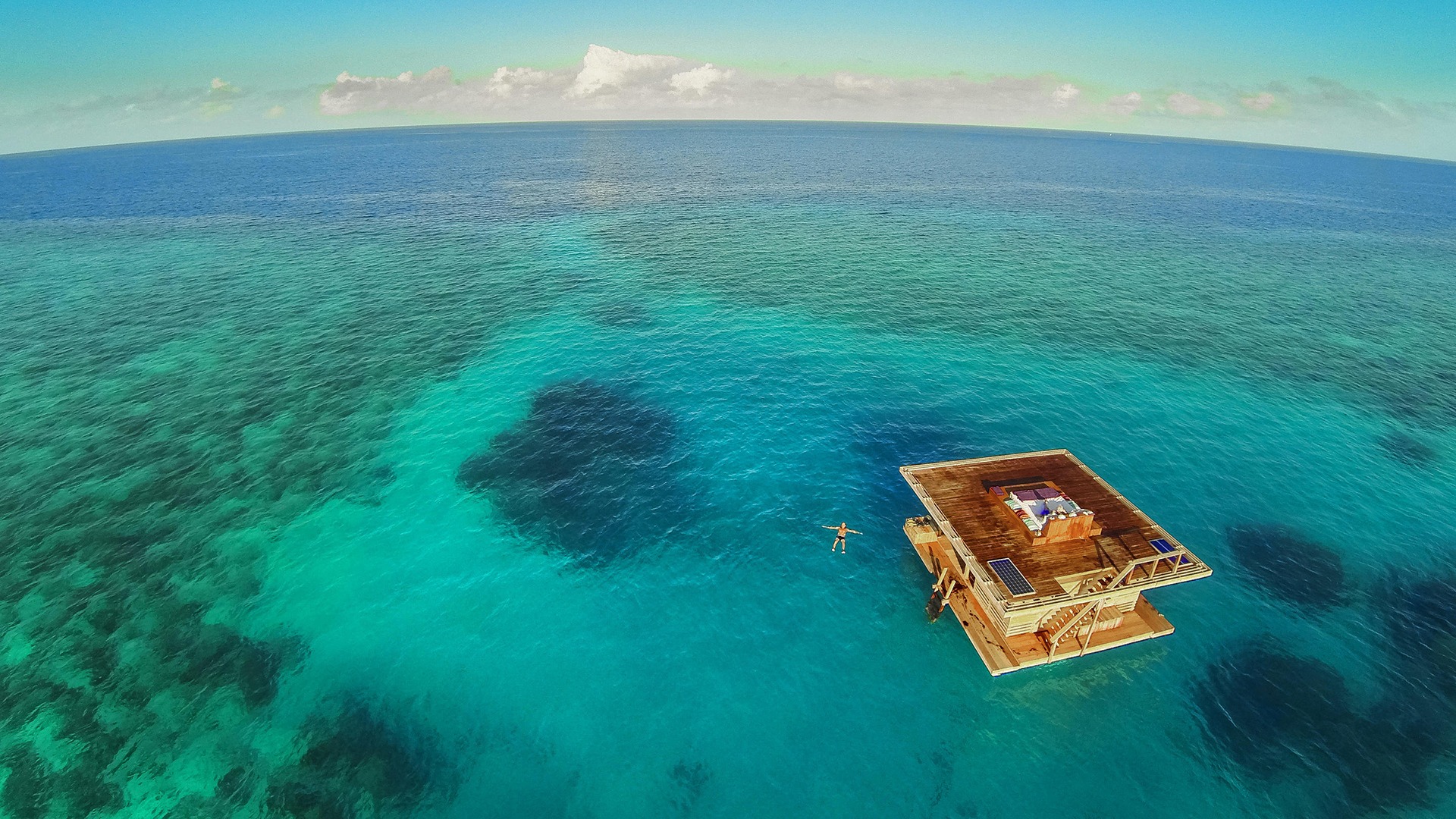
On Pemba’s northwest coast, The Manta Resort is home to one of the world’s most famous hotel rooms. Opened in 2013, the Underwater Room is a three-level floating structure anchored about 250 metres offshore in the Kokota Reef area. The landing deck offers lounging space, the upper roof deck is perfect for sunbathing and stargazing, and the bedroom sits 4 metres below the surface, surrounded by windows onto the reef. At night, spotlights attract fish, octopus and squid, creating a living aquarium around the bed. It is a bucket-list experience popular with honeymooners and adventurous travellers.
Deep-Sea Fishing
The deep, nutrient-rich waters of the Pemba Channel make Pemba one of East Africa’s premier big-game fishing destinations. Anglers target blue, black and striped marlin, sailfish, yellowfin tuna, wahoo, dorado and giant trevally. The best season runs from about September to March, with sailfish peaking from around December to February. Most operators practise catch-and-release for billfish, helping to protect stocks.
Whale and Dolphin Watching
From roughly August to October, humpback whales migrate along the Pemba Channel to breed and calve, and they are often seen breaching and tail-slapping close to the island. Bottlenose dolphins, spinner dolphins, and Indo-Pacific humpback dolphins can be spotted year-round, especially on boat trips to Misali and along the west coast.
Mangrove Kayaking and Dhow Cruises
Pemba’s coastline is laced with mangrove-lined creeks and inlets, important nurseries for fish and home to herons, kingfishers, crabs and mudskippers. Kayaking or paddleboarding through the channels at high tide is a peaceful way to explore them. As evening falls, a sunset cruise aboard a traditional wooden dhow, the same type of vessel that has sailed these waters for centuries, offers a classic Swahili experience, often with fresh seafood on board.
Island Hopping
Pemba is surrounded by small islets and sandbanks, including Misali, Kokota, Fundo and Njao, many with empty beaches and excellent snorkelling. Day trips by boat combine swimming, snorkelling, beach picnics and visits to small fishing communities.
Towns, Markets and Local Life
Pemba remains one of the most authentic and traditional places in Tanzania, with tourism still very low-key. Chake Chake, the island’s main town, has a lively market, the historic Omani fort, and easy access to Kidike, Ras Mkumbuu, and Misali. Wete, in the north, is a relaxed harbour town and gateway to Ngezi, Chwaka and Vumawimbi. Mkoani, in the south, is the main ferry port, with nearby beaches and islets. Village visits offer insight into fishing, farming, mat weaving, and daily Swahili life, and Pemban people are known for their warm hospitality.
Traditional Bullfighting
In some villages, particularly in the south and around Kengeja, Pemba keeps alive a centuries-old bullfighting tradition believed to date from the Portuguese presence in the 16th and 17th centuries. Unlike Spanish bullfighting, the bull is not harmed; young men taunt the bull with cloths in a lively community celebration, usually held after the harvest, roughly between December and February.
Local Cuisine
Pemban food reflects its Swahili, Arab, and Indian heritage, with dishes rich in coconut, cloves and other local spices. Highlights include fresh grilled fish and octopus, seafood curries, pilau and biryani, coconut rice, chapati and fresh tropical fruit. Street snacks such as mandazi, cassava chips and sugarcane juice are found in every town market.
Activities in Pemba Island
- Scuba dive the dramatic walls of the Pemba Channel
- Snorkel the protected reefs of Misali Island
- Tour a clove plantation and learn about the spice trade
- Hike Ngezi Forest and spot the rare Pemba flying fox
- Explore ancient Swahili ruins at Chwaka and Ras Mkumbuu
- Kayak or take a dhow through mangrove channels
- Sail on a sunset dhow cruise
- Go deep-sea fishing for marlin, tuna and sailfish
- Relax on secluded beaches such as Vumawimbi
- Visit local villages and markets in Chake Chake and Wete
Year-Round Weather in Pemba Island
Want to see more? This video is worth watching
Related Trips
Discover Tanzania
Your questions answered
Where is Pemba Island?
Pemba is the second-largest island in the Zanzibar Archipelago, lying about 50 km north of Unguja (Zanzibar’s main island) and roughly 50 km off the Tanzanian mainland, across the deep Pemba Channel. It covers around 988 square kilometres and is part of the semi-autonomous region of Zanzibar. The main towns are Chake Chake in the centre, Wete in the north and Mkoani, the main port, in the south.
How do I get to Pemba?
The quickest way is by air. Small domestic airlines fly into Pemba Airport, near Chake Chake, from Zanzibar (around 30 minutes) and Dar es Salaam (around 45 minutes), with connections from Arusha and the safari circuit via Zanzibar or Dar es Salaam. Ferries also run between Stone Town on Zanzibar and Mkoani on Pemba, a journey of several hours depending on the vessel and sea conditions. As schedules change seasonally, our team books and coordinates all flights, ferries and airport transfers for you, so your journey runs smoothly from start to finish.
How is Pemba different from Zanzibar (Unguja)?
Pemba is much quieter, greener, and less developed than Unguja. There are no crowded beach strips or large resort zones; instead, you will find empty beaches, traditional villages, clove plantations, and untouched reefs. While Unguja is ideal for history, nightlife and a wide choice of beach resorts, Pemba suits travellers who want peace, nature, world-class diving and an authentic glimpse of island life. Many of our guests combine both islands in one trip.
When is the best time to visit Pemba?
The best time is the dry season, from June to October, when days are sunny and pleasantly cool, seas are calm, and diving visibility is excellent, often over 30 metres. This period also coincides with humpback whale season, roughly August to October. December to February is another great window: hot and mostly dry, ideal for beaches, diving and deep-sea fishing. The long rains from March to May bring heavy downpours, and some lodges close during this time. The short rains in November bring brief showers, but travel is still very possible.
How many days should I spend on Pemba?
We recommend at least 3 to 5 nights to enjoy the island at a relaxed pace. This allows time for a trip to Misali Island, a visit to Ngezi Forest and Vumawimbi Beach, a spice and village tour, and time to simply unwind. Keen divers and anglers often stay a week or more to explore the Pemba Channel fully.
Can I combine Pemba with a safari or Kilimanjaro climb?
Absolutely, and it is one of our favourite ways to end a Tanzania adventure. After a safari in the Serengeti, Ngorongoro or Tarangire, or a climb on Kilimanjaro or Mount Meru, Pemba offers the perfect place to rest and recover. We arrange connecting flights from Arusha or the parks, and we can also combine Pemba with Unguja or mainland coastal destinations for a longer beach holiday.
Is Pemba good for diving and snorkelling?
Yes, it is one of the best diving destinations in East Africa. The Pemba Channel’s steep walls and drift dives, at sites such as Njao Gap, Fundu Reef and Swiss Reef, attract experienced divers from around the world, with sightings of reef sharks, eagle rays, turtles, Napoleon wrasse and large schools of fish. Beginners need not miss out, as sheltered reefs around Misali and Kokota are perfect for first dives, PADI courses and snorkelling. Some channel sites have strong currents, so we match each guest with dives suited to their experience level.
Do I need to be a diver to enjoy Pemba?
Not at all. Non-divers can enjoy snorkelling straight off the beach at Misali, boat trips to sandbanks and islets, dolphin and whale watching, mangrove kayaking, sunset dhow cruises, forest walks in Ngezi, spice tours, historic ruins and village visits, or simply relax on some of the most peaceful beaches in Tanzania.
What wildlife can I see on Pemba?
Pemba is home to several species found nowhere else on earth, including the Pemba Flying Fox, a giant fruit bat best seen at the Kidike sanctuary, and four endemic birds: the Pemba Scops Owl, Pemba Green Pigeon, Pemba Sunbird and Pemba White-eye. Ngezi Forest also shelters the Pemba Blue Duiker and Pemba Vervet Monkey. In the ocean, you can see green and hawksbill turtles, dolphins, rays, reef sharks, countless reef fish and, in season, humpback whales.
What kind of accommodation is available?
Pemba offers a small but special choice of places to stay, from simple guesthouses in Chake Chake and Wete to comfortable mid-range beach lodges and exclusive luxury resorts such as The Manta Resort, home of the famous Underwater Room, and Fundu Lagoon. Because accommodation is limited and popular lodges fill quickly, especially in peak season, we recommend booking early. As with all iTour trips, we offer budget, mid-range and luxury options to suit your style and budget.
Is Pemba suitable for families and honeymooners?
Yes. Honeymooners love Pemba for its seclusion, romantic beach lodges, sunset dhow cruises and once-in-a-lifetime stays such as the Underwater Room. Families enjoy snorkelling, beach time, boat trips, the flying fox sanctuary and spice tours, which children find fascinating. We tailor each itinerary to suit your group, including family-friendly lodges and activities.
Is Pemba safe for tourists?
Pemba is generally a safe and welcoming destination, and its people are known for their warm hospitality. As with travel anywhere, we advise sensible precautions: keep valuables secure, avoid walking alone in quiet areas at night and follow your guide’s advice. Our team stays in contact with you throughout your trip, and all transfers and excursions are arranged with trusted local partners.
What should I wear on Pemba?
Pemba is a traditional and predominantly Muslim society, so modest dress is appreciated when visiting towns, villages, and historic sites. Shoulders and knees should be covered, and swimwear is best kept to the beach or your lodge. Light, breathable cotton clothing, a hat, sunglasses, reef-safe sunscreen and sandals are ideal, along with a light jacket for evening boat trips and insect repellent for dusk.
Is there anything special to know about Ramadan?
During the holy month of Ramadan, many locals fast during daylight hours, and some local restaurants may close during the day. Visitors are welcome and tourist lodges operate as normal, but we ask guests to be respectful by not eating, drinking or smoking in public places in towns and villages during the day. Ramadan can also be a fascinating time to experience local culture, especially the festive evenings.
Do I need a visa to visit Pemba?
Pemba is part of Tanzania, so a standard Tanzanian visa applies, and most nationalities can apply online for an e-visa before travel or, for some countries, obtain one on arrival. If you are already in mainland Tanzania, no separate visa is needed for Pemba. Zanzibar (including Pemba) also requires visitors to hold mandatory Zanzibar inbound travel insurance, which can be purchased online. Entry rules can change, so we always confirm the latest requirements with our guests before travel.
Are there any health requirements?
A yellow fever vaccination certificate is required if you are arriving from, or have transited through, a country with a risk of yellow fever. Pemba lies in a malaria area, so we strongly recommend speaking to your doctor or travel clinic about antimalarial medication, and using insect repellent, long sleeves in the evening, and mosquito nets. Drink bottled or filtered water, and make sure your travel insurance covers medical evacuation, especially if you plan to dive.
What currency is used, and are there ATMs?
The local currency is the Tanzanian Shilling (TZS), though US dollars are widely accepted at lodges and for tours. ATMs are limited and mainly found in Chake Chake, and card payments are not accepted everywhere, so we recommend carrying enough cash for tips, markets, and small purchases. US dollar notes should be printed in 2009 or later, as older notes are often refused.
What languages are spoken?
Swahili is the main language on Pemba, and Arabic is also understood by some people. English is spoken at lodges, dive centres, and by our guides, but learning a few Swahili greetings such as Jambo (hello), Asante (thank you), and Karibu (welcome) is always appreciated by locals.
Is there internet and mobile coverage?
Mobile coverage is available in most towns and many coastal areas, and local SIM cards can be bought in Chake Chake with ID. Wi-Fi is available at most lodges, though it can be slow or limited, especially at remote resorts. Many guests see this as part of Pemba’s charm, a true chance to disconnect.
What is the electricity supply?
Tanzania uses 230V electricity with British-style Type G plugs (three rectangular pins), so bring a suitable adapter. Some remote lodges rely on solar or generator power, which may have limited hours.
Can I visit Pemba on a day trip from Zanzibar?
It is possible by plane, but we do not recommend it. Pemba’s highlights are spread across the island, and many, like Misali Island and Ngezi Forest, deserve a full day each. Staying at least a few nights lets you truly experience the island’s calm and beauty.
Can iTour Tanzania customise my Pemba holiday?
Yes. Every trip we design is private and tailored to you. Our team, with up to 15 years of experience organising tours across Tanzania, will build your Pemba stay around your interests, whether that is diving, birdwatching, history, relaxation or a romantic escape, and connect it seamlessly with safaris, mountain climbs or other beach destinations.
How much does a Pemba holiday cost, and how do I book?
The cost depends on your travel dates, length of stay, choice of accommodation, group size and activities. Please contact us to request a quote, and our team will put together a personalised itinerary and price for you. We will take care of all the details, from flights and transfers to lodges and excursions, so you can simply enjoy Pemba.