
Destination
Pangani
Where the Pangani River meets the Indian Ocean, historic Pangani offers Swahili-coast charm without the crowds. Explore its old dhow-trade streets, relax on Ushongo’s palm-fringed beaches, snorkel at Maziwe Island, cruise the mangrove-lined river at sunset, or venture into nearby Saadani National Park, where bush meets beach.
Destination Overview
Set on Tanzania’s northern Swahili coast, about 50 km south of Tanga, Pangani lies where the Pangani River flows into the Indian Ocean. For centuries it was a thriving trading port, where dhows carried goods between the African interior, Zanzibar and lands across the ocean. Arab, Swahili, Indian and German influences have all left their mark, visible today in the town’s carved wooden doors, weathered coral-stone buildings and the old colonial Boma. Pangani also holds an important place in Tanzanian history as the birthplace of the 1888 Abushiri uprising against German rule. Despite its storied past, the town has kept a slow, unhurried rhythm, with fishermen mending nets on the riverbank, ferries crossing the estuary, and coconut and sisal plantations stretching inland.
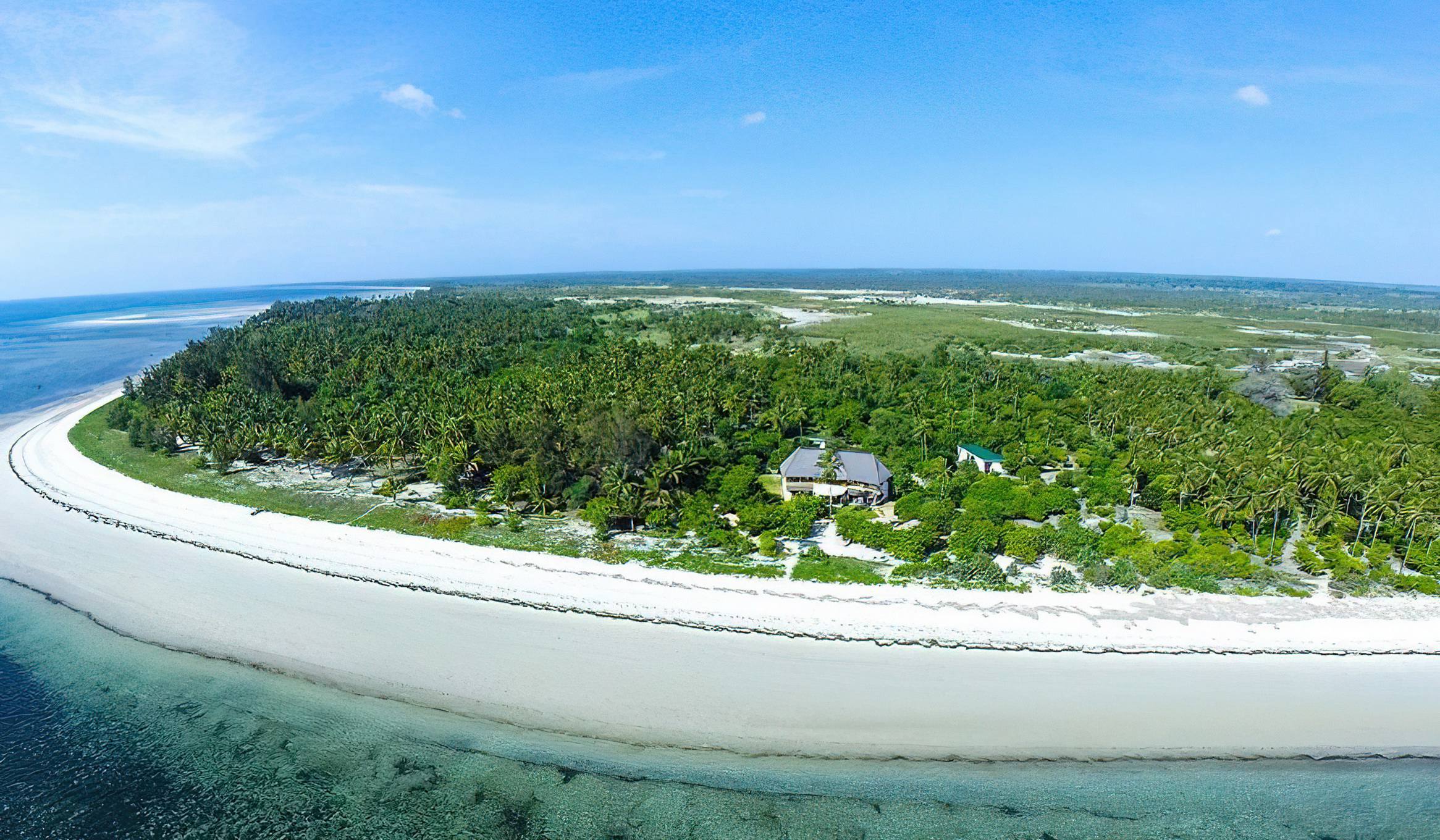
Beyond the town, Pangani opens onto some of East Africa’s most peaceful and unspoiled coastline. Long, palm-fringed beaches such as Ushongo offer warm, shallow waters and few crowds, while the tiny sandbank of Maziwe Island, a protected marine reserve, rewards snorkellers and divers with coral gardens, tropical fish and nesting turtles. Sunset cruises on the Pangani River drift past mangroves rich in birdlife, and from about August to October humpback whales pass offshore. Just to the south, Saadani National Park adds a rare chance to combine beach and safari, with elephants, giraffes and lions roaming close to the shore. With its blend of history, nature and authentic coastal culture, Pangani is an ideal escape for travellers seeking a quieter, more genuine side of Tanzania.
Historic Pangani Old Town
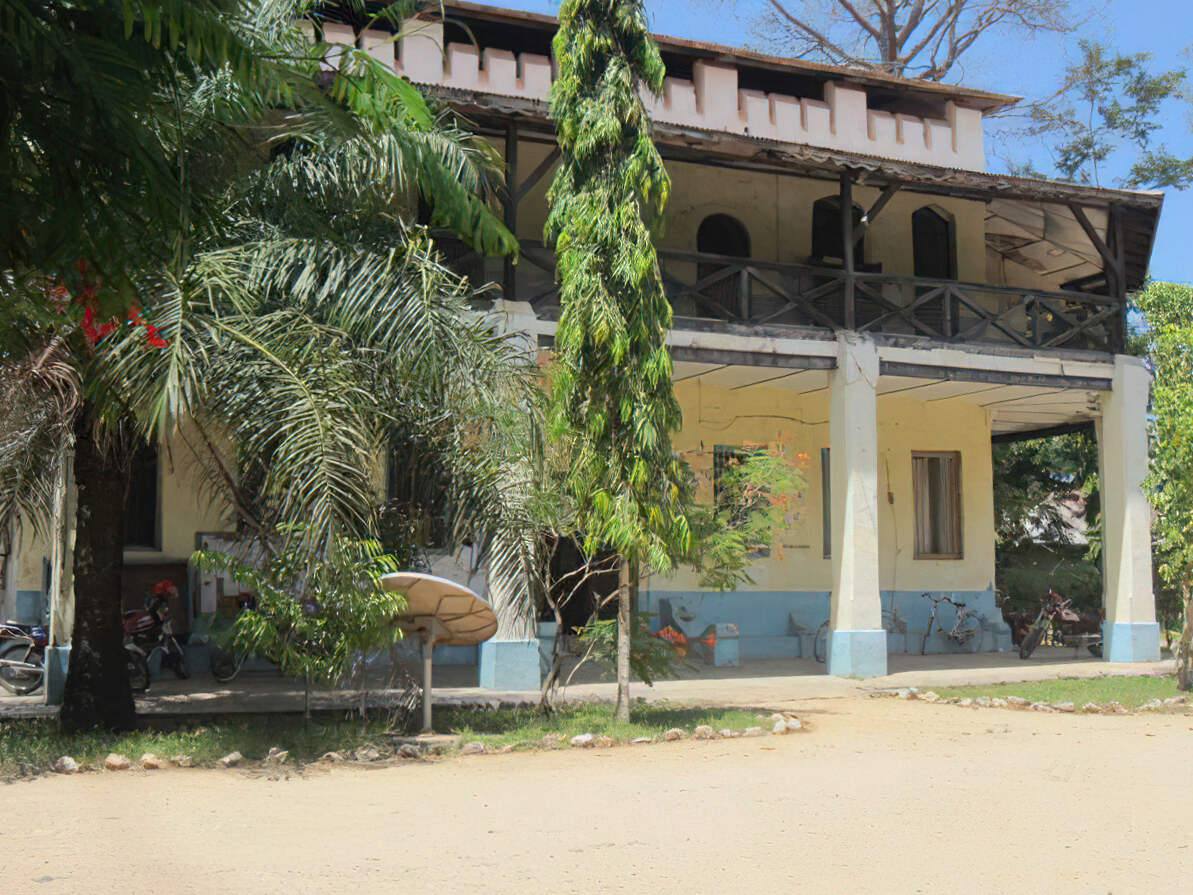
Step back in time with a stroll through Pangani’s old quarter, once one of the busiest trading ports on the Swahili coast. Narrow lanes are lined with crumbling coral-stone houses, intricately carved wooden doors and buildings from the Arab, Indian, and German colonial eras, including the old Boma overlooking the river. Local guides bring the town’s past to life, sharing stories of the dhow trade, the caravan routes that carried ivory and slaves from the interior, and the 1888 Abushiri uprising against German rule that began here.
Pangani River Cruises
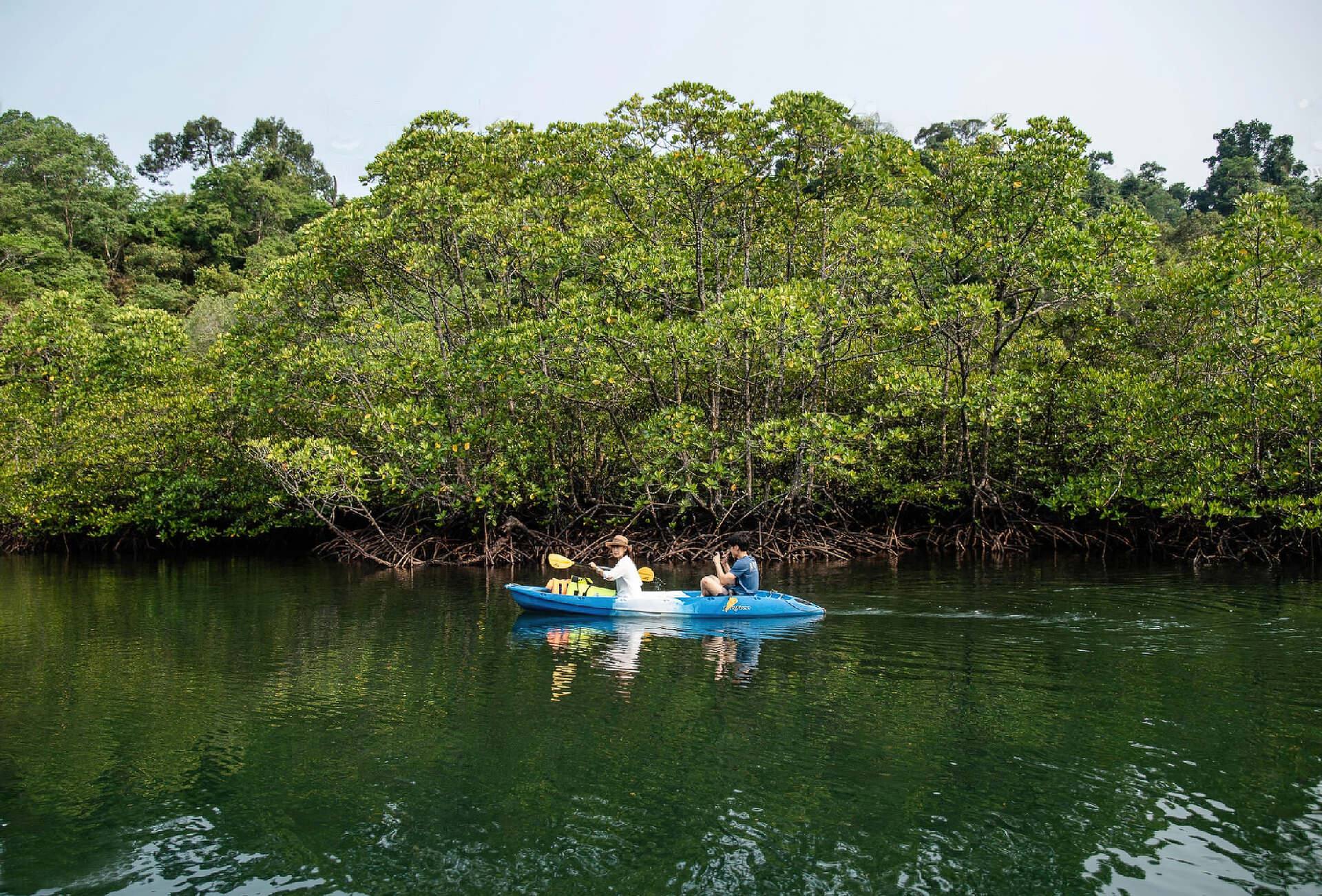
A sunset cruise along the Pangani River is one of the area’s most memorable experiences. Gliding past dense mangroves, fishing villages and coconut plantations, visitors can spot kingfishers, herons, fish eagles and, with luck, crocodiles or monitor lizards basking on the banks. As the sun sets over the water, the river glows gold, offering wonderful photo opportunities.
Ushongo Beach
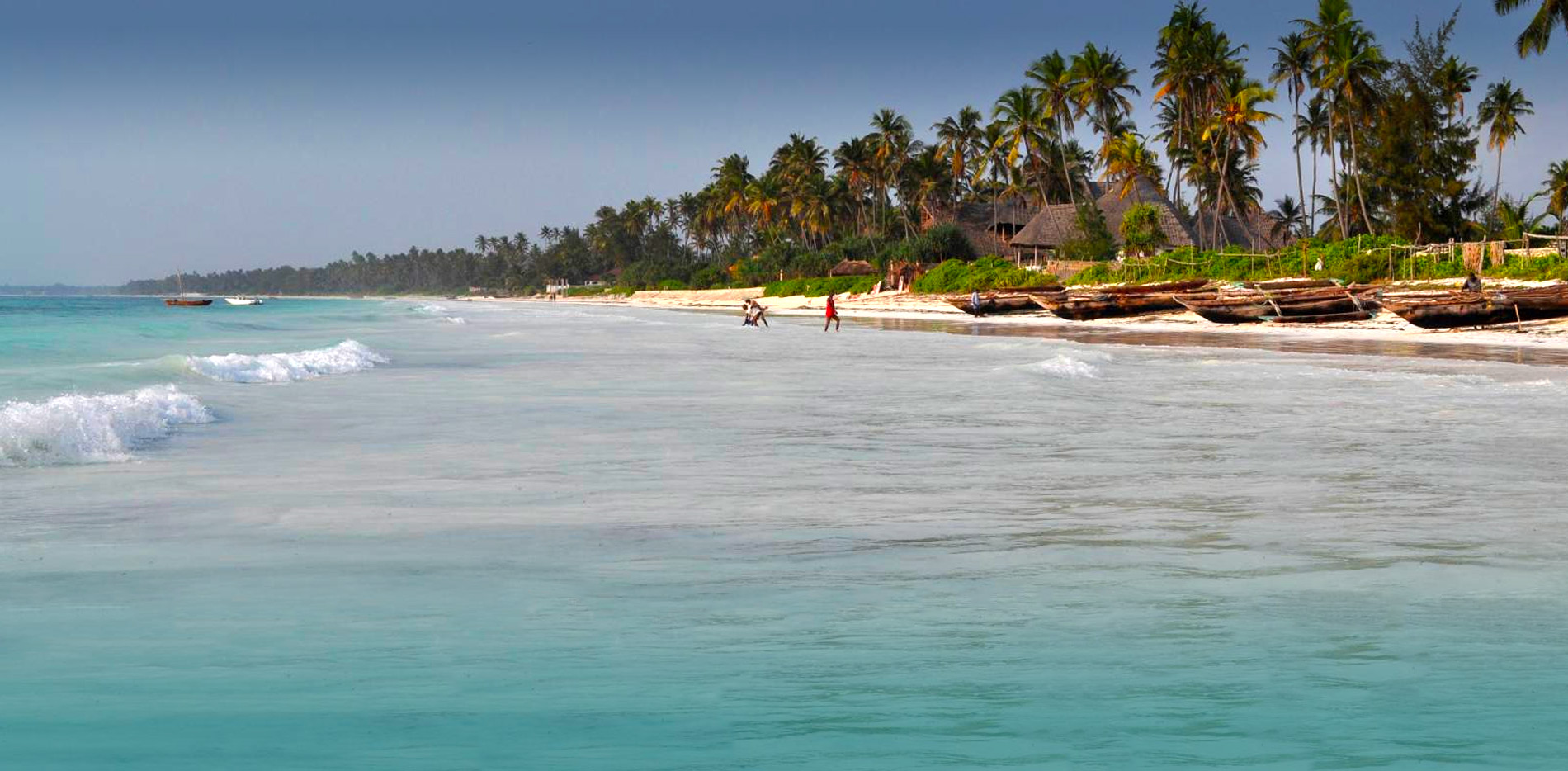
Just south of town, Ushongo Beach is a long stretch of soft white sand framed by swaying palms and warm, shallow turquoise waters. Uncrowded and peaceful, it is perfect for swimming, sunbathing, beach walks and watching traditional fishing boats come and go. A handful of small, low-key lodges make it an ideal base for a relaxing coastal escape.
Maziwe Island Marine Reserve
Rising from the ocean at low tide, the tiny sandbank of Maziwe Island sits at the heart of a protected marine reserve. Its surrounding coral reefs are home to colourful tropical fish, starfish, octopus and sea turtles, making it one of the best snorkelling and diving spots on this stretch of coast. Trips are timed with the tides, giving visitors a few magical hours on a pristine island that disappears beneath the waves as the water rises.
Humpback Whale and Dolphin Watching
From about August to October, humpback whales migrate along the coast, and boat excursions offer the chance to see them breaching, tail-slapping and travelling with their calves. Dolphins are also frequently spotted year-round, often swimming alongside boats in playful pods.
Saadani National Park
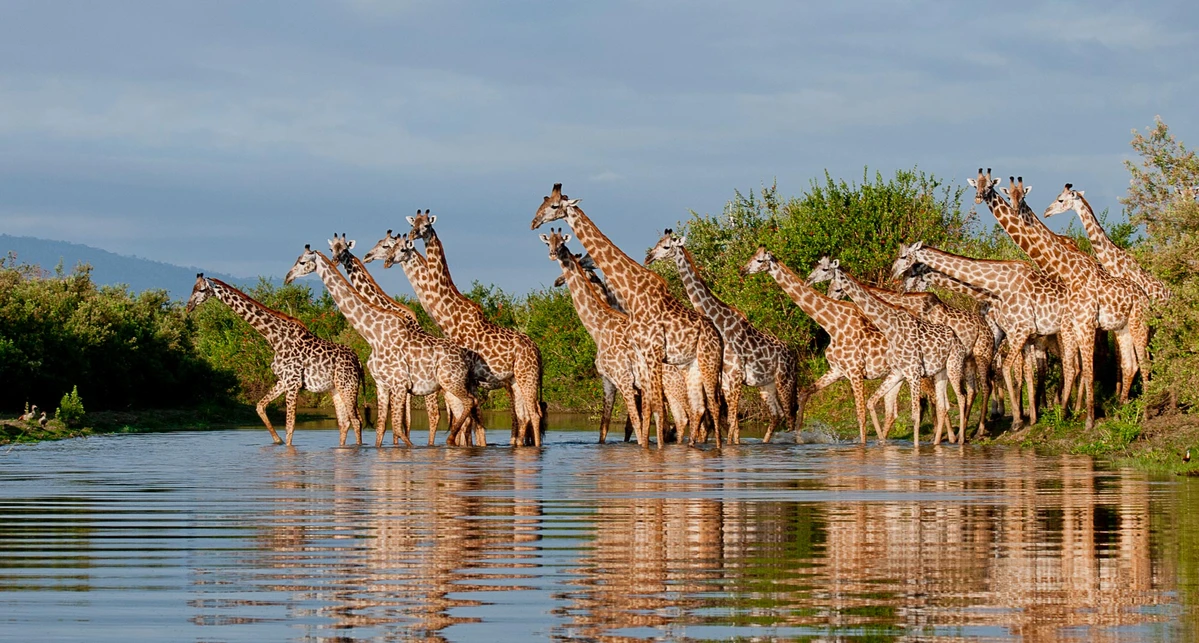
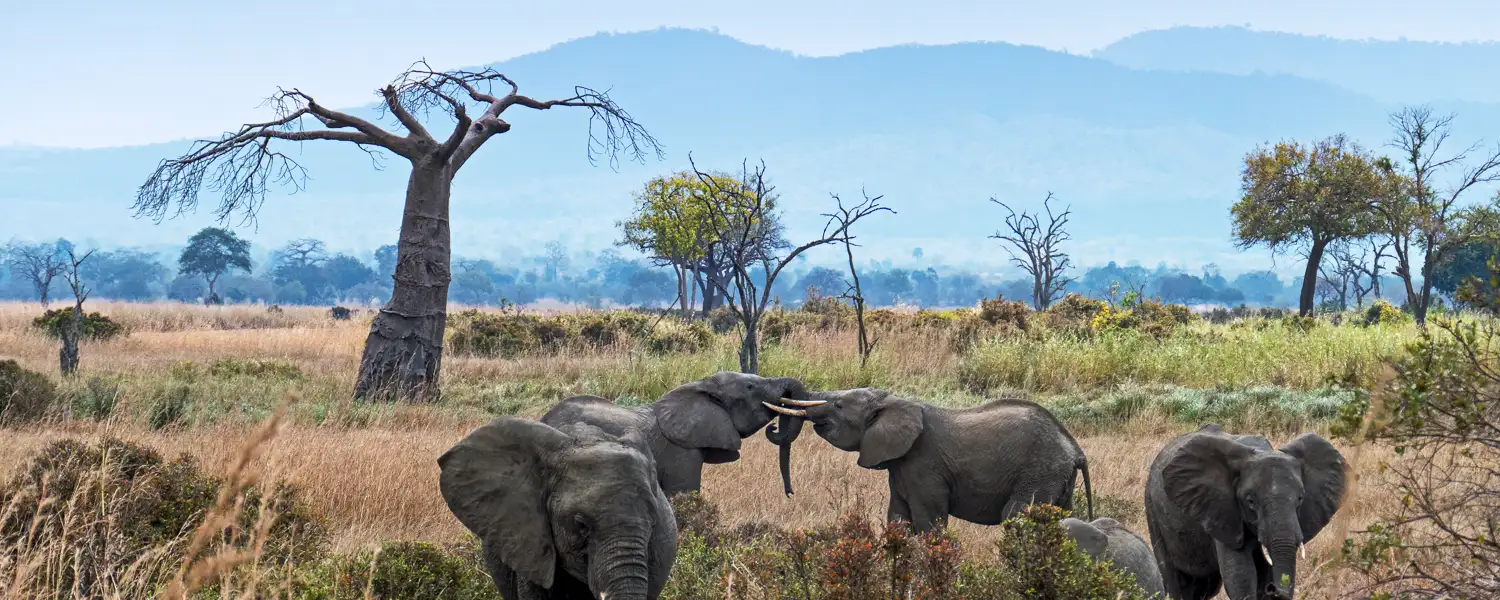
Just south of Pangani lies Saadani National Park, one of the few places in East Africa where the savannah meets the sea. Here, travellers can combine a classic game drive with a beach holiday, spotting elephants, giraffes, buffalo, zebras, wildebeest, warthogs and, with luck, lions and the rare Roosevelt sable antelope. Boat safaris along the Wami River reveal hippos, crocodiles and abundant birdlife, while green turtles nest on the park’s beaches.
Birdwatching
With its mix of mangroves, beaches, river estuary, coastal forest and nearby savannah, Pangani is a rewarding destination for birdwatchers. Highlights include the crab plover, palm-nut vulture, mangrove kingfisher, Fischer’s turaco, trumpeter hornbill and a wide variety of migratory waders that visit the coast between October and April.
Spice and Plantation Tours
The fertile land around Pangani is dotted with coconut, cashew, mango and sisal plantations, as well as small spice farms. Guided tours let visitors learn how sisal is grown and processed, sample tropical fruits fresh from the tree, and discover spices such as cinnamon, cloves and black pepper in their natural setting.
Swahili Village and Cultural Experiences
Pangani offers an authentic glimpse into everyday coastal life. Visitors can explore local fishing villages, watch dhows being built and repaired by hand, meet artisans weaving mats and baskets from palm leaves, and join a Swahili cooking class to learn how to prepare coconut-based curries, pilau and fresh seafood dishes.
Fishing and Water Sports
Deep-sea fishing trips target species such as sailfish, kingfish, tuna and barracuda, while traditional fishing outings with local fishermen offer a more cultural experience. Kayaking through the mangroves, stand-up paddleboarding and sailing on a traditional dhow are other popular ways to enjoy the water.
Sea Turtle Encounters
Green and hawksbill turtles nest on beaches in the Pangani area and nearby Saadani. During the nesting season, visitors may have the chance to witness hatchlings making their way to the sea, often as part of local conservation programmes that protect nesting sites.
Unspoiled, Off-the-Beaten-Path Atmosphere
Above all, Pangani’s greatest highlight is its tranquillity. Far from the crowds of Zanzibar and other busy beach resorts, it offers a genuine, slow-paced coastal experience where travellers can unwind, connect with local culture and enjoy nature in its most natural form.
Activities in Pangani
- Walking tour of Pangani’s historic old town
- Sunset dhow or boat cruise on the Pangani River
- Snorkelling and diving at Maziwe Island Marine Reserve
- Beach relaxation at Ushongo and other palm-fringed beaches
- Day safari to Saadani National Park
- Mangrove and birdwatching excursions
- Spice and coconut plantation tours
- Deep-sea and traditional fishing trips
- Kayaking and stand-up paddleboarding
- Village visits and Swahili cultural experiences
- Swahili cooking classes and fresh seafood tasting
- Sea turtle nesting and hatching viewing (seasonal)
Year-Round Weather in Pangani
Want to see more? This video is worth watching
Related Trips

Discover Tanzania
Your questions answered
Where is Pangani, and how do I get there?
Pangani is on Tanzania’s northern Swahili coast, about 50 km south of Tanga and roughly midway between Dar es Salaam, and the Kenyan border. From our base in Arusha, the drive takes around 7 to 8 hours through the Usambara foothills and sisal country. Many of our guests break the journey with a night in the Usambara Mountains or Moshi, which turns the transfer into part of the adventure. Another option is to fly to Tanga or Dar es Salaam and continue by road. Our team arranges private transfers with experienced drivers, so you don’t have to worry about logistics.
How many days should I spend in Pangani?
We recommend at least three to four nights. That gives you time to explore the old town, take a river cruise, spend a day snorkelling at Maziwe Island, and still enjoy slow beach days. If you’d like to add a safari in Saadani National Park, plan on five nights or more. Pangani also works well as the relaxing final stop after a northern circuit safari or a Kilimanjaro climb, and we design every iTour trip to last at least five days so you’re never rushed.
When is the best time to visit?
The driest and most comfortable months are June to October, with pleasant temperatures, cooler evenings and good wildlife viewing in Saadani. From about August to October, humpback whales pass offshore. December to February is hotter and more humid, but the sea is usually calm and clear, which makes it ideal for snorkelling and diving. We generally advise against March to May, when the long rains bring heavy showers, rough seas and some lodge closures. November has short, lighter rains and fewer visitors.
Is Pangani safe for travellers?
Yes. Pangani is a small, friendly community, and visitors generally find it relaxed and welcoming. As anywhere, we recommend sensible precautions: keep valuables secure, avoid walking alone on isolated beaches after dark, and use the guides and transport we arrange. Our local partners know the area well, and our team is reachable throughout your trip.
What type of accommodation is available?
Pangani has a mix of small beach lodges, eco-friendly bungalows, and boutique retreats, mostly along Ushongo Beach and the coast north and south of town. There are no large resorts here, which is a big part of its charm. For every night of an iTour trip, we offer budget, mid-range, and luxury options, so you can choose what suits your style and budget.
Can I combine Pangani with a safari?
Absolutely, and it’s one of the area’s biggest attractions. Saadani National Park, just to the south, is one of the few places in East Africa where the savannah meets the ocean. You can see elephants, giraffes, buffalo and lions in the morning and be back on the beach by afternoon. Pangani also pairs well with the Serengeti, Ngorongoro and Tarangire, or with a Kilimanjaro or Meru climb, as a peaceful way to unwind afterwards.
Can I combine Pangani with Zanzibar?
Yes. Pangani lies opposite Zanzibar and Pemba, and connections can be arranged by light aircraft or via Tanga or Dar es Salaam, depending on the season and your schedule. Pairing Pangani’s quiet, authentic coastline with Zanzibar’s history and livelier beaches makes for a very well-rounded coastal holiday. Our team will suggest the most practical route for your dates.
What activities can I do in Pangani?
Highlights include walking tours of the historic old town, sunset cruises on the Pangani River, snorkelling and diving at Maziwe Island Marine Reserve, beach days at Ushongo, dhow sailing, kayaking through the mangroves, deep-sea and traditional fishing, birdwatching, spice and plantation tours, Swahili cooking classes, village visits, and seasonal whale and turtle watching. Some activities, like Maziwe Island trips, depend on the tides, so we schedule them carefully.
Is Pangani suitable for families and children?
Yes. Calm, shallow waters at many beaches, small, friendly lodges, and gentle activities such as boat trips, turtle conservation visits, and plantation tours make Pangani great for families. Saadani also offers a relaxed, uncrowded safari experience that suits children. Let us know your children’s ages, and we’ll recommend family-friendly lodges and activities.
Is Pangani a good honeymoon destination?
Very much so. Its secluded beaches, sunset river cruises, private dhow trips, and intimate boutique lodges make it ideal for couples looking for romance without the crowds. Many honeymooners combine a safari with a few days in Pangani to finish their trip in peace.
What should I pack?
Light, breathable clothing, swimwear, a hat, sunglasses, reef-safe sunscreen and insect repellent are essentials. Bring a light jacket for cooler evenings between June and September, and comfortable sandals or walking shoes for the old town and village visits. If you’re adding a safari in Saadani, pack neutral-coloured clothing. Snorkelling gear is usually provided, but some guests prefer to bring their own mask.
What is the dress code and local culture like?
Pangani is a traditional Swahili and predominantly Muslim community. Swimwear is perfectly fine on the beach and at lodges, but when visiting town or villages, we recommend modest dress, with shoulders and knees covered. Locals appreciate a friendly greeting in Swahili; “Jambo” or “Habari” goes a long way. Please ask before photographing people.
Do I need a visa and vaccinations?
Most visitors need a visa for Tanzania, which can usually be obtained online as an e-visa before travel. A yellow fever certificate is required if you arrive from, or have recently transited through, a country with yellow fever risk. Pangani is in a malaria area, so we strongly recommend speaking with your doctor about antimalarial medication and using repellent and mosquito nets. Entry rules can change, so please check the latest requirements before you travel.
What currency is used, and are there ATMs?
The Tanzanian shilling is the local currency, and US dollars are widely accepted at lodges and for activities. Pangani has very limited banking facilities, so we advise withdrawing cash in Arusha, Tanga or Dar es Salaam before arriving. Some lodges accept card payments, but carrying enough cash for tips, markets, and small purchases is wise.
Is there internet and mobile coverage?
Mobile coverage is available in and around Pangani town, and most lodges offer Wi-Fi, though speeds can be slow and connections may drop at times. Many guests see this as part of the appeal, a genuine chance to switch off.
How much does a Pangani trip cost?
Every iTour trip is tailor-made, so the cost depends on your travel dates, group size, accommodation level, and the activities you choose. Please contact us to request a quote, and our team will create a personalised itinerary for you.
Why should I visit Pangani with iTour Tanzania?
As a Tanzanian-owned company with up to 15 years of experience, we specialise in combining Tanzania’s famous highlights with lesser-known gems like Pangani. We work with trusted local guides and lodges, handle every detail from transfers to tide-timed excursions, and design private and small-group trips that show you the authentic side of the Swahili coast. Discover Tanzania, Authentically.