
Destination
Olmoti Crater
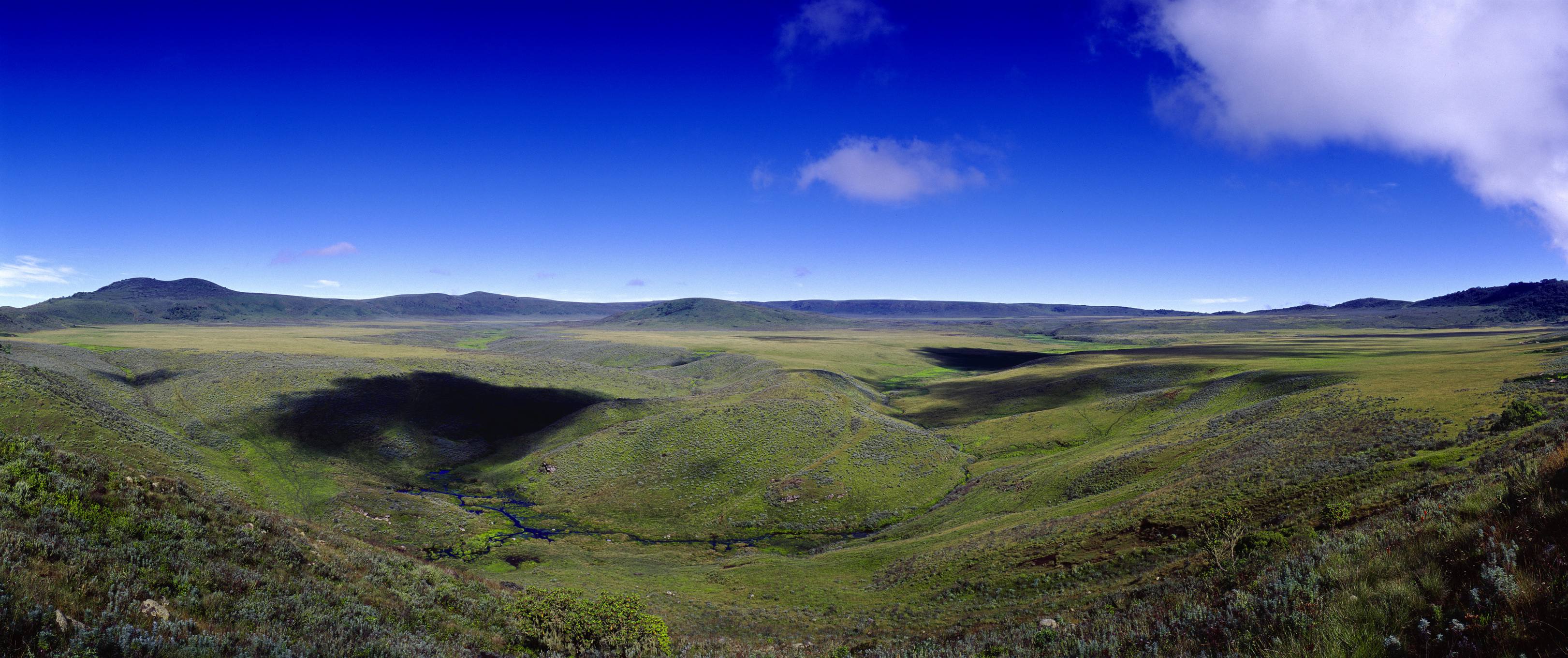
Just north of Ngorongoro Crater, Olmoti is a peaceful highland caldera reached by a short guided hike from Nainokanoka village. Expect open grasslands, Maasai herders, grazing eland and buffalo, and the striking Munge Waterfall, which feeds the river flowing into Ngorongoro Crater below.
Destination Overview
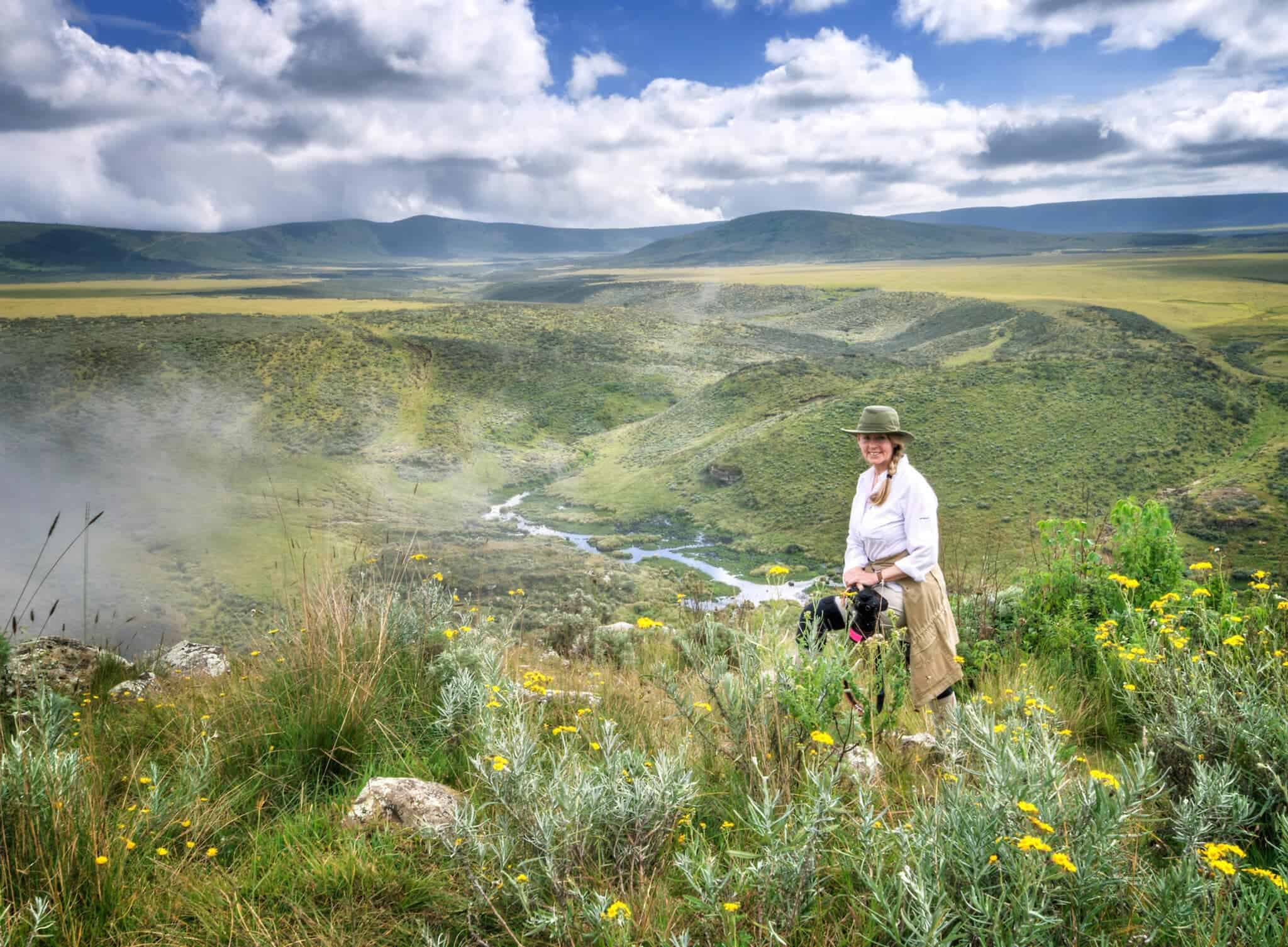
Olmoti Crater lies in the Crater Highlands of the Ngorongoro Conservation Area, a short drive north of the famous Ngorongoro Crater. Unlike its busier neighbour, Olmoti is a shallow, collapsed volcanic caldera that remains wonderfully quiet and largely untouched by mass tourism. Visits begin at the Maasai village of Nainokanoka, where an armed ranger leads a scenic hike of about an hour through montane forest and open slopes to the crater rim. From the top, the view opens onto a broad bowl of grassland where Maasai herders graze their cattle alongside eland, buffalo, bushbuck and reedbuck, while the surrounding highlands stretch out toward Embakaai and the Great Rift Valley.
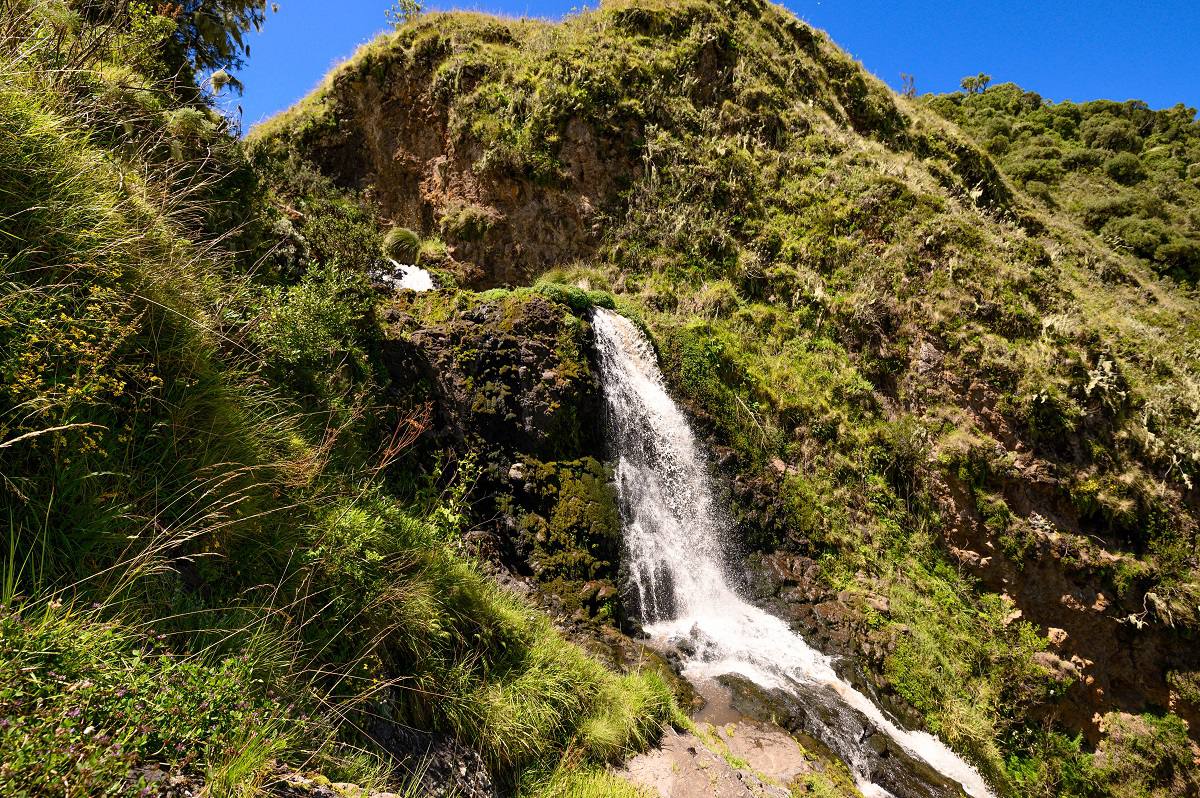
The crater’s crowning feature is the Munge Waterfall, which plunges from the caldera’s edge into a deep gorge before flowing on as the Munge River, one of the main water sources for Ngorongoro Crater below. The cool highland air, rich birdlife and dramatic scenery make Olmoti a rewarding stop for hikers, photographers and nature lovers. Combined with authentic encounters with Maasai communities, it offers a peaceful, off-the-beaten-path experience and a perfect complement to a classic Ngorongoro safari.
Munge Waterfall
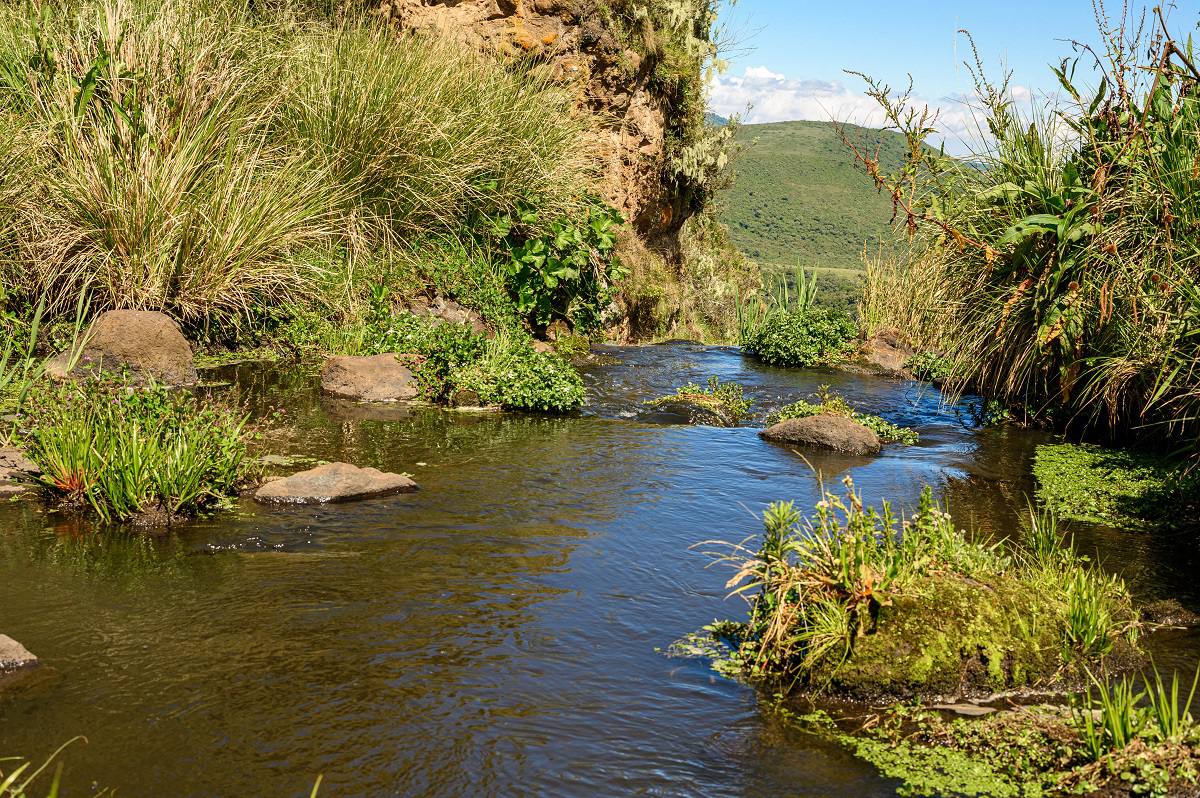
The crown jewel of Olmoti, the Munge Waterfall plunges dramatically from the caldera’s edge into a deep, fern-lined gorge surrounded by thick greenery. The roar of falling water and the cool mist rising from the gorge create a refreshing, almost magical atmosphere. The falls give rise to the Munge River, which winds its way down the highlands to become one of the main water sources for Ngorongoro Crater and its lakes and swamps. Standing at the viewpoint, visitors gain a real sense of how this remote highland crater sustains one of Africa’s most famous wildlife havens below. The waterfall is at its most powerful during and just after the rainy seasons.
Crater Rim Hike
The adventure begins at Nainokanoka village, where visitors meet their armed ranger before setting out on foot. The walk to the rim takes about an hour and follows a gentle but steady climb through montane forest, open slopes and grassy clearings. Along the way, rangers share knowledge about the area’s plants, animal tracks, birdlife and Maasai traditions. On reaching the rim, the landscape opens into a sweeping view of the caldera, with rolling hills and distant volcanic peaks of the Crater Highlands stretching to the horizon. The hike is suitable for most fitness levels, though good walking shoes and a steady pace are recommended due to the altitude.
Uncrowded Wilderness
While Ngorongoro Crater can be busy with safari vehicles, Olmoti remains one of the quietest corners of the Conservation Area. Its remote location and walking-only access keep visitor numbers low, allowing guests to enjoy true solitude in nature. The silence is broken only by the wind sweeping across the grasslands, the calls of birds and the soft clanging of Maasai cattle bells. It is a place to slow down, breathe deeply and experience the highlands as they have been for centuries.
Highland Wildlife
Although Olmoti is not a classic game-viewing destination, it supports a fascinating range of highland wildlife. Large herds of eland, Africa’s largest antelope, are often seen grazing on the crater floor, along with Cape buffalo, Bohor reedbuck, bushbuck and common duiker. Plains zebra sometimes wander through the grasslands, while spotted hyena and black-backed jackal patrol the area. In the forested slopes, the elusive leopard and serval are present, though sightings are rare and memorable. Encountering wildlife on foot, rather than from a vehicle, adds an exciting and intimate dimension to the experience.
Rich Birdlife
Olmoti is a hidden gem for birdwatchers, offering a mix of forest, grassland and cliff-dwelling species. Raptors such as the Augur Buzzard, Verreaux’s Eagle and Rüppell’s Vulture ride the thermals above the crater, while the rare Lammergeier is occasionally spotted along the cliffs. Grey Crowned Cranes stride elegantly through the grasslands, and the forests are alive with Hartlaub’s and Schalow’s Turacos, Silvery-cheeked Hornbills and Cinnamon-chested Bee-eaters. Colourful Golden-winged, Tacazze and Malachite Sunbirds feed on flowering plants, making the area a delight for both keen birders and casual nature lovers.
Maasai Culture
The Ngorongoro Conservation Area is unique in allowing people, wildlife and livestock to share the land, and Olmoti is a beautiful example of this coexistence. Maasai herders, dressed in their vibrant red shukas, bring their cattle, goats and sheep to graze on the crater’s rich grasslands just as their ancestors have for generations. Visits to Nainokanoka village offer an authentic glimpse into traditional pastoral life, including bomas (homesteads), livestock management, beadwork, songs and daily routines. These encounters provide meaningful cultural exchange and a deeper understanding of how the Maasai live in harmony with their environment.
Diverse Vegetation
Olmoti’s varied altitude and rainfall create several distinct vegetation zones within a short distance. The outer slopes are covered in montane forest, where trees are draped in hanging lichens known as “old man’s beard,” a sign of the clean, moist highland air. Closer to the rim, the forest thins into heath and shrubland dotted with wildflowers. The crater floor is a wide expanse of open grassland, kept short by grazing wildlife and Maasai livestock. Along the Munge River and waterfall gorge, lush ferns, mosses and riverine plants thrive in the constant moisture, creating a vivid green oasis.
Spectacular Scenery and Photography
Olmoti offers some of the most striking landscapes in the Crater Highlands. Early mornings often bring rolling mist that drifts across the caldera and slowly lifts to reveal emerald grasslands and dramatic cliffs. The contrast between dark forest, golden grass, blue highland skies and the white cascade of the waterfall makes it a dream for photographers. Panoramic views from the rim stretch across volcanic peaks and valleys, while scenes of Maasai herders moving cattle through the crater add a powerful human element to every shot.
Cool Highland Climate
Sitting at around 3,000 metres above sea level, Olmoti enjoys a cool, refreshing climate throughout the year. Daytime temperatures usually range between 15°C and 20°C, making hiking pleasant, while nights and early mornings can be cold, sometimes dropping close to freezing. The dry season from June to October offers the clearest skies and firmest trails, while the green seasons bring lush landscapes and a fuller waterfall. Visitors should pack warm layers, a rain jacket and sturdy footwear regardless of the season.
Perfect Safari Add-On
Olmoti fits easily into a northern Tanzania safari itinerary and pairs beautifully with a game drive in Ngorongoro Crater. It can also be combined with a visit or trek to the stunning Empakaai Crater, with its soda lake and flamingos, or form part of a longer walking route through the Crater Highlands toward Lake Natron. Adding Olmoti to a safari brings a welcome balance of active exploration, cultural connection and quiet wilderness, complementing the classic wildlife experiences of the Serengeti and Ngorongoro.
Activities in Olmoti Crater
- Guided hike to the crater rim with an armed ranger
- Visit the Munge Waterfall cascading from the crater edge
- Wildlife spotting: eland, buffalo, bushbuck and reedbuck
- Birdwatching in the highland forest and grasslands
- Maasai cultural encounters with herders and the nearby Nainokanoka village
- Photography of sweeping Crater Highlands views
- Picnic lunch on the rim, away from the safari crowds
Year-Round Weather in Olmoti Crater
Want to see more? This video is worth watching
Related Trips
Discover Tanzania
Your questions answered
Where is Olmoti Crater located?
Olmoti Crater sits in the Crater Highlands of the Ngorongoro Conservation Area in northern Tanzania, roughly a 45 to 60-minute drive north of the Ngorongoro Crater rim. The trailhead is at the Maasai village of Nainokanoka. From our base in Arusha, the journey to Olmoti takes around four to five hours by road, so we usually plan it as part of a wider Ngorongoro or Crater Highlands safari rather than a day trip.
How do I get to Olmoti Crater?
Access is by 4x4 safari vehicle along rough highland tracks from the Ngorongoro Crater rim. Our experienced driver-guides know these roads well and handle all the driving, which can be challenging, especially in the rainy season. At Nainokanoka, you meet an armed Ngorongoro Conservation Area ranger who guides you on foot to the crater rim and waterfall.
How long and difficult is the hike?
The walk from Nainokanoka to the crater rim takes about one hour, with an additional 30 to 60 minutes to reach the Munge Waterfall viewpoint, depending on pace and stops. Most visitors spend two to four hours on the full excursion. The trail is moderate, with a steady climb but no technical sections. Because Olmoti sits at around 3,000 metres, you may feel slightly short of breath, so we recommend a relaxed pace, plenty of water and regular rest stops. Anyone with average fitness can enjoy the hike.
Do I need a guide or ranger to visit?
Yes. Walking in the Ngorongoro Conservation Area requires an armed ranger, as wildlife such as buffalo roam freely in the highlands. iTour Tanzania arranges the ranger, permits and walking fees in advance, so you can simply arrive and enjoy the experience.
What is the best time to visit Olmoti Crater?
Olmoti can be visited year-round. The dry season from June to October offers the clearest skies, firm trails and the best conditions for hiking and photography. The green seasons, particularly November to December and March to May, bring lush scenery and a more powerful Munge Waterfall, though trails can be muddy and views may be hidden by mist or cloud. January and February are also excellent, with warmer days and fewer visitors.
What is the weather like at Olmoti?
Olmoti has a cool highland climate. Daytime temperatures typically range from 15°C to 20°C, while early mornings and nights can drop close to freezing, especially between June and August. Mist is common in the mornings and rain can arrive quickly in the wet seasons. We always advise guests to pack warm layers, a waterproof jacket and sturdy footwear.
What wildlife can I see at Olmoti?
Olmoti is not a classic game-drive destination, but it offers rewarding wildlife encounters on foot. Commonly seen animals include eland, Cape buffalo, bushbuck, Bohor reedbuck and common duiker. Plains zebra, spotted hyena and black-backed jackal are occasionally spotted, while leopard and serval live in the area but are rarely seen. Birders can look out for Augur Buzzard, Verreaux’s Eagle, Grey Crowned Crane, turacos and several species of sunbird.
Can I meet the Maasai at Olmoti?
Yes. Maasai herders graze their cattle, goats and sheep inside and around the crater, and the hike begins at the Maasai village of Nainokanoka. On request, we can arrange a respectful cultural visit to a local boma, where you can learn about traditional homesteads, livestock, customs, beadwork and daily life. Please ask your guide before taking photographs of people.
Is Olmoti suitable for children and older travellers?
Olmoti is suitable for families with children who are comfortable walking for a couple of hours, as well as active older travellers. The pace is flexible, and our guides adjust the walk to suit your group. For very young children or travellers with limited mobility, we can recommend shorter walks or alternative experiences in the Ngorongoro area.
What should I pack for the hike?
We recommend comfortable hiking shoes or boots with good grip, warm layers such as a fleece and light jacket, a waterproof rain jacket, a hat and sunglasses, sunscreen, a refillable water bottle, snacks, and a camera or binoculars. A small daypack is ideal for carrying your essentials. In the cooler months, gloves and a warm hat are useful for early starts.
Where can I stay when visiting Olmoti?
Most guests stay on or near the Ngorongoro Crater rim, which places them within easy reach of both Ngorongoro Crater and Olmoti. For a more remote experience, there are also highland campsites in the Crater Highlands. As with all our trips, iTour Tanzania offers budget, mid-range and luxury accommodation options for each night, so you can choose the style that suits you best.
Can Olmoti be combined with other destinations?
Absolutely. Olmoti pairs perfectly with a game drive in Ngorongoro Crater and is often combined with a visit to Empakaai Crater, known for its soda lake and flamingos. For adventurous travellers, it can form part of a multi-day Crater Highlands trek toward Lake Natron and Ol Doinyo Lengai. It also fits easily into longer safaris including the Serengeti, Tarangire and Lake Manyara.
How long should I spend at Olmoti?
Half a day is enough to hike to the rim, visit the Munge Waterfall and enjoy the views. However, because of travel times in the Crater Highlands, we recommend including Olmoti in a safari of at least five days, allowing enough time to combine it comfortably with Ngorongoro Crater and other highlights without rushing.
Are there park fees for Olmoti?
Yes. Visiting Olmoti requires Ngorongoro Conservation Area entry fees, along with walking and ranger fees. These are included in all iTour Tanzania packages that feature Olmoti, so there are no hidden costs on the day. Fees are set by the Ngorongoro Conservation Area Authority and may change, so we always confirm the latest rates when preparing your quote.
How much does a trip to Olmoti cost?
The cost depends on your travel dates, group size, length of safari and choice of accommodation. Because every iTour journey is tailored to your preferences, please request a quote and our team will design a personalised itinerary with transparent pricing.
Why book Olmoti with iTour Tanzania?
As a Tanzanian-owned company based in Arusha, with a team bringing up to 15 years of experience in tour operations, we know the Crater Highlands intimately. We specialise in combining famous highlights like Ngorongoro with lesser-known gems such as Olmoti, creating private and small-group journeys that feel authentic rather than mass-market. From permits and rangers to accommodation and expert guiding, we take care of every detail so you can simply Discover Tanzania, Authentically.