
Destination
Mkomazi National Park
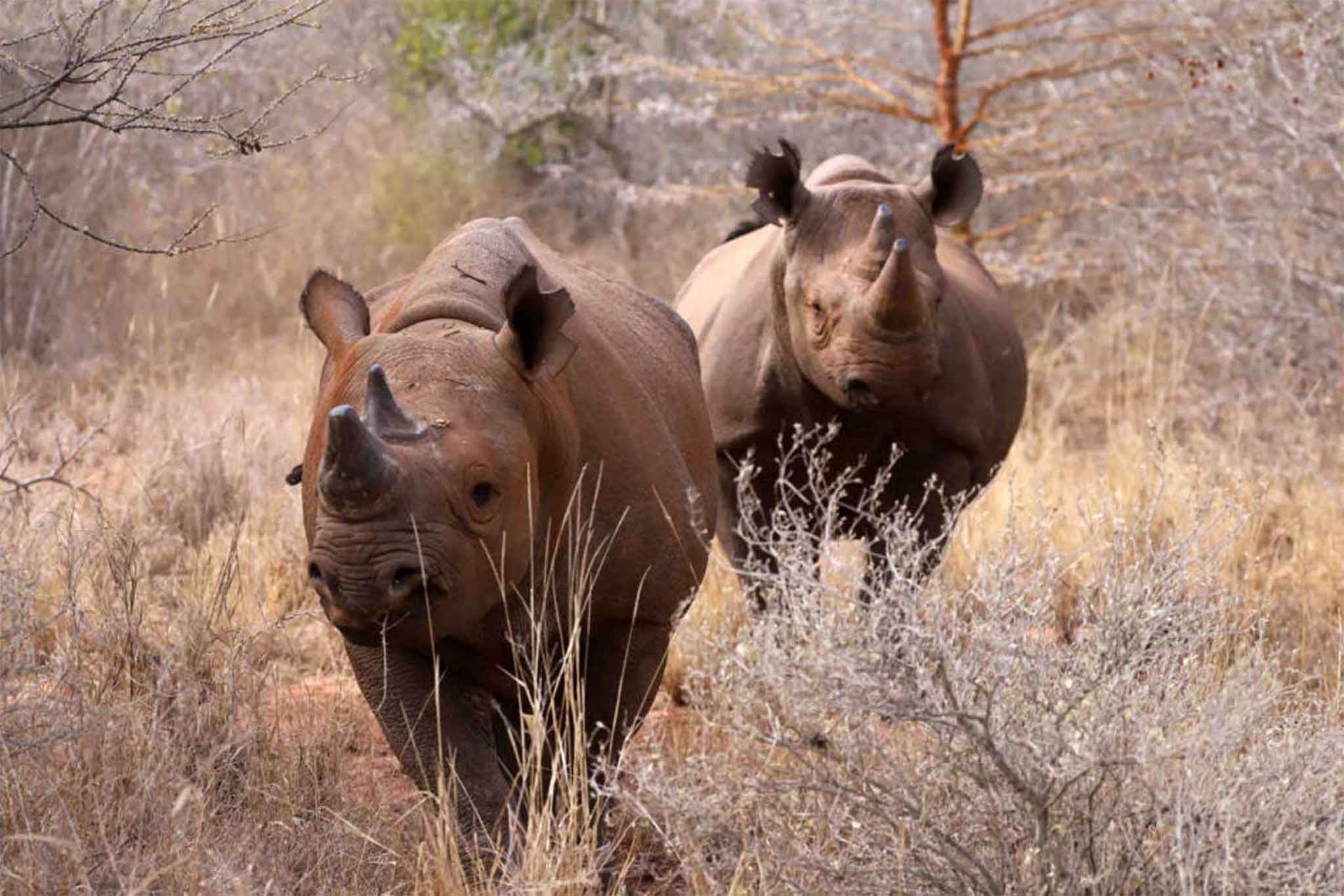
Home to critically endangered black rhinos and African wild dogs, Mkomazi National Park offers a wild, uncrowded escape into semi-arid savanna beneath views of Kilimanjaro and the Pare and Usambara Mountains.
Destination Overview
Mkomazi National Park covers about 3,234 square kilometers of semi-arid savanna in northeastern Tanzania, straddling the Kilimanjaro and Tanga regions along the Kenyan border, roughly 252 km (about 4 hours) from Arusha and 172 km from Moshi. Protected as a game reserve since 1951 and upgraded to full national park status in 2006, Mkomazi is contiguous with Kenya's Tsavo West National Park, forming part of one of East Africa's largest cross-border conservation landscapes. Its rugged terrain of acacia-commiphora bush, baobabs, and rocky hills opens onto sweeping views of Kilimanjaro and the Pare Mountains, giving it a strikingly different character from the greener parks of the main northern circuit.
What sets Mkomazi apart is its role as one of Tanzania's most important conservation success stories, home to a closely protected black rhino sanctuary and an African wild dog breeding program built up over decades by conservationist Tony Fitzjohn, who took on the park's restoration after the death of his mentor George Adamson in 1989. Wildlife here leans toward dry-country specialists rarely seen elsewhere in Tanzania — fringe-eared oryx, gerenuk, and lesser kudu alongside giraffe, zebra, and eland — plus outstanding birding among more than 450 recorded species. Most visitors spend one to three nights, often combining Mkomazi with a Kilimanjaro climb or a Kenya-Tanzania border crossing, and while it's accessible year-round, the dry season from June to October offers the best wildlife viewing, with the greener March-to-May months rewarding photographers with clearer Kilimanjaro views.

The Mkomazi Black Rhino Sanctuary
At the heart of Mkomazi's appeal is its closely guarded black rhino sanctuary, established after black rhinos were reintroduced to the park in the 1990s following decades of poaching that had wiped them out across much of Tanzania. The sanctuary opened a dedicated tourist visitor section in 2021, giving travelers one of the more reliable and intimate opportunities in Africa to see black rhinos in a natural, actively protected setting.
African Wild Dog Conservation
Alongside its rhinos, Mkomazi runs a dedicated African wild dog breeding and reintroduction program, part of the same long-running conservation effort that has made the park a genuine stronghold for one of Africa's most endangered carnivores. While wild dog sightings in the open park remain uncommon, the sanctuary work here has been instrumental in rebuilding a species that had disappeared from much of its former range.
A Legacy of Rewilding: George Adamson and Tony Fitzjohn
Mkomazi's conservation story is tied closely to Tony Fitzjohn, who spent 18 years working alongside "Born Free" lion conservationist George Adamson in Kenya before taking on Mkomazi's restoration after Adamson's death in 1989. Fitzjohn went on to lead the park's rhino and wild dog rewilding programs for decades, turning a depleted, poached-out reserve into one of East Africa's most respected conservation projects.
Dry-Country Wildlife: Oryx, Gerenuk, and Lesser Kudu
Mkomazi's semi-arid Maasai steppe habitat supports a distinctive set of dry-adapted antelope rarely seen elsewhere on Tanzania's northern circuit, including the striking fringe-eared oryx, the long-necked gerenuk that browses standing on its hind legs, and the elegant lesser kudu. These species, along with healthy numbers of giraffe, zebra, and eland, give Mkomazi a genuinely different wildlife character from the wetter, greener parks further west.
Kilimanjaro and Pare Mountain Views
On clear days, Mkomazi's open acacia-commiphora bush and grassland offer sweeping views toward Mount Kilimanjaro and the Pare Mountains, framing game drives and camp sundowners with some of northern Tanzania's most dramatic scenery. The contrast between the flat, dry plains and the distant peaks is one of the park's most photogenic features.
Part of the Greater Tsavo Ecosystem
Mkomazi shares an unfenced border with Kenya's Tsavo West National Park, making it part of one of East Africa's largest transboundary conservation areas. This connection helps sustain the movement of wildlife across the border and links Mkomazi's conservation efforts to the wider Tsavo ecosystem's own long history of elephant and rhino protection.
Rugged, Baobab-Studded Scenery
The park's landscape of rocky hills, acacia-commiphora thicket, and scattered ancient baobab trees gives Mkomazi a rugged, untamed character distinct from the grassy plains of the Serengeti or Ngorongoro. It's classic dry-country Africa, and the kind of scenery that rewards travelers looking for something visually different from the rest of the northern circuit.
A Birder's Paradise: Over 450 Species
With more than 450 recorded bird species, Mkomazi ranks among Tanzania's premier birding destinations, particularly for northern dry-country specialists rarely seen elsewhere in the country. Look for common ostrich, kori bustard, secretary bird, martial eagle, and the striking vulturine guineafowl, alongside migratory species like the European roller between November and April.
Walking Safaris and Night Game Drives
Mkomazi offers activities that aren't available everywhere on the circuit, including guided walking safaris with an armed ranger and night game drives that reveal nocturnal wildlife rarely seen during the day. Both add a level of immersion and discovery that's hard to replicate from inside a vehicle during standard daytime drives.
One of Tanzania's Least-Crowded Parks
Perhaps Mkomazi's greatest luxury is simply space — visitors frequently go entire game drives without encountering another vehicle, a striking contrast to the Serengeti and Ngorongoro during peak season. For travelers who want genuine solitude alongside meaningful conservation work, Mkomazi delivers an experience that's increasingly rare on Tanzania's more popular routes.
Activities in Mkomazi National Park
- Game drives (morning, afternoon, and night drives for nocturnal species)
- Visiting the Mkomazi Rhino Sanctuary to see endangered black rhinos
- Walking safaris with an armed ranger
- Birdwatching (over 450 recorded species)
- Hiking safaris through forest pathways
- Camping at park campsites
- Photography of Kilimanjaro and Pare/Usambara Mountain views
- Wild dog viewing in their protected sanctuary area
Year-Round Weather in Mkomazi National Park
November and December bring the short rains, typically falling as afternoon showers rather than lasting all day, so they rarely disrupt game drives or walking safaris. January and February usually offer a shorter, drier interlude between the two rainy seasons, though the exact timing can shift somewhat from year to year.
The long rains arrive from March through May, the wettest and most humid stretch of the year, with more frequent — though rarely all-day — rainfall, cloudier skies, and slightly warmer conditions, with afternoon temperatures reaching around 29°C (84°F) and nights staying milder near 19°C (66°F). Despite the rain, this period rewards visitors with a greener landscape and some of the clearest views of Kilimanjaro on the horizon.
Want to see more? This video is worth watching
Related Trips
Discover Tanzania
Your questions answered
Where is Mkomazi National Park, and how far is it from Arusha or Moshi?
Mkomazi National Park sits in northeastern Tanzania, spanning the Kilimanjaro and Tanga regions along the Kenyan border. It's roughly 252 km (about 4 hours by road) from Arusha and around 172 km from Moshi, making it a feasible add-on if you're already exploring the Kilimanjaro side of the northern circuit.
How big is Mkomazi National Park?
Mkomazi covers about 3,234 square kilometers, formed from two former game reserves — Mkomazi in the west and Umba in the east — and upgraded to full national park status in 2006 after being protected as a reserve since 1951.
What is Mkomazi National Park known for?
Mkomazi is best known as one of Tanzania's most important conservation success stories, home to a protected black rhino sanctuary and an African wild dog breeding program, both species that have struggled elsewhere in East Africa. It's also known for dry-country wildlife you won't easily find on the main northern circuit, like fringe-eared oryx, gerenuk, and lesser kudu.
Is Mkomazi connected to Tsavo National Park in Kenya?
Yes — Mkomazi is contiguous with Kenya's Tsavo West National Park across the border, and together they form part of the same wider ecosystem, which helps explain the semi-arid landscape and shared wildlife species between the two parks.
Can I see black rhinos at Mkomazi?
Yes — Mkomazi's fenced, closely patrolled rhino sanctuary offers one of the more reliable opportunities in Africa to see black rhinos, which were reintroduced and are actively breeding there after conservation efforts began in the late 1980s. Visits to the sanctuary are typically arranged as part of a wider park visit.
Can I see African wild dogs at Mkomazi?
Mkomazi also runs a dedicated African wild dog sanctuary as part of the same long-running conservation program that protects the park's rhinos, though sightings of wild dogs in the wider park itself remain uncommon. It's one of relatively few places in Tanzania actively working to rebuild wild dog numbers.
Is Mkomazi good for Big Five or classic safari game viewing?
Not in the way the Serengeti or Ngorongoro are — lions, leopards, cheetahs, and hyenas are all rare here, elephants and buffalo are only occasional visitors, and there's no resident wildebeest population. Mkomazi's appeal lies elsewhere: dry-country antelope, giraffe, zebra, its rhino and wild dog conservation work, and outstanding birdlife, in a genuinely uncrowded setting.
How long should I plan to stay at Mkomazi?
Two to three nights is typically enough to properly explore the park, visit the rhino sanctuary, and fit in a walking safari or two, though it also works well as a shorter one- or two-night stop for travelers combining it with Kilimanjaro or a Kenya-Tanzania border crossing near Tsavo.
When is the best time to visit Mkomazi National Park?
The dry season from June to October offers the best wildlife viewing as animals concentrate around remaining water sources, while March to May brings green landscapes and clearer views of Kilimanjaro for photography, despite being the wetter period. The park is accessible year-round given its lower elevation.
What animals and birds can I expect to see at Mkomazi?
Expect Masai giraffe, plains zebra, eland, Coke's hartebeest, Grant's gazelle, and dry-country specialists like fringe-eared oryx, gerenuk, and lesser kudu, alongside black rhino in the sanctuary. Birders can look forward to over 450 recorded species, including ostrich, kori bustard, secretary bird, and the vulturine guineafowl, a rarity elsewhere in Tanzania.
Where can I stay near Mkomazi National Park?
Accommodation is more limited than on the main circuit, with a small number of lodges and camps near the Zange Gate area, where the rhino sanctuary's visitor center is also based. We match you with a property suited to your comfort level and budget as part of your itinerary.
Can I combine Mkomazi with Kilimanjaro or the northern circuit, and are there fees?
Yes — Mkomazi pairs naturally with a Kilimanjaro climb or a broader northern circuit itinerary, given its position near Moshi and the Kenyan border. Like all Tanzania National Parks Authority parks, Mkomazi charges entrance and activity fees, which we build directly into your itinerary quote.