
Destination
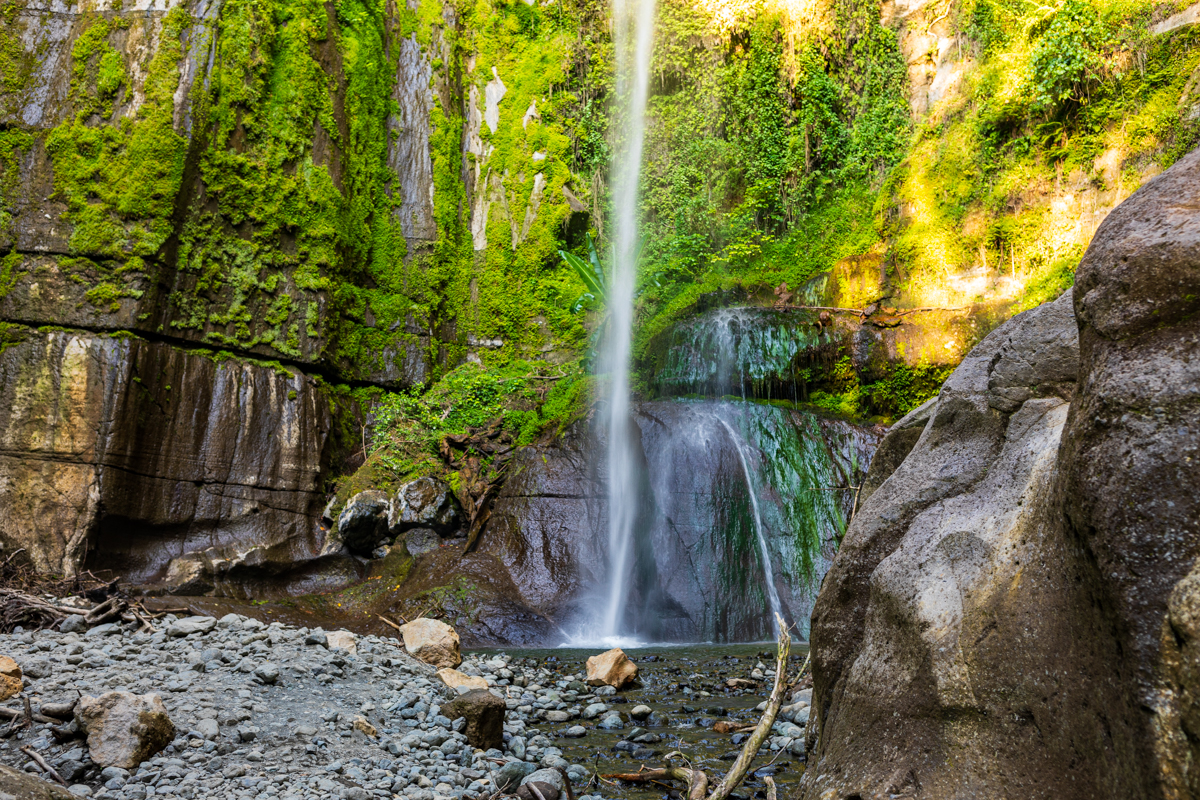
Meru Forest (Napuru Waterfalls)
On the lower slopes of Mount Meru, a short drive from Arusha, a gentle trail leads through villages and the shaded Mount Meru Forest Reserve, alive with birds and monkeys. The final stretch follows the river to the falls, where you can wade, relax and cool off with a dip. An easy half-day walk, perfect before or after a safari.
Destination Overview
On the lower slopes of Mount Meru, just a 20 to 30 minute drive from Arusha, the Meru Forest offers a quiet green world far removed from the bustle of town. The journey begins with a walk through small farming villages, where the hillsides are dotted with homesteads and cultivated plots, and friendly greetings from locals set a warm tone for the day. From there, the trail enters the Mount Meru Forest Reserve, a lush montane forest of towering trees, tangled vines and cool, filtered light. Monkeys move through the canopy overhead, while the forest echoes with the calls of turacos, hornbills, sunbirds and other colourful birds, making it a rewarding stop for nature lovers and photographers alike.
The highlight of the walk is the approach to the Napuru Waterfalls. The final stretch follows the river itself, and many visitors slip off their shoes to wade barefoot through its clear, gentle waters, an experience that feels both refreshing and grounding. At the end, the falls tumble into cool pools surrounded by greenery, perfect for a swim, a riverside picnic or simply a moment of rest before the return walk. The hike is easy to moderate and takes around two hours, making Meru Forest an ideal half-day escape for families, couples and solo travellers, and a perfect way to stretch your legs before or after a safari or a Mount Meru climb.

The Napuru Waterfalls
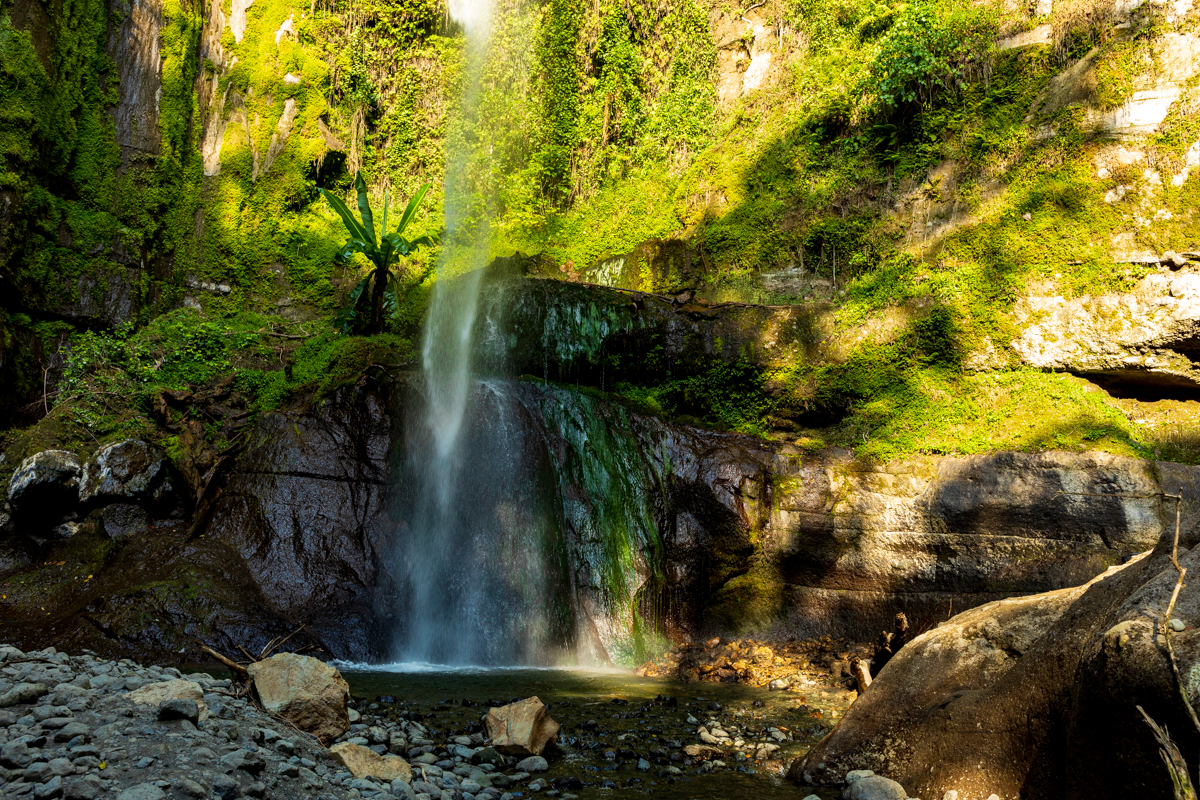
The crowning moment of any visit to Meru Forest is arriving at the Napuru Waterfalls, where fresh mountain water spills over rock into clear, cool pools framed by thick greenery. The sound of falling water fills the air, the spray cools the skin after the walk, and the setting feels wonderfully secluded despite being so close to Arusha. Visitors can sit on the rocks, take in the scenery, capture photos of the cascade, or simply enjoy a peaceful pause before the return hike.
Wading Along the River Trail
One of the most memorable parts of the experience is the final stretch to the falls, which follows the river itself. Many walkers remove their shoes and wade barefoot through the shallow, gentle water, feeling the cool current and smooth stones underfoot. It is a playful, refreshing and grounding way to approach the waterfall, and it gives the walk a sense of adventure that sets Napuru apart from an ordinary forest hike.
A Swim in the Natural Pools
The pools at the base of the falls invite a refreshing dip, especially on a warm day or after the climb through the forest. Swimming beneath the waterfall surrounded by trees and birdsong is a simple pleasure that guests often describe as the highlight of their day, and it makes a welcome contrast to long hours spent in a safari vehicle.
The Montane Forest of Mount Meru
The trail passes through the Mount Meru Forest Reserve, a lush montane forest of towering indigenous trees such as African pencil cedar, podocarpus and wild figs. Vines, mosses and lichens hang from the branches, ferns carpet the forest floor, and soft light filters through the canopy, creating a cool and almost magical atmosphere. It is a striking change of scenery from the open savannahs of northern Tanzania and offers a glimpse into the rich ecosystems that cloak Mount Meru’s slopes.
Monkeys and Forest Wildlife
The forest is home to lively troops of monkeys that can often be seen leaping between branches or watching curiously from the canopy as walkers pass below. Keeping an eye on the trees and listening for rustling leaves adds an element of discovery to the hike, and an experienced guide can help spot and identify the forest’s residents along the way.
Birdwatching in a Montane Habitat
Meru Forest is a rewarding stop for birdwatchers, with montane species such as Hartlaub’s Turaco, Silvery-cheeked Hornbill, Narina Trogon, Cinnamon-chested Bee-eater and a variety of sunbirds among the birds that may be seen or heard. Early mornings are especially productive, when the forest is cool and alive with calls, and even casual visitors often find themselves pausing to admire a flash of colour in the treetops.
Village Life on the Slopes of Mount Meru
The walk begins among small farming villages on the lower slopes of the mountain, where homesteads sit among banana groves, maize fields and smallholder plots. Passing through these communities offers a genuine glimpse of everyday rural life, from farmers tending crops to children greeting visitors along the path, and adds a warm cultural dimension to the nature experience.
Views Over Arusha and the Mountain
As the trail climbs, it opens up views back over Arusha and the surrounding countryside, with the forested shoulders of Mount Meru rising above. These viewpoints make excellent photo stops and help visitors appreciate the dramatic landscape that shapes the region.
An Easy, Accessible Escape from Arusha
Located just 20 to 30 minutes from Arusha, Meru Forest is one of the closest and most rewarding nature escapes from town. The hike is easy to moderate and takes around two hours, making it suitable for families, couples, solo travellers and anyone wanting to stretch their legs. It fits easily into a free half-day, works perfectly as an arrival or departure day activity, and pairs naturally with a safari, a Mount Meru climb or a Kilimanjaro trek.
Photography and Picnics in Nature
From misty forest scenes and moss-draped trees to the cascading falls and riverside reflections, Meru Forest is a photographer’s delight. Many visitors also choose to bring a packed lunch and enjoy a relaxed picnic by the river, turning the walk into a leisurely day in nature away from the crowds.
Activities in Meru Forest (Napuru Waterfalls)
- Guided forest hike to the Napuru Waterfalls
- Wading barefoot along the river trail
- Swimming in the cool pools beneath the falls
- Birdwatching
- Monkey spotting
- Village walks and meeting local communities
- Nature and landscape photography
- Picnics by the river
- Camping
Year-Round Weather in Meru Forest (Napuru Waterfalls)
Want to see more? This video is worth watching
Related Trips


Discover Tanzania
Your questions answered
Where is Meru Forest located?
Meru Forest lies on the lower slopes of Mount Meru, within the Mount Meru Forest Reserve, just outside Arusha in northern Tanzania. The trailhead is around 20 to 30-minute drive from Arusha city, making it one of the closest and most accessible nature escapes in the region. Our team at iTour Tanzania is based in Arusha, so we know the area well and can arrange a smooth, hassle-free trip from your hotel.
How do I get to Meru Forest?
iTour Tanzania provides round-trip transfers from your hotel or lodge in and around Arusha. Your driver will take you to the starting point of the hike, where you will meet your guide. After the walk, we will return you to your accommodation, or we can connect you directly to your next activity, whether that’s a safari departure, a climb, or an airport transfer.
How long is the hike to the Napuru Waterfalls?
The guided walk to the falls and back typically takes around two hours, though most guests allow a half day in total to include transfers, time at the waterfall, swimming and a relaxed pace. If you’d like to add a picnic or extra time for birdwatching and photography, we’re happy to extend the outing to suit you.
How difficult is the hike?
The hike is easy to moderate and suitable for most people with a basic level of fitness. The trail includes some gentle climbs through the forest and a stretch along the river where you’ll wade through shallow water. Paths can become slippery after rain, so good footwear and a steady pace are recommended. Our guides walk at a comfortable speed and adjust to your group’s needs.
Is the hike suitable for children and families?
Yes. Meru Forest is a wonderful family outing, and children generally love the river wading and the chance to spot monkeys. We recommend it for children who are comfortable walking for a couple of hours, and our guides keep a close eye on younger walkers, especially near the water. For families with very young children, we can tailor a shorter, gentler route.
Do I need a guide?
We strongly recommend going with a guide. The trail passes through villages, forest and river sections that are not always clearly marked, and a local guide ensures your safety, knows the best route depending on water levels, and brings the experience to life by pointing out birds, monkeys, plants and stories about the area and its communities. All iTour Tanzania visits to Meru Forest are fully guided.
Can I swim at the waterfalls?
Yes, the pools at the base of the Napuru Waterfalls are a popular spot for a refreshing dip. The water is cool and clear, and swimming is one of the highlights of the visit. Your guide will advise on safe areas depending on the current water level, and during or just after heavy rains swimming may not be recommended. Bring swimwear and a small towel if you plan to swim.
What wildlife can I see in Meru Forest?
The forest is home to lively monkeys that are often seen in the canopy, as well as a rich variety of birdlife. Montane species such as Hartlaub’s Turaco, Silvery-cheeked Hornbill, Narina Trogon, Cinnamon-chested Bee-eater and several sunbirds may be spotted. Sightings vary with season and time of day, and early mornings tend to be the most rewarding.
What is the best time of year to visit?
Meru Forest can be visited year-round, but the dry seasons from June to October and from late December to February offer the best walking conditions, with firmer trails and calmer river crossings. The long rains from March to May make paths muddy and slippery and can raise the river, while the short rains in November are usually lighter and leave the forest beautifully green. Just after the rains, the waterfall is at its fullest.
What is the best time of day to go?
We recommend a morning visit. Temperatures are cooler, birds and monkeys are more active, and you’re less likely to encounter afternoon showers, particularly during the rainy months. Morning visits also leave your afternoon free for other activities or rest.
What should I bring?
We suggest comfortable walking or hiking shoes, sandals or water shoes for the river section, swimwear and a small towel, a light jacket or long sleeves for the cool forest shade, insect repellent, sunscreen, a hat, drinking water, and a camera or binoculars. A small daypack is useful for carrying your essentials. In the rainy season, a light rain jacket is also a good idea.
Can I combine Meru Forest with other activities?
Absolutely. Because it’s so close to Arusha, Meru Forest fits easily into a free half-day and works perfectly on an arrival or departure day. Many of our guests pair it with a safari to Arusha National Park, Tarangire, Lake Manyara, Ngorongoro or the Serengeti, or use it as a warm-up walk before climbing Mount Meru or Kilimanjaro. It can also be combined with a cultural visit or coffee farm tour around Arusha.
Will I visit local communities on the way?
Yes. The walk begins among small farming villages on the slopes of Mount Meru, giving you a glimpse of everyday rural life. Your guide can share insights into local farming, customs and daily routines, and you’ll often meet friendly villagers along the path. We ask guests to be respectful and to ask before taking photos of people.
Is it safe?
Yes. Meru Forest is a peaceful area, and visits with iTour Tanzania are led by experienced local guides who know the trails, the river conditions and the community well. As with any outdoor activity, we ask guests to follow their guide’s instructions, take care on slippery sections, and avoid swimming when the water is high.
How much does the Meru Forest trip cost?
Pricing depends on your group size, pickup location, travel dates and whether you’d like to add extras such as a picnic lunch or a combined activity. Please request a quote, and our team will put together a tailored price for you.
Why book Meru Forest with iTour Tanzania?
iTour Tanzania is a Tanzanian-owned tour operator based in Arusha, with a team bringing up to 15 years of experience in tour operations. We know Meru Forest and its surroundings first-hand, work with trusted local guides, and design every outing around your interests and pace. Whether you’re adding a half-day nature escape to your safari or looking for something new near Arusha, we’ll make sure your visit to Meru Forest is relaxed, authentic and memorable.