
Destination
Materuni Village
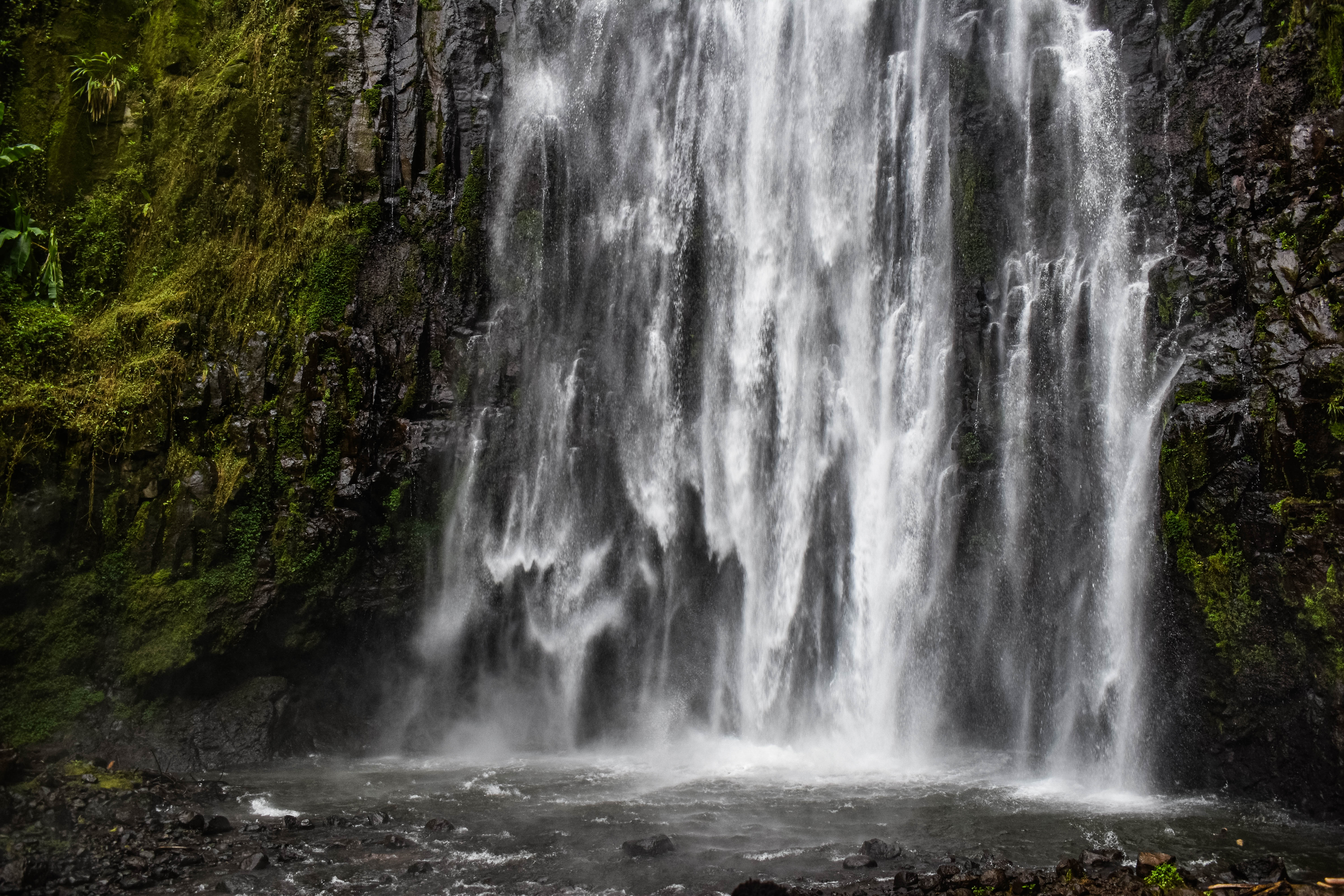
Nestled on Kilimanjaro’s lush foothills near Moshi, Materuni is a welcoming Chagga village known for its stunning waterfall and hands-on coffee experience. Walk through banana and coffee farms, cool off beneath the falls, then roast and grind fresh coffee with local families. It’s a true taste of rural Tanzanian life.
Destination Overview
Materuni is a small, welcoming Chagga village set on the lush lower slopes of Mount Kilimanjaro, about 15 kilometres from the town of Moshi. Surrounded by rolling hills, banana groves and shaded coffee farms, the village offers a peaceful escape from the bustle of town and a genuine glimpse into rural Tanzanian life. Its crowning attraction is the Materuni Waterfall, a striking cascade that tumbles down a sheer, fern-draped cliff into a cool rock pool. The walk to the falls winds through farmland and forest along the village’s footpaths, passing streams and homesteads, with local guides sharing stories about the land, its plants and the Chagga people who have farmed these slopes for generations.
Beyond its natural beauty, Materuni is celebrated for its rich coffee culture. Visitors are invited into local homes to take part in the traditional coffee process, from picking ripe cherries and peeling the beans to roasting them over an open fire and pounding them by hand in a wooden mortar, often to the rhythm of lively Chagga songs. The experience ends with a freshly brewed cup, enjoyed with views of Kilimanjaro on clear days. Many visits also include a home-cooked local lunch and a taste of mbege, the traditional banana beer, making Materuni a rewarding blend of nature, culture and warm hospitality.

Materuni Waterfall
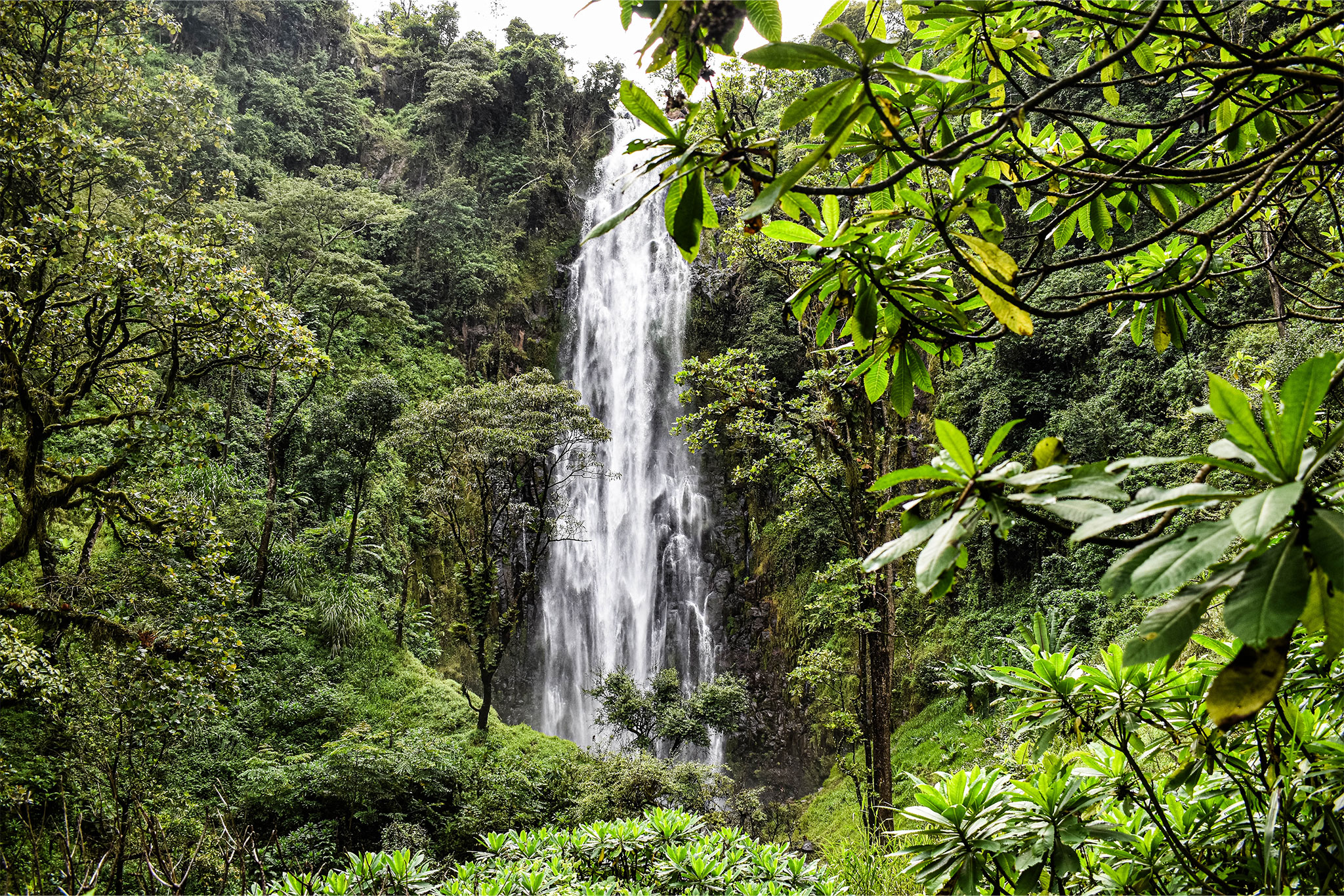
The crown jewel of the village, Materuni Waterfall drops roughly 80 to 90 metres down a steep cliff face covered in ferns, moss and hanging vines, making it one of the tallest and most beautiful waterfalls in the Kilimanjaro region. Reaching it takes about 45 minutes to an hour on foot along a winding trail that passes farms, streams and small wooden bridges, with the sound of rushing water growing louder as you approach. At the base, a cool natural pool invites the brave to swim, while others can simply relax on the rocks, feel the misty spray and take in the peaceful surroundings. The falls are fed by streams flowing down from Kilimanjaro, and they are at their fullest and most dramatic after the rainy seasons.
Traditional Chagga Coffee Experience
Coffee has been a way of life on Kilimanjaro’s slopes for over a century, and Materuni is one of the best places to experience it first-hand. Hosted by local farming families, the tour follows the journey of Arabica coffee from bush to cup: you’ll walk through the coffee plots, learn how the plants are grown in the shade of banana and fruit trees, and pick ripe red cherries in season. The beans are then hulled, roasted over a wood fire in a clay or metal pan, and pounded by hand in a large wooden mortar, often accompanied by energetic Chagga songs and dancing that turn the work into a celebration. The experience ends with a freshly brewed cup of rich, aromatic coffee, and many families also sell their homegrown beans, giving visitors a chance to take a taste of Kilimanjaro home while supporting the community directly.
Scenic Farm and Forest Walks
Materuni’s footpaths offer a relaxed and rewarding way to explore the village. The trails wind through dense banana groves, coffee farms and vegetable gardens before entering patches of cool montane forest, crossing clear streams and passing traditional homesteads along the way. Local guides point out crops such as bananas, beans, maize, avocado and yams, as well as plants traditionally used for medicine and building. The walks are suitable for most fitness levels, though some sections can be steep and slippery after rain, so good walking shoes are recommended.
Chagga Culture and Hospitality
The Chagga people are one of Tanzania’s largest and most prosperous ethnic groups, known for their skilled farming, strong community ties and entrepreneurial spirit. In Materuni, visitors gain an authentic look at their way of life, from traditional farming methods and the family-centred “kihamba” home gardens that mix bananas, coffee and other crops, to stories of Chagga history, beliefs and customs passed down through generations. The warmth of the villagers, who greet guests with smiles and invitations into their homes, is often what visitors remember most.
Local Cuisine and Mbege
Many tours include a home-cooked lunch prepared by local families, featuring Chagga favourites such as plantain and meat stew, rice, beans, ugali and fresh greens from the garden. For something truly local, visitors can taste mbege, the traditional Chagga brew made from fermented bananas and finger millet. Mbege plays an important role in Chagga celebrations and social gatherings, and sharing it is a sign of friendship and welcome.
Views of Mount Kilimanjaro
Set on the southern slopes of Africa’s highest mountain, Materuni offers lovely views of Kilimanjaro on clear days, with its peaks rising above the green hills and farmland. Early mornings usually provide the best visibility before clouds gather around the summit, making it a great time for photography and quiet reflection.
Birdlife and Nature
The village’s mix of farmland, forest and streams creates a rich habitat for wildlife, especially birds. Look out for the striking Hartlaub’s Turaco with its crimson wing flashes, the large Silvery-cheeked Hornbill, Augur Buzzards soaring overhead, and colourful sunbirds darting among flowering plants. Butterflies, chameleons and small monkeys may also be spotted, making the walks enjoyable for nature lovers and photographers alike.
Easy Day Trip from Moshi
Materuni is located about 15 km from Moshi town, roughly a 30 to 45 minute drive along rural roads that climb gradually through farmland and small villages. This makes it a perfect half-day or full-day excursion, ideal for travellers acclimatising before a Kilimanjaro climb, relaxing after a trek or adding a cultural experience to a safari itinerary. Combined tours often pair Materuni with nearby attractions such as hot springs or other Kilimanjaro villages for a full day of exploration.
Activities in Materuni Village
- Hike through banana and coffee farms
- Visit and swim at Materuni Waterfall
- Join a traditional Chagga coffee tour (picking, roasting, grinding, tasting)
- Learn about Chagga culture and village life
- Enjoy a traditional local lunch
- Take in views of Mount Kilimanjaro on clear days
- Try local banana beer (mbege)
- Bird watching and nature photography
Year-Round Weather in Materuni Village
Want to see more? This video is worth watching
Related Trips
Discover Tanzania
Your questions answered
Where is Materuni Village located?
Materuni is a Chagga village on the southern slopes of Mount Kilimanjaro in northern Tanzania, about 15 km north of Moshi town. It sits at roughly 1,200 to 1,600 metres above sea level, surrounded by banana and coffee farms, streams and patches of montane forest.
How do I get to Materuni from Moshi?
The drive from Moshi takes about 30 to 45 minutes along rural roads that climb gradually through farmland and small settlements. Most visitors travel with a tour operator who arranges transport, a local guide and village fees. It’s also possible to go by taxi or bajaji (tuk-tuk), but the last stretch can be rough, particularly after rain, so a 4x4 is the more comfortable option in the wet season.
How long does a Materuni tour take?
A typical visit lasts half a day (around 4 to 6 hours including transport), covering the waterfall hike and the coffee experience. A full-day tour allows extra time for a village walk, a traditional lunch, and a relaxed pace, or for combining Materuni with nearby attractions such as hot springs.
How difficult is the hike to the waterfall?
The walk is moderate and suitable for most people with reasonable fitness. It takes about 45 minutes to an hour each way, with some steep ups and downs, uneven steps and a few stream crossings. The trail can become muddy and slippery during the rains, so good walking shoes and a careful pace are important. Guides adjust the speed to the group.
Can I swim at Materuni Waterfall?
Yes, swimming in the pool at the base of the falls is allowed and popular. The water is very cold, as it flows down from Kilimanjaro, and the current near the falling water can be strong, especially after heavy rain. Always follow your guide’s advice on where it’s safe to swim.
What happens during the coffee tour?
Local farmers guide you through the full traditional coffee process. You’ll learn how Arabica coffee is grown among banana and shade trees, pick ripe cherries when in season, remove the husks, roast the beans over a fire, and grind them by hand in a wooden mortar, usually while singing traditional Chagga songs. The tour ends with tasting the freshly brewed coffee, and you can usually buy locally grown beans to take home.
What is the best time to visit Materuni?
The dry seasons, from June to October and January to February, offer the best conditions, with firmer trails and clearer views of Kilimanjaro. The long rains (March to May) make the waterfall more powerful but the paths muddier. The short rains (November to December) usually bring brief afternoon showers. Morning visits give the best chance of seeing Kilimanjaro before clouds build up.
What should I bring?
Comfortable walking shoes or hiking boots with good grip, a light rain jacket, sunscreen, a hat, insect repellent, drinking water, a swimsuit and small towel if you plan to swim, a change of clothes, and a camera. Some cash in Tanzanian shillings is useful for tips, buying coffee or crafts, and small purchases in the village.
How much does a Materuni tour cost?
Prices vary depending on group size, transport, inclusions (such as lunch) and whether the tour is half-day or full-day. Packages usually include transport, a guide, village and waterfall fees, and the coffee experience. It’s best to confirm current rates directly with us, as group bookings are often cheaper per person.
Is Materuni suitable for children and older travellers?
Yes, families and older visitors regularly enjoy Materuni. The coffee experience and village visit are easy and fun for all ages. The waterfall hike involves some steep and uneven sections, so young children may need help and travellers with limited mobility should discuss options with the guide, who can arrange a slower pace or shorter route.
Do I need a guide?
A local guide is strongly recommended and usually required. Guides know the trails, keep you safe on slippery sections, explain the area’s culture and farming, and make sure visitor fees go to the community. Booking through a tour operator ensures a reliable guide and smooth logistics.
Is Materuni a good activity before or after climbing Kilimanjaro?
Absolutely. Its moderate altitude makes it a great acclimatisation or warm-up hike before a climb, and its relaxed pace and cultural focus make it a pleasant way to unwind afterwards. It’s also a popular add-on to safari itineraries for travellers wanting a cultural experience.
Are there toilets and refreshments available?
Basic toilet facilities are available in the village, and drinks such as coffee, soft drinks and water can be found locally. Facilities are simple, so carrying your own water, tissues and hand sanitiser is a good idea.
Is it safe to visit Materuni?
Yes, Materuni is a friendly and welcoming community, and visitors generally feel very safe. The main things to watch are natural hazards such as slippery paths and strong currents at the waterfall. As anywhere, keep valuables secure and follow your guide’s directions.
Can I buy souvenirs in Materuni?
Yes. Locally grown coffee is the most popular souvenir, often sold directly by the families who grow and roast it. Some villagers also sell handmade crafts. Buying locally is a great way to support the community.
Can Materuni be combined with other attractions?
Yes. Common combinations include the Kikuletwa (Chemka) Hot Springs, Marangu village and its waterfalls, or a city tour of Moshi. A full-day tour combining Materuni with hot springs is especially popular for a mix of culture, hiking and relaxation.