
Destination
Maswa Game Reserve
On Serengeti’s southwestern edge, Maswa’s 2,200 km² of grassland and woodland hosts lions, leopards, buffalo and elephants year-round, plus the Great Migration from December to March. It’s a remote, uncrowded wilderness for a quieter safari.
Destination Overview
Maswa Game Reserve sits on the southwestern edge of Serengeti National Park in northern Tanzania and covers about 2,200 km² of rolling grassland, acacia and miombo woodland, rocky kopjes and seasonal rivers. It forms part of the greater Serengeti ecosystem, so wildlife moves freely across its borders. The reserve supports strong populations of lion, leopard and buffalo alongside elephant, giraffe, eland, roan antelope and many smaller species. Between December and March, the Great Migration passes through as wildebeest and zebra herds graze the southern plains during calving season, drawing predators in their wake. More than 300 bird species add to the appeal, among them Fischer’s lovebird, the grey-breasted spurfowl and the southern ground hornbill.
What sets Maswa apart is its sense of isolation. Few travellers make it here, so you can spend a whole day in the bush without seeing another vehicle. Visitors can go on day and night game drives, guided walking safaris, fly-camping trips, bush dinners and cultural visits to nearby Sukuma communities. The best time for general game viewing is the dry season from June to October, while December to March is ideal for migration sightings. For travellers who want an authentic, uncrowded alternative to Tanzania’s busier parks, Maswa offers a quiet and unforgettable safari experience.
Untouched Wilderness
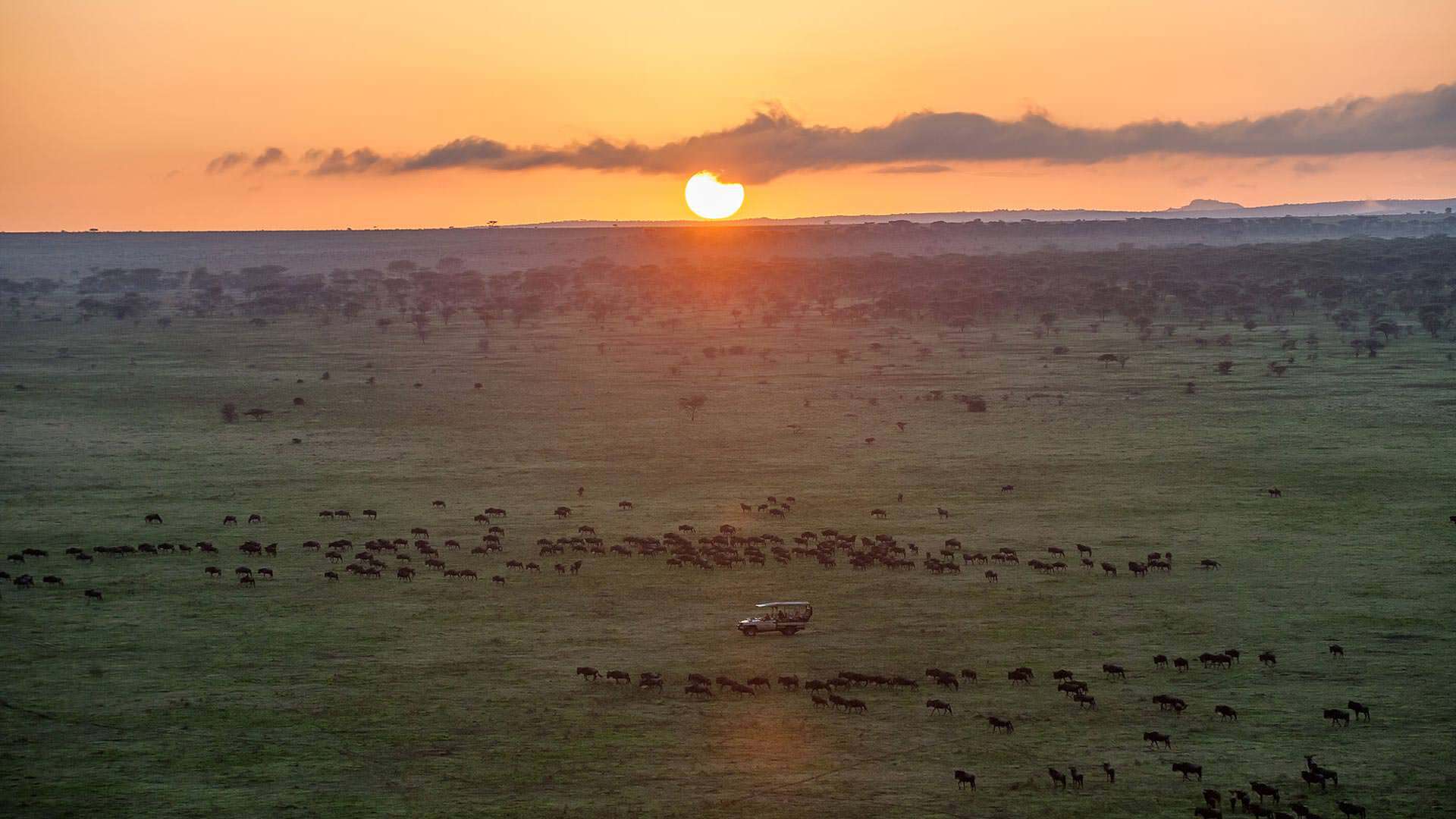
Maswa is one of northern Tanzania’s most remote and least-visited reserves, a place where the crowds of the more famous parks never arrive. Its 2,200 km² see only a small number of guests each year, so you can spend whole days exploring without meeting another vehicle. Sightings unfold at their own pace, with no jostling for position around a lion kill or leopard tree. It is an authentic, wild corner of Africa that feels much as it did a century ago.
The Great Migration
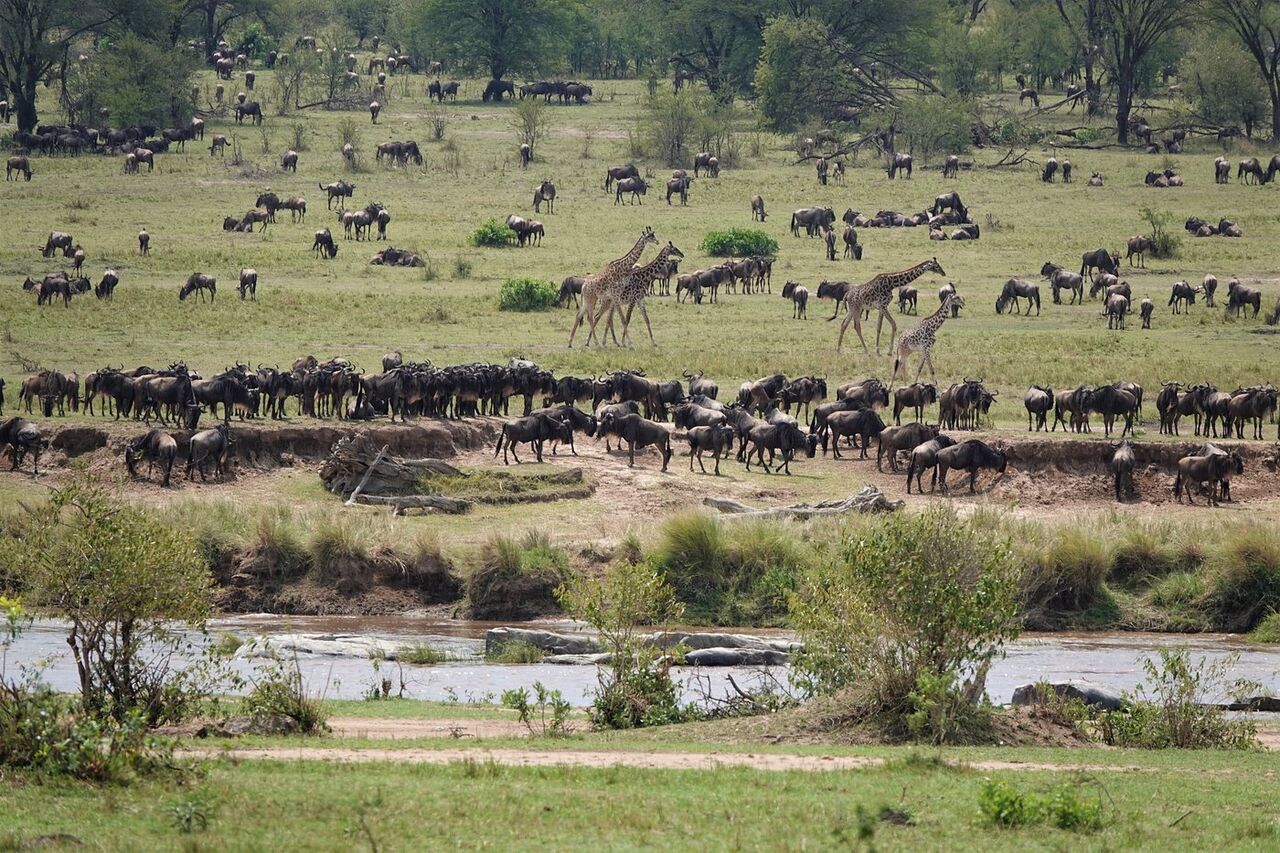
From December to March, the Great Migration spills into Maswa as hundreds of thousands of wildebeest and zebra graze the nutrient-rich southern grasslands. This is calving season, when thousands of young are born each day over a few short weeks. The abundance of vulnerable newborns draws lions, cheetahs, and hyenas in large numbers, creating some of the most dramatic predator–prey action in Africa. Because Maswa lies on the quieter fringe of the migration’s path, you can witness this spectacle without the vehicle congestion often found in the busier parts of the Serengeti.
Big Cats and Predators
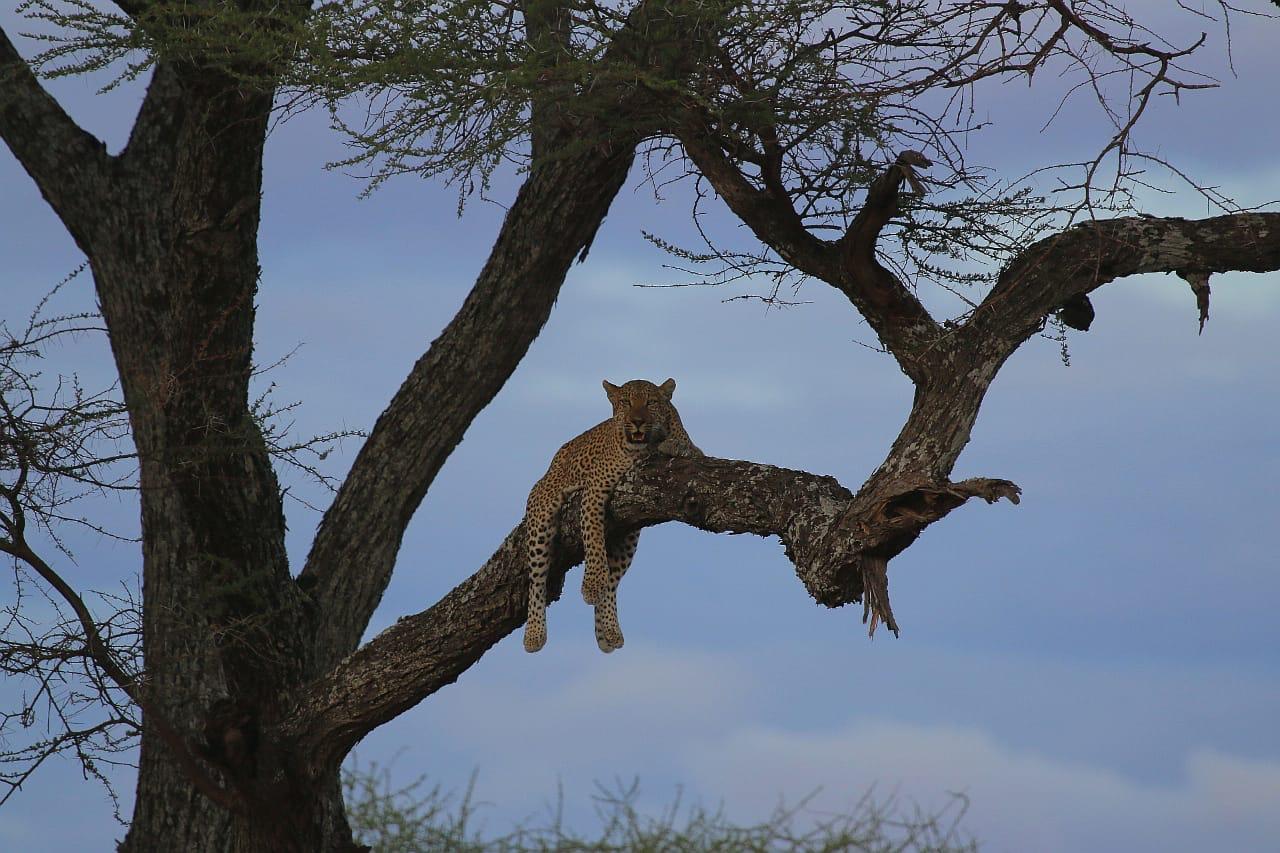
Maswa holds strong populations of lion, often seen in large prides resting on kopjes or along shaded riverbeds. Leopards are well established in the woodlands and riverine forest, where they drape themselves over acacia branches during the heat of the day. Cheetahs hunt on the open plains, spotted and striped hyenas roam widely, and the rare African wild dog is occasionally sighted. With fewer visitors, predators here tend to be relaxed and their behaviour natural, giving you time to watch, photograph and understand them.
Rare and Diverse Wildlife
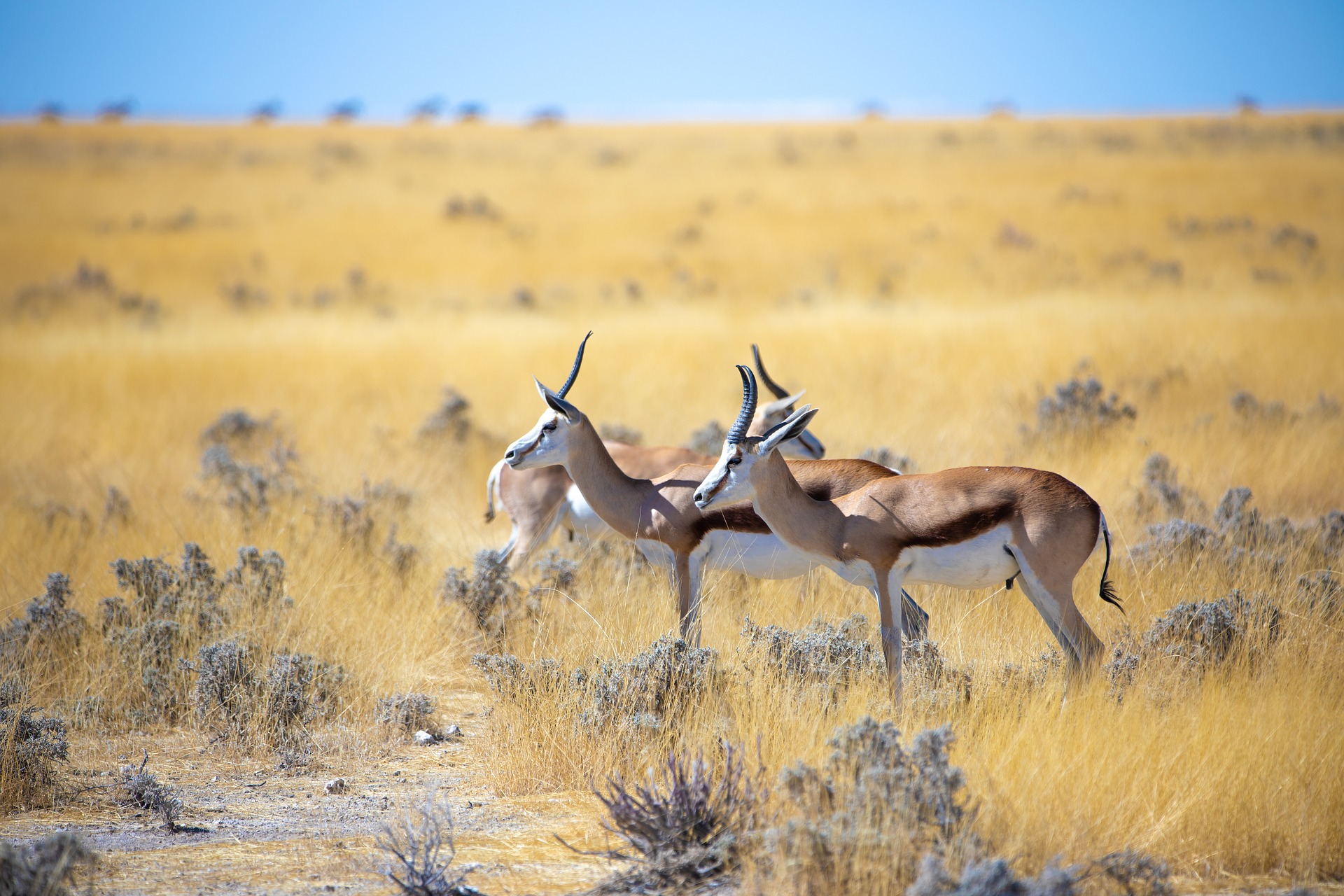
Beyond the big cats, the reserve supports elephant, Cape buffalo, Masai giraffe, hippo and plains game such as topi, hartebeest, impala and Thomson’s and Grant’s gazelles. Maswa is also notable for species less often seen elsewhere on the northern circuit, including roan antelope, greater and lesser kudu, eland, oribi and the cliff-dwelling klipspringer. This variety makes Maswa especially rewarding for returning safari travellers looking for something beyond the classic sightings.
Walking Safaris and Night Drives
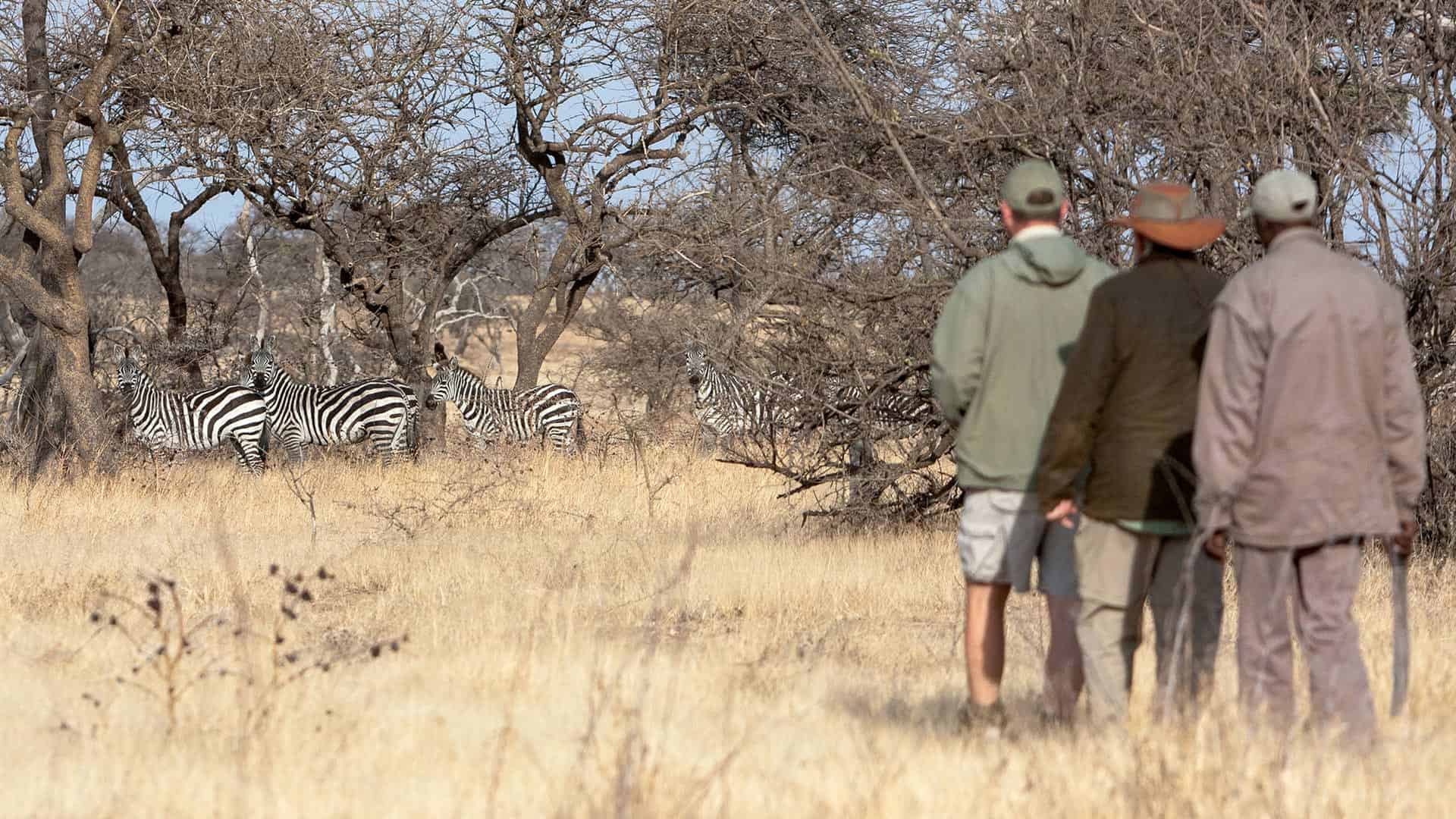
Unlike Tanzania’s national parks, Maswa permits guided walking safaris and night game drives, which add depth to the experience. On foot, accompanied by an armed ranger and expert guide, you learn to read tracks, identify plants and their traditional uses, and notice the small details missed from a vehicle, from dung beetles to termite mounds. After dark, spotlit night drives reveal a different world of nocturnal creatures such as aardvark, porcupine, serval, genet, civet, bushbaby and bat-eared fox, along with predators on the hunt.
Birdwatching
With more than 300 recorded species, Maswa is a rewarding destination for birders. Highlights include the colourful Fischer’s lovebird, the endemic grey-breasted spurfowl, the rufous-tailed weaver and the Usambiro barbet. Large ground birds such as ostrich, kori bustard, secretary bird and southern ground hornbill stride across the grasslands, while the skies host martial eagles, bateleurs, tawny eagles and several vulture species. Birding is at its best during the green season from November to April, when migratory species arrive from Europe and Asia.
Varied and Scenic Landscapes
The reserve’s scenery changes constantly, from vast open grassland plains and golden acacia savanna to dense miombo woodland, rocky granite kopjes and green riverine forest along seasonal watercourses. This mosaic of habitats supports a wide range of wildlife and offers striking backdrops for photography, especially in the soft light of early morning and late afternoon.
Fly Camping and Bush Experiences
For a deeper connection with the wilderness, fly camping lets you spend the night in simple but comfortable tents set up in a remote part of the reserve, falling asleep to the calls of lion and hyena. Other experiences include sundowners atop a kopje as the sun sets over endless plains, bush breakfasts after a morning drive, and lantern-lit dinners under a sky full of stars far from any light pollution.
Cultural Connections
The communities around Maswa are home to the Sukuma, Tanzania’s largest ethnic group. Visits to nearby villages offer insight into their agricultural and pastoral way of life, traditional homesteads, crafts, and the lively music and dance for which the Sukuma are well known. These encounters add a meaningful human dimension to the safari and support local communities.
Gateway to the Serengeti
Maswa shares an unfenced border with Serengeti National Park, which makes it easy to combine with the southern and central Serengeti, the Ndutu area and the Ngorongoro Crater. It works well as a peaceful start or finale to a longer northern-circuit itinerary, balancing the iconic parks with time in true, uncrowded wilderness.
Activities in Maswa Game Reserve
- Game drives
- Night game drives
- Guided walking safaris
- Great Migration viewing (December–March)
- Birdwatching
- Fly camping
- Sundowners and bush dinners
- Cultural visits to local Sukuma communities
- Licensed hunting safaris in designated blocks
Year-Round Weather in Maswa Game Reserve
The short rains arrive in November and December, usually as brief afternoon showers that refresh the grasslands. January and February bring a drier break, with warm days of up to about 30°C, which coincides with the migration’s calving season. The long rains follow from March to May. These are the wettest months, with heavy downpours that green the land but can leave tracks muddy and difficult to pass.
Want to see more? This video is worth watching
Related Trips
Discover Tanzania
Your questions answered
Where is Maswa Game Reserve located?
Maswa lies in northern Tanzania, along the southwestern boundary of Serengeti National Park, in the Simiyu Region. It is part of the greater Serengeti ecosystem, and because no fence separates it from the Serengeti, wildlife moves freely between the two. Its location makes Maswa an easy addition to a classic northern-circuit safari, while still giving you time in a far quieter, more remote setting.
How do I get to Maswa Game Reserve?
Most of our guests travel from Arusha, our home base, either by road or by light aircraft. The drive is long but scenic. It usually passes through the Ngorongoro Conservation Area and the southern Serengeti, which is why we recommend breaking the journey with overnight stops rather than driving straight through. For guests with less time, charter flights connect Arusha with airstrips in and around the southern Serengeti, and our team arranges the onward transfer into the reserve. When you plan your trip with us, we’ll suggest the option that best suits your itinerary and budget.
What makes Maswa different from the Serengeti?
Maswa shares the same wildlife and landscapes as the Serengeti but receives only a small share of its visitors. That means fewer vehicles at sightings and a stronger feeling of true wilderness. As a game reserve rather than a national park, Maswa also permits activities that are restricted in the Serengeti, such as guided walking safaris and night game drives. After nearly 15 years of planning safaris across Tanzania, we often recommend Maswa to travellers who want the drama of the Serengeti without the crowds.
When is the best time to visit Maswa?
The dry season from June to October is the best time for general game viewing. Vegetation thins, wildlife gathers around rivers and waterholes, and the roads are in good condition. December to March is ideal if you want to see the Great Migration during calving season, when large herds of wildebeest and zebra graze the southern plains and predator activity is at its peak. We generally advise against April and May, when the long rains can make tracks difficult to pass and some camps close for the season.
Can I see the Great Migration in Maswa?
Yes. Between December and March, the migration herds move through the southern Serengeti ecosystem, and parts of the herd spill into Maswa. Exact movements depend on the rains and change from year to year, so we pair Maswa with nearby areas such as Ndutu and the southern Serengeti to give you the best chance of sightings. Our guides stay in close contact with other guides in the field to track where the herds are moving.
What animals can I expect to see?
Maswa is home to lion, leopard, cheetah, elephant, Cape buffalo, giraffe, hippo, zebra, wildebeest, topi, hartebeest, eland, impala and both Thomson’s and Grant’s gazelles. It is also known for species seen less often on the northern circuit, including roan antelope, greater and lesser kudu, oribi and klipspringer. On night drives you may spot nocturnal animals such as aardvark, porcupine, serval, genet, bushbaby and bat-eared fox.
Is Maswa good for birdwatching?
Very much so. More than 300 bird species have been recorded in the reserve, including Fischer’s lovebird, grey-breasted spurfowl, rufous-tailed weaver, southern ground hornbill, secretary bird, kori bustard and many birds of prey. Birding is at its best from November to April, when migratory species arrive and many resident birds are in breeding plumage.
What activities are available in Maswa?
Activities include day game drives, night game drives, guided walking safaris, fly camping, sundowners on rocky kopjes, bush breakfasts and dinners, birdwatching, and cultural visits to nearby Sukuma communities. Some activities depend on your choice of camp, so we confirm what is available when we build your itinerary.
Is hunting allowed in Maswa?
Maswa has a long history as a licensed hunting area, and regulated hunting takes place in designated blocks under Tanzanian wildlife law. iTour Tanzania focuses on photographic safaris, and we plan your stay in areas and camps dedicated to wildlife viewing, walking and cultural experiences.
What kind of accommodation is available?
Accommodation in and around Maswa is limited, which is part of what keeps it so exclusive. Options range from comfortable tented camps to high-end luxury lodges, along with seasonal mobile camps and fly camps for a more adventurous night in the bush. As with all iTour itineraries, we offer budget, mid-range and luxury options for each night of your safari wherever possible, and we’ll recommend the best fit for your travel style.
How many days should I spend in Maswa?
We recommend at least two to three nights in Maswa to enjoy a mix of game drives, a walking safari and a night drive at a relaxed pace. Most guests combine Maswa with the Serengeti, Ndutu and the Ngorongoro Crater, and all iTour safaris run for a minimum of five days, starting with your arrival in Arusha. A seven- to ten-day itinerary allows plenty of time to enjoy Maswa alongside Tanzania’s iconic parks.
Is Maswa suitable for families and first-time safari travellers?
Yes, with a little planning. Families enjoy the space and privacy Maswa offers, though some activities, such as walking safaris and night drives, have minimum age requirements set by the camps and rangers. First-time safari travellers usually get the most from Maswa by combining it with better-known destinations like the Serengeti and Ngorongoro Crater, so they experience both the classic highlights and a quieter wilderness.
Is Maswa safe to visit?
Maswa is a safe destination when visited with an experienced, licensed operator. All game drives are led by professional guides, and walking safaris are accompanied by armed rangers. We work only with trusted local partners and follow strict safety practices throughout your journey. As with any safari, we ask guests to follow their guide’s instructions at all times, especially around wildlife.
What should I pack for a safari in Maswa?
Pack lightweight clothing in neutral colours such as khaki, beige and olive, plus a warm fleece or jacket for cool mornings and night drives. Bring comfortable closed walking shoes, a wide-brimmed hat, sunglasses, sunscreen, insect repellent, binoculars, and a camera with a good zoom lens. If you are taking a light-aircraft flight, use a soft-sided bag, since luggage weight and size limits apply. Our team sends you a detailed packing list once your booking is confirmed.
Do I need vaccinations or malaria precautions?
Maswa is in a malaria area, so we strongly recommend speaking to your doctor or a travel clinic about antimalarial medication before you travel. Depending on your route, you may need a yellow fever vaccination certificate, particularly if you are arriving from or transiting through a country with yellow fever risk. Check current health requirements with your medical provider well before departure.
How much does a Maswa safari cost?
The cost depends on the length of your trip, the season, your choice of accommodation, the number of travellers and whether you travel by road or air. Every iTour safari is tailor-made, so please request a quote and our team will prepare an itinerary and price built around your interests and budget.
Why should I book my Maswa safari with iTour Tanzania?
iTour Tanzania is a Tanzanian-owned tour operator based in Arusha, with a team that brings up to 15 years of experience in creating authentic safaris across the country. We combine Tanzania’s famous highlights with hidden gems like Maswa, and we design private and small-group journeys rather than mass-market tours. From your arrival in Arusha to your final game drive, we handle every detail so you can simply enjoy the wilderness. Discover Tanzania, Authentically.