
Destination
Mahale Mountains National Park
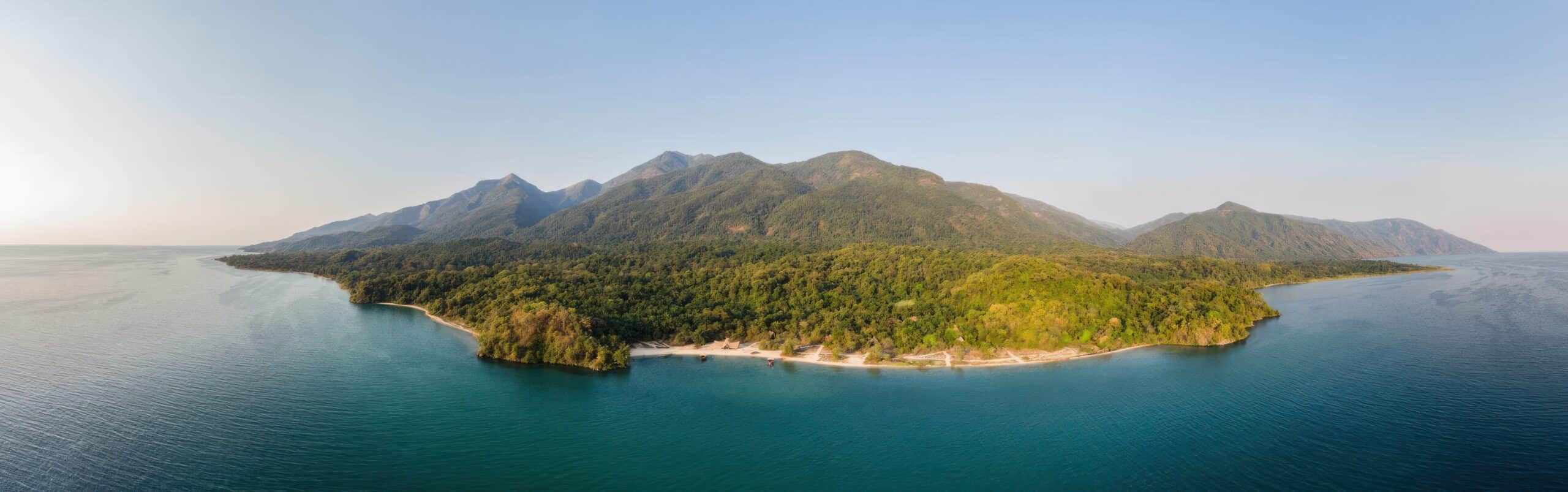
Reachable only by boat and light aircraft, Mahale Mountains National Park offers an unforgettable chimpanzee trek through remote forested mountains rising above the white sand beaches of Lake Tanganyika.
Destination Overview
Mahale Mountains National Park covers approximately 1,613 square kilometers on the remote eastern shore of Lake Tanganyika in Kigoma Region, far western Tanzania, near the borders with Burundi and the Democratic Republic of the Congo. Gazetted in 1985 after a Wildlife Research Centre was established here in 1979, the park protects a dramatic mosaic of habitats rising straight from the lakeshore, from lowland and riverine forest through drier miombo woodland to montane forest and high-altitude bamboo on the upper slopes of Mount Nkungwe, which peaks at 2,462 meters. With no roads reaching the park, every visitor arrives by light aircraft charter followed by a boat transfer across Lake Tanganyika, making Mahale one of the most genuinely remote national parks anywhere on Tanzania's western safari circuit.
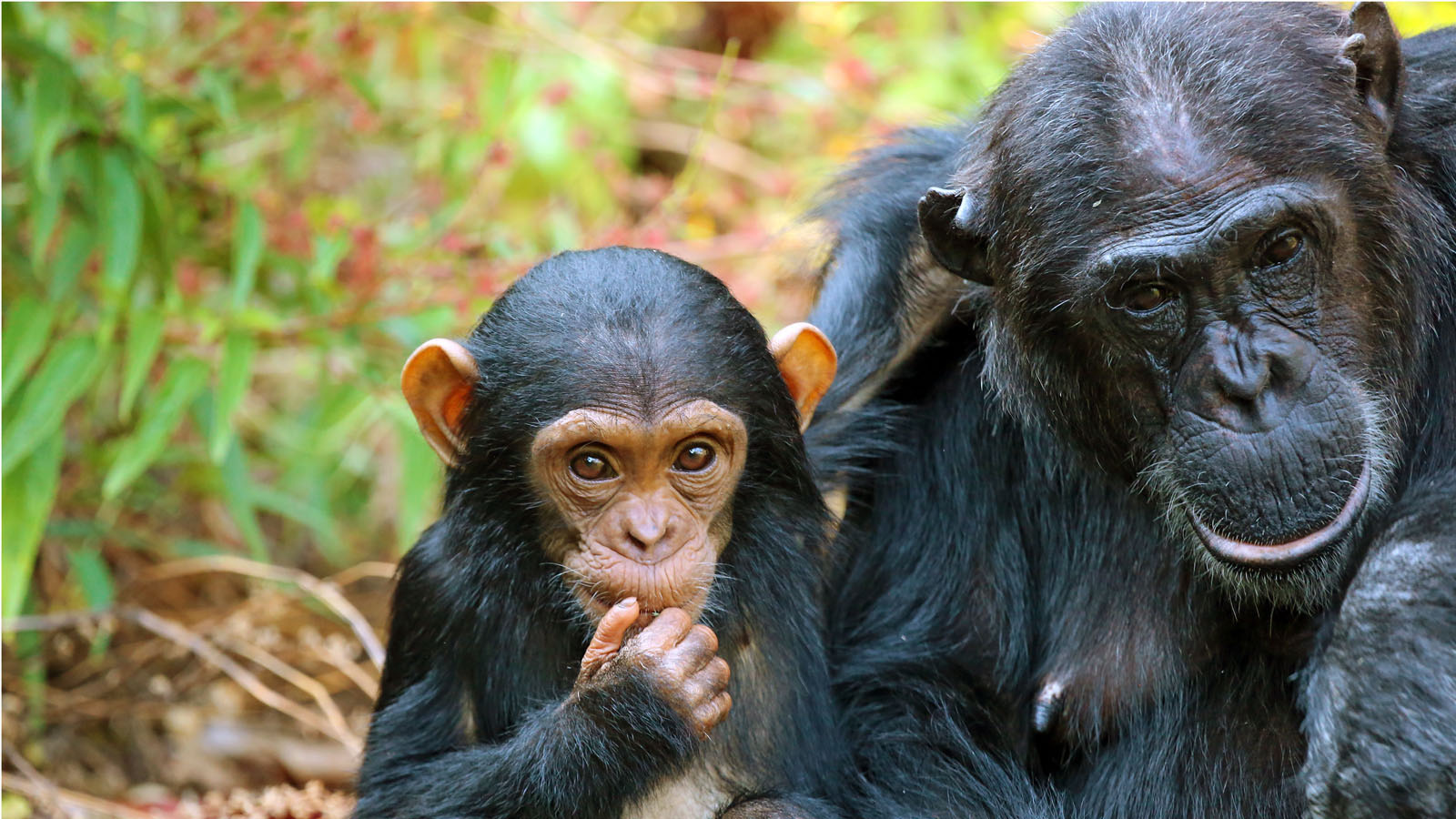
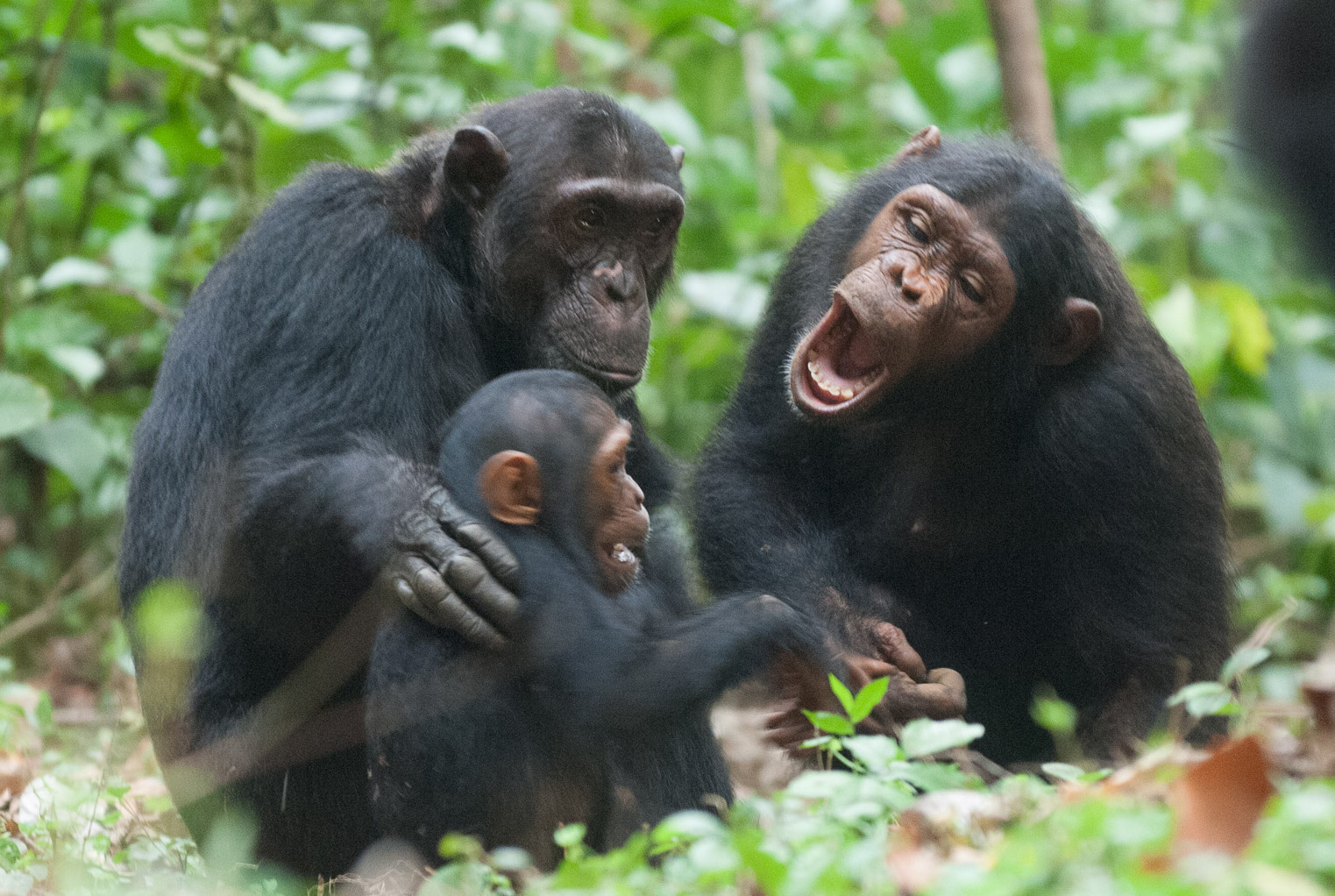
Mahale's centerpiece is chimpanzee trekking through real mountain forest to the habituated M-group, part of a wild chimpanzee population that has been studied continuously by Kyoto University researchers since 1965, making it one of the longest-running wild chimpanzee studies in the world, second only to Gombe. Beyond the chimps, the park shelters eight other primate species, including red colobus and blue monkey, while its white sand beaches offer swimming, kayaking, and sunset boat trips on one of the world's oldest and deepest lakes. Most visitors stay three to four nights to allow for multiple trekking outings, and Mahale pairs naturally with Katavi National Park, and sometimes Ruaha, via the scheduled charter flights that connect Tanzania's western circuit into one memorable journey.

A World-Renowned Chimpanzee Research Legacy
Mahale is home to the second-longest continuous study of wild chimpanzees anywhere on Earth, run by Kyoto University since Japanese primatologist Toshisada Nishida began fieldwork at the site of Kasoje in 1965. More than 300 scientific papers have come out of this research, documenting everything from male political alliances to tool use, and it's given the habituated chimpanzee community here — known as M-group — one of the best-understood social histories of any wild primate population outside Gombe.
Trekking Wild Chimpanzees Through Genuine Forest
Unlike more compact chimp-viewing sites, Mahale's habituated M-group ranges across real mountain forest within a park many times larger than Gombe, so trekking here feels like an authentic wilderness pursuit rather than a short garden walk. Strict, welfare-driven rules — small groups of around six visitors, a roughly one-hour viewing limit, and surgical masks worn near the chimps to prevent disease transmission — keep the experience both memorable and genuinely conservation-first.
Mount Nkungwe, the Range's Dramatic High Point
Rising to 2,462 meters directly above the shore of Lake Tanganyika, Mount Nkungwe gives the Mahale range one of the most dramatic mountain-to-lake elevation profiles in East Africa. Reaching the summit is a serious two-to-three-day trek over neighboring peaks and through changing forest zones, rewarding those who make the climb with sweeping views over the lake and, on clear days, across to the Congo shoreline beyond.
The Shores of One of the World's Great Ancient Lakes
Lake Tanganyika, Mahale's dramatic backdrop, is the world's longest freshwater lake and its second-deepest and second-oldest, estimated at nine to twelve million years old. Its waters hold around 250 species of cichlid fish, nearly all of them found nowhere else on Earth, making the lake itself as scientifically remarkable as the chimpanzees in the forest above it.
White Sand Beaches Backed by Rainforest Mountains
Few places in Africa let you trek wild chimpanzees in the morning and relax on a white sand beach by afternoon, but that's exactly the combination Mahale offers, with its lakeside camps built directly on Lake Tanganyika's shoreline. Swimming and kayaking are enjoyed at designated safe spots near camp, giving a rare beach-and-rainforest rhythm to a Mahale stay.
A Vertical Mosaic of Habitats and Wildlife
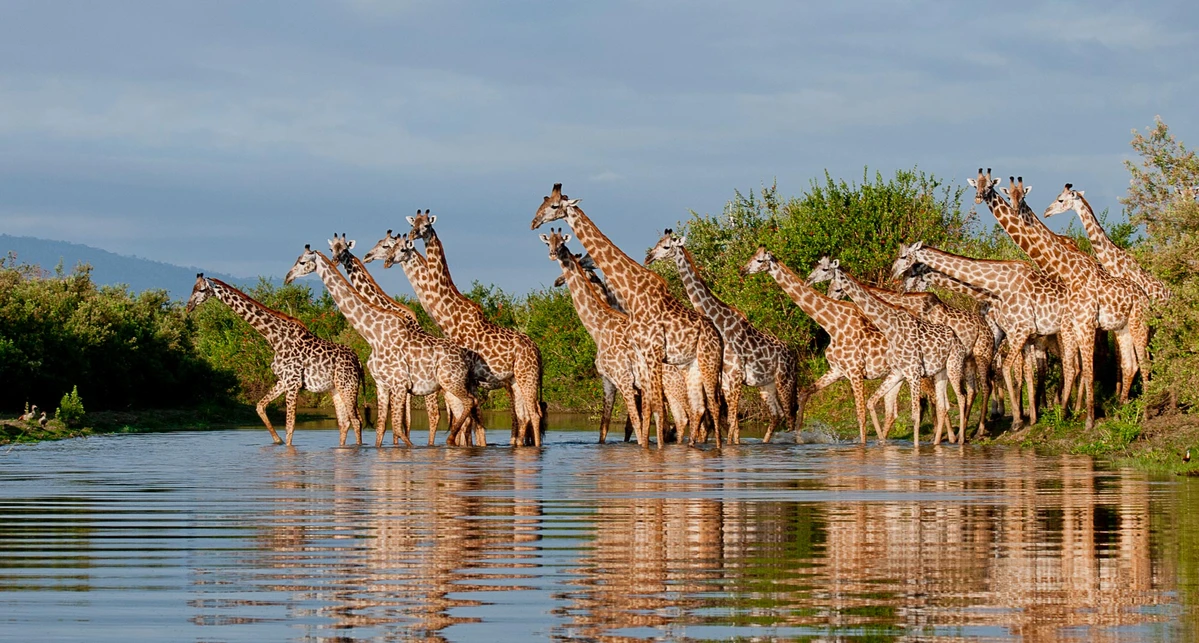
From the lakeshore, Mahale rises through lowland forest, drier miombo woodland, montane forest, and a high-altitude bamboo zone, compressing an unusual range of habitats into one park. This vertical mosaic allows savanna species like lions and giraffes to share the same park as true rainforest chimpanzees and colobus monkeys, even though the savanna wildlife stays largely confined to the park's remote, seldom-visited eastern slopes.
Nine Primate Species Beyond the Chimps
Alongside its famous chimpanzees, Mahale shelters eight other primate species, including the endangered Ugandan red colobus and a distinctive, little-documented Angolan colobus population confined to the upper forests of Mount Nkungwe. Blue monkey, red-tailed monkey, vervet monkey, and yellow baboon round out the daytime sightings, while lesser and greater galagos call from the forest after dark.
Genuine Wilderness, Reached Only by Boat
No roads lead into Mahale Mountains National Park — every visitor arrives by light aircraft followed by a boat transfer across Lake Tanganyika, or, for the more adventurous, by a much longer boat journey from Kigoma. That isolation keeps visitor numbers naturally low and preserves a sense of wild remoteness that's increasingly rare on Africa's more accessible safari circuits.
Kasoje and the Communities of the Lakeshore
The site of Kasoje, where Kyoto University's research camp still operates, takes its name from the Holoholo and Tongwe communities who traditionally lived along this stretch of Lake Tanganyika before the park's creation. Cultural visits to nearby lakeshore communities are sometimes arranged through operators, offering a window into the region's history alongside its wildlife.
An Exclusive, Uncrowded Safari Experience
With only a small handful of camps on the entire lakeshore and limited scheduled flights each week, Mahale delivers an unusually exclusive safari experience for those prepared to make the journey. It's this rarity, paired with world-class chimpanzee trekking and a setting unlike anywhere else in Tanzania, that keeps drawing experienced safari travelers back to Mahale.
Activities in Mahale Mountains National Park
- Chimpanzee trekking
- Guided forest walks
- Hiking Mount Nkungwe (multi-day summit trek)
- Kayaking on Lake Tanganyika
- Boat excursions and dhow cruises
- Swimming at lodge beaches
- Snorkeling at select lodge beaches
- Beach relaxation
- Birdwatching
- Sport fishing
- Cultural visits to local fishing villages
Year-Round Weather in Mahale Mountains National Park
The wetter months run from roughly November through May, sometimes described as a shorter, lighter rainy spell around November and December followed by heavier, more sustained rains from March through May, though this sub-seasonal split isn't consistently observed. Daytime temperatures stay similar to or slightly warmer than the dry season, but the combination of high humidity and near-daily afternoon thunderstorms makes conditions feel considerably more intense, and many camps scale back or close for part of the February-to-May window as trails turn muddy and access becomes harder. Lake Tanganyika itself helps moderate temperature extremes along the shoreline, though it's also known for occasionally rough water and sudden squalls, worth keeping in mind for boat transfers regardless of season.
Weather has a direct effect on Mahale's signature activity: during the dry season, chimpanzees tend to stay at lower elevations near the lakeshore, keeping treks shorter and sightings more reliable, while the wetter months push them higher up the mountain in search of food, making treks longer, muddier, and less predictable. For this reason, most travelers plan their Mahale visit for the dry season, with August through October generally considered the easiest window for chimp trekking.
Want to see more? This video is worth watching
Related Trips
Discover Tanzania
Your questions answered
Where is Mahale Mountains National Park?
Mahale Mountains National Park sits on the remote eastern shore of Lake Tanganyika in Kigoma Region, far western Tanzania, near the borders with Burundi and the Democratic Republic of the Congo. There are no roads into the park — the forested Mahale Mountains rise directly behind the lake, and every visit begins and ends by boat.
How do I get to Mahale Mountains National Park?
Mahale is a fly-in destination reached by light aircraft followed by a boat transfer of around 90 minutes across Lake Tanganyika to your camp. Scheduled charter flights typically run a couple of times a week from Arusha, often routed via the Serengeti or Lake Manyara area and linking up with Ruaha and Katavi National Parks along the way. A more budget-oriented, far slower route is also possible via a scheduled flight from Dar es Salaam to Kigoma, followed by a lengthy road and boat journey to the park.
How big is Mahale Mountains National Park?
Mahale covers approximately 1,600 square kilometers of forested mountains, lakeshore, and, on its remote eastern slopes, pockets of savanna woodland. Nearly all tourism takes place along the accessible lakeshore strip, while the mountainous interior remains largely untouched.
What is Mahale Mountains National Park known for?
Mahale is best known for trekking one of the largest known populations of wild eastern chimpanzees in Africa, habituated and studied continuously by Japanese researchers since the 1960s. Its second signature feature is its setting — forested peaks rising straight up from the white sand beaches of Lake Tanganyika, giving Mahale a beach-and-rainforest combination found almost nowhere else in Tanzania.
When is the best time to visit Mahale for chimp trekking?
The dry season from roughly June to October is the best time to visit, with August to October generally considered the easiest window, since chimps tend to move down toward the lower slopes near the lakeshore. During the wetter months from November to May, trails become slippery and chimps often range higher up the mountains, making treks longer and more strenuous, though tracking continues year-round.
Is chimpanzee sighting guaranteed at Mahale?
No sighting can ever be guaranteed with wild animals, and Mahale's chimps do occasionally range too high on the mountain to reach in a single outing. Staying three nights rather than a quick overnight gives you two or three separate trekking attempts, which meaningfully improves your overall odds.
How physically demanding is chimp trekking at Mahale?
Expect genuine forest-mountain hiking rather than a gentle stroll — trails can be steep, uneven, and thick with vegetation, occasionally requiring some scrambling to keep up with the chimps. A reasonable level of fitness makes for a much more enjoyable trek, particularly outside the easier August-to-October window.
Is there a minimum age for chimp trekking at Mahale?
Mahale's own park regulations set a minimum age of 12 for chimpanzee trekking, for both safety and disease-transmission reasons, since chimpanzees are highly susceptible to human illnesses. Age rules are set by the park authority and can be updated, so we always reconfirm current requirements with you when planning your trip.
How much does chimp trekking at Mahale cost?
Chimp trekking at Mahale is covered by a park conservation fee plus a guide fee, and total costs are usually quoted as part of an all-inclusive camp package rather than as a standalone permit. Because park fees are revised periodically, we build the current rates directly into your itinerary quote rather than publishing a fixed figure here.
How long should I plan to stay at Mahale?
Three nights is the standard length of stay, giving you enough separate trekking outings to make the most of your visit given the effort of getting there. Some travelers extend to four nights as a buffer against a difficult trekking day.
Where can I stay at Mahale Mountains National Park?
Accommodation is limited to a small number of beachfront camps and lodges along the lakeshore, ranging from a handful of exclusive luxury camps to a couple of more modest lodges, plus a very basic government resthouse for budget travelers. Given the park's remoteness, bed capacity is small even by Tanzania's remote-park standards.
What's the difference between Mahale and Gombe Stream for chimp trekking?
Gombe Stream is much smaller and easier to reach from Kigoma, with a smaller chimp population, and is famous as the site of Jane Goodall's original research. Mahale is roughly thirty times larger, considerably more remote, and home to a substantially bigger chimp population, offering a wilder trekking experience along with beach and lake activities that Gombe's compact size doesn't allow for.
Why does Mahale get so few visitors?
Mahale's extreme remoteness, limited flight schedules, and very small number of camps keep visitor numbers naturally low, not any shortage of wildlife or appeal. For travelers willing to make the journey, that translates into an unusually exclusive, uncrowded experience.
Is Mahale suitable for families?
Mahale suits families with teenagers better than those with young children, since the minimum age for chimp trekking is 12 and the remoteness adds extra logistics to plan around. Younger children can still enjoy lakeside activities like swimming and boat trips at camp while older family members trek.
Are there health or safety concerns to know about before visiting Mahale?
Malaria risk is present in the region, so antimalarial precautions, insect repellent, and covering up at dusk are recommended, alongside routine travel health advice from your doctor before any trip to Tanzania. Medical facilities near the park are very limited given its remoteness, so comprehensive travel insurance with medical evacuation cover is strongly advised.
Can I combine Mahale with other parks?
Yes — Mahale is most commonly combined with Katavi National Park, and sometimes Ruaha further south, since scheduled charter flights link all three as part of Tanzania's western circuit. This combination helps justify the time and cost of reaching such a remote corner of the country in a single trip.