
Destination
Mafia Island
South of Zanzibar, Mafia Island is Tanzania’s quiet coastal gem. Its marine park offers superb diving and snorkeling, with whale sharks from October to March. Add empty beaches, Swahili villages and the ruins of Chole Island, and it makes an unhurried beach finish to any safari.
Destination Overview
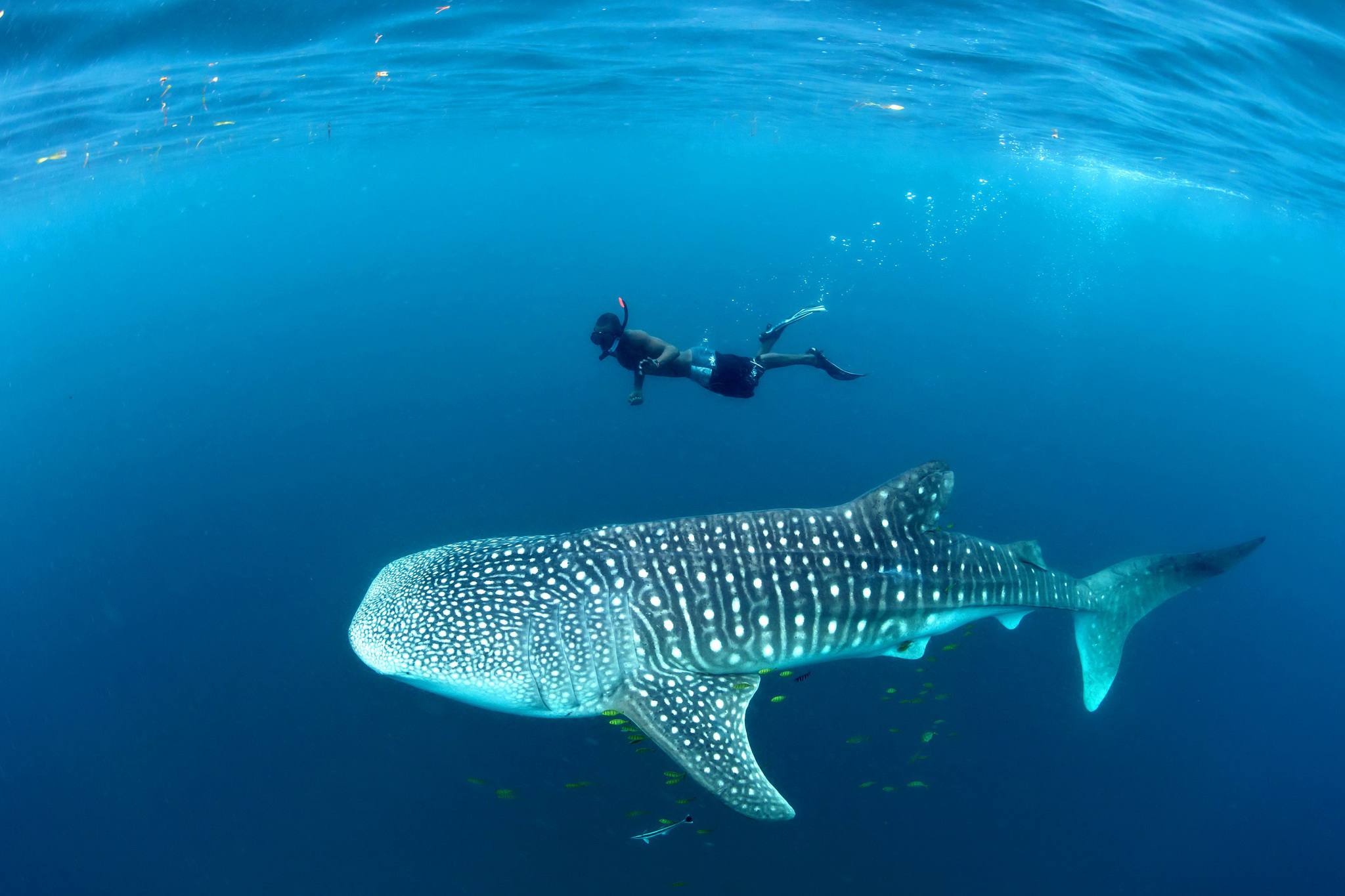
Lying about 120 kilometres south of Zanzibar, off the mouth of the Rufiji River delta, Mafia Island is one of Tanzania’s best-kept coastal secrets. Far from the crowds of better-known beach destinations, it offers a slower, more authentic slice of Swahili island life, with fishing villages, coconut plantations, mangrove-lined channels and long stretches of empty white sand. Its waters are protected by the Mafia Island Marine Park, Tanzania’s first, which shelters some of the healthiest coral reefs in the Indian Ocean. Here divers and snorkelers encounter colourful reef fish, turtles, rays and dolphins, while from October to March the island becomes one of the world’s most rewarding places to swim alongside gentle whale sharks.
Beyond its underwater riches, Mafia rewards curious travellers on land and sea. Traditional dhows sail out to dazzling sandbanks for swimming and picnics, while nearby Chole Island reveals the crumbling ruins of an old Swahili trading settlement and colonies of giant fruit bats that take flight at dusk. On Juani Island, green and hawksbill turtles nest and hatch on quiet beaches, and the mangroves and shores attract a rich variety of birdlife. With its relaxed pace, warm hospitality, and unspoiled natural beauty, Mafia Island is the perfect place to unwind, making it an ideal beach finale to a Tanzanian safari.
Mafia Island Marine Park
Founded in 1995, Mafia Island Marine Park was Tanzania’s first marine park and covers around 822 square kilometres of ocean, reefs, mangroves, seagrass beds and small islands in the south of the archipelago. It shelters more than 400 species of fish and dozens of hard and soft coral types, and is widely regarded as one of the healthiest reef systems in the western Indian Ocean. Chole Bay, enclosed by islands and reefs, offers calm, protected waters ideal for beginners, snorkelers and night dives, with coral gardens full of angelfish, butterflyfish, clownfish, moray eels and turtles. Beyond it, Kinasi Pass and the outer reefs provide thrilling drift dives, coral walls and overhangs where groupers, Napoleon wrasse, reef sharks, barracuda, rays and large schools of pelagic fish are often seen. Divers of all levels can learn, train or advance their certification with the island’s experienced dive centres.
Chole Island
Just a few minutes by boat from Utende on Mafia, Chole Island was the archipelago’s capital and principal trading centre during the 19th century, when Omani Arab merchants built stone houses and traded goods across the Indian Ocean. Today, the ruins of these coral-stone buildings, including mansions, a market and an old prison from the later German colonial period, stand partly swallowed by the roots of enormous fig and baobab trees, creating an atmospheric, almost magical setting. Chole is also home to a friendly village community, where visitors can learn about daily island life, local crafts and community projects. As the sun sets, hundreds of giant Comoros fruit bats leave their roosts in the island’s trees, filling the sky in an unforgettable natural spectacle.
Juani Island, Kua Ruins and Turtle Nesting
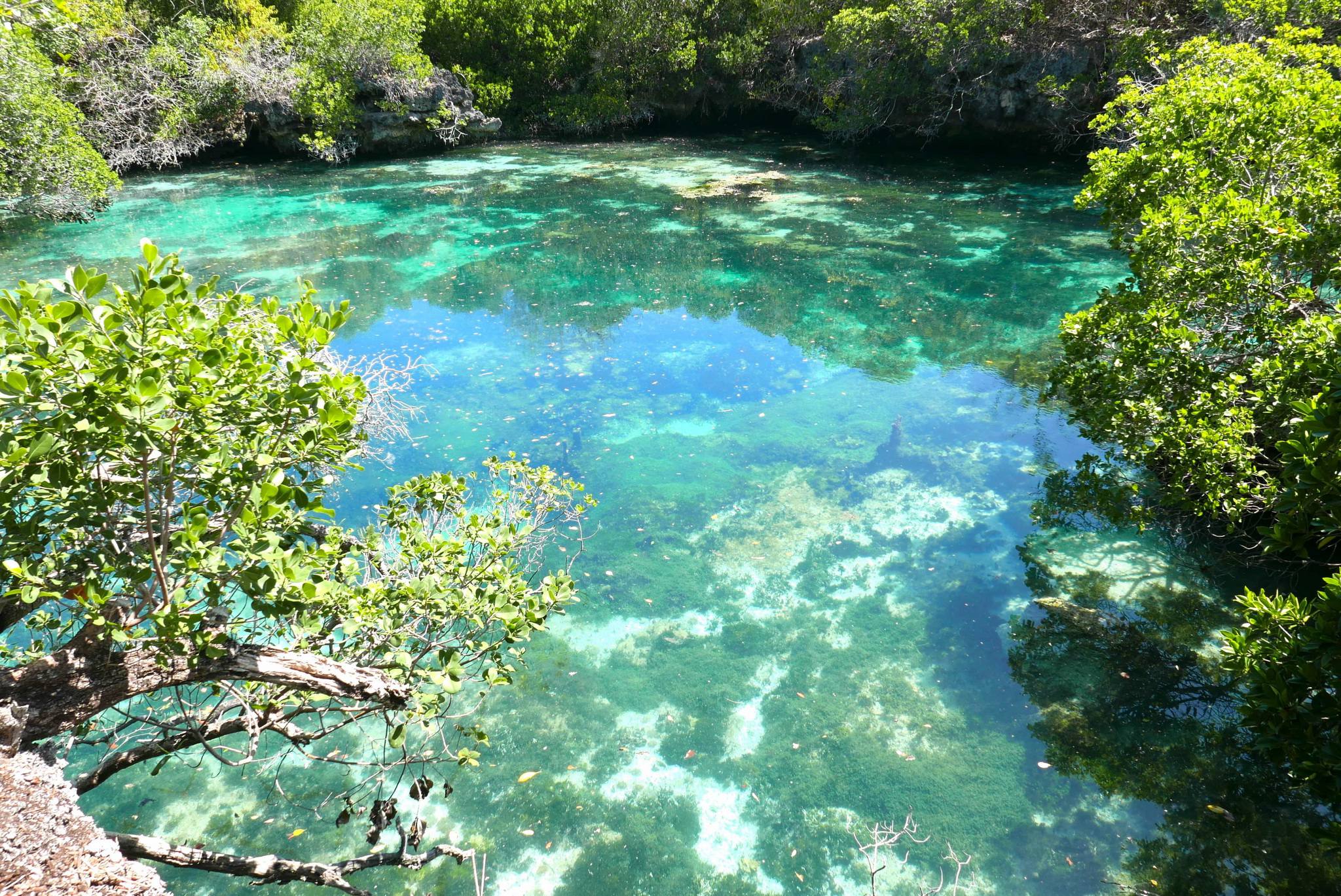
Neighbouring Juani Island holds the ruins of Kua, a once-thriving Shirazi town dating back several centuries, with remains of mosques, tombs and houses hidden in the coastal forest. The town was abandoned in the early 19th century after raids from Madagascar, and its overgrown ruins rank among the most evocative historical sites on the Swahili coast. Juani’s beaches are also important nesting grounds for endangered green and hawksbill turtles. Local conservation programmes, run with village communities, monitor and protect nests, and between roughly June and September visitors may have the chance to watch hatchlings emerge and scramble down to the sea. The island also features hidden tidal lagoons and channels where you can swim between rock pools and mangroves at the right tide.
Dhow Sailing and Sandbanks
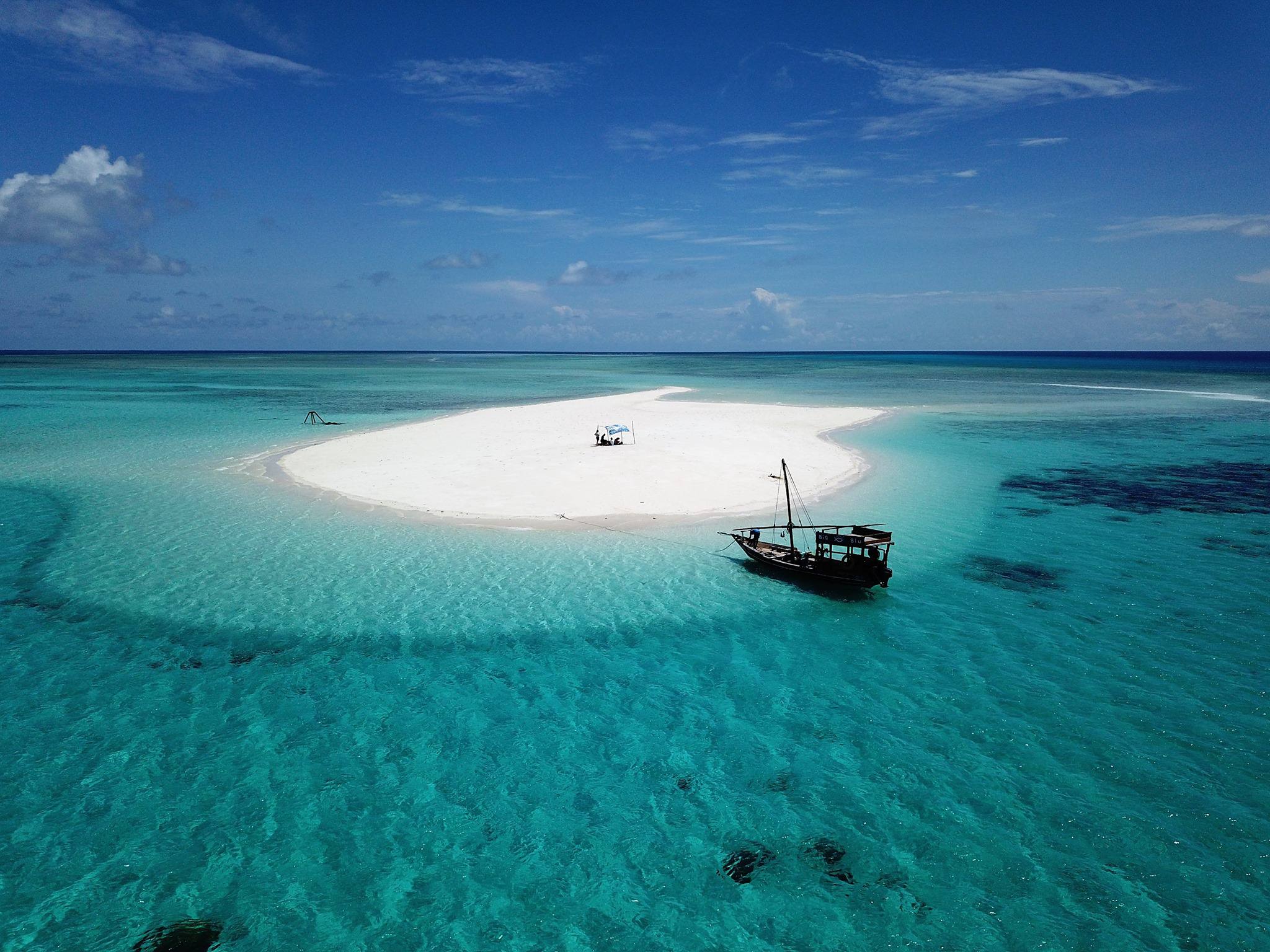
Sailing aboard a traditional wooden dhow is one of the most memorable ways to experience Mafia. These handcrafted boats, little changed in design for centuries, glide across turquoise waters to dazzling sandbanks such as Mange and Marimbani, which emerge from the sea at low tide. Surrounded only by the ocean, guests can swim in crystal-clear water, snorkel nearby reefs, search for shells and starfish, and enjoy freshly grilled seafood lunches prepared by the crew. Sunset dhow cruises offer a peaceful way to end the day as the sky turns gold over Chole Bay.
Mangrove Exploration
Mafia and its neighbouring islands are fringed with vast mangrove forests, among the most extensive on the Tanzanian coast. Exploring these by kayak, canoe or small boat reveals a tranquil, hidden world of narrow channels and tangled roots, home to crabs, mudskippers, juvenile fish and abundant birdlife. Guides explain the vital role mangroves play as nurseries for marine life, as natural defences against coastal erosion, and as a source of livelihood for local communities.
Marine Life Beyond the Reef
Beyond the coral reefs, Mafia’s waters are rich with larger marine life. BottlenBoat trips frequently spot bottlenose and spinner dolphins humpback whales pass along the coast during their migration from around August to October. The seagrass beds support green turtles and, rarely, the elusive dugong, one of the most endangered marine mammals in East Africa.
Birdwatching
With its mix of beaches, tidal mudflats, mangroves, coastal forest and farmland, Mafia supports a surprisingly diverse range of birds. Shorebirds such as crab plovers, whimbrels, sand plovers and terns gather on the flats, especially during the northern migration season between October and April. Inland and along the mangroves, birders can spot African fish eagles, palm-nut vultures, several species of kingfisher, sunbirds, hornbills and colourful weavers, making Mafia rewarding for both casual nature lovers and dedicated birdwatchers.
Fishing
Mafia has a strong reputation for sport fishing, with deep-sea excursions targeting sailfish, yellowfin tuna, barracuda, kingfish and giant trevally in the deep waters beyond the reef. For a more cultural experience, visitors can head out with local fishermen in a traditional canoe or dhow, learning age-old techniques using handlines, nets and fish traps that have sustained island families for generations.
Swahili Culture and Village Life
Mafia remains one of the most authentic corners of the Swahili coast, where life moves at a gentle, unhurried pace. Guided walks and cycling tours lead through villages, coconut and cashew plantations and farmland, offering genuine encounters with friendly local people. In Kilindoni, the busy harbour and market buzz with fishermen, traders and colourful produce. A visit to Jibondo Island reveals a skilled boatbuilding tradition, where dhows are still crafted entirely by hand, along with a close-knit fishing community whose way of life has changed little over time.
Exploring the North of the Island
The less-visited north of Mafia offers remote, wild beaches, quiet villages and the historic Ras Mkumbi lighthouse, built in the colonial era, from which there are sweeping views of the Indian Ocean. A day trip here, often combined with forest walks and beach picnics, reveals a side of the island that few visitors see.
Unspoiled Beaches and Seclusion
With only a small number of intimate lodges and no large resorts, Mafia remains refreshingly uncrowded and naturally beautiful. Its palm-fringed beaches, warm sea and peaceful atmosphere create a sense of true escape, ideal for honeymooners, divers, nature lovers and travellers seeking privacy and authenticity. Easily reached by a short flight of around 30 to 40 minutes from Dar es Salaam, Mafia Island is the perfect beach finale to a Tanzanian safari, combining adventure, culture and relaxation in one unforgettable destination.
Activities in Mafia Island
- Swim with whale sharks (October–March)
- Dive and snorkel in Mafia Island Marine Park
- Sail on a traditional dhow
- Explore the ruins of Chole Island
- Watch turtles nest and hatch on Juani Island
- Visit sandbanks and secluded beaches
- Kayak through mangrove channels
- Go deep-sea or traditional fishing
- Tour Swahili villages and local markets
- Spot fruit bats at dusk on Chole Island
Year-Round Weather in Mafia Island
Want to see more? This video is worth watching
Related Trips

Discover Tanzania
Your questions answered
Where is Mafia Island, and how do I get there?
Mafia Island lies in the Indian Ocean about 120 kilometres south of Zanzibar and roughly 20 kilometres off the Tanzanian mainland, opposite the Rufiji River delta. The easiest way to get there is by a scheduled light aircraft flight from Dar es Salaam, which takes around 30 to 40 minutes, with connections also available from Zanzibar and from safari airstrips via Dar es Salaam. Flights land at Kilindoni airstrip, where your lodge transfer will be waiting. There is also a ferry and local boat route from Nyamisati on the mainland, but it is slower and less comfortable, so we generally recommend flying. When you book with iTour Tanzania, we arrange all flights and transfers so your journey is seamless from start to finish.
How many days should I spend on Mafia Island?
We recommend at least three to four nights to enjoy the island’s main highlights without rushing, such as a whale shark excursion, a dhow trip to the sandbanks, a visit to Chole Island and some diving or snorkeling. Divers, honeymooners and travellers who simply want to unwind often stay five to seven nights. Mafia also combines beautifully with a safari in the Serengeti, Ngorongoro, Ruaha or Nyerere (Selous), and many of our guests use it as a relaxing beach finale after their game drives.
When is the best time to swim with whale sharks?
The whale shark season runs from about October to March, with the best sightings usually between November and February. During these months, the sharks feed close to shore near Kilindoni in calm, shallow water, making encounters relaxed and suitable for confident swimmers. As these are wild animals, sightings can never be fully guaranteed, but Mafia has one of the highest success rates in the world during peak season. Our trusted local partners follow responsible guidelines, keeping small groups, respectful distances, and limited time in the water to protect the sharks.
What is the best time of year to visit Mafia Island?
Mafia can be enjoyed from June to March. October to March is ideal for whale sharks, diving and snorkeling, with warm temperatures, calm seas and excellent visibility, though short rains may bring brief showers in November and December. June to September is dry and slightly cooler, with pleasant beach weather and turtle hatching season, although southeast trade winds can make some dive sites choppier. We advise avoiding April and May, the long rains, when weather is unpredictable and many lodges close.
Do I need to be a certified diver to enjoy the marine life?
Not at all. Much of Mafia’s beauty can be seen while snorkeling, particularly in the sheltered waters of Chole Bay and around the sandbanks, and whale shark encounters are done by snorkeling rather than diving. For those who want to try diving, the island’s professional dive centres offer introductory dives and full certification courses for beginners, as well as advanced dives for experienced divers along Kinasi Pass and the outer reefs.
Is there an entry fee for the Marine Park?
Yes. Visitors staying within or entering Mafia Island Marine Park pay a daily conservation fee, which helps protect the reefs, mangroves, and wildlife and supports local communities. Fees are set by the marine park authority and may change, so we include the current rates in your quote to avoid any surprises.
Is Mafia Island suitable for families with children?
Yes, Mafia is a wonderful destination for families who enjoy nature and quieter holidays. Children love the dhow trips, sandbank picnics, snorkeling in calm waters, turtle hatchings in season and watching the fruit bats on Chole Island. Some lodges have minimum age requirements or are better suited to couples, and whale shark swims and diving have age guidelines, so we carefully match accommodation and activities to your family’s needs.
Is Mafia Island a good honeymoon destination?
Absolutely. With its small, intimate lodges, secluded beaches, sunset dhow cruises and private sandbank picnics, Mafia is one of Tanzania’s most romantic and peaceful escapes. Because the island remains uncrowded, couples can enjoy a true sense of privacy that is increasingly hard to find on busier beach destinations. We can add special touches such as private dinners and exclusive excursions on request.
How does Mafia Island compare with Zanzibar?
Zanzibar offers a lively atmosphere, historic Stone Town, a wide choice of hotels and plenty of nightlife and shopping. Mafia, by contrast, is quiet, unspoiled and focused on nature, with a handful of small eco-friendly lodges, world-class marine life and an authentic island way of life. Travellers seeking relaxation, diving, whale sharks and seclusion often prefer Mafia, while those wanting variety and activity may prefer Zanzibar. Many of our guests combine both islands for the best of each.
What kind of accommodation is available?
Mafia offers a small selection of lodges and guesthouses, ranging from simple, comfortable budget options in and around Kilindoni to stylish mid-range beach lodges and exclusive luxury retreats around Chole Bay and on Chole Island. Most properties are small, eco-conscious and blend naturally into their surroundings. Every iTour Tanzania itinerary offers a choice of budget, mid-range and luxury accommodation so you can travel in the style that suits you.
What should I pack for Mafia Island?
Pack light, breathable clothing, swimwear, a sun hat, sunglasses, reef-safe sunscreen, insect repellent, sandals, and a light jacket for breezy evenings and boat trips. Bring modest clothing that covers shoulders and knees for visiting villages and Kilindoni, a waterproof bag for excursions, and your own snorkel mask if you prefer a personal fit. A small amount of cash is also useful, as ATMs and card facilities on the island are limited.
What is the local culture like, and is there a dress code?
Mafia is home to a warm, welcoming, and predominantly Muslim Swahili community with a strong sense of tradition. Beachwear is perfectly fine at your lodge and on the beaches, but when visiting villages, markets, or towns, we kindly ask guests to dress modestly, with shoulders and knees covered. Always ask before photographing people, and learning a few Swahili greetings such as “Jambo” or “Asante” is greatly appreciated by locals.
Is Mafia Island safe for tourists?
Yes, Mafia is considered a very safe and peaceful destination with a friendly local community and a relaxed atmosphere. As with any travel, we recommend sensible precautions, such as keeping valuables secure and following the advice of your guides, especially regarding sea conditions and marine activities. Our team provides support throughout your journey, and our local partners are experienced and trusted.
Are there any health considerations?
Mafia is in a malaria area, so we recommend consulting your doctor or a travel clinic about antimalarial medication before your trip, as well as using insect repellent and sleeping under the nets provided by lodges. A yellow fever certificate may be required if you are arriving from, or have transited through, a country with yellow fever risk. Medical facilities on the island are basic, so comprehensive travel insurance, including medical evacuation cover, is essential, particularly for divers.
Do I need a visa to visit Tanzania?
Most international visitors need a visa to enter Tanzania, which can be obtained online through the official e-visa system before travel, and in some cases on arrival. Requirements vary by nationality and can change, so we advise checking current rules with the Tanzanian immigration authorities or your nearest embassy well in advance. Our team is happy to guide you through the process.
Can Mafia Island be combined with a safari or other destinations?
Yes, and this is one of the most popular ways our guests experience it. Mafia combines easily with northern circuit safaris such as the Serengeti, Ngorongoro and Tarangire, southern parks such as Nyerere and Ruaha, a Kilimanjaro or Mount Meru climb, or a few days exploring Zanzibar. As a Tanzanian-owned company, iTour Tanzania specialises in blending famous highlights with lesser-known gems, so we can design a seamless private or small-group journey that ends with a peaceful stay on Mafia.
How much does a trip to Mafia Island cost?
The cost depends on the length of your stay, your choice of accommodation, the activities included, the season, and how Mafia fits into your wider Tanzania itinerary. Because every journey we create is tailored, we do not publish fixed prices. Please contact us to request a quote, and our experienced team will design an itinerary around your interests, travel dates, and budget.
Why book your Mafia Island holiday with iTour Tanzania?
With up to 15 years of experience organising tours across Tanzania, our Arusha-based, Tanzanian-owned team knows the country, its people and its hidden gems intimately. We work with trusted local partners to deliver authentic, responsible experiences rather than mass-market packages, and we handle every detail, from flights and transfers to accommodation and excursions. Discover Tanzania, Authentically, with iTour Tanzania.