
Destination
Lake Eyasi
Explore the ancient Hadzabe hunter-gatherer culture and the Datoga blacksmiths on a soulful cultural safari at the shores of Lake Eyasi, southwest of Ngorongoro.
Destination Overview
Lake Eyasi is a shallow, saline soda lake tucked into the southern end of the Great Rift Valley in northern Tanzania's Arusha Region, just south of the Ngorongoro Highlands and Serengeti Plateau. Sitting at an elevation of around 1,030 meters and hemmed in by a dramatic escarpment on its northwestern shore, it's the largest body of water in the Arusha region, yet it's remarkably shallow — often less than a meter deep even at its fullest, and prone to shrinking almost to nothing in the dry season before flooding back over its banks in wetter years. Reaching it from Arusha typically takes a few hours by road via Mto wa Mbu and Karatu, with a 4x4 recommended for the final stretch into the lake basin.
What draws travelers to Lake Eyasi isn't big game but its people: the Hadzabe, one of the last full-time hunter-gatherer communities in Africa, still hunt with bow and arrow and speak a rare click language, while the neighboring Datoga are skilled pastoralists and blacksmiths known for hand-forging tools and jewelry from scrap metal. The surrounding area also holds real significance for human prehistory, with the nearby Mumba Rockshelter ranking among East Africa's most important Stone Age archaeological sites. Most visitors combine one or two nights at Lake Eyasi with the northern safari circuit, and while it can be visited year-round, the dry months from June to October and January to February offer the easiest travel and the best chance of seeing the lake's flamingos and waterbirds when water levels allow.

A Real Hunt with the Hadzabe
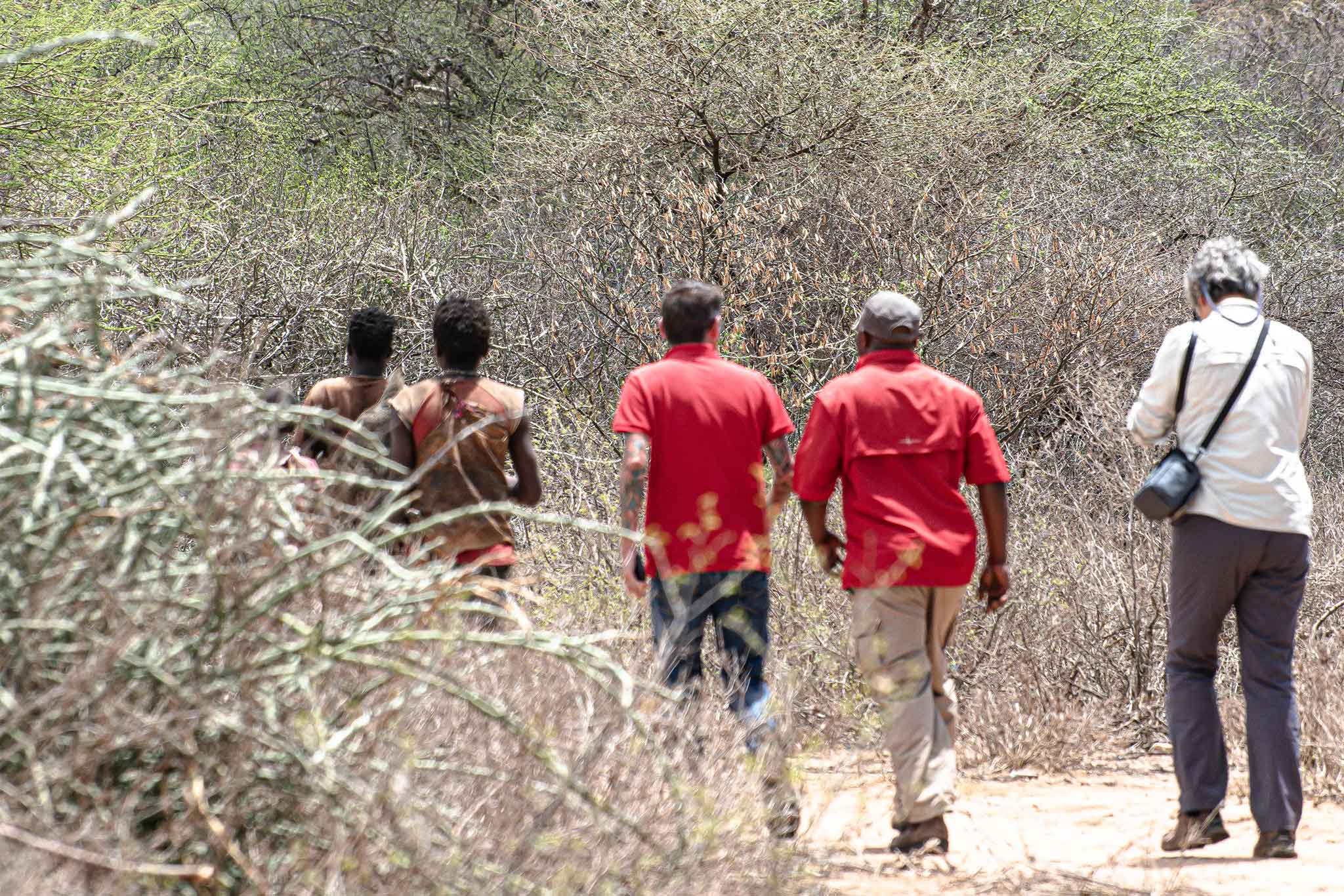
The Hadzabe are widely regarded as the last full-time hunter-gatherers in Africa, a community of roughly 1,200 to 1,300 people who still rely on bow-and-arrow hunting and wild foraging for much of their diet. Joining a Hadzabe hunting party at dawn means moving quietly through the bush behind men carrying handmade bows and poison-tipped arrows, tracking game by sight, sound, and fresh spoor rather than any modern equipment.
These aren't staged demonstrations for visitors — the hunt happens whether or not anyone is watching, and outcomes are never guaranteed, which is part of what makes the experience feel so unfiltered compared to more scripted cultural encounters elsewhere in Tanzania
The Clicking Language of the Hadza
Linguists classify Hadza as a language isolate, meaning it has no proven relationship to any other language on Earth, and it's one of only a handful of African languages built around click consonants. Spending time with a Hadzabe guide, you'll hear the rhythmic clicks that punctuate ordinary conversation, along with a curious tradition of "triumphal names" — special calls shouted out to announce which animal has just been killed on a hunt.
Datoga Blacksmiths and Beadwork
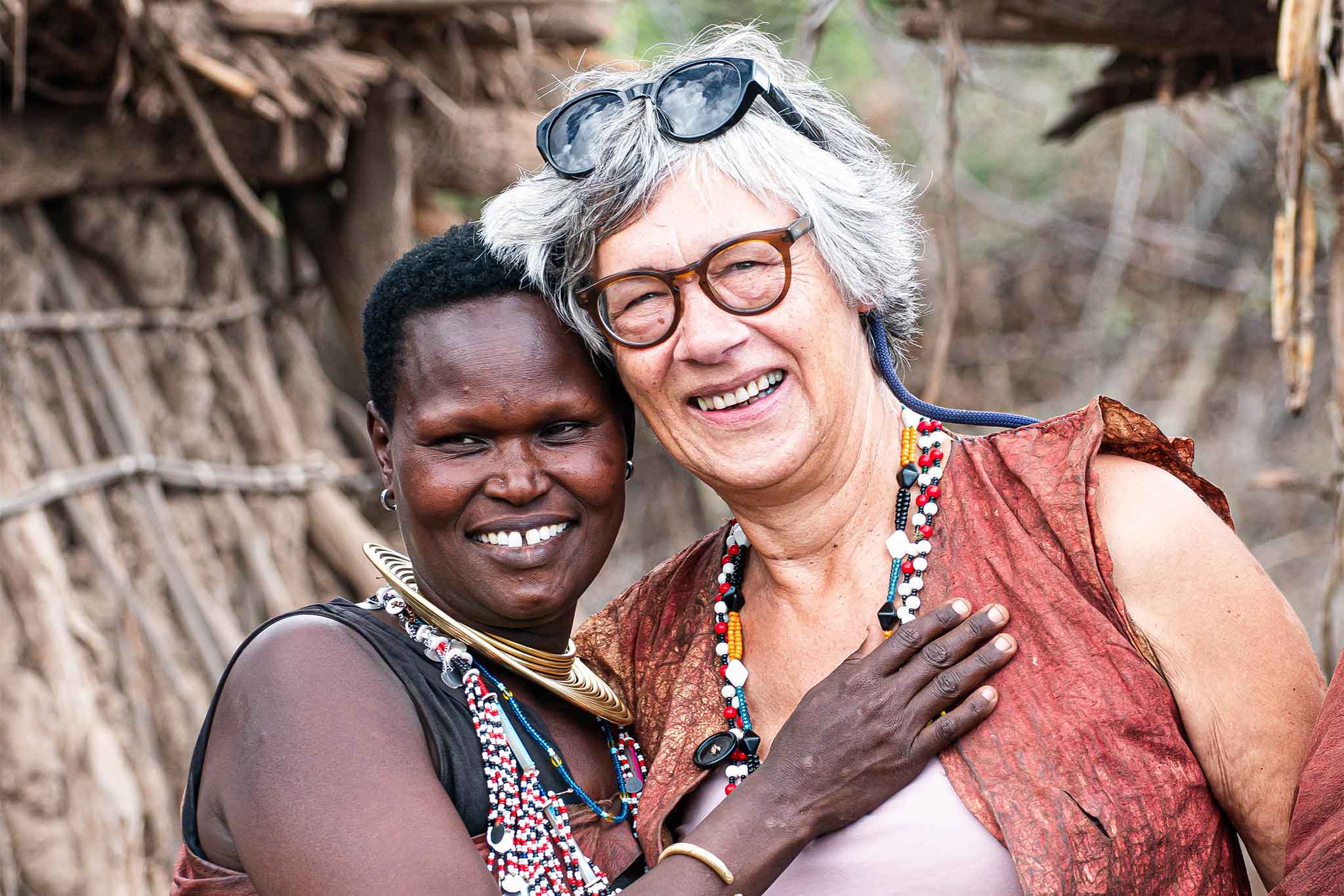
A short drive from the Hadzabe's hunting grounds, the Datoga — traditionally cattle-keeping pastoralists — bring a completely different rhythm of life. At a Datoga homestead you can watch blacksmiths melt down scrap metal over a charcoal fire and hand-forge it into arrowheads, knives, bracelets, and the beaded jewelry the Datoga are known for, all using tools and techniques passed down through generations.
The contrast between a morning with the hunting, foraging Hadzabe and an afternoon with the settled, metalworking Datoga is one of the things that makes a Lake Eyasi visit feel like two cultural safaris in one.
A Lake That Appears and Disappears
Lake Eyasi is the largest body of water in Tanzania's Arusha region, yet it's astonishingly shallow — even at its fullest, depths typically stay under a meter, and in the dry season the lake can shrink almost to nothing, leaving a cracked, pale flat that people and livestock walk straight across. In wetter years, especially during El Niño rains, it can swell back over its banks, transforming the same basin into a shimmering expanse that draws in waterbirds almost overnight.
This is a lake in constant flux, and no two visits — even a few months apart — look quite the same.
Flamingos and Rift Valley Waterbirds
When the rains fill it, Lake Eyasi's alkaline waters attract large numbers of flamingos and great white pelicans, alongside African spoonbills, yellow-billed storks, pied avocets, and grey-headed gulls working the shallows. Because water levels shift so much through the year, birding here has an element of anticipation to it — arrive at the right time and the shoreline can be thick with pink and white wings.
Escarpment Views and Rift Valley Scenery
Lake Eyasi sits in a dramatic setting at the base of the Serengeti Plateau, with steep cliffs rising along its northwestern shore and the volcanic profile of Mount Oldeani and the Ngorongoro Highlands visible in the distance. The lake occupies its own branch of the Great Rift Valley, and the surrounding escarpment gives Lake Eyasi a raw, wide-open feel that's distinctly different from the greener crater and forest landscapes just a short drive away.
Mumba Rockshelter and Ancient Human History
Just above the lake's shoreline, the Mumba Rockshelter is one of East Africa's most important archaeological sites, with excavated layers spanning the transition from the Middle Stone Age to the Late Stone Age — the period researchers link to the emergence of modern human behavior. Digs here have uncovered thousands of ostrich eggshell beads among the earliest evidence of personal ornamentation anywhere in the world, along with stone tools, red ochre pigment, and human remains spanning tens of thousands of years.
Fossil finds from the wider Lake Eyasi basin have also contributed directly to the study of archaic Homo sapiens, making this quiet corner of the Rift Valley a genuinely significant site in the story of human origins.
Foraging Walks with Hadzabe Women
While the men hunt, Hadzabe women spend much of the day gathering — digging wild tubers, picking berries, cracking open baobab fruit, and locating wild honey using knowledge of bird behavior and tree markings built up over a lifetime in the bush. Joining a foraging walk offers a gentler, equally rich counterpoint to the hunting experience, and a clearer sense of how the Hadzabe diet comes together day to day.
Walking Safaris Through Acacia Bush
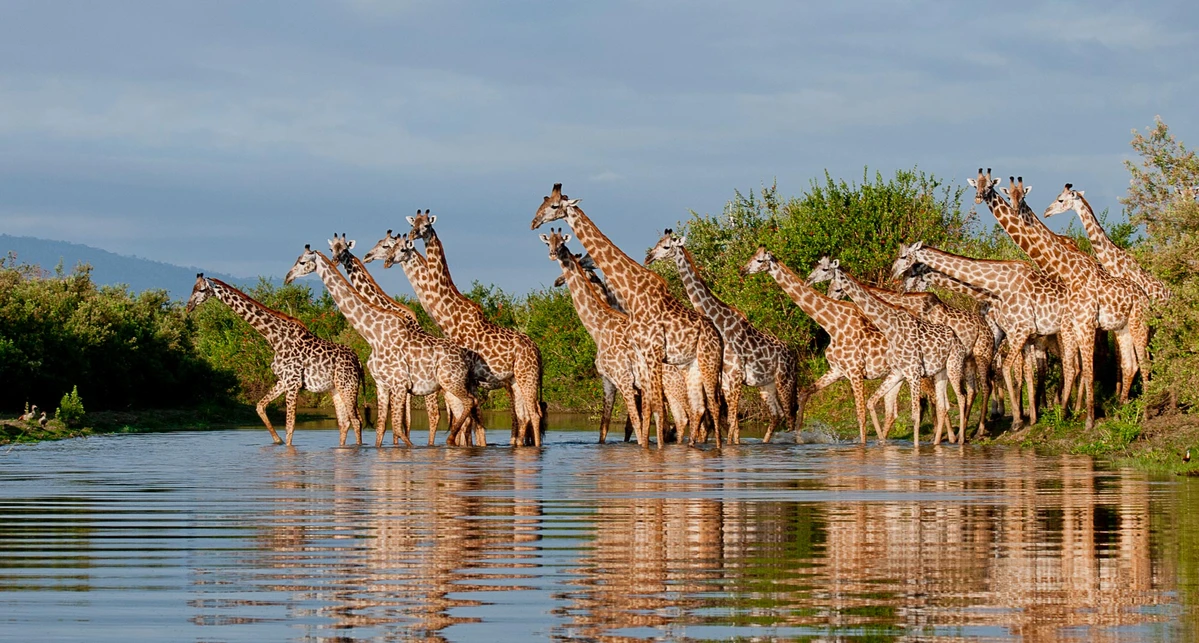
Away from the lakeshore, the surrounding acacia woodland and scrub support giraffe, zebra, baboon, and a range of antelope species, best explored on foot with an armed ranger or local guide rather than from a vehicle. Lake Eyasi isn't a big-game destination in the Serengeti or Ngorongoro sense, but the walking safaris here offer a slower, more grounded way to experience the Rift Valley bush.
One of Tanzania's Most Genuine Cultural Encounters
What ultimately sets Lake Eyasi apart is authenticity: the Hadzabe and Datoga aren't performing for tourism, they're living their daily lives, and a well-guided visit simply lets you step into that world for a morning or two. For travelers looking to round out a wildlife-focused northern circuit safari with something more human and personal, Lake Eyasi delivers an experience that's hard to find anywhere else in Tanzania.
Activities in Lake Eyasi
- Hunting with the Hadzabe
- Visiting a Datoga blacksmith village
- Walking safaris around the lakeshore and surrounding bush
- Birdwatching
- Gathering tours with Hadzabe women
- Night walks or overnight bush camping with a Hadzabe guide
- Canoeing or boat trips on the lake (when water levels allow)
- Photography tours focused on the tribes, birdlife, and Rift Valley scenery
Year-Round Weather in Lake Eyasi
November and December bring the short rains, a milder, more humid stretch with occasional afternoon showers that rarely last long enough to disrupt cultural visits or bush walks, while daytime temperatures climb slightly with the added humidity. January and February typically offer a brief, drier interlude between the two rainy seasons, with generally good conditions for travel.
The long rains arrive from March through May, the wettest and most humid period of the year, with regular afternoon downpours that green up the surrounding acacia bush and can raise Lake Eyasi's water level noticeably, drawing in flamingos and other waterbirds. Roads into the area can turn slow and muddy after heavy storms during this period, but rainfall usually falls in bursts rather than continuously, so well-planned visits are still possible with the right vehicle and guide.
Want to see more? This video is worth watching
Related Trips
Discover Tanzania
Your questions answered
Where is Lake Eyasi, and how do I get there?
Lake Eyasi sits at the southern end of Tanzania's Great Rift Valley, just south of the Ngorongoro Highlands and Karatu, a few hours from Arusha. Most of our guests reach it by road via Mto wa Mbu and Karatu on a mix of tarmac and graded dirt roads, with the final stretch requiring a sturdy 4x4. We handle the routing and vehicle as part of your itinerary, so you don't need to plan the logistics yourself.
What is Lake Eyasi known for?
Lake Eyasi is best known as Tanzania's premier cultural safari destination, home to the Hadzabe — one of the last hunter-gatherer communities in East Africa — and the Datoga, semi-nomadic pastoralists and skilled blacksmiths. It's less about big-game viewing and more about genuine, guided encounters with communities who still live largely by traditional means.
How long should I plan to stay at Lake Eyasi?
One night is enough for a focused morning visit with the Hadzabe or Datoga, but we usually recommend two nights so you can comfortably do both — a hunting walk with the Hadzabe and a visit to a Datoga blacksmith or bead-making homestead — without rushing between activities.
When is the best time to visit Lake Eyasi?
Lake Eyasi is a year-round destination since the cultural visits don't depend on wildlife movements, but the dry months from June to October and again in January to February offer the easiest road conditions and the best chance of seeing the lake itself holding water and attracting flamingos and pelicans.
Can I combine Lake Eyasi with the northern safari circuit?
Yes — Lake Eyasi combines naturally with Lake Manyara, Ngorongoro Crater, and the Serengeti, since it sits just off the same route through Karatu. We usually build it in as a one- or two-night cultural add-on at the start or end of a northern circuit safari, rather than a standalone trip.
What is it like visiting the Hadzabe people?
A Hadzabe visit typically means joining a small group at dawn for a real bow-and-arrow hunt, followed by time around the camp learning how they forage, make fire, and share what's been gathered. We work with experienced local guides and community liaisons to keep these visits respectful and unscripted, rather than staged performances.
What is it like visiting the Datoga people?
Datoga visits usually center on a homestead or blacksmith workshop, where you can watch traditional metalworking — arrowheads, knives, and jewelry forged over an open fire — and see the distinctive scarification and beadwork the Datoga are known for. It's a quieter, more settled counterpoint to the Hadzabe's hunter-gatherer lifestyle.
Is Lake Eyasi a wildlife safari destination?
Not in the Big Five sense — Lake Eyasi doesn't have the game densities of Tarangire, Manyara, or the Serengeti. What it does offer is strong birdwatching when the lake holds water, along with hippos, giraffes, zebras, and antelope in the surrounding bush, best enjoyed on a walking safari rather than a game drive.
What animals and birds can I see at Lake Eyasi?
On the lake and its shores, look for flamingos, great white pelicans, African spoonbills, yellow-billed storks, pied avocets, and grey-headed gulls, alongside hippos when water levels are up. In the surrounding acacia bush, it's common to spot giraffes, zebras, baboons, and several antelope species on a walking safari.
What activities can I do at Lake Eyasi?
Beyond the Hadzabe and Datoga visits, you can go on walking safaris along the lakeshore and in the bush, join Hadzabe women on a foraging walk, birdwatch when the lake holds water, and, on request, canoe on the lake itself in wetter periods. We tailor the mix to how much time you have and what interests you most.
Where can I stay near Lake Eyasi?
Accommodation around Lake Eyasi is more low-key than the main safari circuit — a handful of tented camps and lodges near the lakeshore, plus camping options. We match you with a property that fits your comfort level and budget as part of your overall itinerary.
What should I pack, and are there fees for cultural visits?
Pack as you would for a hot, dusty Rift Valley destination — light layers, sturdy walking shoes, a hat, and sun protection, with a warmer layer for cool early mornings before a hunting walk. Community visit fees go directly toward supporting the Hadzabe and Datoga hosts, and we build these into your itinerary quote so there's nothing to negotiate on the ground.