
Destination
Laetoli Footprints
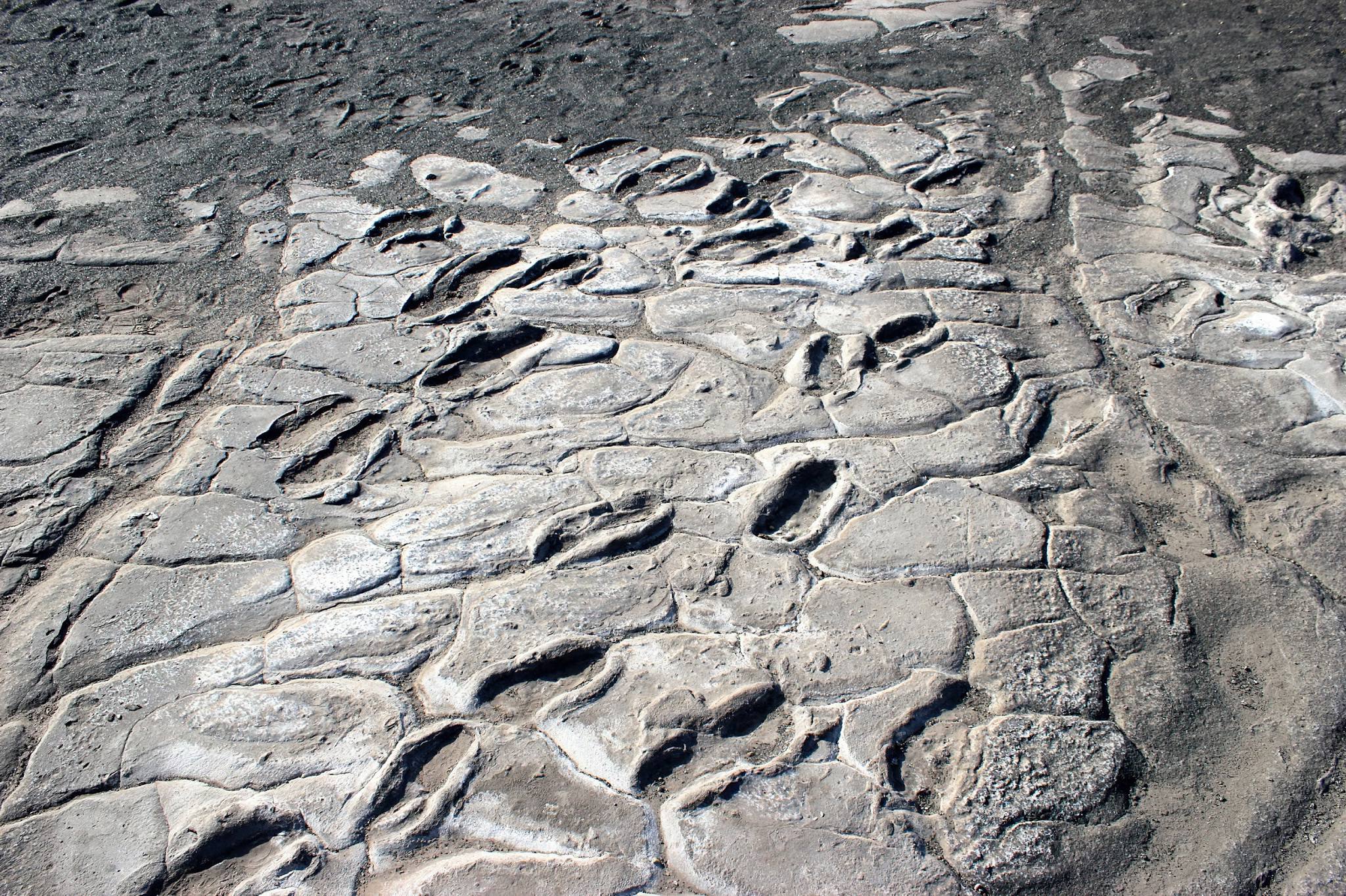
Around 3.66 million years ago, early human ancestors walked across wet volcanic ash at Laetoli, leaving footprints that hardened and survived to today. These tracks were found in 1978 by Mary Leakey’s team and are among the oldest evidence of walking upright. Visiting Laetoli lets you stand in the place where humankind’s journey began.
Destination Overview
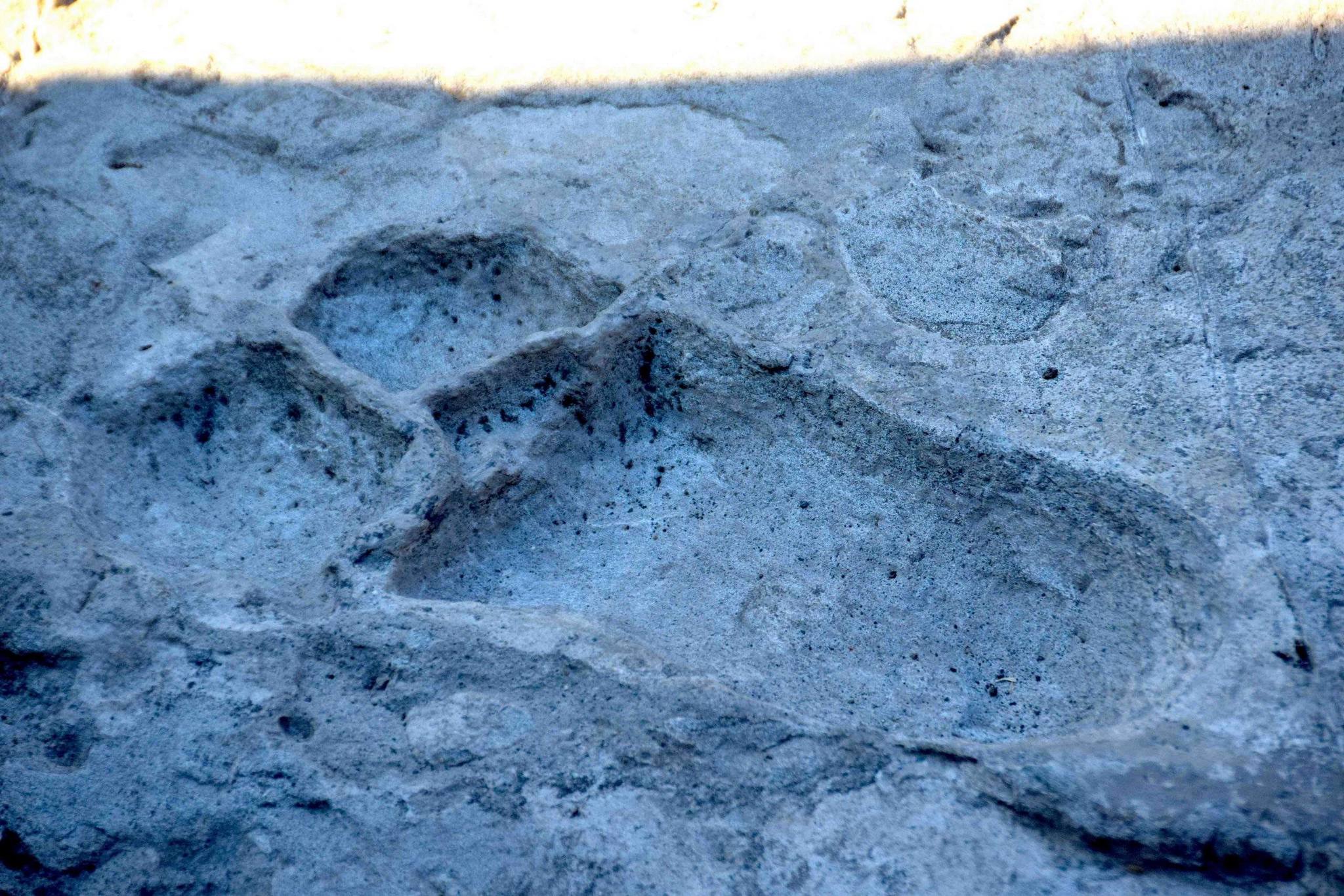
Laetoli is a paleontological site in the southern Ngorongoro Conservation Area, about 45 kilometres south of Olduvai Gorge in northern Tanzania. It is famous for its fossil footprints. About 3.66 million years ago, the nearby Sadiman volcano covered the land in fine ash. Light rain turned the ash into something like wet cement, and early human ancestors walked across it, leaving a trail of footprints about 27 metres long. In 1978, Mary Leakey’s team uncovered this trail. The prints are generally attributed to Australopithecus afarensis, and they show a heel-to-toe stride very much like our own. They are among the earliest clear evidence that our ancestors walked fully upright. More hominin tracks were discovered nearby in 2015, along with thousands of fossil prints from ancient birds, hares, rhinos, elephants, and giraffe ancestors.
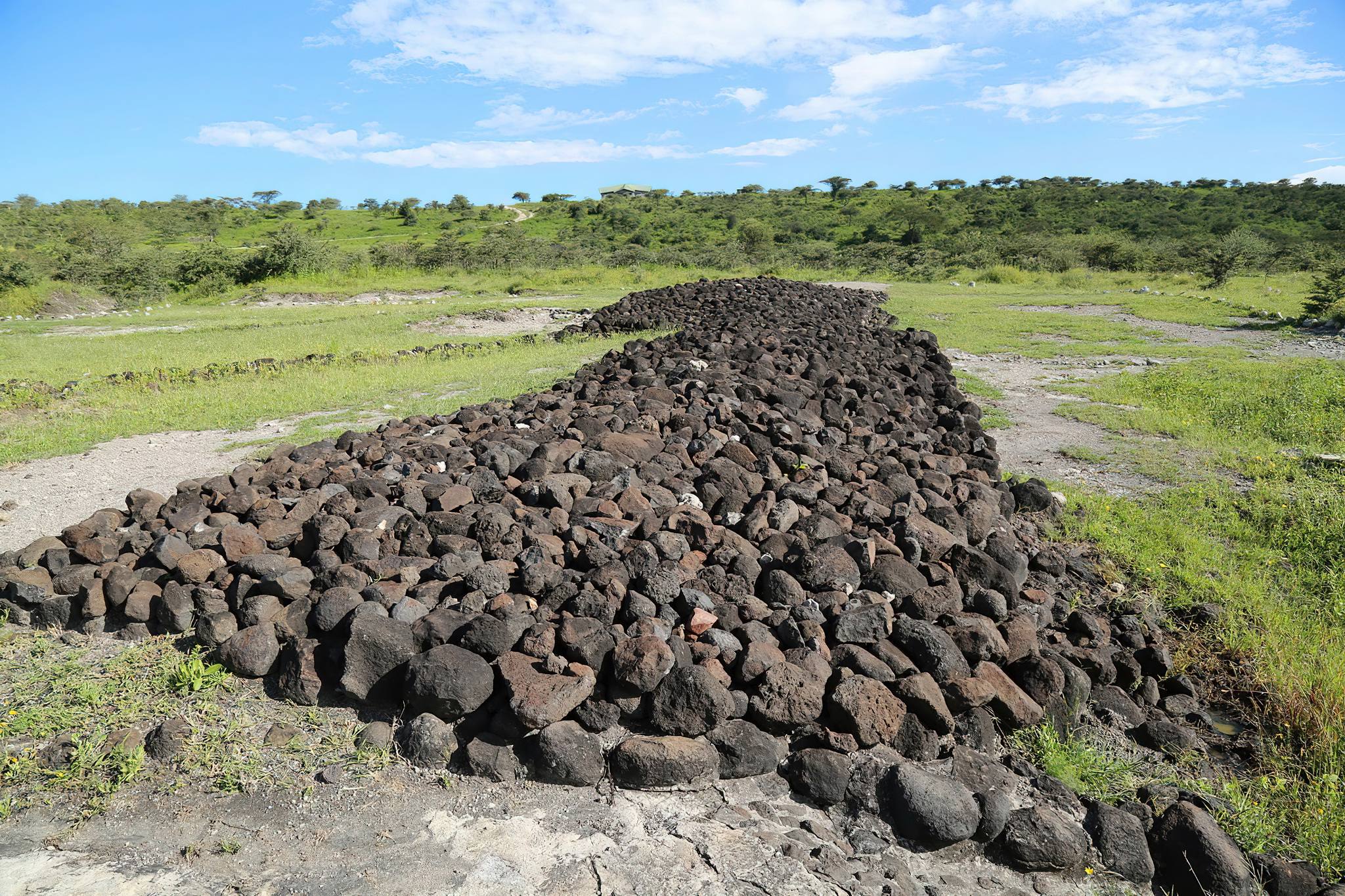
Today, Laetoli is a quiet and remote place with open grassland, acacia scrub, and volcanic highlands, far from the busy safari circuits. The original footprints have been reburied to protect them. Visitors see a detailed replica and a small museum that explains the discovery and its meaning for human evolution. Maasai herders still graze their cattle across these plains, so the visit offers both ancient history and living culture. Many travellers pair Laetoli with Olduvai Gorge and the Ngorongoro Crater for a day exploring both deep human history and some of Africa’s most dramatic scenery.
The 3.66-Million-Year-Old Footprints
Laetoli is where one of the most important discoveries in human history was made. A trail of footprints was pressed into volcanic ash 3.66 million years ago and preserved almost perfectly. The prints show early human ancestors walking upright with a stride much like ours, which makes them some of the oldest direct evidence of bipedal walking ever found.
Footprint Replica and Site Museum
To protect the original trail, it has been carefully reburied. Visitors can see a full-size replica alongside a small museum. The displays explain how the prints formed, how they were discovered, and what they tell us about our ancestors’ bodies, behaviour, and environment.
Mary Leakey’s Legacy
The footprints were uncovered in 1978 by the team of Mary Leakey, one of the most influential paleoanthropologists of the 20th century. At Laetoli, guests can stand where her team worked and learn about the work of the Leakey family in East Africa.
A Rich Fossil Landscape
Besides the hominin trail, Laetoli has thousands of fossilized animal tracks left by ancient birds, hares, rhinos, elephants, and early giraffes. The site also produced the type specimen of Australopithecus afarensis, the same species as the famous “Lucy” skeleton.
Expert Guided Interpretation
Guides from the Ngorongoro Conservation Area explain the science, geology, and history of the site. Their stories help visitors picture the ancient world when the Sadiman volcano was active and early hominins crossed the ash-covered plains.
Remote, Uncrowded Wilderness
Laetoli lies off the main safari routes, so it offers peace and solitude that are rare in northern Tanzania. Visitors often have the site almost to themselves, which leaves time to explore slowly and take in its significance.
Sweeping Volcanic Scenery
The site sits among semi-arid grassland, acacia and commiphora scrub, and the slopes of the Ngorongoro highlands. It offers wide views and good photography, especially in the soft light of early morning or late afternoon.
Wildlife and Birdlife
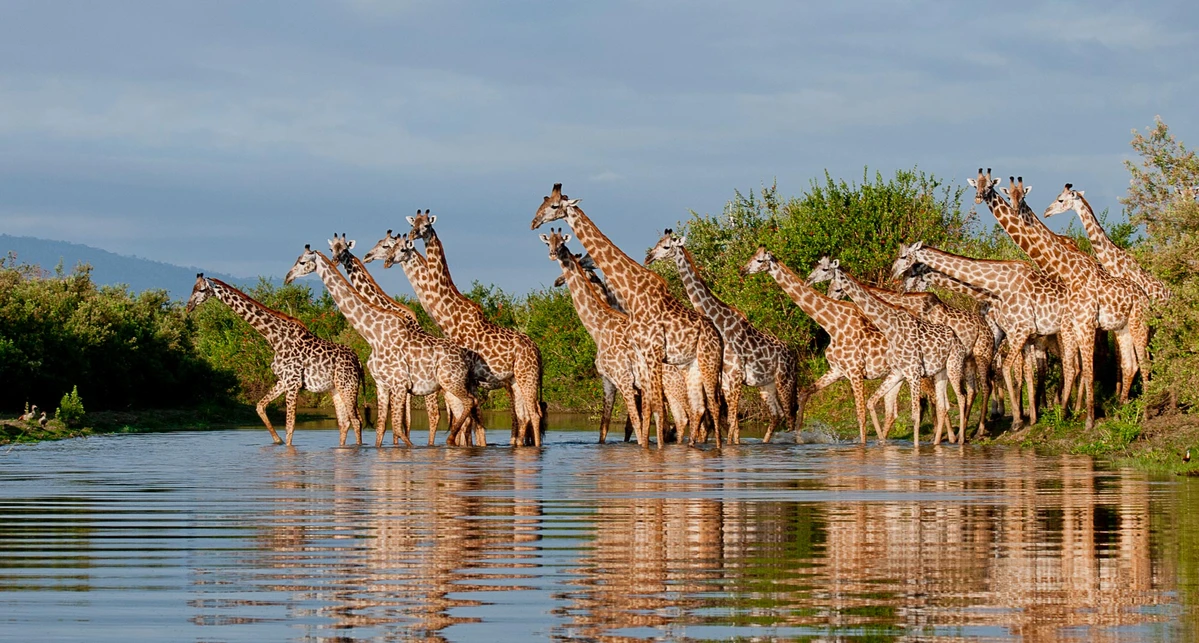
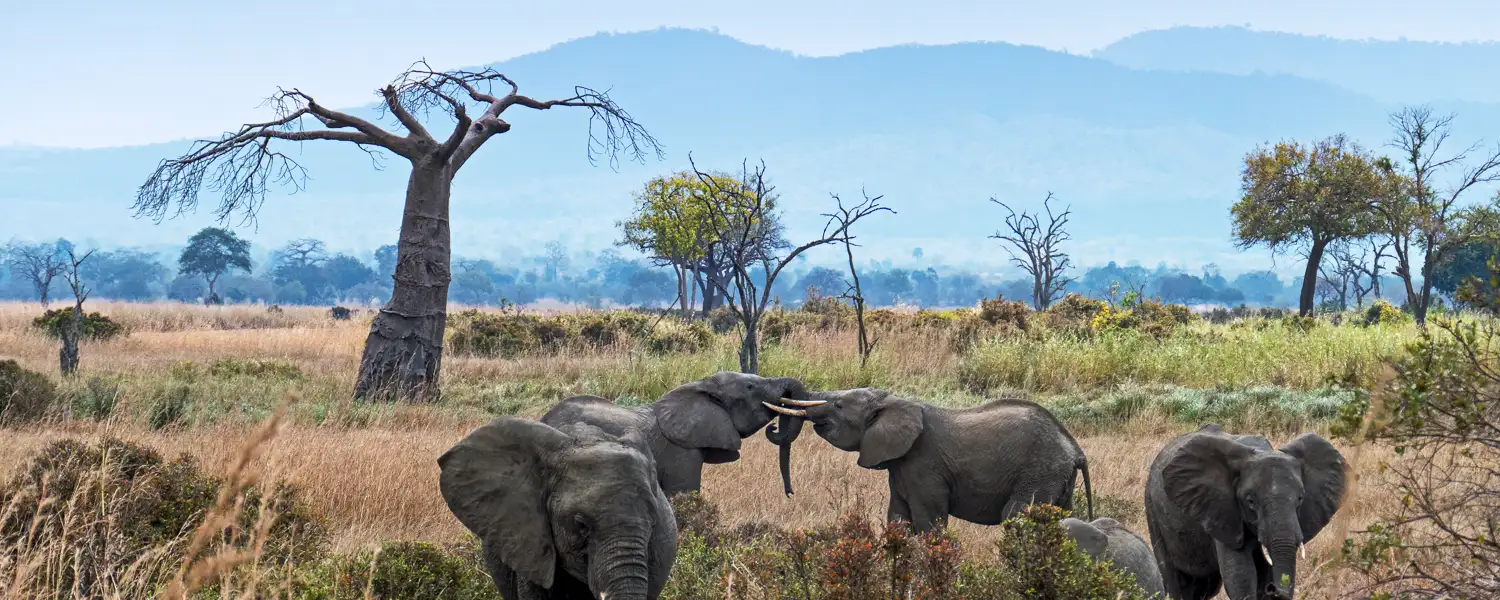
Wildlife is sparser here than in the Crater or the Serengeti, but visitors may see giraffe, zebra, gazelles, dik-dik, jackals, and bat-eared foxes. Ostriches, Kori bustards, secretarybirds, and many plains birds are also common sights.
Maasai Cultural Encounters
Maasai herders still graze their cattle across the Laetoli plains. A visit to a nearby boma offers an introduction to Maasai traditions, dress, homes, and a pastoral way of life that has lasted for centuries.
Perfect Pairing with Olduvai Gorge and Ngorongoro Crater
Laetoli is about 45 kilometres south of Olduvai Gorge, the “Cradle of Mankind,” and is well placed for a trip into the Ngorongoro Crater. Together, the three make a memorable day or two of prehistory, culture, and dramatic African scenery.
Activities in Laetoli Footprints
- Visit the footprint site and see the replica cast of the 3.66-million-year-old trail
- Explore the small on-site museum and its displays on human evolution
- Take a guided tour with a Ngorongoro Conservation Area guide
- Walk the open landscape where early hominins once roamed
- Visit nearby Maasai communities to learn about their culture and daily life
- Photograph the wide plains and volcanic highlands
- Combine the trip with Olduvai Gorge for a full day of prehistory
Year-Round Weather in Laetoli Footprints
Related Trips
Discover Tanzania
Your questions answered
Where is Laetoli located?
Laetoli lies in the southern part of the Ngorongoro Conservation Area in northern Tanzania, about 45 kilometres south of Olduvai Gorge. It sits in quiet, remote country southwest of the Ngorongoro highlands, well away from the busy safari routes. That remoteness is part of what makes a visit special.
Why is Laetoli so famous?
Laetoli is home to a trail of footprints left in volcanic ash about 3.66 million years ago. They are generally attributed to Australopithecus afarensis, the species of the famous “Lucy” skeleton, and are among the earliest direct evidence that our ancestors walked fully upright. The site has also produced important hominin fossils and thousands of tracks from ancient animals, which makes it one of the most significant places in the study of human evolution.
Can I see the original footprints?
No. To protect them from erosion and damage, the original footprints were carefully reburied after they were studied. Visitors see an accurate full-size replica and a small site museum that explains how the prints formed, how they were found, and why they matter. Our guides help bring the story to life so you can picture the scene millions of years ago.
How do I get to Laetoli from Arusha?
The drive from Arusha usually takes several hours. You travel through Karatu and into the Ngorongoro Conservation Area, then continue on rough dirt tracks to the site. A sturdy 4x4 safari vehicle with an experienced driver-guide is essential. iTour Tanzania arranges all transport, permits, and guiding, so all you need to do is enjoy the journey.
How much time should I spend at Laetoli?
Most visitors spend one to two hours at the site, exploring the replica and museum and listening to their guide. Because of the travel time, we recommend making it part of a full day that also includes Olduvai Gorge, or adding it to a longer northern circuit safari with the Ngorongoro Crater and the Serengeti.
Is there accommodation at Laetoli?
There are no lodges at the site itself. Guests usually stay in the Karatu area or on the Ngorongoro highlands, where options range from comfortable budget lodges to luxury properties with views over the crater. As with all our itineraries, we offer budget, mid-range, and luxury choices for every night of your trip.
What is the best time to visit Laetoli?
The dry season from June to October is ideal. The roads are in good condition, the skies are clear, and the views are good for photography. January and February are also a good time to visit, when the plains are green between the rains. The long rains from March to May can make the dirt roads muddy and slow, so we plan trips carefully in that season.
Will I see wildlife at Laetoli?
Laetoli is a cultural and historical site rather than a game-viewing destination, so wildlife is sparser than in the Crater or the Serengeti. You may still see giraffe, zebra, gazelles, dik-dik, jackals, ostriches, and Kori bustards, and you will often meet Maasai herders with their cattle. For the best wildlife experience, we pair Laetoli with nearby safari destinations.
Is Laetoli suitable for children and families?
Yes. Laetoli works well for families, especially children who are curious about dinosaurs, fossils, and history. The visit does not involve strenuous walking, and our guides explain the science in a way everyone can enjoy. Older children often find it one of the most memorable stops of their trip.
Can I combine Laetoli with a Maasai cultural visit?
Yes. Maasai communities live in the surrounding area. A visit to a traditional boma lets you learn about their customs, homes, and pastoral way of life. We can add this as an optional cultural stop on the same day.
What should I bring?
We recommend sun protection (hat, sunglasses, sunscreen), comfortable closed shoes, a light jacket for the cooler highland mornings and evenings, a camera, and a refillable water bottle. Facilities at the site are basic, so we plan meals and comfort stops in advance. Packed lunches are usually provided on full-day excursions.
Are park and site fees included?
In our quotes, Ngorongoro Conservation Area entry fees, the Laetoli site fee, transport, and guiding are all included, so you won’t face surprise costs. Since fees and itineraries vary, our prices are shown as “Request a quote” and are tailored to your travel dates, group size, and accommodation level.
Why visit Laetoli with iTour Tanzania?
Our Arusha-based team has up to 15 years of experience in tour operations, and we specialise in combining Tanzania’s famous highlights with its hidden gems. We design private and small-group journeys with knowledgeable local guides, so your visit to Laetoli is meaningful and well organised. Discover Tanzania, Authentically.