
Destination
Kondoa Rock-Art Sites (Kolo)
Near Kolo village in central Tanzania, the UNESCO-listed Kondoa Rock-Art Sites hold around 150 rock shelters with paintings of people, hunting scenes and wildlife dating back at least two thousand years. A short guided hike reaches the main shelters, an easy cultural stop on the Arusha–Dodoma route.
Destination Overview
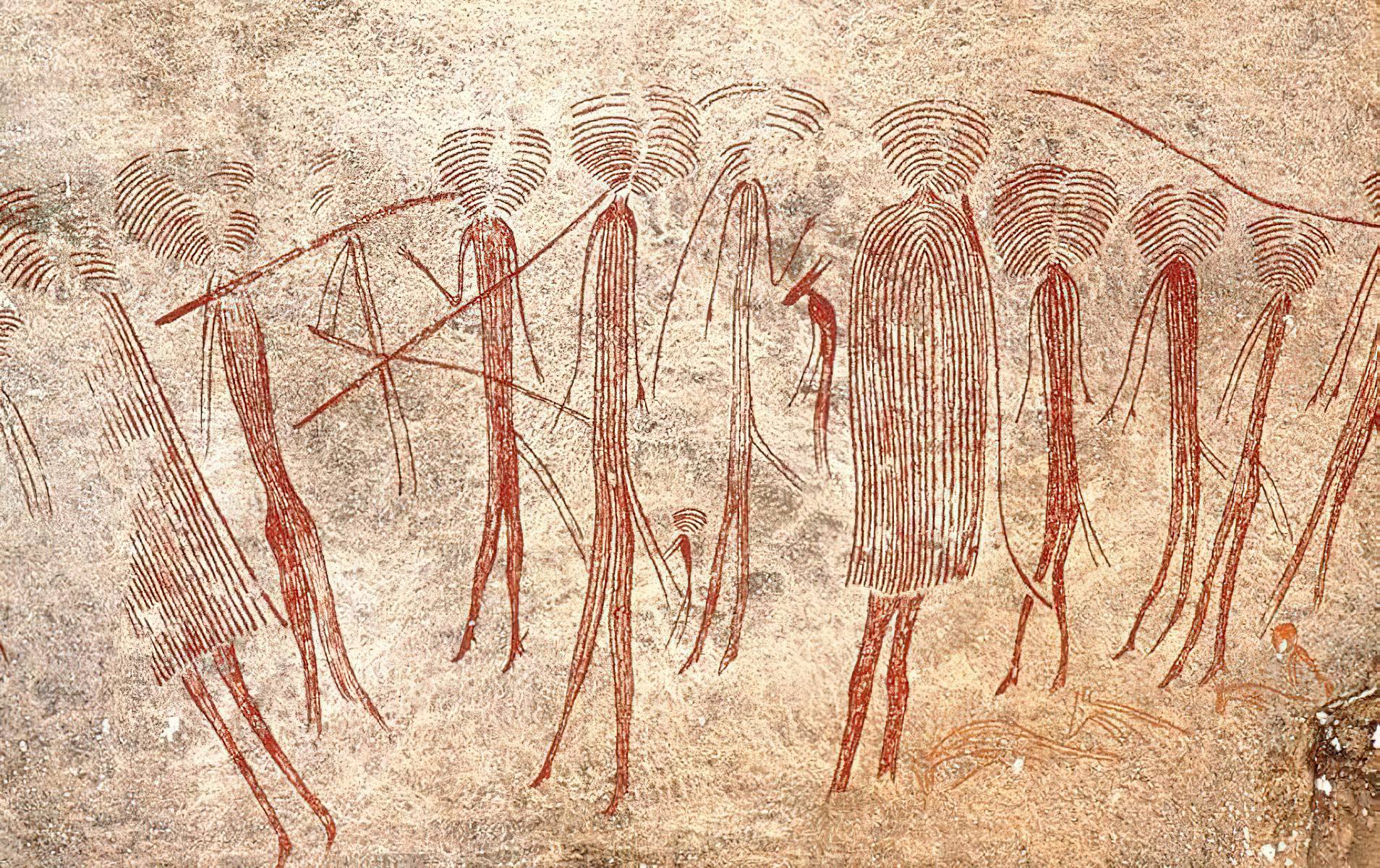
Tucked into the granite hills of central Tanzania, about 20 km north of Kondoa town, Kolo is home to the most accessible of the Kondoa Rock-Art Sites, a UNESCO World Heritage Site since 2006. Around 150 painted rock shelters are scattered along the slopes of the Maasai Escarpment, at the edge of the Great Rift Valley. Their walls hold paintings created over at least 2,000 years. Hunter-gatherers painted graceful, elongated human figures, hunting and dancing scenes, and animals such as giraffe, eland and elephant in red ochre, and later agro-pastoralist communities added their own figures in white and black. Some shelters are still used by local communities for rituals, which makes Kolo a living heritage site as well as a remarkable record of the past.
Guided hikes on short, rocky trails lead between the shelters, past giant boulders and woodland, to viewpoints overlooking the plains below. Along the way, local Rangi guides share the stories behind the paintings and the traditions of the communities who still care for them. Kolo is just off the Arusha–Dodoma road, so it is easy to add to a safari itinerary, especially alongside Tarangire National Park, and it adds a rich cultural chapter to any journey through Tanzania.

UNESCO World Heritage Site since 2006
The Kondoa Rock-Art Sites were inscribed on the UNESCO World Heritage List in 2006 for their exceptional cultural and historical value. The protected area covers more than 2,300 square kilometres of hills and escarpment in Kondoa District, Dodoma Region. It is one of only a handful of cultural World Heritage Sites in Tanzania, so visitors see a side of the country rarely included in safari itineraries.
Around 150 painted rock shelters
Some 150 decorated shelters are scattered across the granite hills facing the Maasai Steppe, and more are still being documented. The shelters around Kolo are the best known and most accessible, and include several of the finest and best-preserved panels. Archaeologist Mary Leakey recorded many of them in the 1950s, bringing the site to international attention.
Rock paintings dating back at least 2,000 years
The paintings were made over many centuries, and some may be far older than 2,000 years. The earliest layers are attributed to hunter-gatherer communities. Later agro-pastoralist peoples added simpler figures in white and black. Together the layers record a long story of how different cultures lived in, and gave meaning to, this landscape.
Elongated human figures, hunting scenes and wildlife art
Most of the oldest images are in red ochre and show strikingly slender human figures, sometimes with elaborate headdresses, in scenes of hunting, dancing and daily life. Animals are drawn with remarkable detail, including giraffe, eland, elephant, rhino and antelope. Some panels hold dozens of overlapping figures, and a guide helps visitors pick out scenes that are easy to miss at first glance.
Shelters still used for local rituals today
Kolo is a living heritage site. Some shelters remain sacred to nearby communities and are still used for ceremonies such as rainmaking and healing. This continuing connection adds depth to a visit and is a reminder to treat the sites with respect.
Scenic hikes with views over the Maasai Escarpment
The shelters are reached on short but steep, rocky trails that wind through boulders, woodland and granite outcrops. Along the way, viewpoints open up wide panoramas over the plains and the edge of the Great Rift Valley. The walks suit most reasonably fit travellers and are especially beautiful in the soft light of early morning or late afternoon.
Encounters with the local Rangi community
The Rangi (Warangi) people have lived in the Kondoa hills for generations, and local guides often come from the surrounding villages. Visitors can learn about Rangi farming, customs and village life, and hear how the community understands and protects the paintings. A stop in Kolo village or Kondoa town offers a genuine look at rural life in central Tanzania.
Easy cultural stop on the Arusha–Dodoma route
Kolo lies just off the main Arusha–Dodoma road, about 20 km north of Kondoa town, so it fits easily into a wider journey. It pairs especially well with Tarangire National Park, combining wildlife viewing with a rich cultural experience. It also makes a memorable break on a road trip between northern Tanzania and the capital, Dodoma.
Activities in Kondoa Rock-Art Sites (Kolo)
- Guided rock-art tours
- Hiking
- Visitor centre visit
- Cultural visits with the Rangi community
- Nature walks and birdwatching
- Photography
- Village and market visits
Year-Round Weather in Kondoa Rock-Art Sites (Kolo)
The rainy season runs roughly from December to April. Afternoon showers and thunderstorms turn the hills green, temperatures stay warm, and the heaviest rain usually falls between January and April. Trails can be slippery and some roads muddy during this time. The dry months from June to October are the most comfortable for hiking and viewing the paintings.
Want to see more? This video is worth watching
Related Trips

Discover Tanzania
Your questions answered
Where is Kolo?
Kolo is a small village in Kondoa District, Dodoma Region, in the heart of central Tanzania. It lies about 20 km north of Kondoa town, just off the main Arusha–Dodoma road, on the eastern slopes of the Maasai Escarpment. The surrounding hills overlook the plains at the edge of the Great Rift Valley. Kolo is the best-known and most accessible gateway to the Kondoa Rock-Art Sites.
What is Kolo famous for?
Kolo is famous for its ancient rock paintings, part of the Kondoa Rock-Art Sites, inscribed as a UNESCO World Heritage Site in 2006. Around 150 painted shelters are scattered across the hills, showing slender human figures, hunting and dancing scenes, and animals such as giraffes, eland, and elephants. The paintings were made over at least 2,000 years by hunter-gatherer and later agro-pastoralist communities. Kolo is also known as a living heritage site, because some shelters are still used for local rituals.
How do I get there?
Kolo is reached by road and works well as a stop on a longer journey. It is about a 4–5 hour drive from Arusha, around 3 hours from Dodoma, and a few hours from Tarangire National Park via Babati. The main road is tarmac, and the final stretch to the shelters is on short gravel tracks. Most visitors travel with a tour operator, which makes it easy to combine Kolo with a safari in northern Tanzania.
Do I need a guide?
Yes. All visits to the rock-art shelters are made with a local guide, arranged at the antiquities information office in Kolo. The office is also where visitors register and pay entrance fees. Guides know the trails well and point out details in the paintings that are easy to miss. They also explain the history of the sites and their meaning to local communities.
How long does a visit take?
Most visitors spend half a day at Kolo, which allows time to visit the main shelters, stop at the information centre, and enjoy the views. The best-known shelters are close together and can be seen in about 2–4 hours. Travellers with a deeper interest in rock art can arrange a full-day hike to more remote shelters. Starting early in the day makes the walk cooler and more enjoyable.
How difficult is the hike?
The trails are short but steep and rocky in places, with some scrambling over boulders. A moderate level of fitness is enough, and most travellers manage comfortably at a relaxed pace. There are natural resting spots along the way with shade and views over the plains. Sturdy shoes are important, especially after rain, when rocks and paths can be slippery.
What is the best time to visit?
The dry season, from June to October, is the most comfortable time to visit, with dry trails, clear skies and pleasant daytime temperatures. June and July bring cool mornings and evenings, while October and November are the hottest months. The rainy season, roughly December to April, turns the hills green and beautiful, but trails can be slippery and roads muddy. Whatever the season, early mornings and late afternoons offer the best light and the most comfortable hiking conditions.
Can I take photos of the paintings?
Yes, photography is generally allowed, and the shelters and surrounding landscape make excellent subjects. To protect the ancient pigments, visitors should never touch the paintings or splash water on them to make them clearer, a practice that has damaged some sites in the past. Avoid using flash close to the rock surfaces. Your guide can advise on the best angles and any shelters where special care is needed.
Where can I stay?
Accommodation near Kolo is simple and limited. Kondoa town has basic guesthouses for travellers who want to stay locally. Many visitors instead visit Kolo as a day trip from Babati or the Tarangire area, where there is a wider choice of lodges and camps. Others stop at Kolo as a cultural break on the road between Arusha and Dodoma.
What should I bring?
Bring comfortable, sturdy walking shoes with good grip, as the trails are rocky and uneven. A hat, sunscreen and sunglasses are essential, as much of the walk is exposed to the sun, and you should carry enough drinking water for the hike. Light layers are useful for cool mornings, especially from June to August. A camera, binoculars for birdwatching, and some small cash for local purchases or tips are also recommended.
Is Kolo suitable for families?
Yes. Kolo is a rewarding cultural experience for families, and children often enjoy spotting animals and people in the ancient paintings. The hikes are short enough for most children who are comfortable walking on uneven ground, though younger ones may need help on steeper sections. Guides are good at making the stories behind the paintings engaging for all ages. Bring snacks, water and sun protection to keep everyone comfortable.