
Destination
Katavi National Park
Deep in Tanzania's remote southwest, Katavi National Park delivers wild, uncrowded drama — thousand-strong buffalo herds, thriving lion prides, and hippos and crocodiles crammed shoulder to shoulder into shrinking dry-season pools.
Destination Overview
Katavi National Park covers about 4,471 square kilometers in remote western Tanzania, near the town of Mpanda and not far from Lake Tanganyika, making it the country's fourth-largest national park behind Nyerere, Ruaha, and Serengeti. First protected in 1911 and gazetted as a national park in 1974 before later expanding to its current size, Katavi is centered on the Katuma River and two seasonal lakes, Lake Katavi and Lake Chada. The park takes its name from Katabi, a legendary hunter-spirit of the local Bende and Pimbwe peoples said to inhabit a tamarind tree by the lakeshore, where locals still leave offerings today.
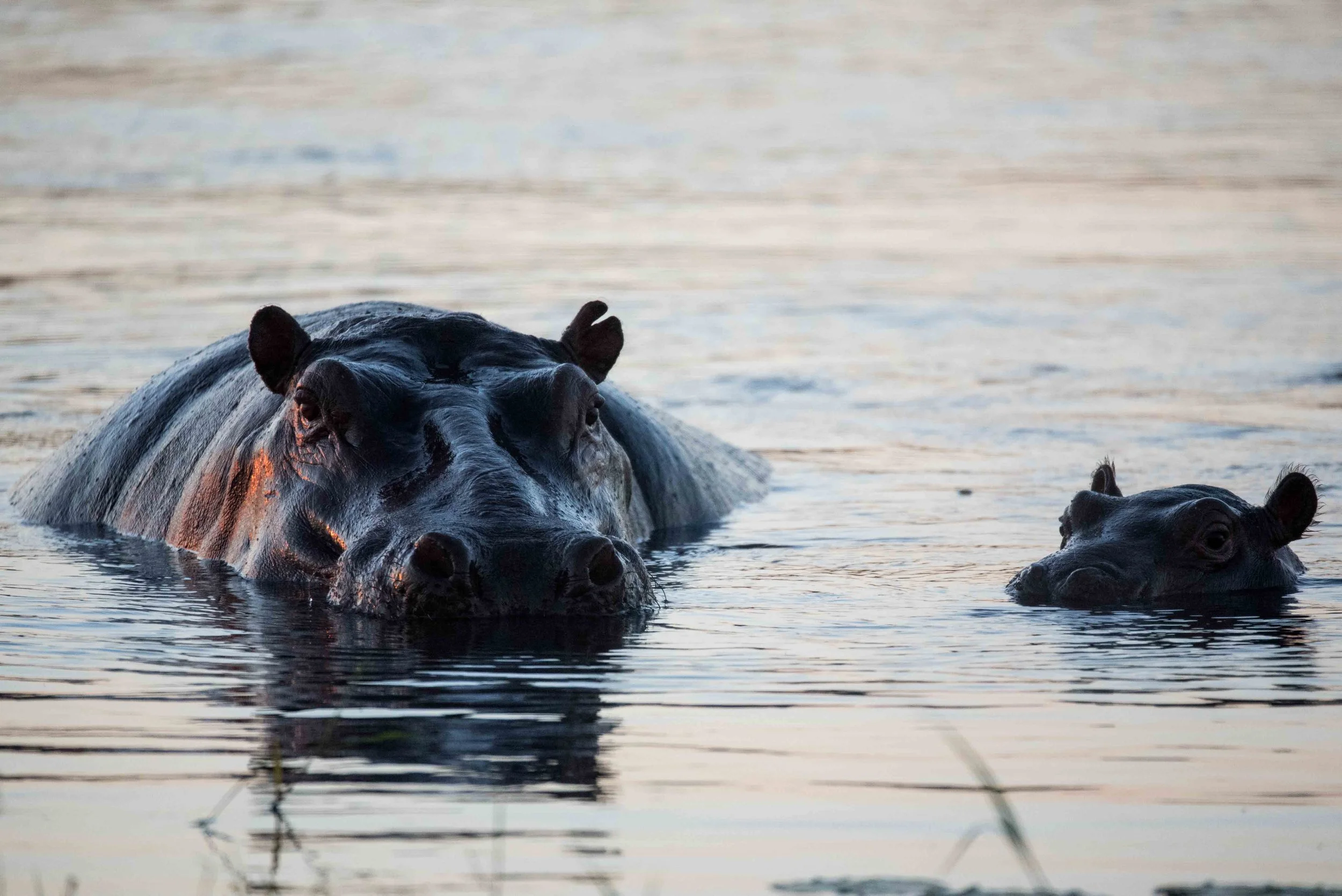
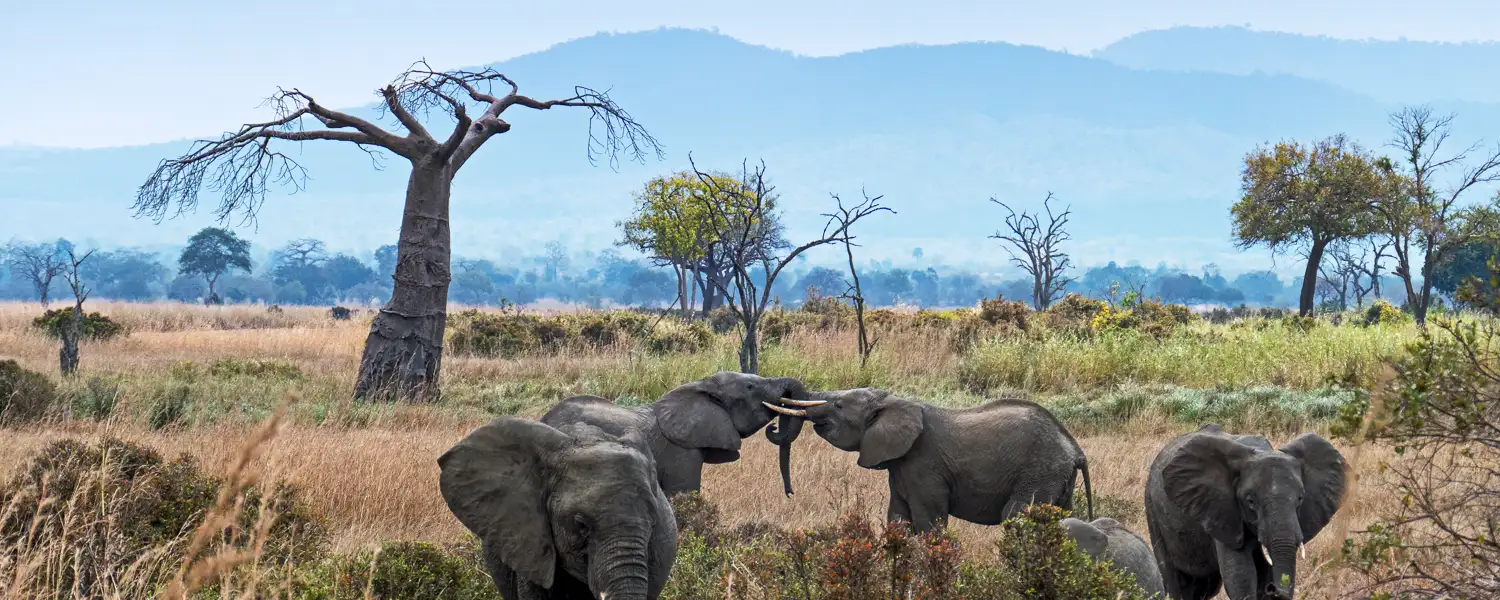
Katavi's wildlife centers on some of Tanzania's largest buffalo herds and a dramatic dry-season spectacle: as the Katuma River and its lakes shrink between roughly May and October, hundreds of hippos crowd into the last remaining pools, sparking fierce contests for space. Lion, elephant, and cheetah are all present, though black rhino is absent, so this isn't a true Big Five park; what it offers instead is one of Africa's genuinely uncrowded safari experiences, reached only by charter flight and receiving just a small fraction of the visitors seen at Serengeti or Ngorongoro each year. Most travelers stay three to four nights, with the dry season offering the best game viewing, and Katavi pairs naturally with Mahale Mountains National Park for chimpanzee trekking, or with Ruaha further south.

The Legend of Katabi
Katavi takes its name from Katabi, a hunter-spirit of the local Bende and Pimbwe peoples, believed to inhabit a tamarind tree standing by the shore of Lake Katavi. Local communities still leave offerings at its base for blessings and good fortune, giving the park a layer of living folklore that few other Tanzanian destinations can offer.
The Dry-Season Hippo Squeeze
As the Katuma River and the seasonal Lake Katavi and Lake Chada shrink between roughly May and October, hundreds of hippos are forced into a handful of small, muddy pools, their close quarters sparking dramatic, sometimes violent contests between rival bulls. It's one of the most visceral wildlife spectacles in East Africa, and Katavi is one of the very few places to see it play out.
Crocodiles Denning Together in the Dry Season
Rather than compete with the hippos for the shrinking pools, Katavi's crocodiles retreat into riverbank caves and burrows to sit out the dry months in a dormant, tightly packed huddle. It's an unusual piece of reptile behavior that adds another layer of drama to the park's famous dry season.
Some of Tanzania's Largest Buffalo Herds
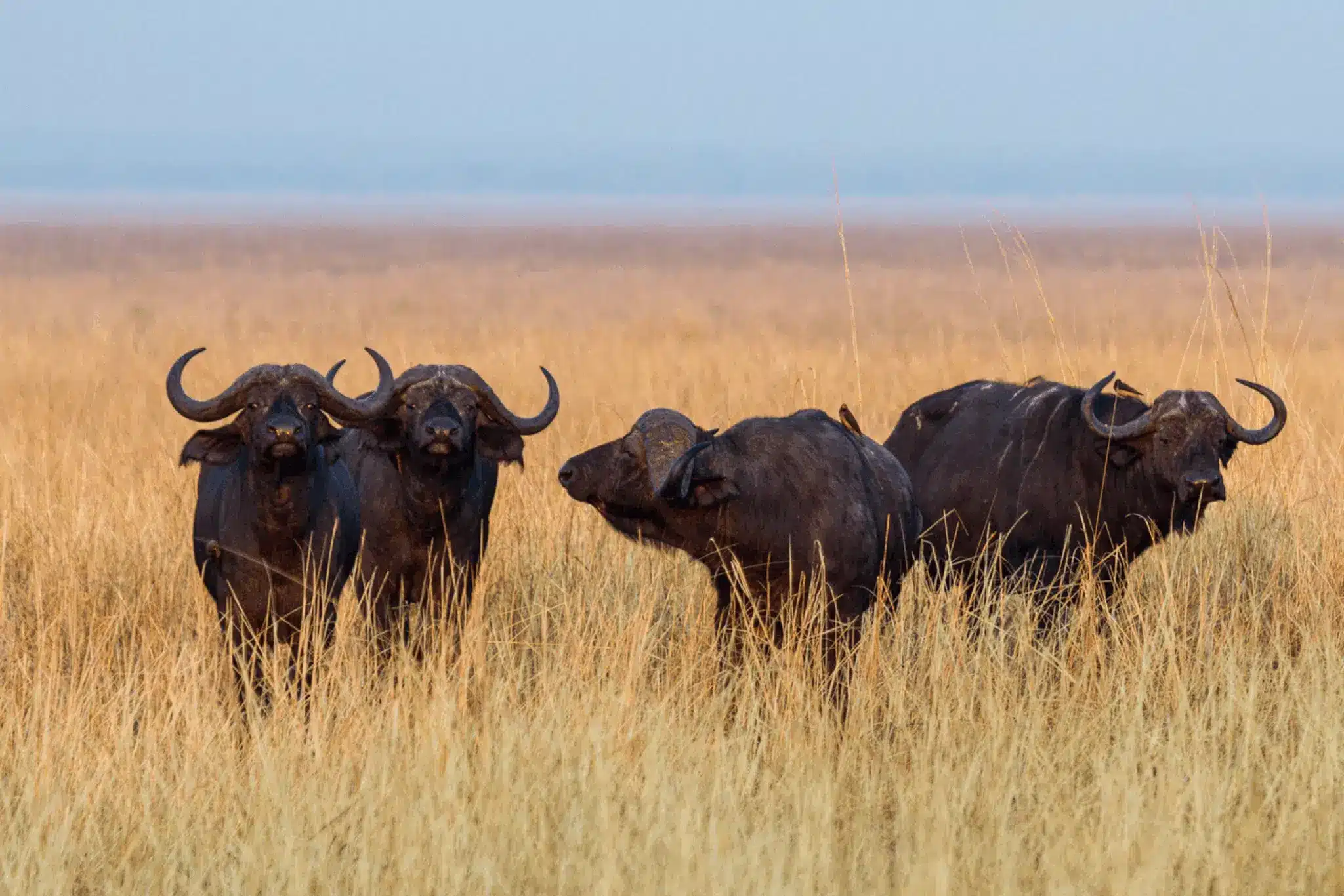
Katavi is known for buffalo herds that can number well over a thousand animals, moving across the plains in a scale rarely matched elsewhere in Tanzania. Watching one of these herds cross open ground, dust rising behind them, is a signature Katavi sight in its own right.
The Katisunga Plain — Katavi's "Small Serengeti"
The roughly 425-square-kilometer Katisunga Plain is often described as Katavi's own miniature Serengeti, an open grassland where herbivores and predators alike gather in view of the surrounding miombo woodland. It's one of the park's most productive areas for sustained game viewing.
A Lion Pride Once Followed by International Cameras
Katavi's lions made global television screens when a wildlife documentary crew followed a resident pride here, capturing a coordinated, pincer-style hunting strategy used to bring down buffalo. Visiting Katavi means the chance to witness the same kind of cooperative predator behavior that once captivated audiences worldwide.
A Predator Ecosystem Still Being Studied
Peer-reviewed research into Katavi's lions found spotted hyenas here outnumber lions by more than four to one, an unusual ratio that scientists have linked to hunting pressure in the reserves surrounding the park rather than any shortage of prey. For visitors, that means an ecosystem shaped by real, ongoing scientific interest, not just marketing copy.
Walking Safaris and Fly-Camping in True Wilderness
Guided walking safaris with armed rangers, and nights spent fly-camping under canvas out on the plains, let visitors experience Katavi's miombo woodland and floodplains at ground level rather than from a vehicle. Few parks anywhere in Africa offer this level of immersive access combined with so few other travelers around.
Waterfall Hikes Around Sitalike
Beyond the park's core game-viewing areas, trails near Sitalike lead to a trio of waterfalls, Chorangwa, Lukima, and Ndido, offering a scenic change of pace for travelers who want to combine wildlife viewing with a genuine bush walk.
One of Africa's Truly Uncrowded Wildernesses
With only a small fraction of the visitors that flock to Serengeti or Ngorongoro each year, Katavi offers game drives, walking safaris, and hippo-pool viewing that regularly unfold without another vehicle in sight. For travelers seeking the kind of solitude that once defined African safaris, Katavi delivers it in full.
Activities in Katavi National Park
- Game drives
- Walking safaris
- Fly-camping
- Birdwatching
- Photography
- Cultural and historical site visits
Year-Round Weather in Katavi National Park
Conditions intensify toward the end of the dry season, in September and October, as the Katuma River and its lakes shrink to their lowest levels of the year. This is when Katavi's famous hippo drama reaches its peak, with humidity beginning to build ahead of the coming rains even as daytime temperatures hold at their hottest, around 32°C (90°F) — the most dramatic and, for wildlife viewing, the most rewarding stretch of the year.
The wet season runs from November through April, with daytime temperatures staying similar to or slightly warmer than the dry season, around 32°C (90°F), but feeling far more intense thanks to high humidity and near-daily afternoon thunderstorms. April and May tend to bring the heaviest rain, turning the park's floodplains into wetland and dispersing wildlife away from the Katuma River corridor, which makes game viewing considerably harder. Given how remote and fly-in-only Katavi already is, access can become more difficult during the heaviest rains, so most visitors plan their trip for the dry season instead.
Want to see more? This video is worth watching
Related Trips
Discover Tanzania
Your questions answered
Where is Katavi National Park?
Katavi National Park sits in remote western Tanzania, near the town of Mpanda and not far from Lake Tanganyika, on what's known as Tanzania's western safari circuit. It's centered on the Katuma River and two seasonal lakes, Lake Katavi and Lake Chada.
How big is Katavi, and how remote is it?
Katavi covers about 4,471 square kilometers, making it Tanzania's fourth-largest national park behind Nyerere, Ruaha, and Serengeti, yet it's also one of the least-visited, with only a small fraction of the annual visitors seen at those larger parks. That combination of size and remoteness is exactly what gives Katavi its reputation as one of Africa's truly wild, uncrowded safari destinations.
How do I get to Katavi National Park?
Katavi is a fly-in destination, reached by charter flight into the park's own Ikuu airstrip, typically from Arusha or from Ruaha further south, with most flights continuing on to Mahale Mountains National Park. Overland travel from Dar es Salaam is technically possible but takes 16 or more hours over partly unpaved roads, so it's realistic only for the most adventurous travelers rather than a typical route.
Is Katavi a Big Five destination?
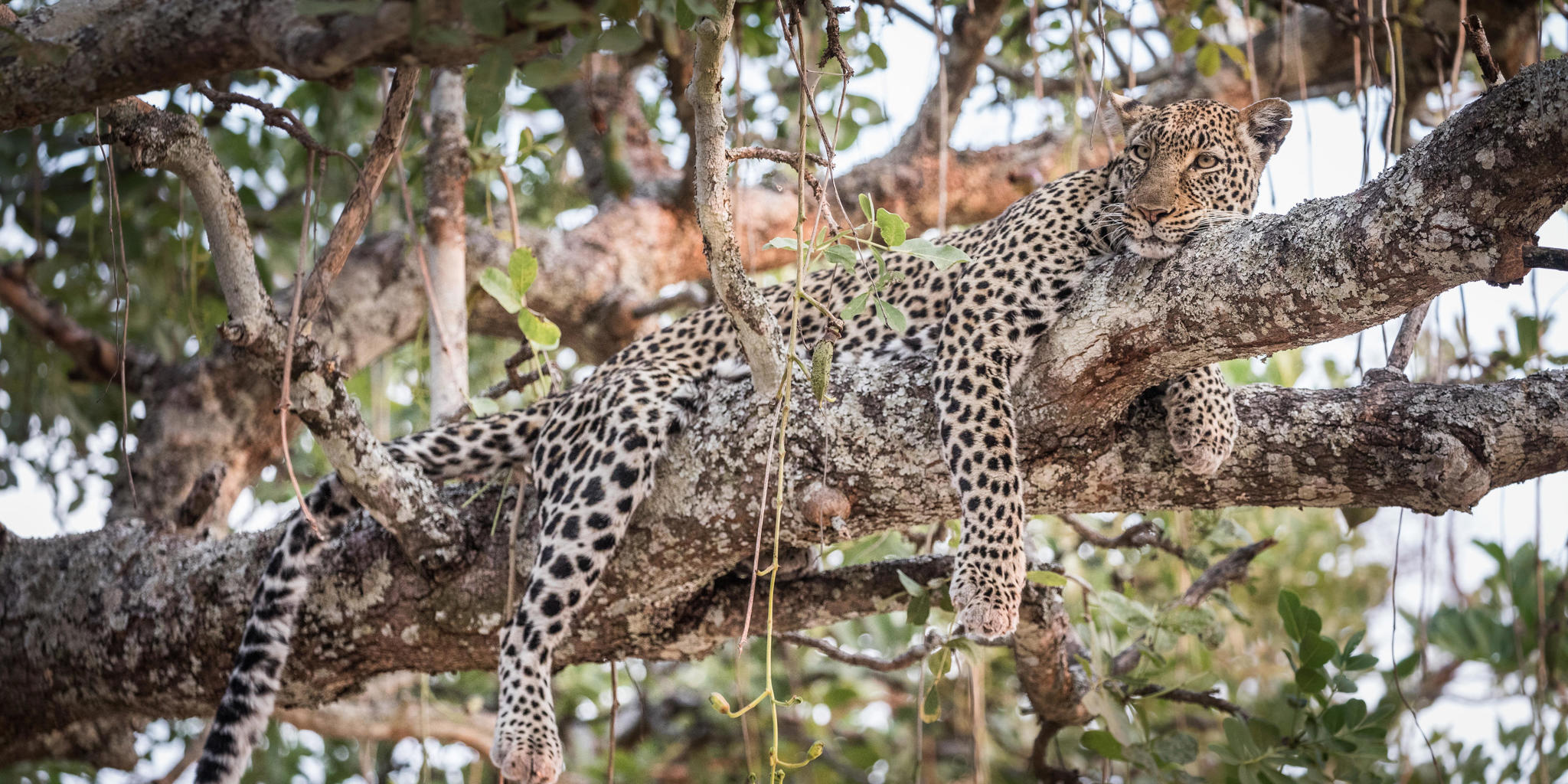
Katavi offers strong sightings of lion, elephant, and buffalo, with leopard present but seen less predictably, and black rhino absent from the park altogether, so it isn't a true Big Five destination. What Katavi lacks in rhino it makes up for with some of Tanzania's largest buffalo herds and its famous dry-season hippo concentrations.
What is Katavi National Park known for?
Katavi is best known for the drama of its dry season, when the Katuma River and the remaining pools at Lake Katavi and Lake Chada shrink dramatically, forcing hundreds of hippos and crocodiles into crowded, competitive close quarters. That same dry-season squeeze also draws in Katavi's massive buffalo herds, often numbering in the thousands, along with the lion prides that follow them.
When is the best time to visit Katavi National Park?
The dry season from roughly May to October is the best time to visit, with the peak hippo and crocodile drama typically unfolding from July to October as water levels hit their lowest. The wet season from November to April brings heavy afternoon storms and difficult roads, and many camps close for at least part of this period.
How long should I plan to stay at Katavi?
A minimum of three nights is recommended, with four nights giving a more comfortable balance against the flight time it takes to reach such a remote park. Given the effort involved in getting there, most travelers prefer not to rush a Katavi visit.
Where can I stay in Katavi National Park?
Accommodation at Katavi is limited to a small number of high-end tented camps, many of which operate seasonally given the park's remoteness and short main travel window. There's little to nothing at the budget end, so this is generally a destination for travelers prepared for a premium, fly-in style of safari.
Why does Katavi get so few visitors, and is that a good thing?
Katavi's remoteness and the cost of fly-in access, rather than any lack of wildlife, are what keep visitor numbers so low. For travelers who value solitude, that's very much a plus — game drives here often unfold without another vehicle in sight, delivering an experience closer to how safaris felt decades ago.
Is Katavi suitable for first-time safari-goers?
Katavi is generally better suited to experienced safari travelers who've already visited Tanzania's northern circuit and are looking for something wilder and more exclusive. First-time visitors are usually better served starting with Serengeti or Ngorongoro before adding a remote park like Katavi to a later trip.
What wildlife and birds can I expect to see at Katavi?
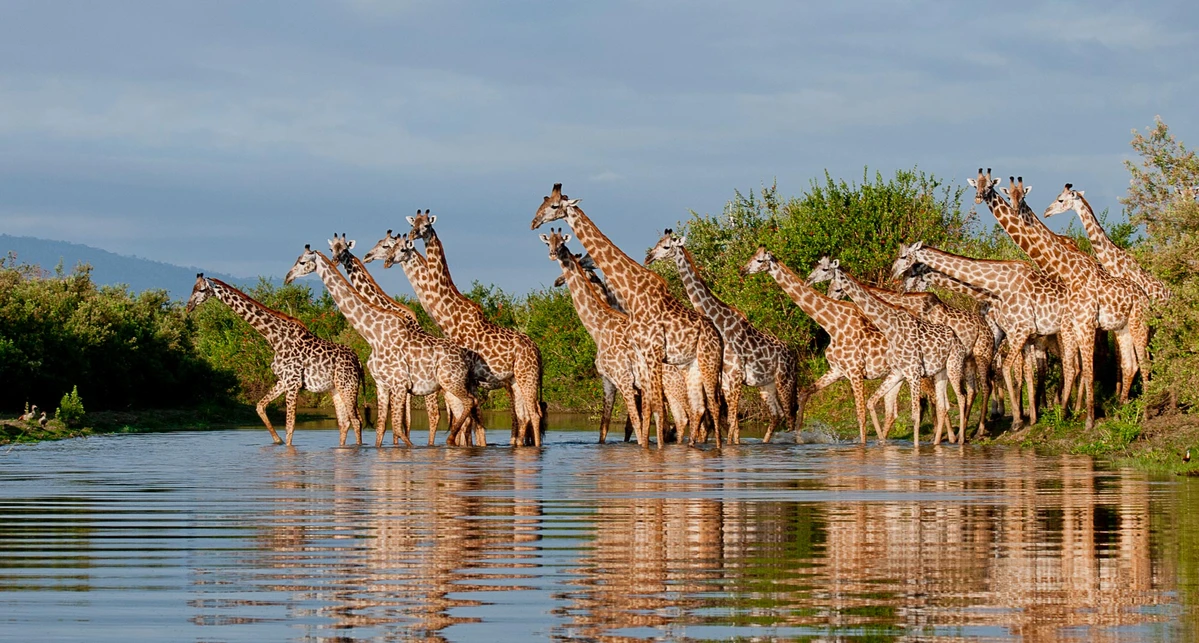
Expect lion, elephant, buffalo, hippo, and spotted hyena as the most reliable sightings, along with giraffe, zebra, waterbuck, impala, and warthog, plus more elusive predators like cheetah and African wild dog for the fortunate. Birders are well rewarded too, with more than 400 recorded species including saddle-billed and yellow-billed storks, African spoonbill, and African fish eagle around the park's wetlands.
Can I combine Katavi with other destinations, and are there fees?
Yes — Katavi is most commonly combined with Mahale Mountains National Park for chimpanzee trekking, since charter flights typically link the two, and it can also be paired with Ruaha further south. Like all Tanzania National Parks Authority parks, Katavi charges entrance and activity fees, which we build directly into your itinerary quote.