
Destination
Grumeti Game Reserve
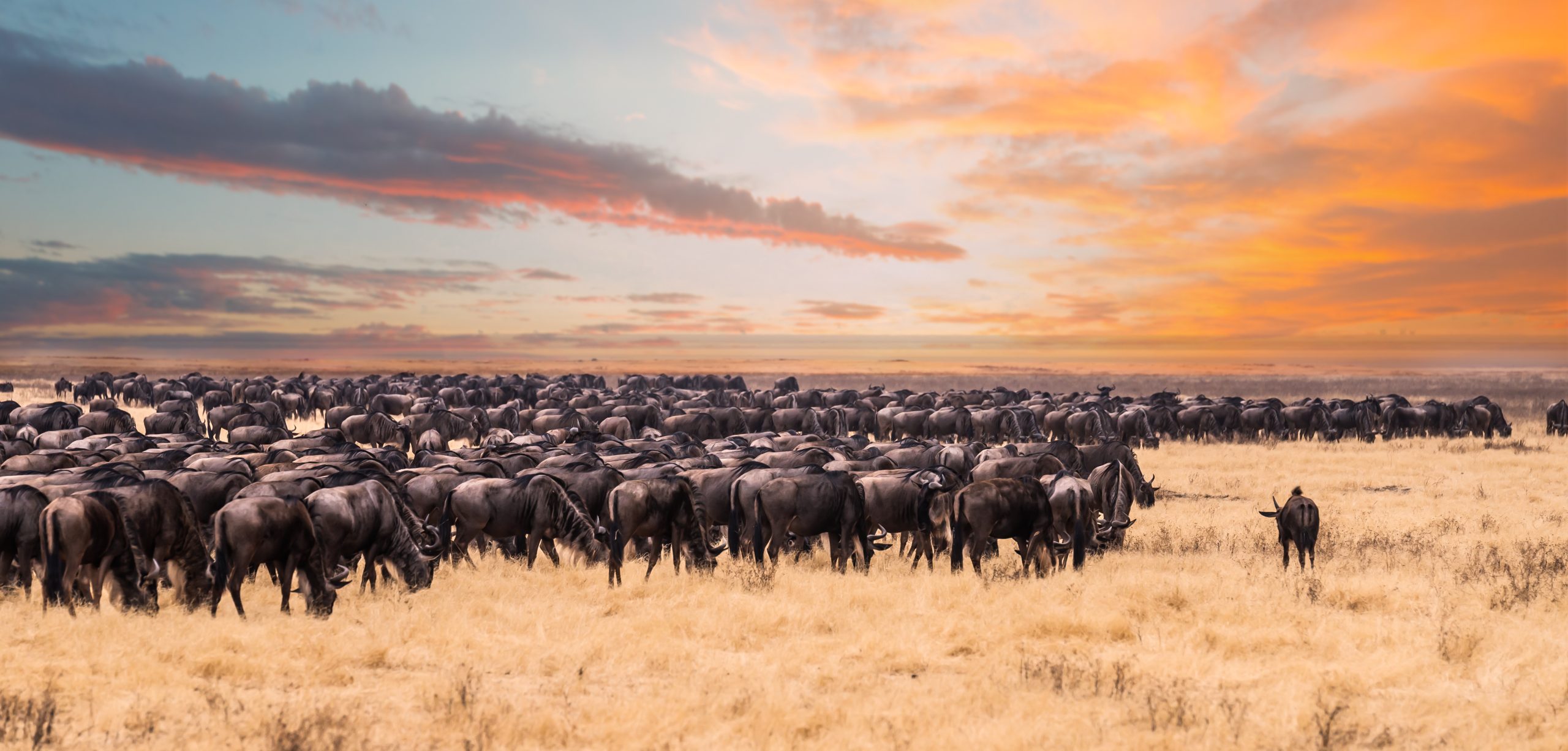
Set along the Serengeti’s Western Corridor, the Grumeti Game Reserve is a private wilderness of rolling plains, riverine forest and acacia woodland. Each year the Great Migration sweeps through, with dramatic crossings at the Grumeti River. With very few guests, game drives here feel exclusive, and activities like walking safaris and night drives reveal a side of the Serengeti most visitors never see. It is a rare blend of abundant wildlife, conservation and quiet luxury.
Destination Overview
Grumeti Game Reserve covers roughly 350,000 acres in the Serengeti’s Western Corridor, bordering Serengeti National Park in northern Tanzania. Its landscape is remarkably varied: open grassy plains, rolling hills, acacia woodland and the ribbon of riverine forest along the Grumeti River. This mix of habitats supports a rich diversity of wildlife, from lion, leopard and cheetah to elephant, buffalo, giraffe and the reintroduced eastern black rhino, alongside more than 400 bird species. Each year, usually between late May and July, the Great Migration moves through the reserve, and hundreds of thousands of wildebeest and zebra brave the crocodile-filled Grumeti River in some of the most dramatic crossings in East Africa.
Grumeti is private and carefully managed, with very few guests on the land, so the safari experience is exclusive and uncrowded. Visitors can enjoy experiences not permitted in the national park, including off-road game drives, night drives and guided walking safaris, as well as hot air balloon flights, mountain biking and bush dining under the stars. Accommodation ranges from elegant tented camps to world-class luxury lodges, many overlooking waterholes and open plains. Behind it all is a strong conservation story: the Grumeti Fund’s anti-poaching, rewilding and community programmes have helped turn the area into a thriving wildlife haven, so every stay also supports the protection of this extraordinary ecosystem.
The Great Migration and Grumeti River Crossings
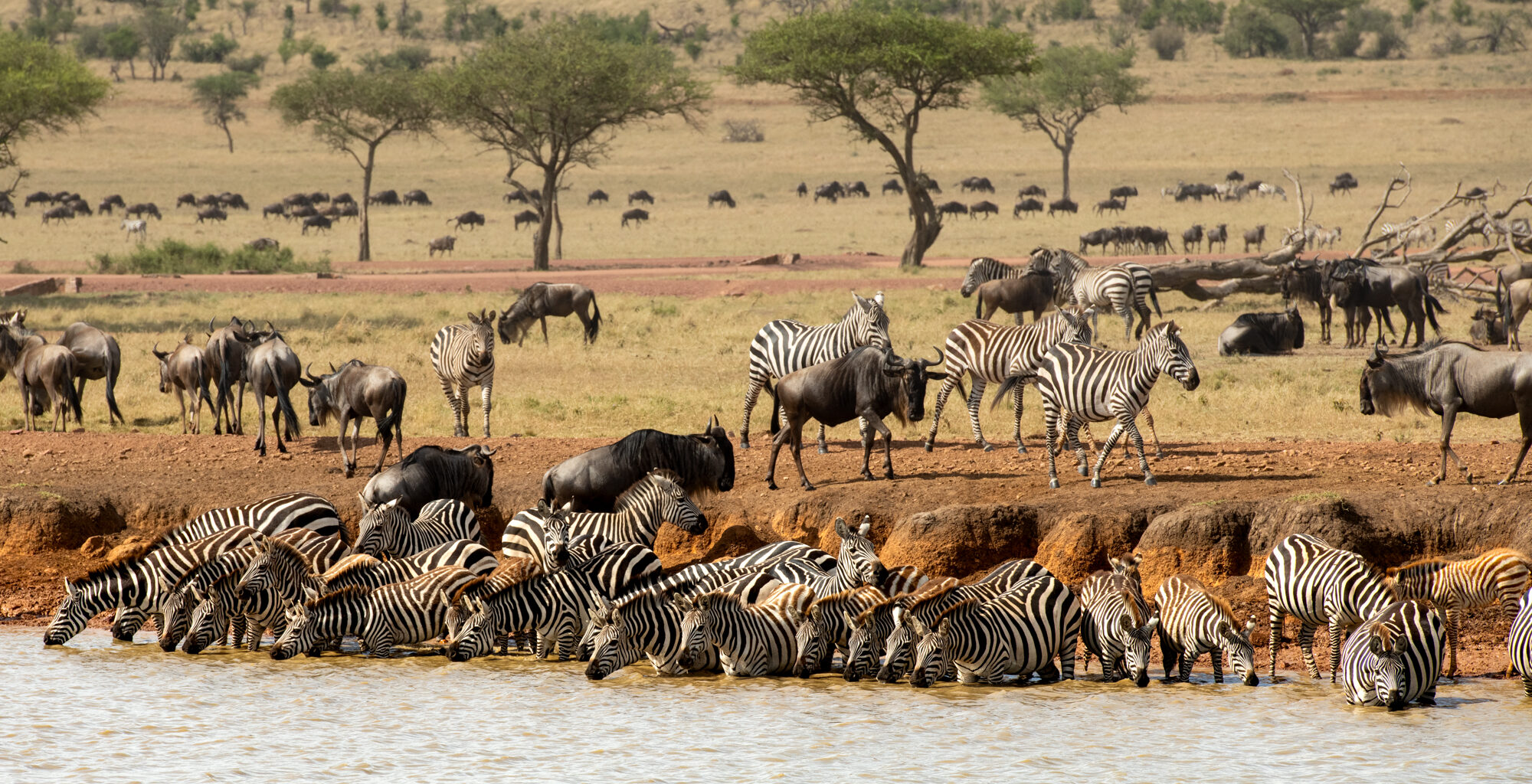
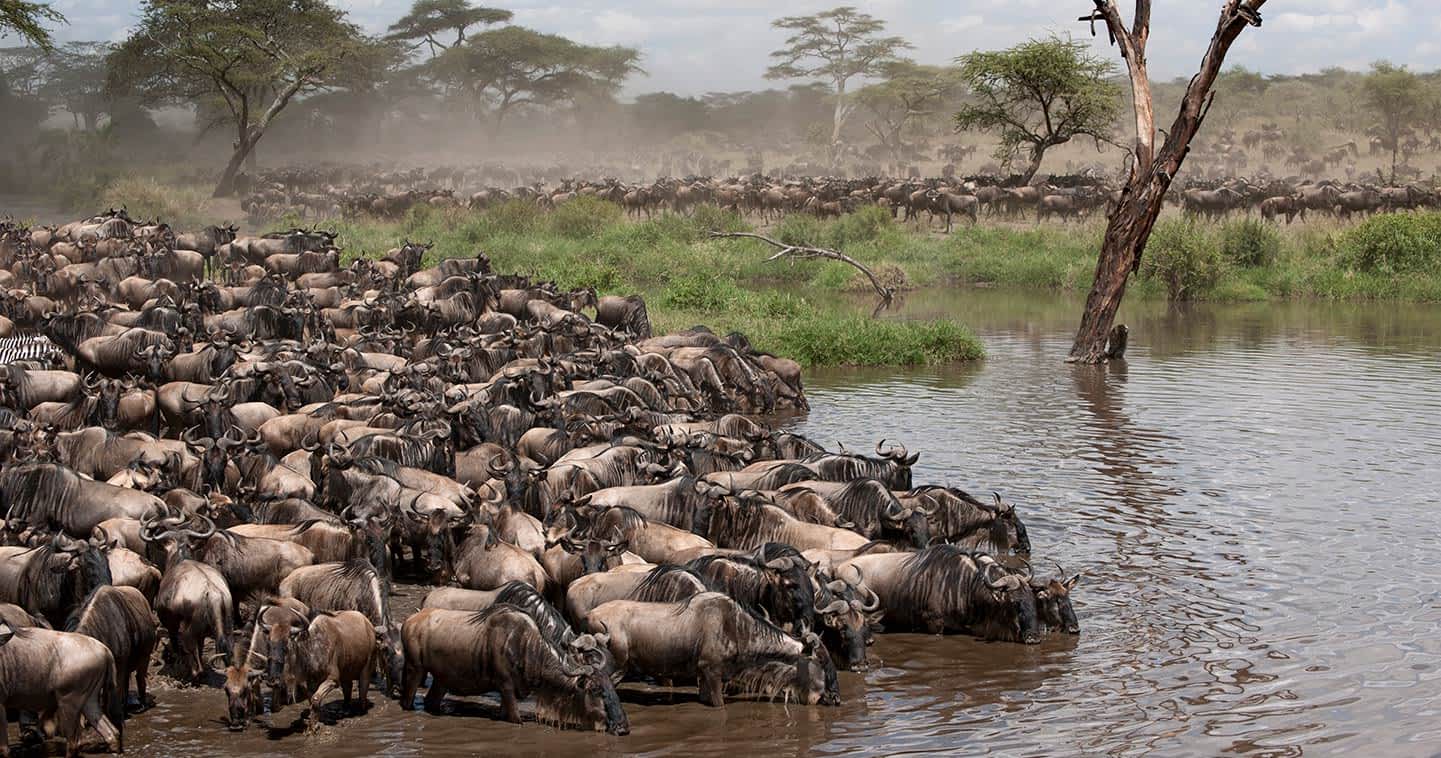
Each year, usually from late May to July, the Great Migration flows through the Serengeti’s Western Corridor. Hundreds of thousands of wildebeest and zebra gather on the banks of the Grumeti River before plunging into waters patrolled by some of Africa’s largest Nile crocodiles. The crossings are raw, tense and unforgettable, and lions, leopards and hyenas follow the herds closely. Because the reserve hosts so few guests, these moments can often be watched without the crowds found elsewhere in the Serengeti.
Exclusive, Low-Density Safari Experience
Grumeti is private and carefully managed, with only a small number of guests spread across about 350,000 acres. Sightings are rarely shared with other vehicles, so guests can stay with a lion pride, a leopard in a fig tree or a herd of elephants for as long as they like. The sense of space and solitude is one of the reserve’s greatest luxuries.
Activities Beyond the National Park
Grumeti’s private status allows experiences that aren’t permitted inside Serengeti National Park:
- Off-road game drives to get closer to wildlife and follow predators on the move
- Night drives with spotlights to find nocturnal animals such as genets, servals, aardvarks, bushbabies and hunting lions
- Guided walking safaris with expert guides, focusing on tracks, plants, insects and the smaller details of the bush
- Hot air balloon safaris at sunrise, drifting silently over the plains, followed by a bush breakfast
- Mountain biking and archery for active guests looking for something different
Exceptional Wildlife Diversity
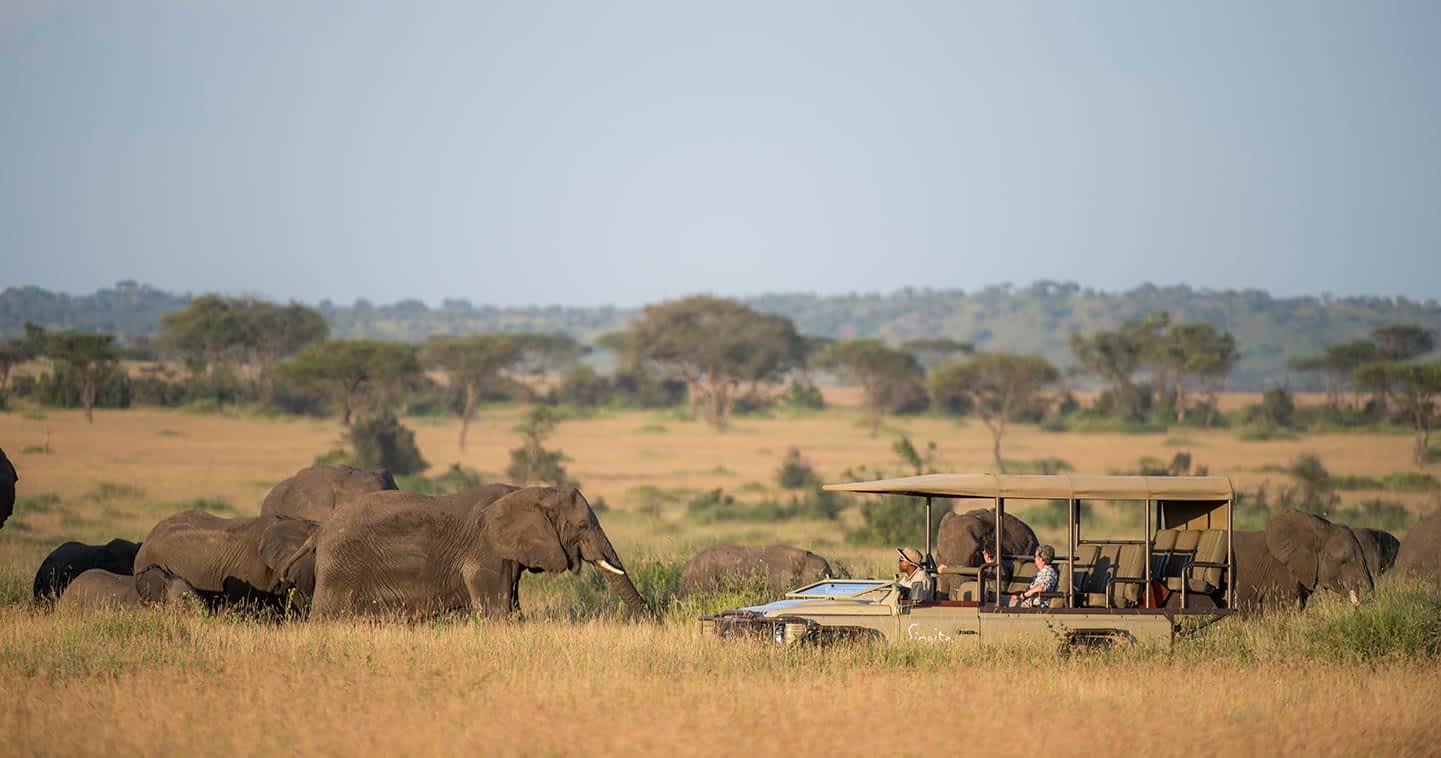
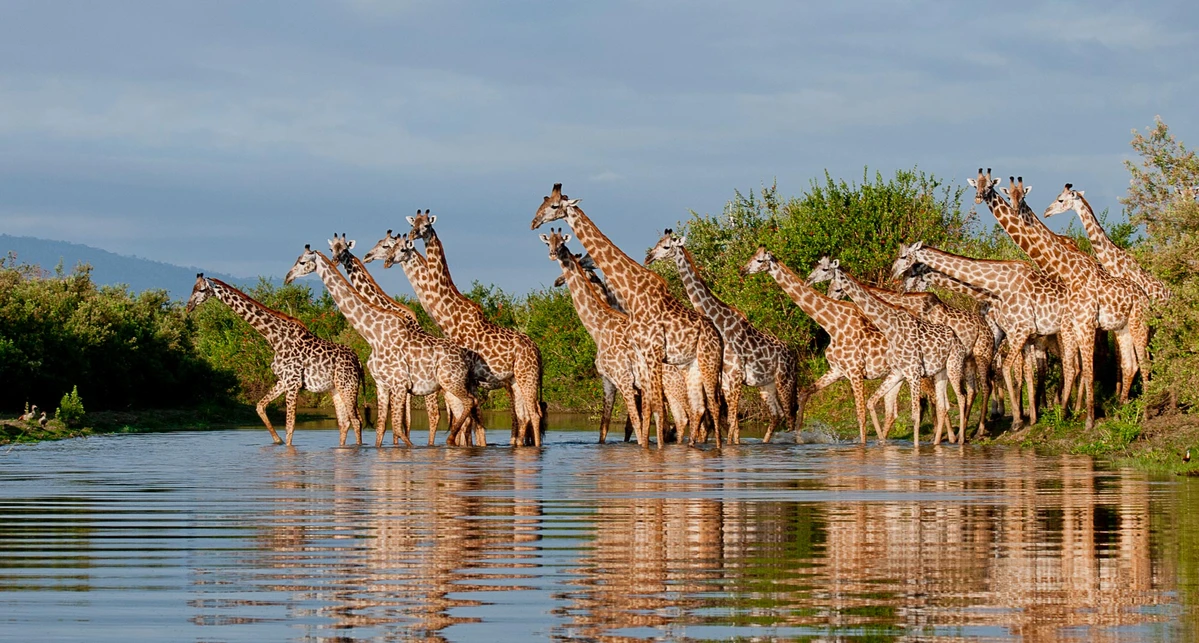
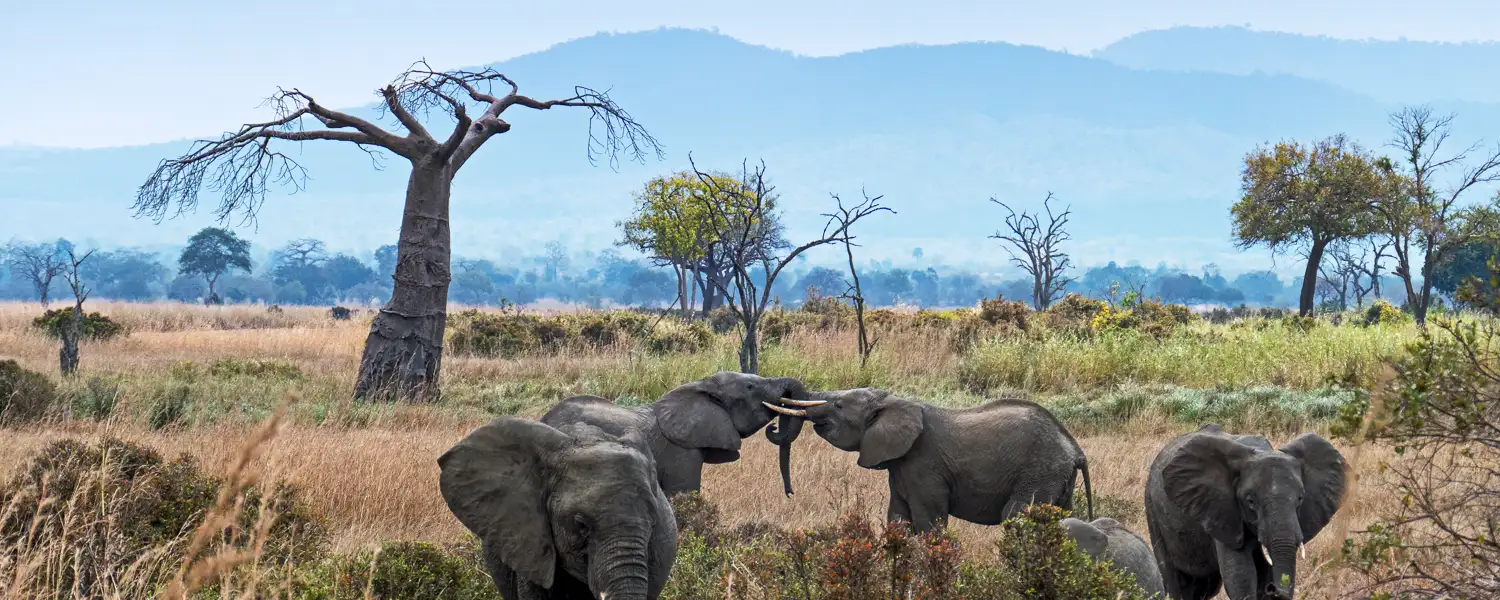
The reserve’s mix of habitats supports an impressive range of animals. The Big Five are all present, including the eastern black rhino, which returned thanks to dedicated conservation efforts. Cheetah hunt on the open plains, leopards rest in riverine trees, and large prides of lion patrol the territory. Grumeti is also home to less commonly seen species such as roan antelope, African wild dog, serval, caracal, bat-eared fox and honey badger, alongside giraffe, buffalo, hippo, topi, eland, impala and many more.
A Birdwatcher’s Paradise
With more than 400 recorded species, Grumeti is excellent for birding, especially in the green season, when migrant species arrive. Highlights include regional specials such as the grey-breasted spurfowl, Fischer’s lovebird, rufous-tailed weaver, Usambiro barbet and Karamoja apalis. Raptors such as martial eagles, bateleurs and several vulture species are common. Southern ground hornbills, secretarybirds, kori bustards and grey crowned cranes are frequent sightings on the plains.
Diverse and Beautiful Landscapes
The scenery changes constantly. Golden grass plains roll into acacia woodland, rocky kopjes, wooded hills and shady riverine forest with tall fig and sausage trees. The landscape turns lush and green after the rains and becomes a golden savannah in the dry season, so every visit feels different.
Conservation Success Story
The Grumeti Fund leads one of East Africa’s most respected conservation programmes in the reserve. Its work includes anti-poaching patrols, wildlife reintroductions such as the black rhino, habitat restoration and research. Guests can learn about this work first-hand, and every stay contributes to protecting the ecosystem. Grumeti is a powerful example of how responsible tourism can help wildlife recover.
Community Engagement
Conservation at Grumeti goes hand in hand with the surrounding communities. Programmes support education, enterprise development and environmental awareness in neighbouring villages. Visitors can arrange cultural visits to learn about local life and see how tourism benefits the people living alongside the wildlife.
World-Class Luxury Accommodation
Grumeti is home to some of Africa’s finest safari lodges and camps, including the renowned Singita properties. Options range from elegant tented camps beside the river to lodges overlooking waterholes and endless plains. Highlights include private plunge pools, gourmet cuisine, fine wines, spa treatments and outstanding service, with wildlife often visible from your room.
Memorable Bush Experiences
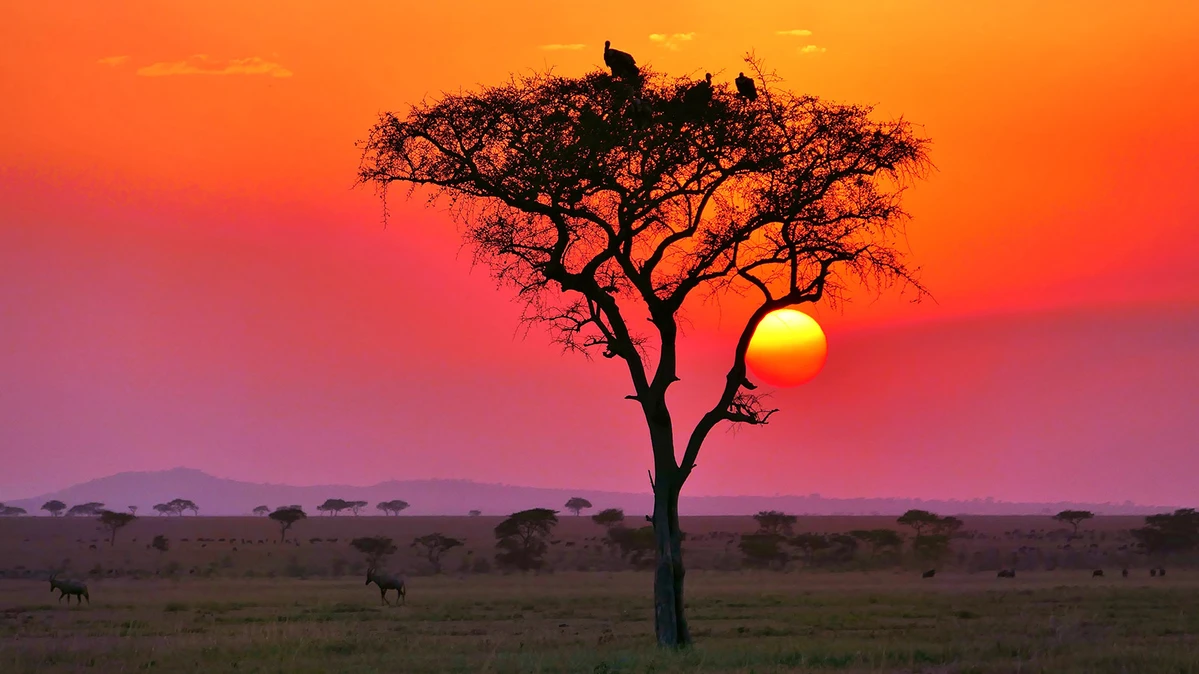
Beyond game viewing, Grumeti excels at special moments: bush breakfasts after a balloon flight, picnic lunches under an acacia tree, sundowners on a hilltop as the sun sets over the Serengeti, and private dinners under a sky full of stars. Far from city lights, the reserve also offers superb stargazing.
Year-Round Appeal
June to October (dry season): the best general game viewing, migration river crossings and clear, sunny days
November to May (green season): lush scenery, newborn animals, excellent birding, fewer visitors and often lower rates
Easy Access
Grumeti has its own airstrips, with scheduled and charter flights connecting it to Arusha, the Serengeti and other safari destinations. That makes it easy to combine with the wider Serengeti, Ngorongoro Crater or a beach holiday in Zanzibar.
Activities in Grumeti Game Reserve
- Day game drives, with off-road access for closer sightings
- Night drives to spot nocturnal wildlife
- Guided walking safaris
- Great Migration viewing and Grumeti River crossings (seasonal, around June to July)
- Hot air balloon safaris over the plains
- Mountain biking
- Archery
- Bush breakfasts, picnics and sundowners
- Stargazing
- Conservation experiences with the Grumeti Fund
- Cultural visits to nearby local communities
- Spa and wellness treatments at the lodges
Year-Round Weather in Grumeti Game Reserve
Want to see more? This video is worth watching
Related Trips
Discover Tanzania
Your questions answered
Where is Grumeti Game Reserve located?
Grumeti Game Reserve lies in the Western Corridor of the Serengeti ecosystem in northern Tanzania, bordering Serengeti National Park. It stretches west towards Lake Victoria and covers about 350,000 acres of plains, woodland, hills and riverine forest. The Grumeti River runs through the region, and its crossings make the area famous during the Great Migration.
How do I get to Grumeti from Arusha?
The quickest and most comfortable option is a scheduled or charter light-aircraft flight from Arusha to one of the airstrips in or near the reserve. The flight takes about one and a half to two hours, depending on stops, and a guide meets you on arrival for a game drive to your lodge. Grumeti can also be reached by road, usually as part of a longer safari through Tarangire, Lake Manyara, Ngorongoro and central Serengeti. We often recommend combining a road safari in one direction with a flight in the other, so you get the best of both. Our team handles all flights and transfers as part of your itinerary.
How is Grumeti different from Serengeti National Park?
Grumeti is a private, carefully managed reserve, so it has far fewer vehicles and guests than the busier parts of the national park. Its private status also allows activities that aren’t permitted in Serengeti National Park, including off-road game drives, night drives and guided walking safaris. You get the same remarkable wildlife and the Great Migration, but with much more exclusivity and flexibility.
When is the best time to visit Grumeti?
The dry season, from June to October, offers the best overall game viewing. Vegetation is thinner, animals gather near water and the weather is sunny and pleasant. The Great Migration usually passes through the Western Corridor from late May to July, with the dramatic Grumeti River crossings in that window. The green season, from November to May, brings lush scenery, newborn animals, superb birding and fewer visitors, and often more favourable rates. The heaviest rains usually fall in April and May. Migration timing depends on the rains and changes each year, so we plan with flexibility and the latest information from our guides in the field.
Can I see the Great Migration at Grumeti?
Yes. Grumeti is one of the best places to see the migration as it moves through the Western Corridor, typically between late May and July. During this time, large herds of wildebeest and zebra gather along the Grumeti River and cross waters home to huge Nile crocodiles. Sightings can never be guaranteed because the herds follow the rains, but our team monitors their movements closely and plans your days to give you the best possible chance.
What animals can I expect to see?
Grumeti supports a wide variety of wildlife, including the Big Five: lion, leopard, elephant, Cape buffalo and the reintroduced eastern black rhino, which is rarely seen. Cheetah, spotted hyena, giraffe, zebra, wildebeest, hippo, topi, eland, impala, waterbuck and many antelope species are common. Lucky visitors may also spot rarer species such as African wild dog, roan antelope, serval, caracal, bat-eared fox, honey badger and aardvark, especially on night drives.
Is Grumeti good for birdwatching?
Absolutely. More than 400 bird species have been recorded in the area, and it’s especially rewarding from November to April, when migrant birds arrive. Special sightings include the grey-breasted spurfowl, Fischer’s lovebird, rufous-tailed weaver, Usambiro barbet and Karamoja apalis. Raptors, vultures, southern ground hornbills, secretarybirds, kori bustards and grey crowned cranes are also regularly seen. We can arrange specialist birding guides on request.
What activities are available at Grumeti?
Beyond classic game drives, guests can enjoy off-road drives, night drives, guided walking safaris, hot air balloon flights at sunrise, mountain biking and archery. There are also bush breakfasts, picnics, sundowners, stargazing, conservation experiences with the Grumeti Fund and cultural visits to nearby communities. Some activities depend on your lodge and the season, so we confirm what’s included when planning your trip and recommend the best options for your interests.
Are walking safaris and night drives safe?
Yes. All walking safaris and night drives are led by experienced, professionally trained guides who know the area and animal behaviour well. Walks follow strict safety procedures, and guides brief you fully before setting out. Some lodges have minimum age limits for walking safaris and certain activities, so families travelling with children should let us know their ages when booking.
What types of accommodation are available?
Grumeti is best known for its luxury lodges and tented camps, including the world-renowned Singita properties, which offer private plunge pools, gourmet dining and exceptional service. As with all our itineraries, we offer budget, mid-range and luxury accommodation options. Within the reserve itself, options lean towards the higher end, so for more budget-friendly stays we use quality camps in the surrounding Western Corridor. We’ll help you choose the right balance of comfort, location and value.
Can I visit Grumeti on a budget?
Grumeti is primarily a premium destination, but you can still enjoy the Western Corridor and its migration on a smaller budget. We arrange stays in well-located mid-range and budget camps nearby, combine road travel with flights to reduce costs, and suggest green-season dates, when rates are often lower. Prices depend on season, accommodation and group size, so please request a quote and we’ll design something to suit your budget.
How many days should I spend at Grumeti?
We recommend at least two to three nights at Grumeti so you can enjoy a range of activities, such as day and night drives, a walking safari and perhaps a balloon flight, without rushing. Grumeti fits beautifully into a longer northern circuit safari with Tarangire, Ngorongoro and central or northern Serengeti. All our safaris are a minimum of five days, and we tailor the length to your interests and schedule.
Is Grumeti suitable for families with children?
Yes. Grumeti can be a wonderful family destination. Several lodges welcome children and offer family suites, flexible meal times and child-friendly activities. Some activities, such as walking safaris and balloon flights, may have minimum age requirements. We work with family-friendly lodges and plan a pace that suits younger travellers.
Is Grumeti a good honeymoon destination?
Grumeti is one of Tanzania’s most romantic safari destinations. Its exclusivity, beautiful lodges, private dinners under the stars, balloon flights and peaceful setting make it ideal for honeymooners and couples celebrating special occasions. We can add romantic touches such as private bush dinners, spa treatments and sundowners, and pair your safari with a beach stay in Zanzibar.
What should I pack for a Grumeti safari?
We recommend lightweight, neutral-coloured clothing in khaki, beige or olive, plus a warm fleece or jacket for chilly early mornings and evenings. Bring comfortable walking shoes, a wide-brimmed hat, sunglasses, sunscreen and insect repellent. A good pair of binoculars and a camera with a zoom lens are well worth having. Use a soft-sided bag, as light aircraft have strict luggage limits, usually around 15 kg per person. We send a detailed packing list once your trip is confirmed.
What is the weather like?
Grumeti has a pleasant climate all year. Daytime temperatures are usually 25°C to 30°C, and nights are cooler at around 13°C to 17°C. June to October is dry and sunny, with the coolest nights in June and July. Short rains fall in November and December, January and February are often warm and drier, and the long rains run from March to May.
Do I need vaccinations or malaria medication?
Grumeti is in a malaria area, so we strongly advise speaking to your doctor or a travel clinic about malaria prevention before you travel. Use insect repellent and cover up in the evenings. A yellow fever vaccination certificate may be required if you are arriving from, or transiting through, a country with a risk of yellow fever. Please check the latest health requirements with your doctor before travelling.
Do I need a visa to visit Tanzania?
Most visitors need a visa to enter Tanzania, and many nationalities can apply online through the official Tanzania e-visa system before travelling. Requirements vary by nationality, so please check the current rules for your passport well in advance. Your passport should be valid for at least six months beyond your travel dates and have blank pages available.
Is Grumeti safe to visit?
Yes. Grumeti is a well-managed and secure reserve with dedicated conservation and anti-poaching teams. All activities are led by professional guides, and lodges have strict safety procedures. As with any wildlife destination, it’s important to follow your guide’s instructions at all times, especially around wild animals.
How does my visit support conservation?
Tourism plays a vital role in protecting Grumeti. Fees from your stay help fund the Grumeti Fund’s anti-poaching patrols, wildlife reintroductions, habitat restoration and research, as well as education and enterprise programmes in surrounding communities. Visiting Grumeti directly supports one of East Africa’s most successful conservation stories.
Can I combine Grumeti with other destinations?
Definitely. Grumeti pairs perfectly with central and northern Serengeti, the Ngorongoro Crater, Tarangire and Lake Manyara on a classic northern circuit safari. Many guests finish with a relaxing beach stay in Zanzibar. For something different, we can also combine your safari with Tanzania’s lesser-known gems, such as the Southern Highlands, Ruaha or a Kilimanjaro or Meru climb.
Why book Grumeti with iTour Tanzania?
iTour Tanzania is a Tanzanian-owned tour operator based in Arusha, with a team that has up to 15 years of experience creating safaris across the country. We design private and small-group journeys tailored to you, work with trusted local partners and handle every detail, from flights and transfers to accommodation and activities. Whether you dream of watching the Grumeti River crossings or simply enjoying a peaceful, exclusive safari, we’ll help you discover Tanzania, authentically. Contact us to request a quote and start planning your Grumeti adventure.