
Destination
Gombe National Park
Follow in Jane Goodall's footsteps at Gombe National Park, a compact lakeshore forest on Lake Tanganyika where chimpanzee trekking is easily reached from Kigoma in a single day.
Destination Overview
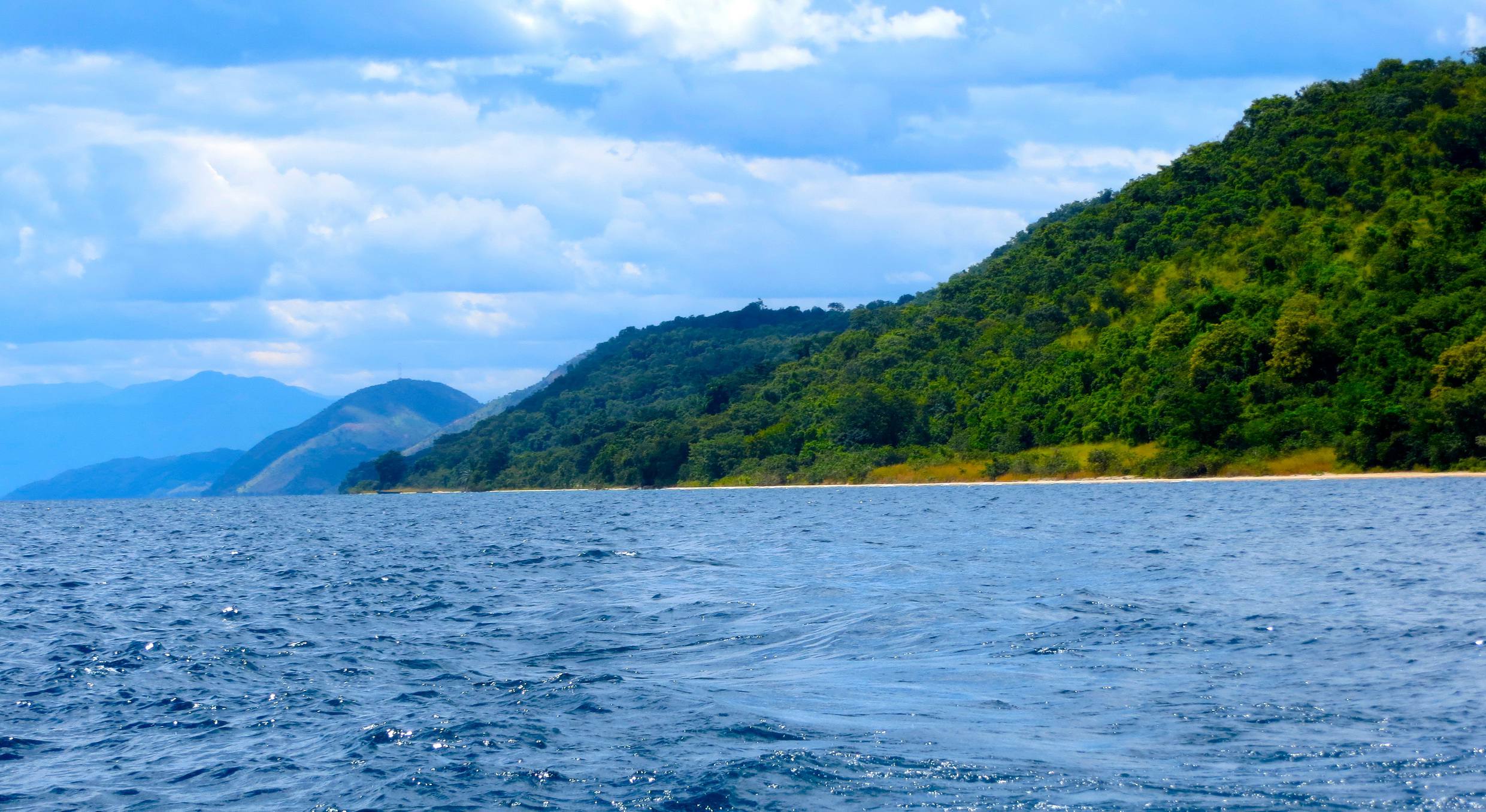
Gombe National Park covers roughly 35 to 52 square kilometers of steep, forested hillside on the eastern shore of Lake Tanganyika in Kigoma Region, far western Tanzania, making it one of Africa's smallest national parks. Gazetted in 1968, Gombe protects the same stretch of forest where Jane Goodall began her pioneering chimpanzee research in July 1960, work that continues today through the Jane Goodall Institute's Gombe Stream Research Center, part of the longest continuously running wild animal study on Earth. With no roads reaching the park, every visitor arrives by boat from Kigoma, a journey that adds to Gombe's compact, intimate sense of remoteness despite its relatively easy access compared to Tanzania's more distant western circuit parks.
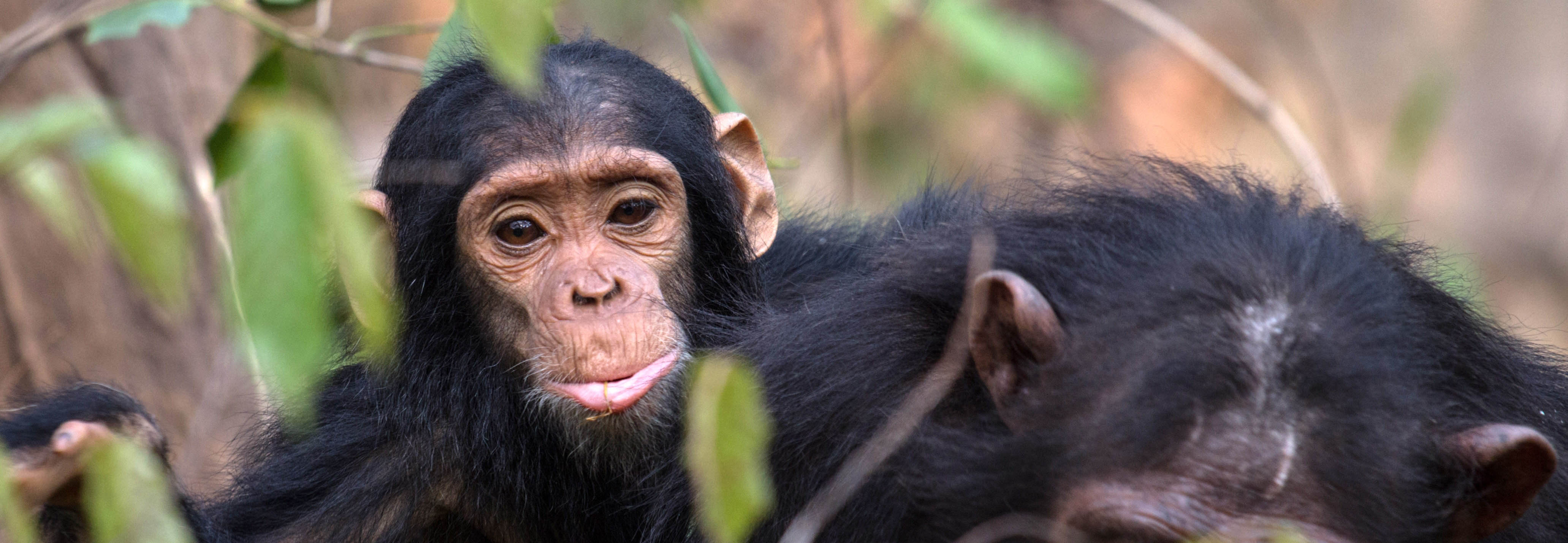
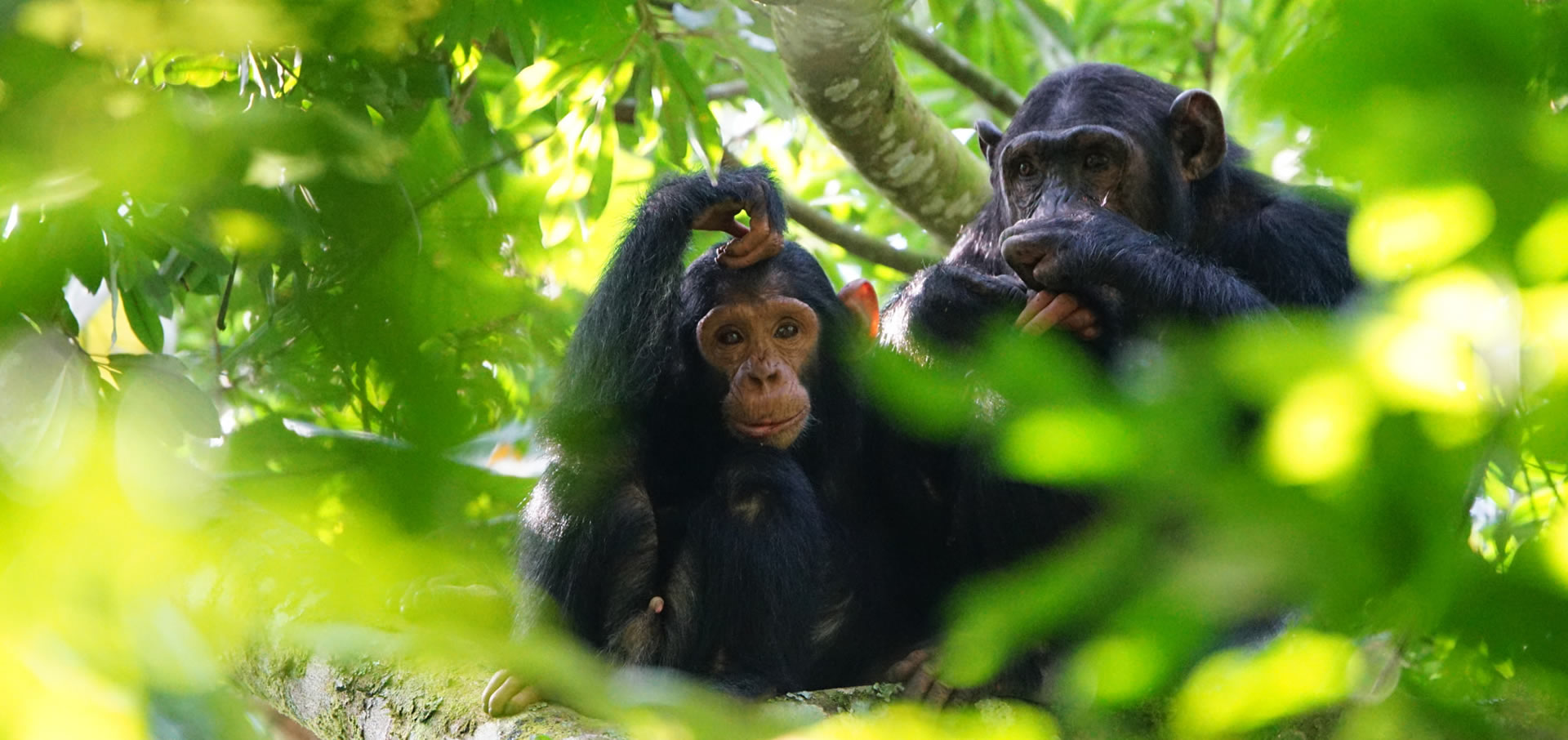
Gombe's centerpiece is chimpanzee trekking to the Kasekela community, the same lineage first studied by Goodall and the site of landmark discoveries including chimpanzee tool use and documented intercommunity conflict. Beyond the chimps, forest walks to Kakombe Falls, birdwatching, and swimming or boat trips along Lake Tanganyika's shoreline round out a visit, with olive baboon, red colobus, and blue monkey among the other primates regularly seen. Most travelers plan three to four days to allow for a comfortable boat transfer and a second trekking attempt if needed, and Gombe pairs naturally with Mahale Mountains National Park, and sometimes Katavi, as part of a broader western Tanzania itinerary built around Lake Tanganyika's remote chimpanzee parks.
The Birthplace of Primatology
On 4 November 1960, a young Jane Goodall watched a chimpanzee she'd named David Greybeard strip leaves from a twig and use it to fish termites from a mound — the first scientific record of tool-making by a non-human animal, a discovery that permanently changed how science defines what makes us human. That single observation, made right here in Gombe's forest, is why this small park is often called the birthplace of modern primatology.
The World's Longest-Running Wild Chimpanzee Study
Research at Gombe has continued without interruption since 1960, making it the longest continuously running study of any wild animal population on Earth. Today's researchers, working through the Jane Goodall Institute, have logged more than 165,000 hours of observation and published over 300 scientific papers on the same Kasekela chimpanzee community that Goodall first came to know.
The Flo Family Dynasty
Few wild animal families have been documented across as many generations as Flo's — the matriarch whose trust in Goodall opened up the whole community to study, and whose descendants Figan, Fifi, and later Fudge each rose to become alpha male in turn. Visitors trekking Gombe today are, in a very real sense, walking through the same forest and following the same family lines that built the foundations of primate science.
A Landmark Discovery in Chimpanzee Behavior
Between 1974 and 1978, researchers at Gombe documented a sustained, coordinated conflict between two chimpanzee communities, now referred to in the scientific literature as the Gombe Chimpanzee War — the first direct evidence that wild chimpanzees engage in organized, lethal intergroup violence. The finding reshaped scientific understanding of chimpanzee society and remains one of the most cited episodes in primate behavioral research.
Kakombe Valley and Its Forest Waterfall
The Kakombe Valley trail leads through dense forest to Kakombe Falls, a highlight often combined with chimp trekking since the Kasekela community frequently moves through this same valley. It's a rewarding half-day walk that pairs the drama of a forest waterfall with a good chance of an unplanned chimpanzee encounter along the way.
An Intimate, Compact Wilderness
As one of Africa's smallest national parks, Gombe offers an unusually intimate safari experience — trekking here typically takes just one to three hours through a compact, well-known range, rather than the longer, more strenuous outings required in larger parks. That same small scale, paired with boat-only access from Kigoma, gives Gombe a quiet, self-contained feel unlike almost anywhere else on Tanzania's safari circuit.
Conservation Science Still Happening in Real Time
The Gombe Stream Research Center remains an active hub of the Jane Goodall Institute's work, including the newer Gombe One Health Hub, which studies disease transmission between chimpanzees, humans, and the surrounding ecosystem. Visitors aren't just seeing chimpanzees — they're passing through a working research station that continues to shape global primate conservation today.
A Boat Journey Across Lake Tanganyika
Getting to Gombe is part of the experience itself — every visitor arrives by boat from Kigoma, gliding along the forested shoreline of Lake Tanganyika before stepping directly onto the park's beach. Calm stretches of shoreline near camp invite a swim or a closer look at the lake's remarkable cichlid fish after a morning of trekking.
Part of a Much Larger Protected Landscape
Gombe sits at the heart of the Gombe-Masito-Ugalla UNESCO Biosphere Reserve, designated in 2018 to protect a much wider swath of chimpanzee habitat beyond the park's own small boundary. This wider designation reflects the Jane Goodall Institute's community-based conservation work extending protection well past Gombe's borders and into the surrounding landscape chimpanzees depend on.
Following in the Footsteps of a Scientific Icon
Every trek at Gombe retraces, in some sense, the paths Jane Goodall herself once walked as a young researcher redefining our understanding of the animal kingdom. For travelers drawn to conservation history as much as wildlife, that sense of place is something no other chimp trekking destination in Africa can quite offer.
Activities in Gombe National Park
- Chimpanzee trekking
- Guided forest walks
- Waterfall visits (Kakombe Falls)
- Birdwatching
- Jane Goodall research site visits
- Lake Tanganyika beach swimming
- Boat trips and sunset cruises
- Village and cultural visits (Mwamgongo village)
- Sport fishing
- Snorkeling
- Kayaking
Year-Round Weather in Gombe National Park
The wetter months run from roughly November through April, forming one continuous rainy season rather than the distinct short-and-long-rains pattern seen further north in Tanzania, with November generally bringing the heaviest rainfall as the season begins. Daytime temperatures stay only slightly warmer than the dry season, around 27°C (81°F), but high humidity and near-daily afternoon thunderstorms make conditions feel considerably more intense, and rain typically falls in bursts rather than lasting all day. Gombe's lakeshore setting on Lake Tanganyika contributes to this warm, humid character year-round, even through the drier months.
Weather has a real effect on chimp trekking here too: during the dry season, chimpanzees tend to stay on the lower slopes near the lake, keeping treks as short as thirty minutes on a good day, while the wetter months push them higher up in search of food, turning trails muddy and stretching treks out to three or four hours. For this reason, most travelers plan their Gombe visit for the dry season, with July through October generally considered the easiest and most comfortable window.
Want to see more? This video is worth watching
Related Trips
Discover Tanzania
Your questions answered
Where is Gombe National Park?
Gombe National Park sits on the eastern shore of Lake Tanganyika in Kigoma Region, far western Tanzania, roughly 16 to 20 kilometers north of Kigoma town near the Burundi border. There are no roads into the park — it's a narrow strip of forest reached only by boat.