
Destination
Empakai Crater
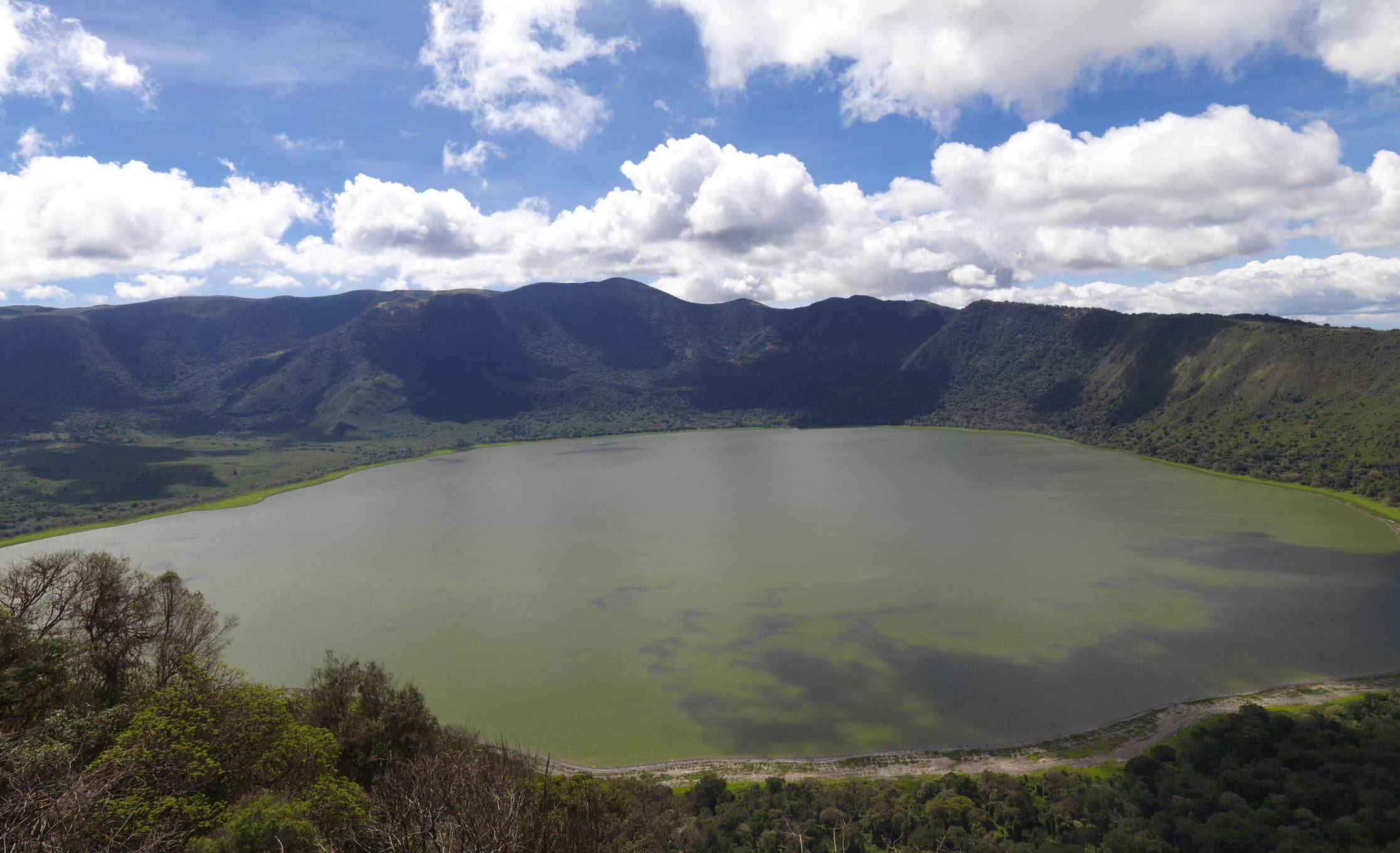
Empakai Crater is one of the hidden gems of the Ngorongoro Conservation Area. It is a dramatic caldera about 6 km wide, with steep, forest-cloaked walls that drop down to a deep emerald soda lake, often fringed pink with flamingos. A hike down to the crater floor rewards you with peaceful, off-the-beaten-path scenery, and on clear days the rim gives sweeping views of the active volcano Ol Doinyo Lengai and, beyond it, the Great Rift Valley.
Destination Overview
Empakai Crater lies in the remote northern highlands of the Ngorongoro Conservation Area, a scenic drive of a few hours from the Ngorongoro Crater rim. It is a collapsed volcanic caldera roughly 6 km wide, with steep walls that rise about 300 metres from the floor and are cloaked in lush montane forest. A deep alkaline lake fills much of the crater floor, its colour shifting from emerald to turquoise with the light, and flocks of flamingos often gather along its shallow edges. From the rim, the views are among the most striking in northern Tanzania, taking in the perfect cone of Ol Doinyo Lengai, the Maasai’s sacred “Mountain of God,” the shimmering expanse of Lake Natron and the dramatic escarpments of the Great Rift Valley.
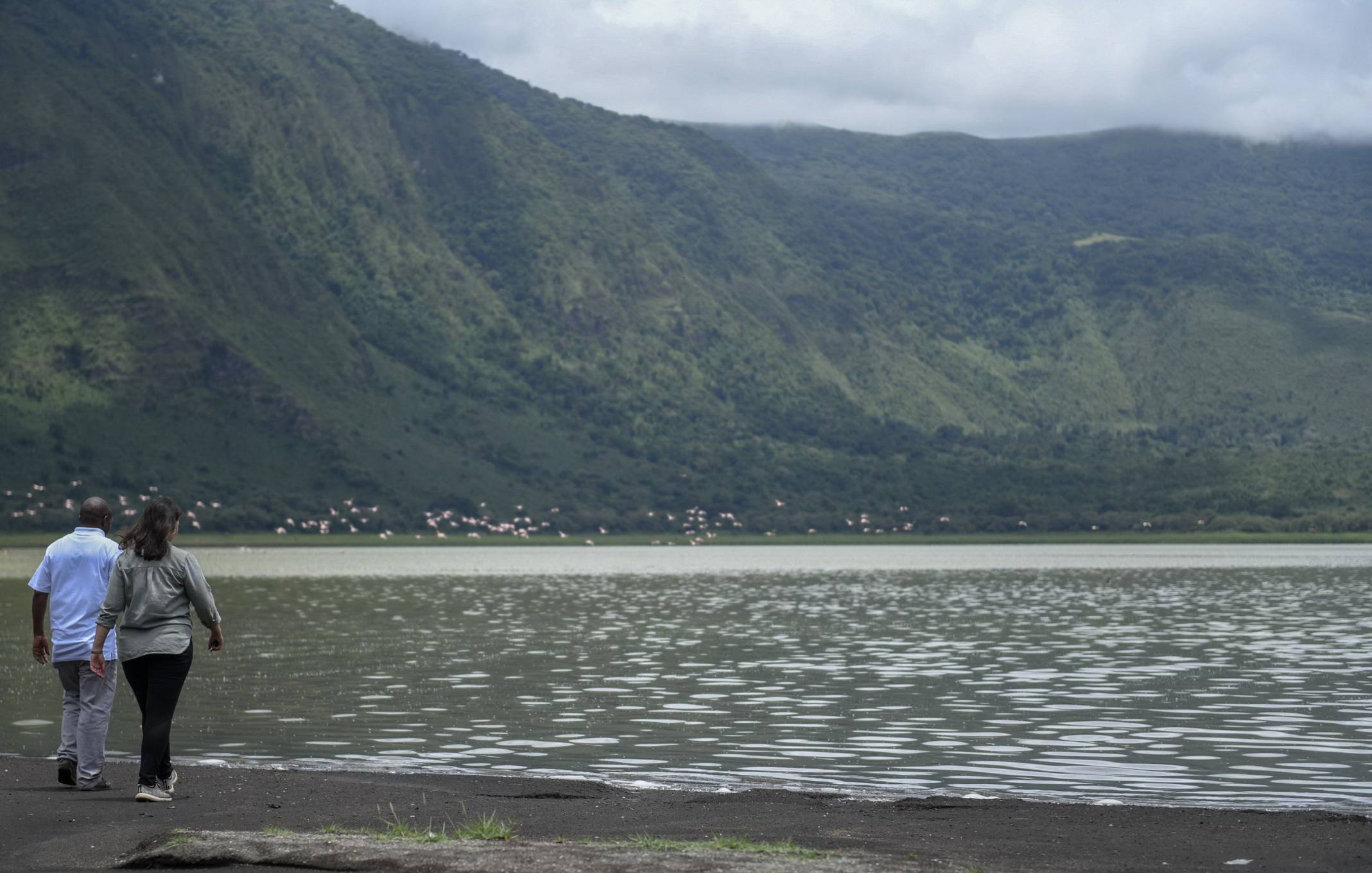
What sets Empakai apart is how quiet and untouched it feels. Few vehicles make the journey, so visitors often have the crater almost to themselves. The highlight is the guided hike down a winding forest trail to the lakeshore, where you can watch the birds, sit in the stillness of the caldera and spot blue monkeys, bushbuck or buffalo along the way. Maasai herders graze their cattle on the surrounding slopes, adding a living cultural dimension to the landscape. Whether as a day trip, an overnight stay at one of the rim campsites, or the start of a trek toward Ol Doinyo Lengai and Lake Natron, Empakai offers a rare blend of volcanic scenery, wildlife and peaceful solitude away from the busier safari circuits.
A Hidden Volcanic Caldera
Empakai lies in the remote northern highlands of the Ngorongoro Conservation Area, a scenic drive of about two to three hours from the Ngorongoro Crater rim. The route climbs through the Maasai villages of the Nainokanoka area and past the neighbouring Olmoti Crater. Empakai formed when a volcano collapsed in on itself, leaving a near-perfect bowl about 6 km wide with walls rising roughly 300 metres from the floor. The rim sits at around 3,000 metres above sea level, making it one of the highest and coolest spots in the region. Its remote location means it has stayed wild and unspoiled, and many travellers describe it as one of the most beautiful places in northern Tanzania.
The Emerald Soda Lake
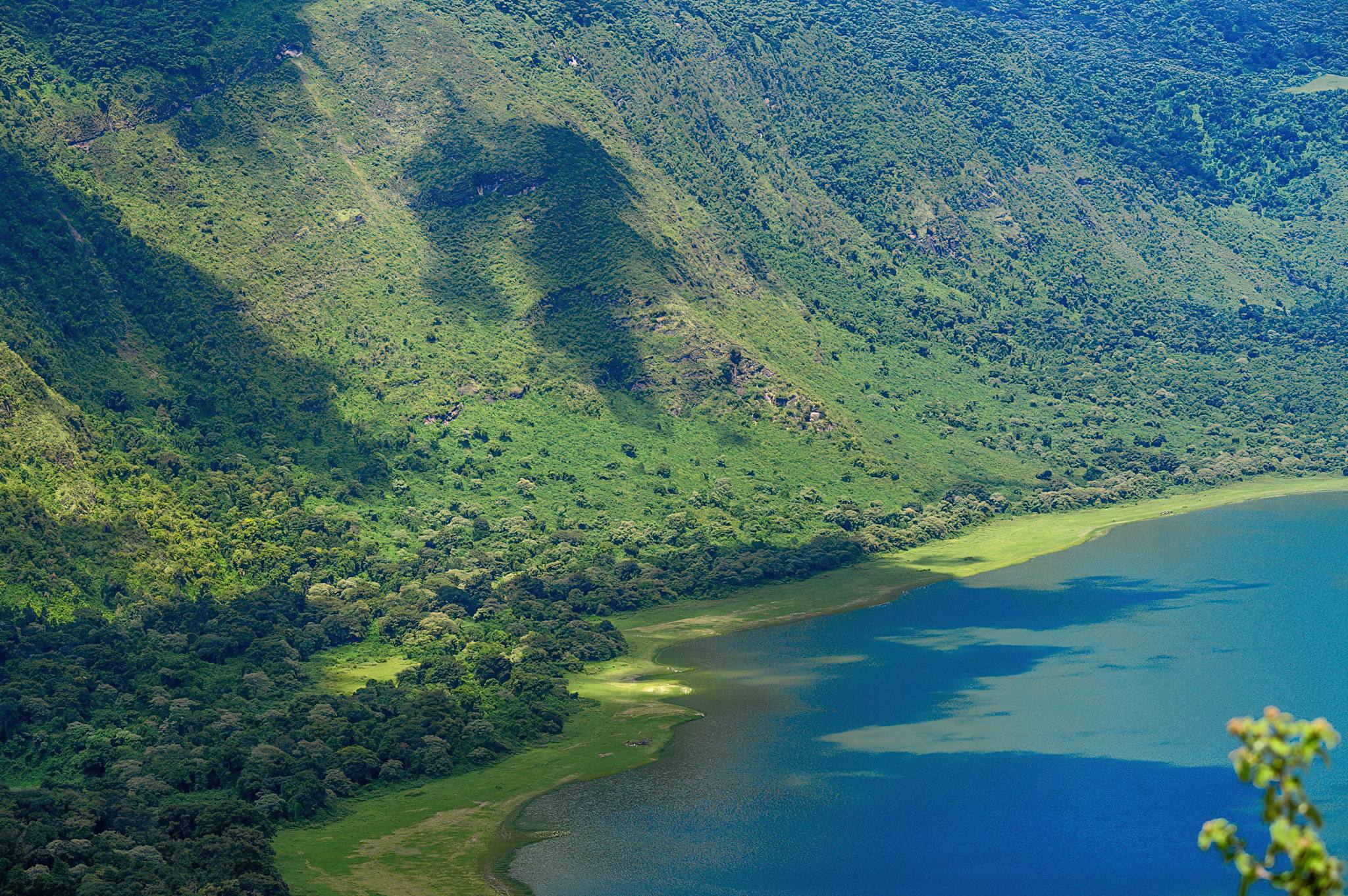
Much of the crater floor is covered by a deep alkaline lake, reported to be up to about 85 metres deep. Its colour changes with the light and the weather, from deep emerald under cloud to bright jade and turquoise in sunshine. The mineral-rich water supports algae that attract flamingos, which gather in pink bands along the shallow edges. Small islands and grassy flats around the shoreline add texture to the scene, and the reflection of the forested walls on still mornings is especially striking.
The Crater Floor Hike
The highlight of any visit is the guided walk from the rim down to the lakeshore. The narrow path zig-zags through cool montane forest, past moss-covered trunks, ferns and wildflowers, with occasional openings that reveal the lake below. The descent usually takes 45–60 minutes. The climb back up is steep and can take an hour or more, especially at this altitude. An armed Ngorongoro ranger accompanies every walk, since buffalo and other wildlife share the trail, and rangers also share insights into the crater’s plants, animals and history. Good walking shoes, a walking stick, water and a light rain jacket are recommended, and a moderate level of fitness is needed.
Spectacular Rim Views
The crater rim offers some of the finest views in East Africa. Looking northeast, you can see the steep, symmetrical cone of Ol Doinyo Lengai, Tanzania’s only active volcano, which is unique in the world for erupting rare natrocarbonatite lava that turns white as it cools. Beyond it, the soda flats of Lake Natron shimmer on the Rift Valley floor, and the escarpments of the Great Rift Valley stretch toward the horizon. On exceptionally clear days, Kilimanjaro may also be visible in the distance. Morning mist often fills the crater and drifts over the rim before clearing, creating a magical, ever-changing scene.
Rich Birdlife
Empakai’s mix of soda lake, forest and highland grassland supports a wide range of birds. Lesser and Greater Flamingos feed on the lake’s algae and small invertebrates, while ducks and Egyptian Geese visit its edges. The forest is alive with colourful species such as Hartlaub’s Turaco, with its flash of crimson wings in flight, as well as Silvery-cheeked Hornbill, Golden-winged, Tacazze, Malachite and Eastern Double-collared Sunbirds, Cinnamon-chested Bee-eater and Rüppell’s Robin-chat. Raptors including Augur Buzzard, Verreaux’s Eagle, Long-crested Eagle and African Crowned Eagle hunt along the crater walls, and Grey Crowned Cranes are sometimes seen in the highland grasslands.
Wildlife in the Highlands
Empakai isn’t a big-game destination like Ngorongoro Crater, but its forests and grasslands hold plenty of wildlife. Blue monkeys and olive baboons move through the trees, and shy bushbuck and grey duiker browse in the undergrowth. Buffalo graze on the crater floor and along the rim, which is one reason rangers accompany every walk. In the open highlands, eland, mountain reedbuck and zebra can be seen, and elephants, leopards, spotted hyenas and serval also roam the wider area, although they’re less often spotted. Tree hyraxes, more often heard than seen, fill the forest with their eerie calls at night.
Lush Montane Forest and Highland Scenery
The crater’s inner walls are cloaked in dense montane forest of tall trees hung with moss and lichen, with ferns, climbers, and bamboo thickets underneath. The cool, moist climate keeps the forest green much of the year. On the rim and surrounding slopes, the forest opens into rolling grasslands and heath dotted with wildflowers, an open, windswept landscape that contrasts beautifully with the green depths of the caldera. The changing vegetation on the walk down shows clearly how plant life shifts with altitude.
Maasai Culture
The Empakai highlands are part of the Ngorongoro Conservation Area’s unique shared landscape, where Maasai pastoralists live alongside wildlife. Herders in red and blue shukas guide cattle, goats and sheep across the slopes, and their bomas (traditional homesteads) dot the hills. Visits to nearby villages can be arranged to learn about Maasai homes, beadwork, traditional dress, livestock and customs, and to understand how the community lives in harmony with the land.
Peace and Solitude
Because the drive is long and the roads are rough, Empakai sees a small share of the visitors who go to Ngorongoro Crater. It’s common to have the trail, the lakeshore and the rim almost to yourself, with only the sounds of birds, wind and distant cowbells. This calm makes Empakai ideal for travellers seeking reflection, photography, nature walks or simply a quieter side of Tanzania.
Camping on the Rim
Special campsites on the crater rim offer a rustic overnight experience in a spectacular setting. The facilities are basic, but the rewards are great: brilliant star-filled skies, crisp highland air, the sounds of the forest at night and sunrise views as mist rises from the caldera. Staying overnight also lets you hike down early in the morning, when the light is soft and wildlife is most active. Nights are cold at this altitude, so warm sleeping gear and layers are essential.
Gateway to the Ngorongoro Highlands Trek
Empakai is a popular starting or highlight point for multi-day walking safaris through the Ngorongoro Highlands. These treks often link Olmoti and Empakai Craters, then descend through Maasai country and down the Rift Valley escarpment toward Ol Doinyo Lengai and Lake Natron. Supported by rangers, guides and sometimes donkeys carrying gear, the journey moves from cool, misty highlands to the hot, dramatic Rift Valley floor, which makes it one of the most diverse walking experiences in East Africa. Adventurous travellers can end with a night climb of Ol Doinyo Lengai or a visit to the flamingo-rich shores of Lake Natron.
Photography Opportunities
Empakai is a dream for photographers. Highlights include the turquoise lake framed by forested walls, flamingos along the shore, morning mist pouring over the rim, the silhouette of Ol Doinyo Lengai at sunrise or sunset, Maasai herders against vast highland skies and close-ups of birds and forest details along the trail.
Best Time to Visit
The long dry season from June to October is the most popular time. Trails are firm, skies are generally clear and rim views are at their best, though nights are coldest in June and July. December to February offers green landscapes, pleasant days and few visitors. The long rains from March to May bring heavy showers, thick mist and muddy, slippery trails, which make the hike more difficult and can hide the views. Since mornings are often misty, visits around midday usually give the clearest views of the crater.
Activities in Empakai Crater
- Hike down to the crater floor: a steep 45–60 minute descent through montane forest, with a ranger escort, to the shores of the soda lake.
- Walk the crater rim, with sweeping views over the caldera, Ol Doinyo Lengai, Lake Natron and the Great Rift Valley.
- Watch flamingos and other birds on the lake, along with forest species like turacos and sunbirds.
- Spot wildlife in the forest, such as blue monkeys, bushbuck and buffalo.
- Picnic by the lake on the crater floor.
- Do photography, especially of the turquoise lake, the forested walls and the volcanic skyline.
- Camp on the rim at the special campsites for a quiet, off-the-beaten-path night.
- Visit Maasai villages in the surrounding highlands.
- Trek through the Ngorongoro Highlands, with Empakai as a starting point for multi-day walks toward Ol Doinyo Lengai and Lake Natron.
Year-Round Weather in Empakai Crater
Want to see more? This video is worth watching
Related Trips
Discover Tanzania
Your questions answered
Where is Empakai Crater?
Empakai Crater lies in the northern highlands of the Ngorongoro Conservation Area, about 2–3 hours’ drive northeast of the Ngorongoro Crater rim. It sits between the neighbouring Olmoti Crater and the Great Rift Valley, overlooking Ol Doinyo Lengai and Lake Natron. It’s one of Tanzania’s true hidden gems, and with up to 15 years of experience guiding travellers through northern Tanzania, our team considers it one of the most rewarding detours in the region.
How do I get to Empakai from Arusha?
The journey from our base in Arusha takes most of a day. It starts on tarmac to Karatu and the Ngorongoro gate, then continues on rough highland roads past Olmoti and the Maasai villages of the Nainokanoka area. Because of the distance, we don’t recommend Empakai as a same-day return from Arusha. Instead, we usually include an overnight stay near the Ngorongoro rim, in Karatu or on the Empakai rim itself, so you can arrive rested and enjoy the crater without rushing. All transfers are in a 4x4 safari vehicle with an experienced driver-guide.
What makes Empakai worth visiting?
Empakai combines a dramatic volcanic caldera, a deep emerald soda lake often lined with flamingos, lush montane forest and some of the finest views in East Africa, including Ol Doinyo Lengai and the Rift Valley. Above all, it offers solitude. While Ngorongoro Crater can be busy with vehicles, at Empakai you’ll often have the trail and lakeshore almost to yourself. For travellers who want to see the authentic, lesser-known side of Tanzania, it’s a perfect fit with our philosophy: Discover Tanzania, Authentically.
How difficult is the hike to the crater floor?
The hike is short but steep. The descent through the forest takes about 45–60 minutes, and the climb back up usually takes an hour or more, since the altitude of around 3,000 metres makes you breathe harder than usual. The trail can be uneven, rooty and slippery after rain. Anyone with moderate fitness who walks at a steady pace can do it comfortably. Our guides set a relaxed pace, take regular breaks and make sure no one feels rushed.
Do I need a ranger to hike into the crater?
Yes. Every walk into Empakai must be accompanied by an armed Ngorongoro Conservation Area ranger. Buffalo and other wildlife move through the forest and along the crater floor, so the ranger is there for your safety. Rangers are also knowledgeable about the area and happy to point out birds, plants and animal tracks along the way. We arrange the ranger in advance as part of your itinerary.
Is Empakai safe?
Yes. Empakai is within a protected conservation area, and all walks are escorted by armed rangers. Our driver-guides know the highland roads well and travel the region regularly. As with any wilderness area, it’s important to follow your ranger’s instructions, keep to the trail and keep a respectful distance from wildlife.
Will I see wildlife at Empakai?
Empakai isn’t a big-game destination like Ngorongoro Crater or the Serengeti, but it has plenty of wildlife. Blue monkeys, olive baboons, bushbuck and buffalo are often seen around the crater, and eland, mountain reedbuck and zebra graze the surrounding highlands. Elephants, leopards and spotted hyenas also live in the wider area, although sightings are less common. For most guests the highlights are the flamingos, forest birds and scenery rather than big animals. We recommend combining Empakai with game drives in Ngorongoro Crater or the Serengeti for a complete safari.
Is Empakai good for birdwatching?
Very good. Lesser and Greater Flamingos feed on the lake, and the forest is home to colourful species such as Hartlaub’s Turaco, Silvery-cheeked Hornbill, Golden-winged and Tacazze Sunbirds and Cinnamon-chested Bee-eater. Raptors including Augur Buzzard and Verreaux’s Eagle soar along the crater walls. Keen birders should bring binoculars, and we can arrange a birding-focused guide on request.
Are flamingos always present?
Flamingos are usually on the lake throughout the year, but their numbers change with water levels, food availability and breeding activity at nearby Lake Natron. Some days you’ll see large flocks, while on others only scattered groups. Our guides can tell you what to expect closer to your travel dates.
When is the best time to visit Empakai?
The long dry season from June to October is the best time overall, with firm trails, clearer skies and the best chance of seeing Ol Doinyo Lengai and Lake Natron from the rim. Nights are coldest in June and July. December to February is another great window, with green scenery, pleasant days and very few visitors. The long rains from March to May bring heavy showers, mist and slippery trails, so we generally advise against that period for the hike. In any season, mornings are often misty, so we plan visits for late morning or midday when views are usually clearest.
What is the weather like at Empakai?
Empakai is high and cool all year. Days are typically mild, around 15–20°C, and nights can be cold, dropping close to freezing on the rim in the coldest months. Mist and cloud can roll in quickly, especially in the mornings and during the rainy seasons. Warm layers and a waterproof jacket are essential whatever time of year you travel.
What should I pack for Empakai?
We recommend:
- Sturdy walking shoes or light hiking boots with good grip
- Warm layers, such as a fleece or jacket, plus a hat and gloves for overnight stays
- A lightweight rain jacket
- Sunscreen, sunglasses and a sun hat, since the highland sun is strong even when it feels cool
- Water and snacks for the hike
- Binoculars and a camera
- A walking stick or trekking poles if you have them; we can help arrange one if needed
Where can I stay near Empakai?
There are three main options, and as with all our itineraries, we offer budget, mid-range and luxury choices:
- Camping on the Empakai rim: Basic special campsites offer an unforgettable night under the stars, with sunrise views over the caldera. We arrange tents, camping gear and a cook.
- Lodges on or near the Ngorongoro Crater rim: Comfortable to luxurious lodges, ideal if you’re combining Empakai with a Ngorongoro Crater game drive.
- Lodges in Karatu: A wide range of lodges and farm stays at more moderate prices, surrounded by coffee farms and highland scenery.
We’ll recommend the best option based on your budget, travel style and the rest of your itinerary.
How long should I spend at Empakai?
A full day is the minimum, which covers the drive in, the hike to the lakeshore and time on the rim. If you love walking, photography or quiet places, we recommend staying a night on the rim or nearby to explore at an unhurried pace. Empakai fits well into safaris of 5 days or more and is often combined with Ngorongoro Crater, the Serengeti or Lake Natron.
Can I combine Empakai with other destinations?
Yes. Popular combinations include:
- Ngorongoro Crater: Game drives in the famous crater followed by a quieter day at Empakai.
- Lake Natron and Ol Doinyo Lengai: Continue down the Rift Valley to see flamingos at Lake Natron, visit waterfalls and Maasai communities, or climb Ol Doinyo Lengai at night.
- Serengeti: The northern route from Empakai via Lake Natron leads into the northern Serengeti, a more adventurous and less-travelled way into the park.
- Ngorongoro Highlands walking safari: A multi-day trek linking Olmoti, Empakai and the Rift Valley, supported by rangers and guides.
Our team will help design the right combination for your interests and time.
Can I trek from Empakai to Lake Natron?
Yes. The Ngorongoro Highlands trek is one of Tanzania’s most rewarding walking safaris. It typically runs over several days, crossing Maasai grazing lands and descending the Rift Valley escarpment from the cool highlands to the hot plains near Lake Natron. Walks are escorted by rangers and guides, and donkeys often carry the luggage. This trek suits reasonably fit travellers looking for adventure and culture away from the vehicle-based safari routes.
Is Empakai suitable for children and older travellers?
Children and older travellers can enjoy the views and walks along the rim. The hike down to the lake suits older children and active adults who are comfortable on steep, uneven ground, and the climb back up at altitude can be tiring. For families or travellers with limited mobility, we can plan a gentler visit focused on the rim, short walks and viewpoints, so everyone enjoys the experience safely.
Can I visit a Maasai village near Empakai?
Yes. Maasai communities live throughout the Empakai highlands, and we can arrange a respectful village visit to learn about traditional homes, beadwork, livestock and daily life. We work with local communities so that visits are authentic and benefit the people who host them.
Will I experience altitude sickness at Empakai?
Empakai’s rim is around 3,000 metres, high enough that some visitors feel mildly breathless or tired, especially on the climb back up from the lake. Serious altitude sickness is uncommon on a short visit. Walking slowly, drinking plenty of water and spending time in the highlands beforehand all help. If you have heart or breathing conditions, please check with your doctor before travelling.
Are there park fees for Empakai?
Yes. Empakai is within the Ngorongoro Conservation Area, so conservation area entry fees apply, along with fees for the ranger escort, camping where applicable and vehicle access. When you book with iTour Tanzania, all relevant fees are included in your itinerary, so there are no surprises on the day.
How much does an Empakai trip cost?
The cost depends on how long you stay, your choice of accommodation, the number of travellers and what you combine Empakai with. Since all our tours are private or small-group and tailored to you, we don’t publish fixed prices. Please request a quote, and our team will design an itinerary and price to suit your plans.
Why visit Empakai with iTour Tanzania?
We’re a Tanzanian-owned company based in Arusha, and our team has up to 15 years of experience creating authentic journeys across the country, from the famous highlights to hidden gems like Empakai. We plan every detail, including rangers, permits, fees, accommodation and an experienced driver-guide, and we design private and small-group trips around your interests rather than mass-market routes. Whether you want a peaceful crater hike, a night on the rim or a multi-day highland trek, we’ll help you experience Empakai the authentic way.