
Destination
Bagamoyo
Just 70 km north of Dar es Salaam, Bagamoyo was once the final stop of the caravan trade route and a capital of German East Africa. Its name means “lay down your heart.” Visitors can explore the 13th-century Kaole Ruins, the old Catholic Mission, and Swahili-Arab stone houses. The town also has palm-lined beaches, fresh seafood, and a lively arts scene, and Saadani National Park is nearby.
Destination Overview
Bagamoyo is a historic coastal town on Tanzania’s Indian Ocean shore, about 70 km north of Dar es Salaam. Once the busiest port on the East African mainland, it was the final stop of the great caravan route from the interior, where ivory, salt, and enslaved people were brought to the coast for shipment to Zanzibar. Its name, often translated as “lay down your heart,” reflects that painful past. In the 19th century, the town became the first capital of German East Africa and a starting point for famous explorers such as Burton, Speke, Stanley and Livingstone. This layered history remains visible in its streets, where Swahili-Arab stone houses with carved wooden doors stand alongside German colonial buildings like the Old Fort, the Boma, and the Caravan Serai. Just south of town, the 13th-century Kaole Ruins reveal the remains of ancient mosques and tombs from early Shirazi settlements, while the Catholic Mission, East Africa's oldest, houses a museum that tells the story of the slave trade and its abolition.
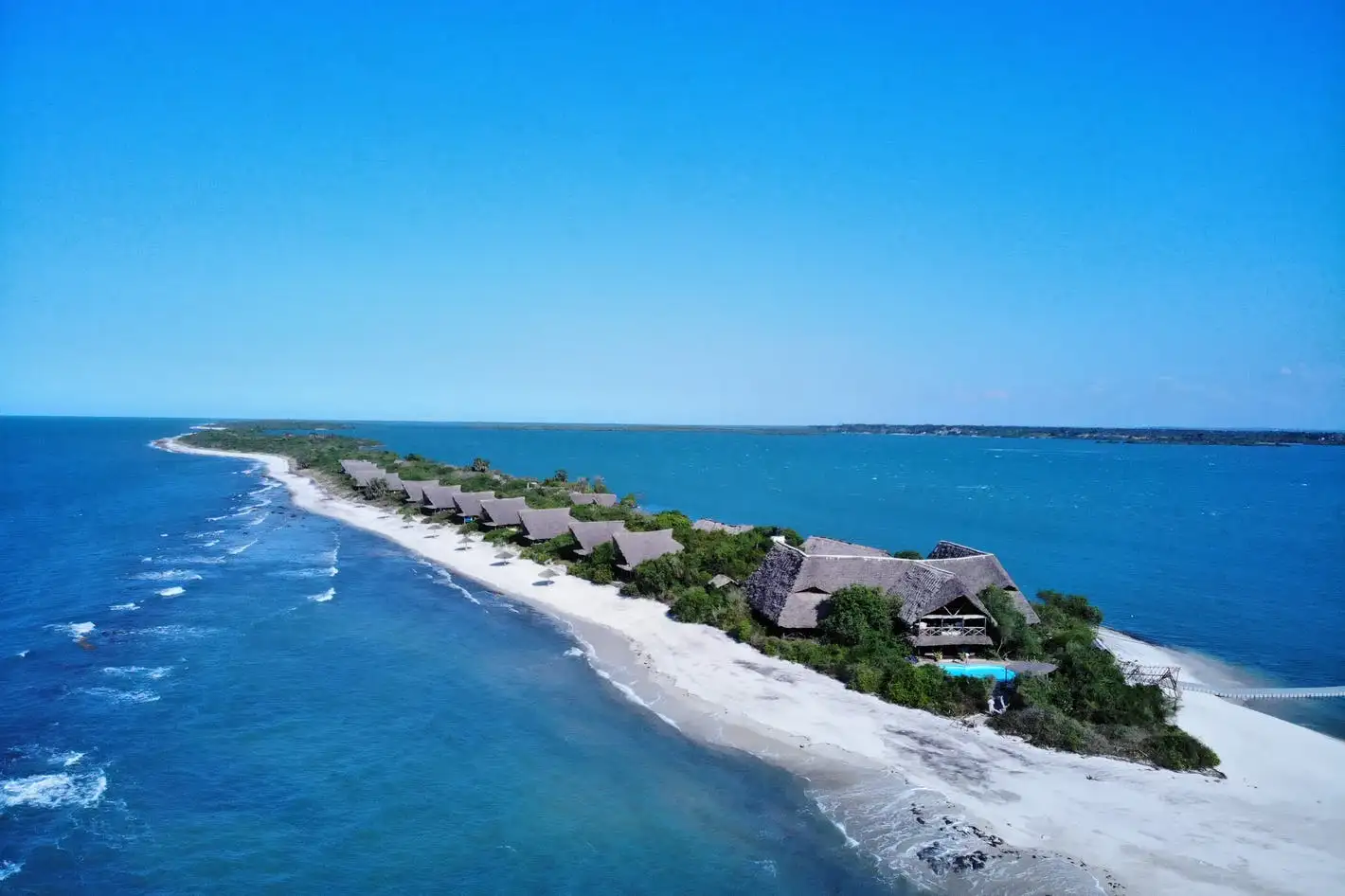
Beyond its history, Bagamoyo offers a relaxed coastal atmosphere and a lively cultural scene. Palm-lined beaches, traditional dhows sailing at sunset and a bustling fish market give visitors a real taste of Swahili coastal life, while fresh seafood and local street food are found throughout the town. Bagamoyo is also one of Tanzania’s creative hubs, home to TaSUBa, the Institute of Arts and Culture, where visitors can enjoy music, dance and drumming performances, and host to the annual Bagamoyo Arts and Culture Festival. For nature lovers, the surrounding mangroves and coastline are rich in birdlife and marine life, and nearby Saadani National Park offers the rare chance to see elephants, giraffes and lions in a park where the bush meets the beach. With its blend of heritage, culture and natural beauty, Bagamoyo makes a rewarding stop for travellers exploring Tanzania’s coast.
Kaole Ruins
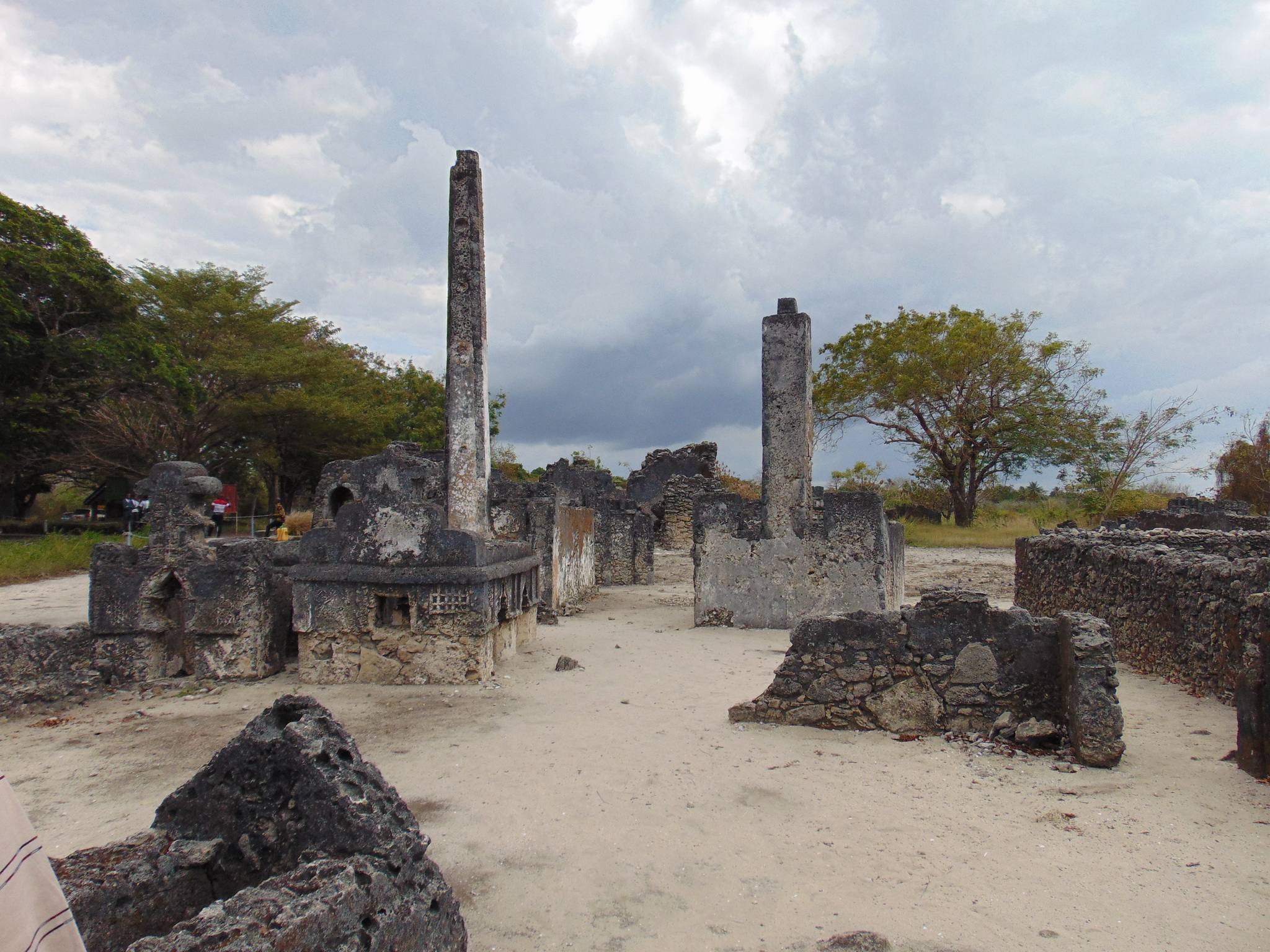
About 5 km south of town, the Kaole Ruins are among the oldest Islamic sites on the East African coast, dating back to the 13th century. The site has the remains of two coral-stone mosques, one of which is considered among the oldest in East Africa, along with around 30 tombs, some topped with tall pillars that were typical of Swahili burial traditions. A small on-site museum displays pottery and artefacts that show the ancient trade links between the Swahili coast, Arabia, Persia and China.
Catholic Mission and Museum
Founded in 1868 by the Holy Ghost Fathers, the Bagamoyo Catholic Mission is the oldest Catholic mission in East Africa. It was set up partly to buy the freedom of enslaved people and give them a new start in a “freedom village.” Its museum tells the story of the slave trade, the work of the missionaries, and the town’s role in European exploration. Within the grounds, the old church tower, known as the Livingstone Tower, is where David Livingstone’s body lay in 1874 before being carried to Zanzibar and on to England.
Historic Stone Town
Bagamoyo’s old town is a walk back in time, with narrow streets lined with Swahili-Arab stone houses, intricately carved wooden doors, and weathered colonial buildings. A guided walking tour brings to life the stories of the merchants, caravan leaders and colonial administrators who once lived here, and offers a glimpse of everyday coastal life today.
The Old Fort
Built in the mid-1800s by an Arab trader, the Old Fort is the oldest standing building in Bagamoyo. It is believed to have held enslaved people before they were shipped to Zanzibar, and it later served as a German military post and then a police station. Its thick walls and courtyard make it one of the town’s most striking landmarks.
The Caravan Serai
This was the resting place for the great caravans arriving from the interior after months on the trail from places as far as Lake Tanganyika. Porters carrying ivory and other goods would gather here before entering town. Today, it houses a small museum and information centre that explains the caravan trade and its lasting impact.
The German Boma and Colonial Landmarks
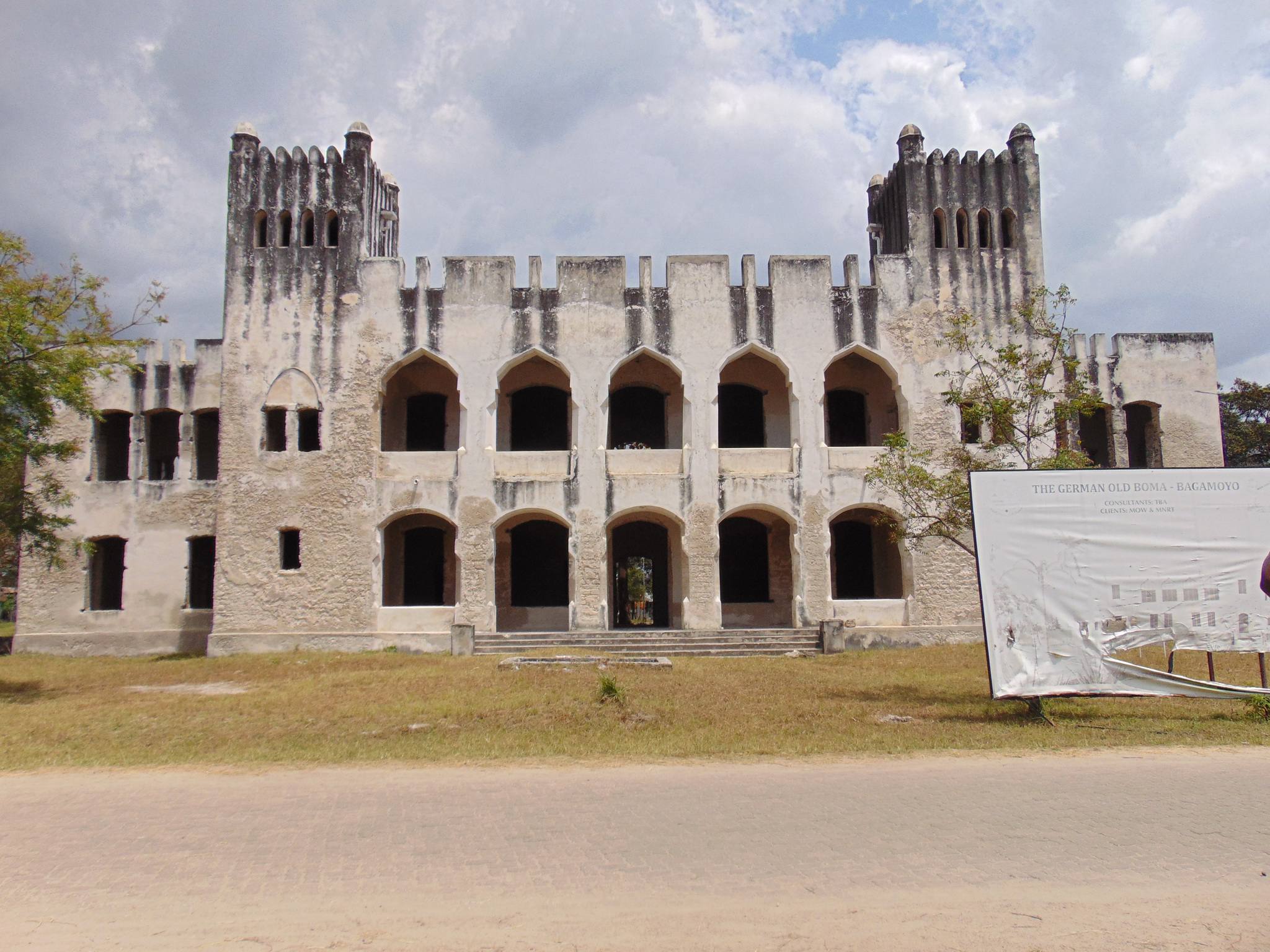
Completed in 1897, the German Boma was the administrative headquarters of German East Africa when Bagamoyo was its capital. Nearby, the German Hanging Place marks the spot where local resistance leaders were executed, a solemn reminder of the colonial era. Together, these sites tell the story of Bagamoyo’s time at the centre of colonial power.
TaSUBa and the Bagamoyo Arts and Culture Festival
Bagamoyo is one of Tanzania’s leading creative centres, home to TaSUBa, the Institute of Arts and Culture. Visitors can often watch students rehearse or catch live performances of traditional music, drumming, dance and theatre. Each year, the town hosts the Bagamoyo Arts and Culture Festival, which brings together performers from across Tanzania and beyond for several days of music, dance and celebration.
Beaches, Dhows and the Fish Market
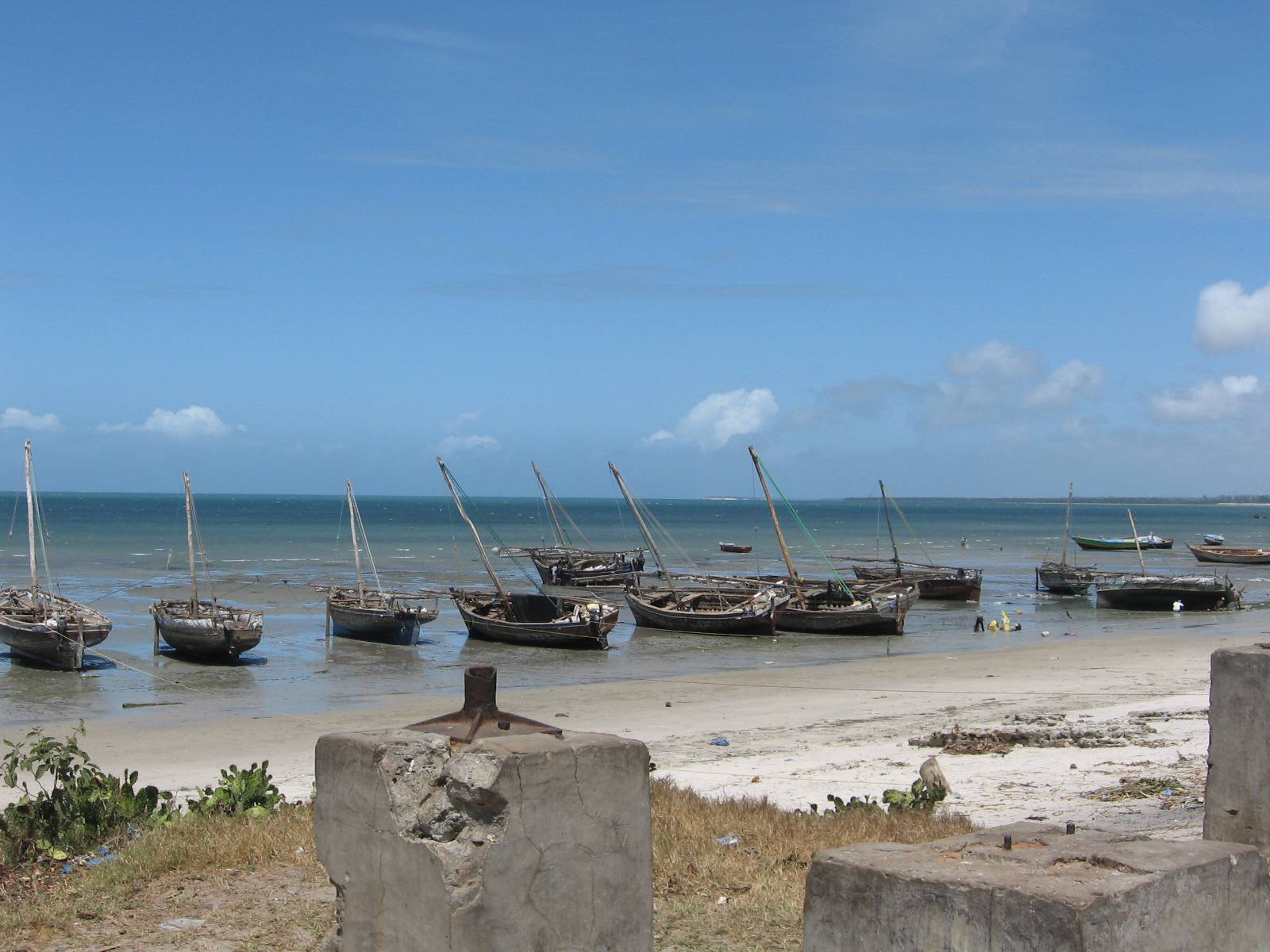
Bagamoyo’s palm-fringed beaches are calm and uncrowded, ideal for relaxing walks and quiet afternoons by the ocean. Wooden dhows still sail from the shore, and a sunset dhow cruise is one of the most memorable ways to see the coast. In the early morning, the lively fish market comes alive as fishermen bring in their catch, offering an authentic look at local coastal life.
Mangroves and the Ruvu River
North of town, the Ruvu River meets the sea through a maze of mangrove forests. Boat trips through the estuary offer excellent birdwatching, with kingfishers, herons, egrets, and fish eagles, as well as a peaceful look at this important coastal ecosystem.
Arts, Crafts and Local Cuisine
The town is full of small workshops and stalls selling woodcarvings, Tingatinga paintings, Makonde sculptures and handmade jewellery. Food lovers can enjoy fresh grilled seafood, coconut-based Swahili curries, chapati and street snacks such as mishkaki and urojo.
Saadani National Park
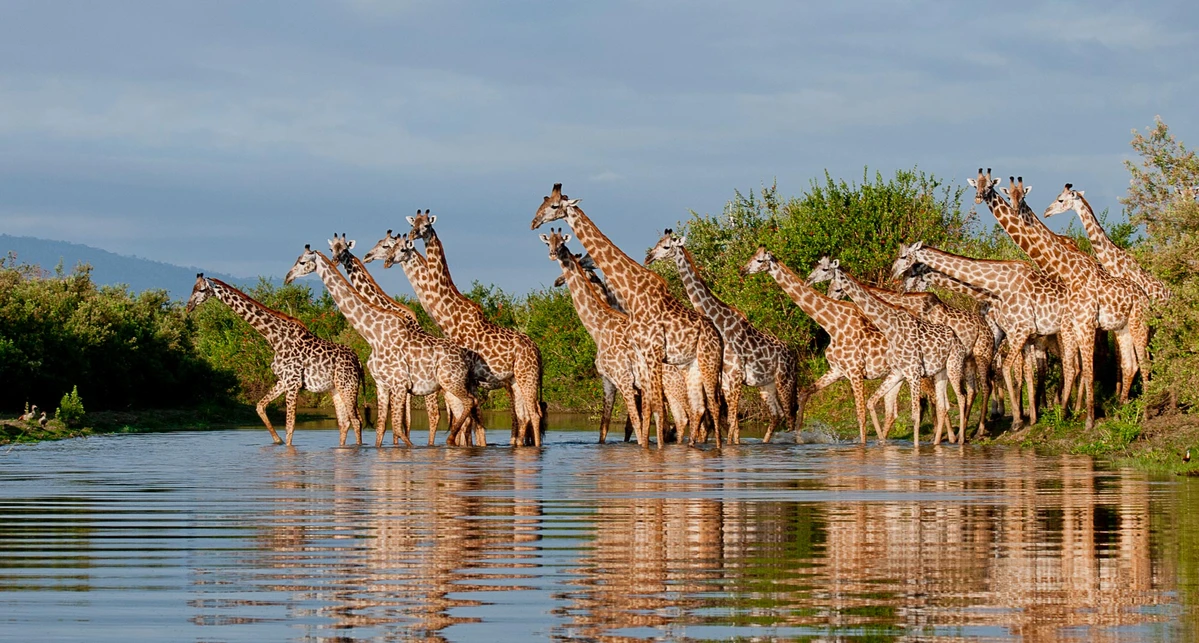
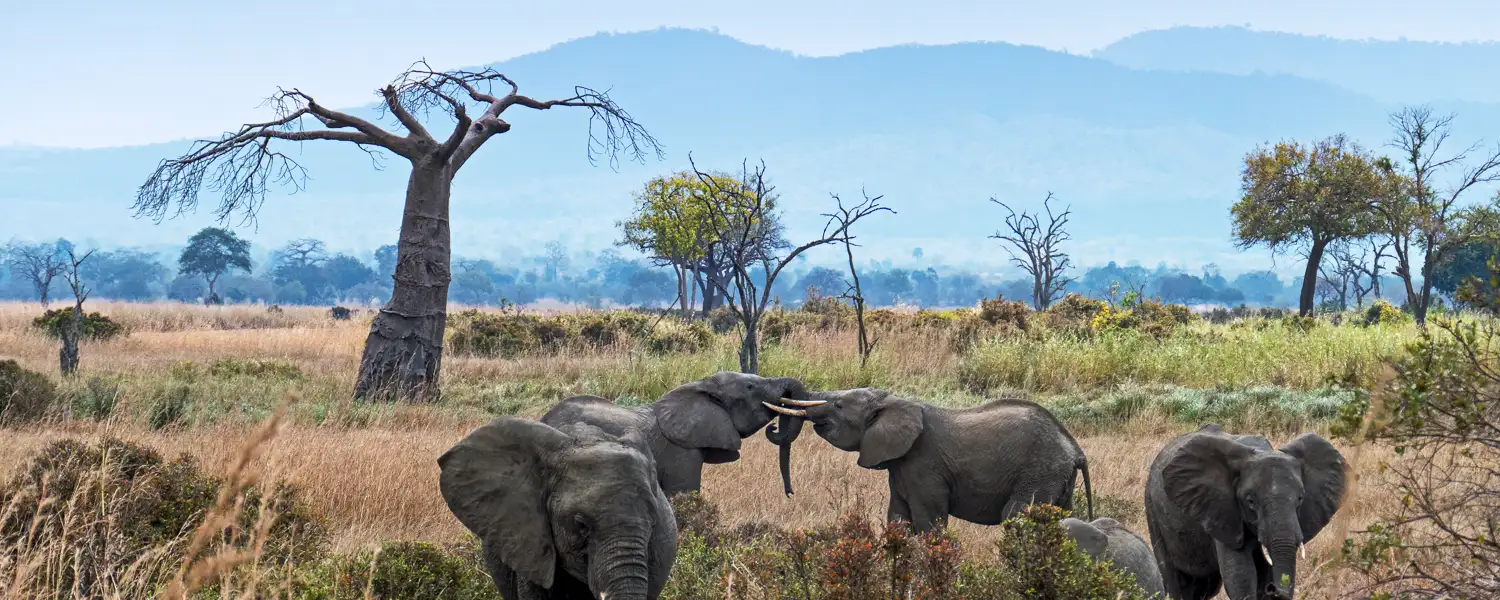
Just a short drive north, Saadani is the only national park in East Africa where the bush meets the beach. Visitors can see elephants, giraffes, buffalo, lions, and many antelope species, take boat trips on the Wami River to spot hippos and crocodiles, and, in season, see green turtles nesting on the shore. It makes an ideal day trip or overnight safari from Bagamoyo.
Activities in Bagamoyo
- Explore the 13th-century Kaole Ruins and their ancient tombs
- Visit the Catholic Mission Museum and Livingstone Tower
- Take a guided walk through Stone Town’s Swahili-Arab and German colonial buildings
- See the Old Fort, the Caravan Serai and the German Boma
- Stroll the beach or relax at a beachfront lodge
- Sail on a traditional dhow at sunset
- Watch the morning catch come in at the fish market
- Catch a music, dance or drumming performance at TaSUBa (Institute of Arts and Culture)
- Shop for local crafts, carvings and Tingatinga paintings
- Taste fresh seafood and Swahili street food
- Snorkel or take a boat trip to nearby sandbanks
- Take a day trip to Saadani National Park, where the bush meets the beach
- Attend the annual Bagamoyo Arts and Culture Festival (usually held in September or October)
Year-Round Weather in Bagamoyo
Want to see more? This video is worth watching
Related Trips

Discover Tanzania
Your questions answered
Where is Bagamoyo, and how do I get there?
Bagamoyo lies on Tanzania’s Indian Ocean coast, about 70 km north of Dar es Salaam. Most travellers fly into Julius Nyerere International Airport in Dar es Salaam, and from there it’s a drive of about 1.5 to 2 hours, depending on city traffic. If you’re coming from Arusha or Kilimanjaro, a short domestic flight to Dar es Salaam is the easiest option. From Zanzibar, you can take the ferry to Dar es Salaam and continue by road. At iTour Tanzania, we arrange all private transfers, so you’re met on arrival and taken straight to your accommodation without any hassle.
How many days should I spend in Bagamoyo?
In our experience, two to three days are ideal. This gives you time to explore the Kaole Ruins, the Catholic Mission Museum, and Stone Town at a relaxed pace, enjoy a sunset dhow cruise, and still have time for the beach. If you’d like to add a safari in Saadani National Park, we recommend at least one extra day, or an overnight stay inside the park for the best wildlife viewing.
When is the best time to visit?
The dry season from June to October offers the most comfortable weather: sunny days, cooler temperatures, and lower humidity. December to February is also a great time for the beach, although it is hotter. We generally advise avoiding the long rains from March to May, when heavy downpours can affect roads, and some safari lodges in Saadani may close. If you’d like to experience local culture at its liveliest, plan your visit around the Bagamoyo Arts and Culture Festival, which is usually held in September or October.
Can Bagamoyo be combined with other destinations in Tanzania?
Yes, and this is something we love to do. Bagamoyo fits perfectly with a Zanzibar beach holiday, a safari in Saadani National Park, or a visit to Dar es Salaam. It also works well at the start or end of a northern circuit safari (Serengeti, Ngorongoro and Tarangire), or alongside a trip to the Southern Highlands and Ruaha. Our team designs private and small-group itineraries that link these destinations smoothly, so you get both the famous highlights and Tanzania’s hidden gems in one trip.
Is Bagamoyo safe for tourists?
Bagamoyo is a peaceful, friendly town, and most visitors feel very welcome. As with any destination, we recommend taking normal precautions: avoid walking alone on empty beaches after dark, keep valuables out of sight, and use trusted transport. Our local guides accompany you on tours, help you get around comfortably, and share insights you wouldn’t get on your own.
Do I need a guide to explore the historical sites?
While you can visit some sites independently, we strongly recommend a guide. Much of Bagamoyo’s story — the caravan trade, the slave trade, the explorers and the colonial era — comes alive through the people who know it best. Our guides are local experts who bring context and personal stories to every site, from the ancient tombs at Kaole to the narrow streets of Stone Town.
What should I wear when visiting Bagamoyo?
Bagamoyo is a largely Muslim coastal town, so modest dress is appreciated when walking around town and visiting historical or religious sites. Light, breathable clothing that covers the shoulders and knees is ideal. Swimwear is fine at the beach and at your accommodation. Don’t forget a hat, sunglasses, sunscreen and comfortable walking shoes, as the coastal sun can be strong year-round.
Can I swim at the beaches in Bagamoyo?
Yes, but the coastline here is strongly tidal. At low tide, the water can retreat a long way, leaving wide sand flats and shallow pools, while high tide is the best time for swimming. Our team can advise on tide times during your stay so you can plan your beach time well.
What kind of accommodation is available?
Bagamoyo has a good range of beachfront lodges, boutique hotels, and simpler guesthouses. At iTour Tanzania, we offer budget, mid-range, and luxury options for every night of your trip, so you can choose what suits your style and budget. Many properties sit right on the beach, giving you ocean views and easy access to the shore.
What wildlife can I see in and around Bagamoyo?
Around town, you’ll see monkeys, mongooses, monitor lizards and a wide range of coastal birds, especially in the mangroves along the Ruvu River. Offshore, dolphins and sea turtles are sometimes spotted, and humpback whales pass along the coast in season. For big game, nearby Saadani National Park offers elephants, giraffes, buffalo, lions, hippos and crocodiles in a unique setting where the bush meets the beach.
Is Bagamoyo suitable for families?
Absolutely. Children often enjoy the dhow cruises, the beach, the lively fish market and the stories of explorers and ancient ruins. A day trip or overnight safari to Saadani adds extra excitement for younger travellers. We tailor activities, pace and accommodation to suit families, so everyone enjoys the trip.
Do I need any vaccinations or health precautions?
Bagamoyo is in a malaria area, so we recommend speaking to your doctor or travel clinic about anti-malaria medication before you travel. Use insect repellent, especially in the evenings, and sleep under a mosquito net where provided. A yellow fever certificate may be required if you are arriving from, or have travelled through, a country with risk of yellow fever. Please check the latest entry requirements before you travel, and always drink bottled or treated water.
What currency is used, and can I pay by card?
The local currency is the Tanzanian Shilling (TZS). US dollars are widely accepted for tours and at larger hotels, but shillings are best for small purchases, markets and local restaurants. Some hotels accept card payments, but many smaller businesses only take cash, so it’s wise to carry some with you. There are ATMs in Bagamoyo town.
How much does a trip to Bagamoyo cost?
The cost depends on the length of your trip, your choice of accommodation, the activities you include, and whether you combine Bagamoyo with other destinations. Because every iTour Tanzania trip is designed around you, we don’t list fixed prices. Simply request a quote, and our team will create a personalised itinerary and price for you.
Why should I visit Bagamoyo with iTour Tanzania?
As a Tanzanian-owned company with up to 15 years of experience in tour operations, we know Tanzania’s coast, culture and history from the inside. We design private and small-group trips that go beyond the usual tourist routes, work with trusted local guides and partners, and take care of every detail, from airport transfers to accommodation and activities. With iTour Tanzania, you don’t just visit Bagamoyo — you experience it authentically.
Why should I visit Bagamoyo with iTour Tanzania?
As a Tanzanian-owned company with up to 15 years of experience in tour operations, we know Tanzania’s coast, culture, and history from the inside. We design private and small-group trips that go beyond the usual tourist routes, work with trusted local guides and partners, and take care of every detail, from airport transfers to accommodation and activities. With iTour Tanzania, you don’t just visit Bagamoyo — you experience it authentically.